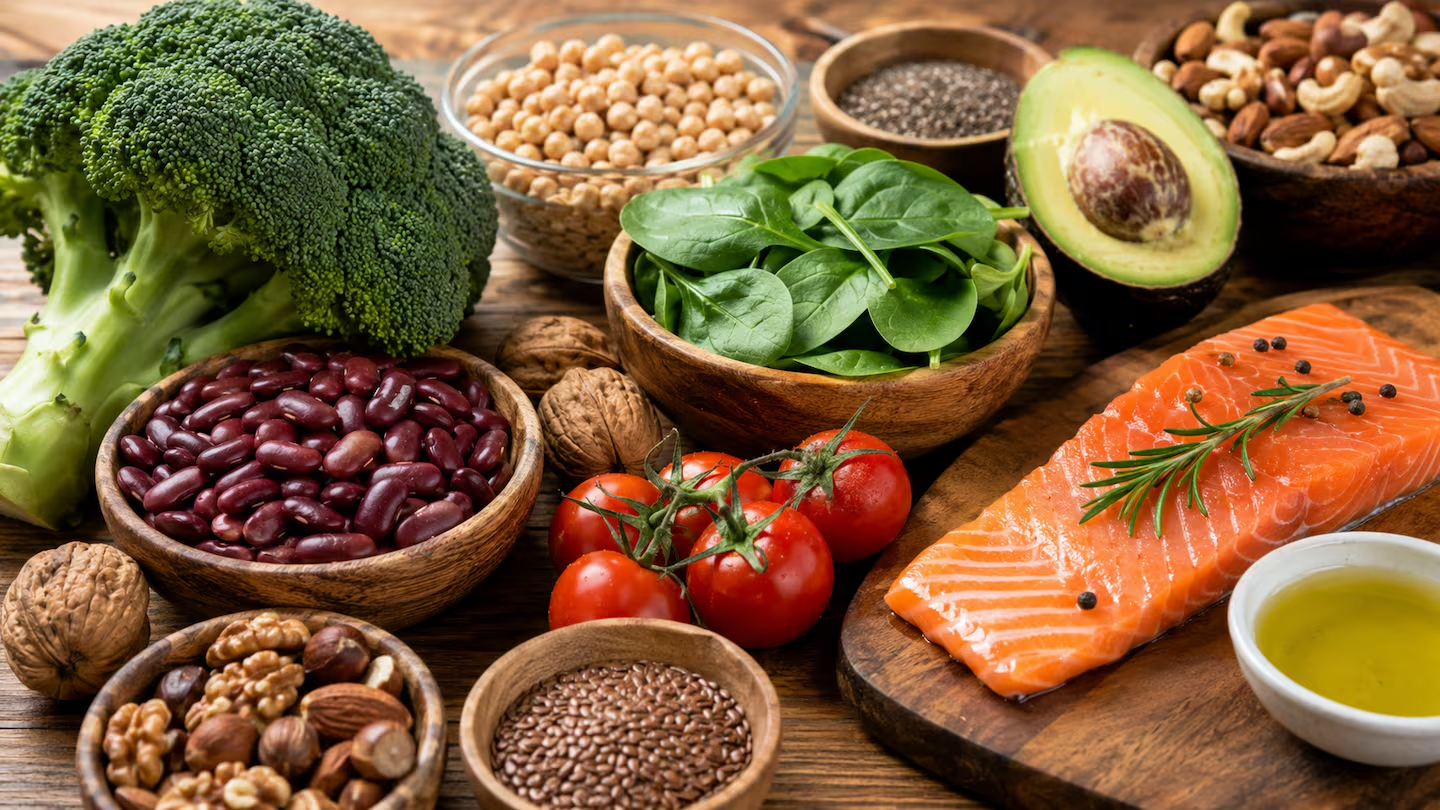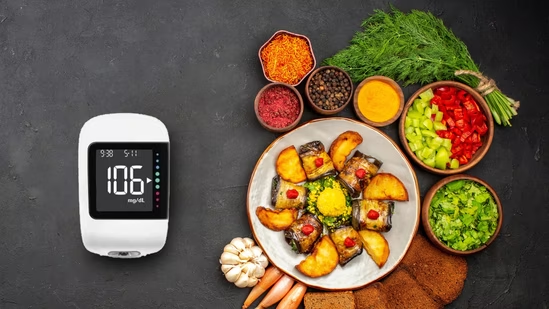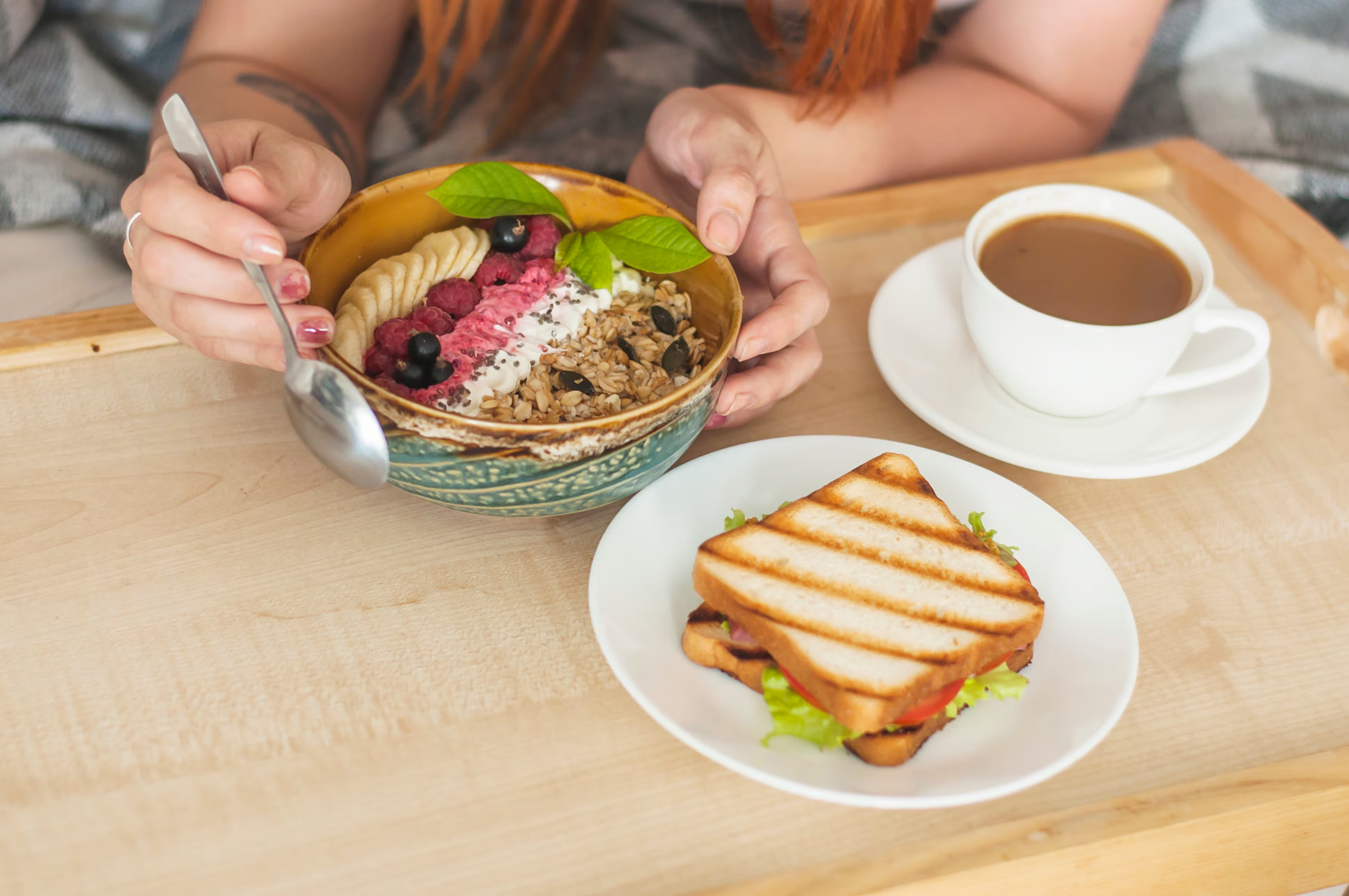
Blood sugar spikes may cause energy crashes, sugar cravings and mood swings in the short term15:27, 22 Jun 2026Glucose is a simple sugar serving as a vital energy source present in food and drinks. Carbohydrates including bread, pasta, fruit and sweets are converted to glucose in the digestive system before entering the bloodstream.Following a meal, a hormone called insulin temporarily increases in the body to facilitate glucose absorption from the blood, enabling it to be utilised as energy. In healthy people, the body carefully controls blood sugar levels, maintaining them within a tight range - approximately 4.0-4.5mmol/L when fasting, and no higher than 7.8mmol/L two hours after eating, according to the British Heart Foundation.Yet even healthy people experience post-meal spikes which occasionally reach levels comparable to those observed in diabetics, and frequently go undetected. These abrupt surges can prompt energy crashes, sugar cravings and mood swings in the short term.Over an extended period, repeated high blood sugar peaks can lead to low-grade inflammation, reduced insulin sensitivity and a heightened risk of cardiovascular disease - even in individuals without diagnosed diabetes.The positive news is you don't need to eliminate carbohydrates from your diet to maintain blood sugar levels in check. Rather, health coach and parliamentary advisor Steve Bennett recommends a slow and steady approach, combining carbs with foods that digest more gradually to help flatten out those peaks and troughs, reports Surrey Live.Steve says: "Big blood sugar spikes are primarily caused by ultra-processed carbohydrates, especially those stripped of fibre."He added: "Incorporating fibre (vegetables, salads, and whole grains), protein (lean meats, legumes, or tofu) and healthy fats (avocado, nuts, and olive oil) at every meal slows the absorption of sugars and helps maintain steady blood glucose levels."How to avoid blood sugar spikesOver time, repeated significant blood sugar spikes contribute to insulin resistance (where your body becomes less capable of regulating its blood sugar levels), raising the risk of obesity, type 2 diabetes, heart disease, and even accelerated ageing.1. Check food packagingSteve says: "Hidden sugars in 'healthy' foods like granola bars, fruit juices, low-fat yoghurts, and smoothies often contain as much sugar as desserts and are big spikers. Unexpected culprits like rice cakes (higher glycemic index than sugar), dried fruit, sushi with white rice, and even sweet potato fries can trigger large glucose spikes."He recommends examining labels for key indicators that food will spike your blood sugar:.More than 5g of sugar per 100g may cause moderate spikes.Above 10g per 100g is likely to trigger significant glucose elevation (often marked red on food labels) Aim for products where fibre is at least half the sugar content.2. Eat fibre firstFigures from the Food and Drink Federation reveal that just 9% of adults manage the recommended 30g of fibre per day. A new survey from Saga Health Insurance suggests this shortfall may be driving blood sugar crashes, cravings, brain fog, and potential long-term health issues.Consuming high-fibre foods before a meal can substantially reduce glucose spikes. Rather than cutting out your favourite carb-heavy treats, kick things off with a salad, raw vegetables, or a handful of nuts.Pairing high-carb foods with protein and healthy fats helps to slow digestion and moderate the impact on glucose levels. Try combining dark chocolate with almonds, or enjoy berries alongside a dessert.3. Make smart swapsFor Brits looking to ditch the chocolate bar in favour of a satisfying, balanced snack, Steve recommends Greek yoghurt with berries, chia seed pudding, hummus with vegetables, some nuts or a boiled egg.Steve also suggests replacing white rice with cauliflower rice, using leafy greens instead of tortillas, and swapping tropical fruits for lower-glycemic berries.4. Move after mealsYou don't need to push yourself through gruelling exercise to stay healthy. It turns out you can enjoy your favourite foods in moderation and keep sugar spikes at bay with a simple 10-minute walk after eating.Steve points out that this can cut glucose spikes by up to 30%. Light movement encourages muscles to absorb excess sugar before it builds up, he explained.Article continues below5. Avoid nighttime snacksThe body becomes increasingly insulin-resistant as the evening progresses, meaning identical foods consumed at night trigger a significantly higher glucose response compared to eating them earlier in the day.The health coach explained: "Nighttime spikes disrupt sleep quality, impair overnight cellular repair, and contribute to morning brain fog."They also interfere with growth hormone release, which happens primarily during deep sleep and is essential for tissue repair and metabolic health."
Foods to add to every meal to help prevent blood sugar spikes
Blood sugar spikes may cause energy crashes, sugar cravings and mood swings in the short term
732 words~3 min read