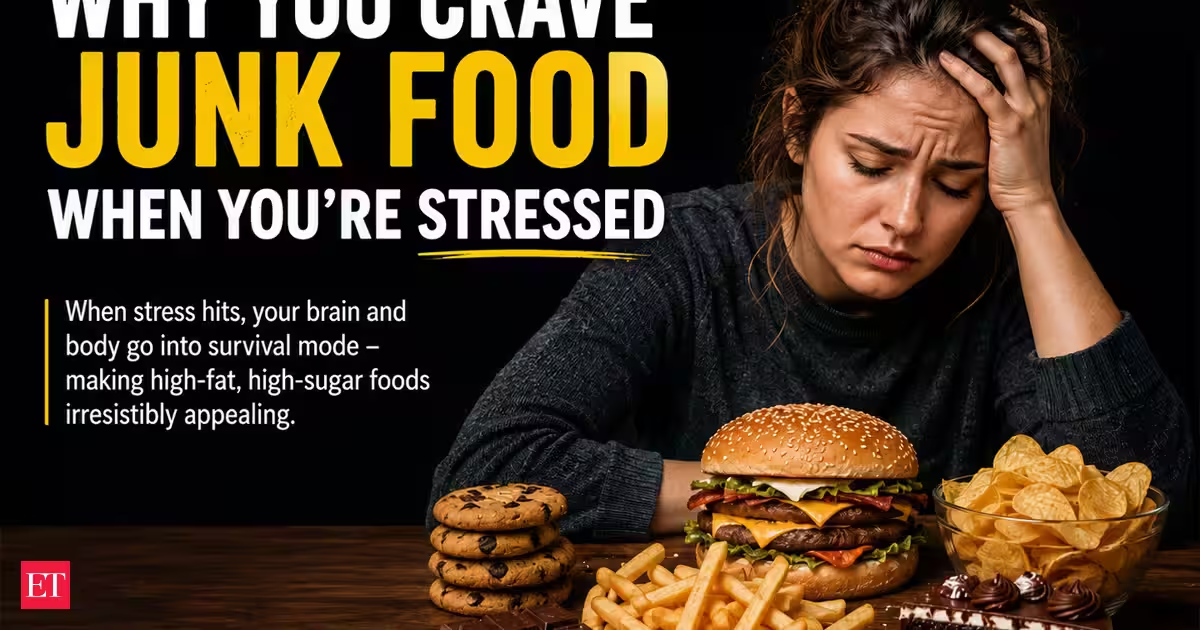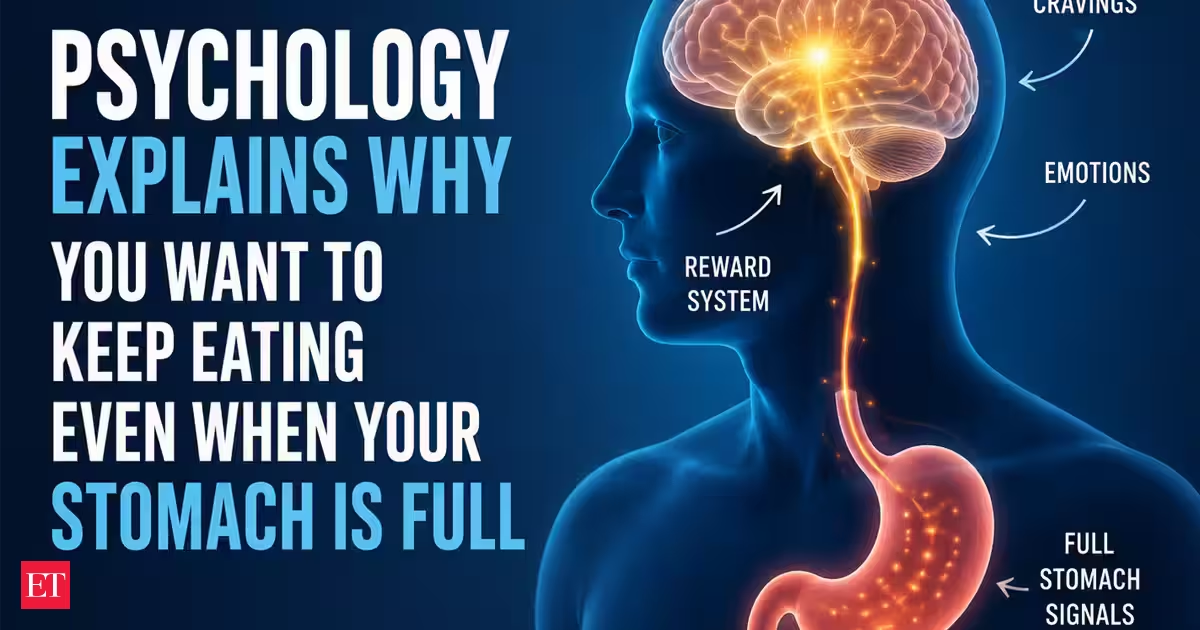
It often happens without warning. You've already eaten, you're not particularly hungry, and yet your mind keeps drifting towards something sweet. Perhaps it's a chocolate bar, a biscuit with tea, or that small dessert sitting in the fridge. You tell yourself you'll have just one bite, but somehow the craving feels stronger than expected.According to psychology, these urges are not always about food. In many cases, sweet cravings are linked to patterns involving stress, tiredness and emotional pressure that most people barely notice.Psychology says if you keep craving sweets even after a full meal, your brain may not be asking for sugar at all, it may be crying out for reliefThe surprising part is that the brain may not be asking for sugar at all. It may simply be asking for relief.Psychology says the brain often craves comfort, not caloriesMany people assume cravings appear because the body needs energy. While that can sometimes be true, psychologists say cravings frequently emerge after mentally demanding or emotionally draining experiences.A difficult day at work, an argument, hours of concentration, or even constant notifications and information overload can leave the brain feeling exhausted. At that point, the brain starts searching for something that feels rewarding and comforting.Sugar is particularly effective because it provides quick stimulation and an immediate sense of pleasure. Rather than satisfying physical hunger, it often acts as a short-term emotional reset.Why stress can make sweet foods feel irresistibleOne of the strongest triggers behind sugar cravings is stress. When people experience pressure, the body releases cortisol, often referred to as the stress hormone. Cortisol helps the body respond to challenges, but it can also influence eating habits.Research suggests that elevated stress levels can increase the desire for high-energy foods, particularly those rich in sugar and carbohydrates.This is why someone who normally eats quite healthily may suddenly find themselves craving sweets during exam season, work deadlines or emotionally difficult periods. The craving is often linked to stress rather than actual hunger.Study explains why sugar feels rewardingScientists have been studying the connection between sugar and the brain for years. A study published in the journal Neuroscience by researchers Pedro Rada, Nicole Avena and Bart Hoebel in 2005 found that sugar activates dopamine pathways within the brain's reward system.The researchers observed that sugar stimulated dopamine release in the nucleus accumbens, an area of the brain associated with pleasure, reward and reinforcement.Although the study was conducted on animal models, the findings helped explain why sugary foods can feel so emotionally satisfying.Over time, the brain begins to associate sugar with comfort and positive feelings. As a result, people may find themselves reaching for sweets whenever they feel stressed, bored or emotionally drained.The hidden link between poor sleep and sugar cravingsSleep is another factor that often goes unnoticed. After a poor night's sleep, many people notice stronger cravings for sweet snacks and sugary drinks. This is not simply a lack of willpower.When the body is tired, the systems responsible for regulating hunger and energy become less stable. The brain starts looking for quick sources of fuel that can provide a temporary boost.Unfortunately, sugary foods are often the first option that comes to mind. This helps explain why late nights, disrupted sleep and ongoing fatigue frequently lead to stronger cravings the following day.Emotional hunger is different from physical hungerPsychologists often make a distinction between emotional hunger and physical hunger. Physical hunger develops gradually. It usually comes with familiar signs such as an empty stomach, low energy or feeling genuinely ready for a meal. Emotional hunger behaves differently.It tends to appear suddenly and often focuses on a specific food rather than food in general. More often than not, that food is something sweet, comforting or familiar.A person experiencing emotional hunger may not want a balanced meal. They may specifically want chocolate, cake, biscuits or sweets. This is because the craving is connected to emotion rather than nutrition.Why sweet cravings often follow the same patternIf you pay attention, you'll often notice that cravings appear at predictable times.They may show up:After a stressful meetingDuring a demanding workdayFollowing an emotional conversationLate at nightAfter poor sleepDuring periods of boredomWhen feeling overwhelmedThe common factor is not food. It is mental and emotional strain. The brain learns that sugar provides quick comfort, so it starts suggesting that solution whenever pressure builds.What is really happening when you crave sugar?Sweet cravings are rarely random. They are often the result of the brain responding to stress, fatigue and emotional demands in the fastest way it knows. Sugar offers a quick reward, a brief lift in mood and a temporary feeling of comfort.The problem is that the relief doesn't usually last very long, which is why the craving can return again later. Understanding this pattern can be more useful than simply trying to resist it.The real lesson behind sweet cravingsPsychology suggests that many sugar cravings are not actually about hunger. They are often signals that the brain is feeling tired, stressed or emotionally overloaded.Rather than viewing every craving as a lack of self-control, it may be worth looking at what is happening beneath the surface.Sometimes the body needs food. But sometimes the mind simply needs rest, recovery or a break from pressure.Recognising that difference may be the first step towards understanding why sweet cravings keep appearing in the first place.Inputs from agencies
Psychology says if you keep craving sweets even after a full meal, your brain may not be asking for sugar at all, it may be crying out for relief
Sweet cravings often signal more than just hunger, according to psychology. Stress, tiredness, and emotional pressure can trigger these urges as the brain seeks comfort and relief, not necessarily sugar. Research indicates that sugar activates the brain's reward system, providing a temporary emotional reset. Understanding this link between mental strain and sweet desires can help address the root cause rather than just resisting the craving.
882 words~4 min read