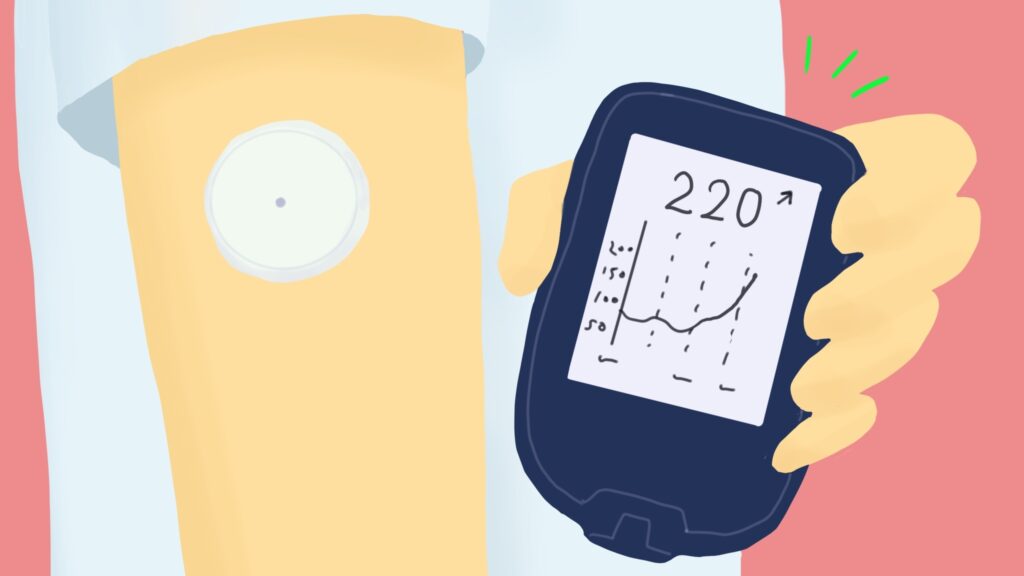
Managing metabolic health is like trying to fly a plane while building it in mid-air. For those using Continuous Glucose Monitoring (CGM) devices like Dexcom or Abbott Libre, the data stream is a goldmine—but raw data without context is just noise. If you've ever dealt with "alarm fatigue" from late-night glucose spikes, you know we need smarter, predictive systems.
In this tutorial, we are diving deep into Continuous Glucose Monitoring (CGM) analytics. We will build a high-performance pipeline using LSTM time-series forecasting and TSFresh feature extraction to predict hypoglycemia (low blood sugar) risks 30 minutes before they happen. By leveraging real-time anomaly detection and automated feature engineering, we can transform high-frequency physiological data into life-saving closed-loop alerts.
The Architecture: From Sensor to Prediction 🏗️
To handle high-velocity biometric data, we need a robust stack. We'll use InfluxDB for time-series storage, TSFresh for automated feature engineering, and TensorFlow/PyTorch for the deep learning core.
graph TD