Recovery tracking, longer battery life and wellness focus fuel demand
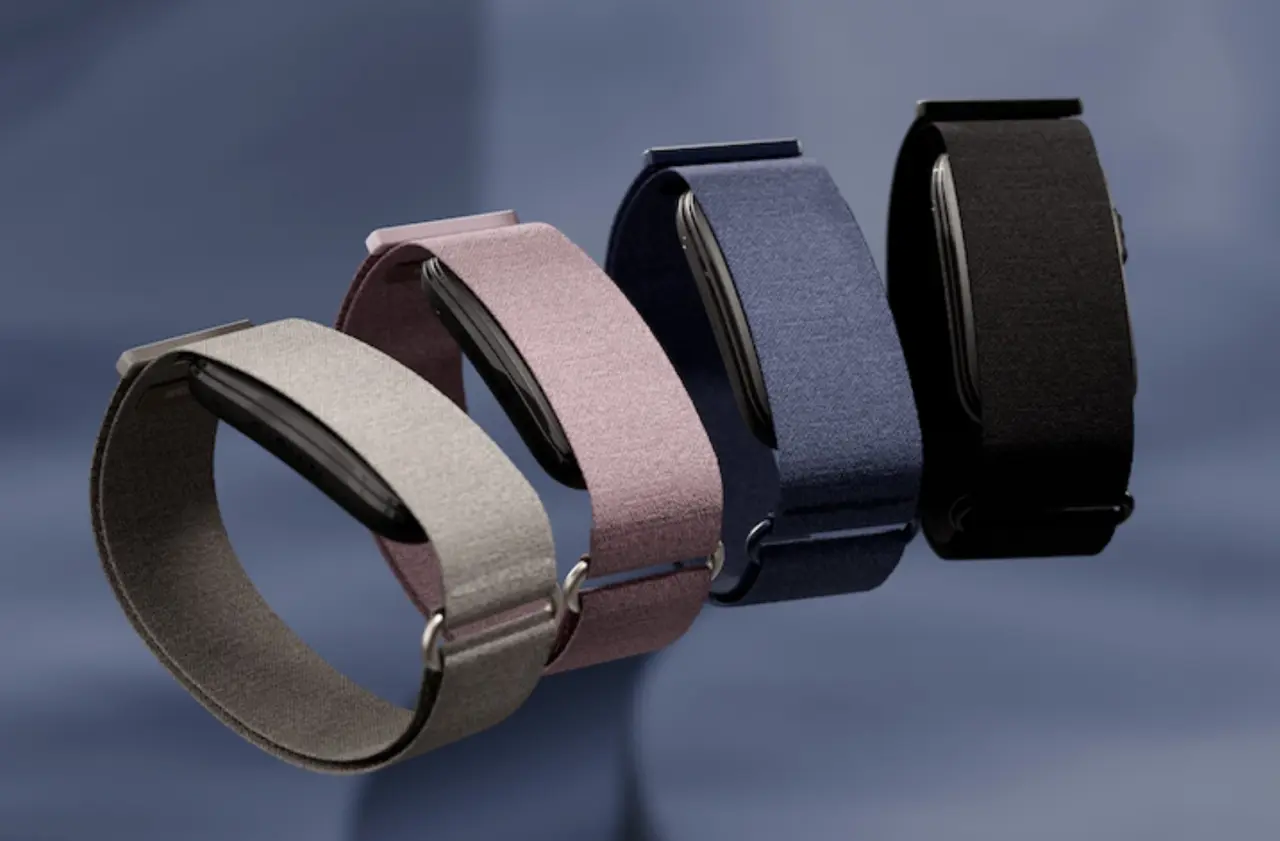
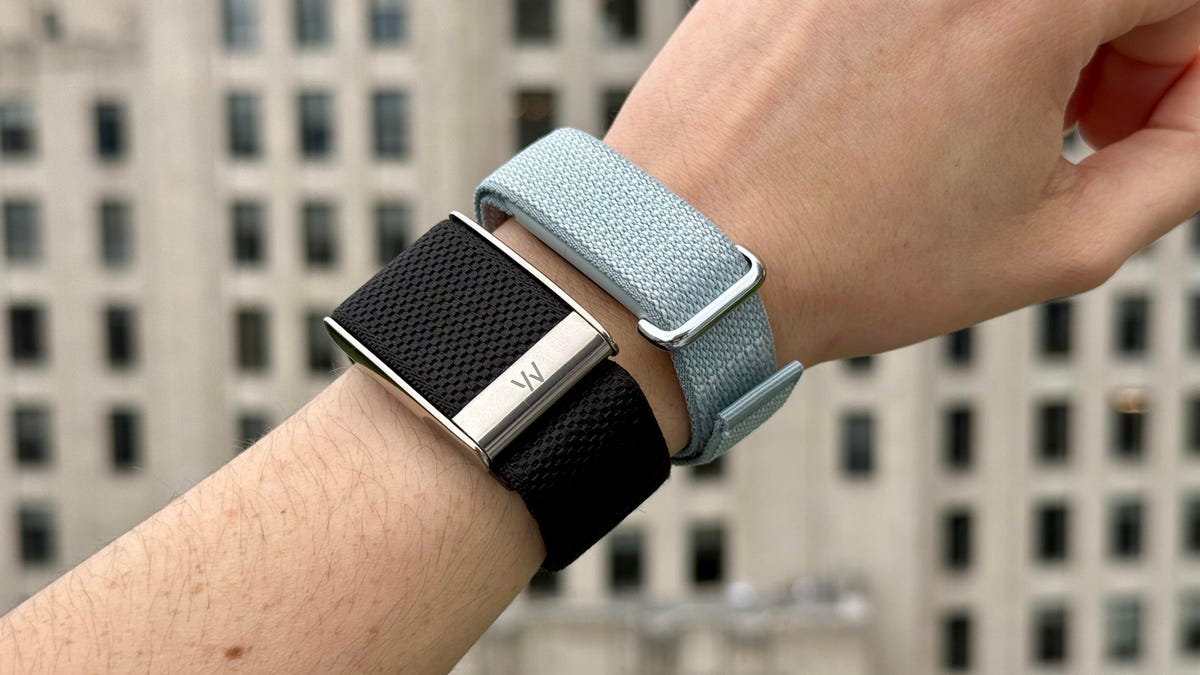
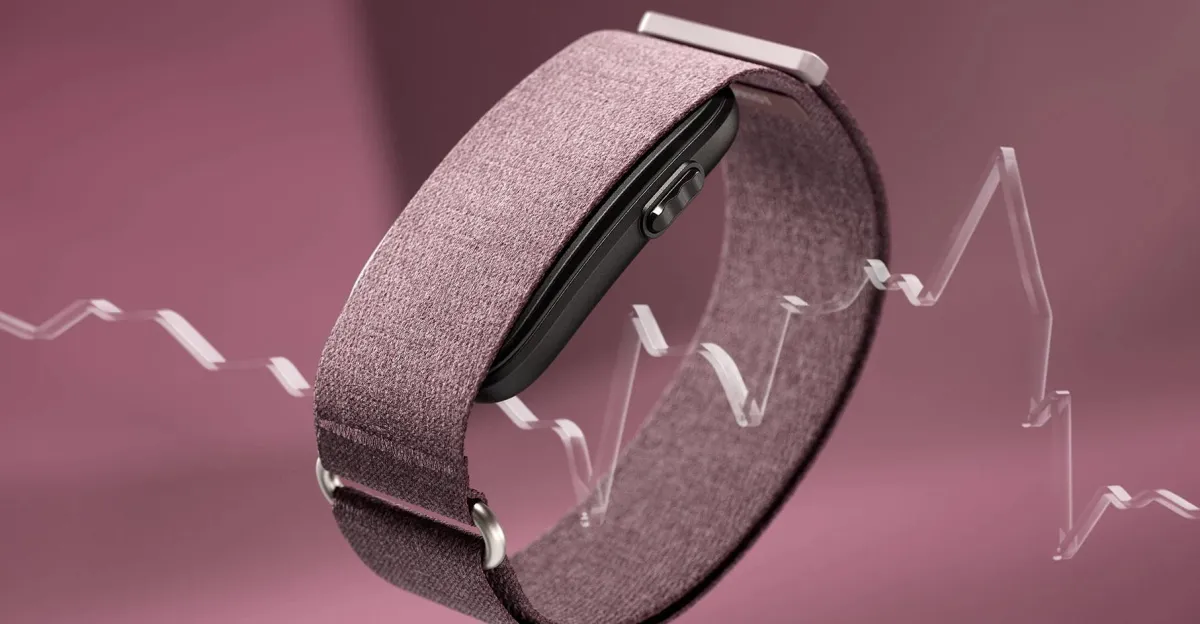
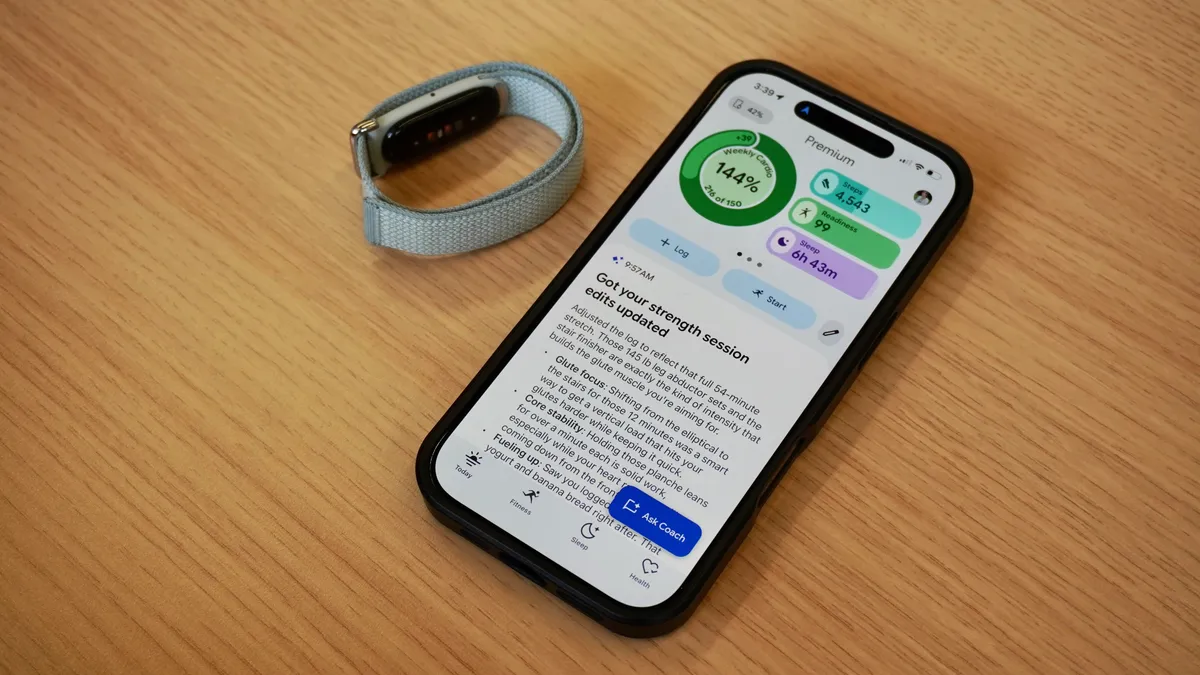
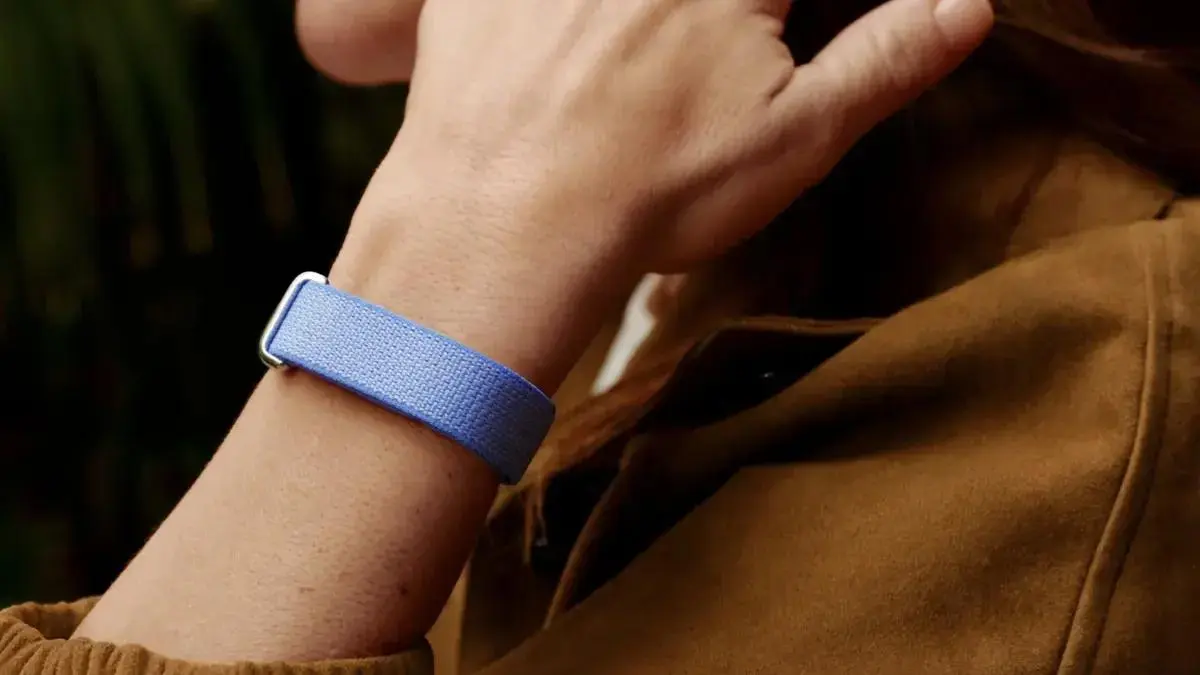
Increasing health awareness and growing consumer interest in distraction-free devices is making screenless wrist wearables a fast-growing sub-segment within India’s wearables market, and generating significant interest among consumersWhile smartwatches still dominate India’s wrist-worn wearables market, screenless fitness bands focused on health and wellness tracking are seeing more takers.India’s screenless band market, which currently accounts for 5 per cent of the total global screenless market and less than 1 per cent of the India wearables market, is expected to grow 2X in the next couple of years, Tarun Pathak, Research Director, Counterpoint Research, said. Currently, the majority of the purchases are happening on the online channel in India, he adds.Whoop, Polar, Pebble, and Amazfit are among the top screenless wristband makers. The recent launch of the Google Fitbit Air has also piqued consumer interest in this category, and users are also drawn by the distraction-free experience that these screenless wristbands offer.Anshika Jain, principal analyst, Counterpoint, said that increasing focus on recovery, better wearing experience, increased battery life due to lack of display, and reduction in distraction owing to lesser digitalisation are among the key drivers of demand.Vikas Sharma, Lead Analyst, Smart Wearable Devices, IDC India, said that such screenless wristbands are helping the overall wrist-worn wearables category make a comeback after a period of lull. “New form factors, advanced health and fitness tracking capabilities, and use cases such as recovery monitoring have renewed consumer interest,” he said. Influencer endorsements and growing awareness around sleep have also helped create renewed interest in the category, he adds.IDC anticipates that more Indian wearable brands will likely introduce new products in this segment and compete strongly with global brands.Amit Khatri, co-founder of lifestyle tech brand Noise, noted that the future of wearables is not more screens but more intelligence. “Consumers are increasingly looking for technology that fits naturally into their lives rather than constantly demanding their attention. This is driving interest in new form factors such as smart rings and screen-less bands that prioritise comfort, continuous sensing, and wellness insights,” he said. Noise did not disclose whether they are working on screenless variants.However, screenless wrist wearables are not cannibalising the smartwatch market yet.“The key point to note here is that these screenless bands can be seen as complementary wearables and not as alternatives to smartwatches,” Jain said.IDC’s Sharma said many consumers view them as a complementary device that can be worn alongside a traditional analogue watch, providing health and activity tracking while maintaining a classic look.Published on June 2, 2026