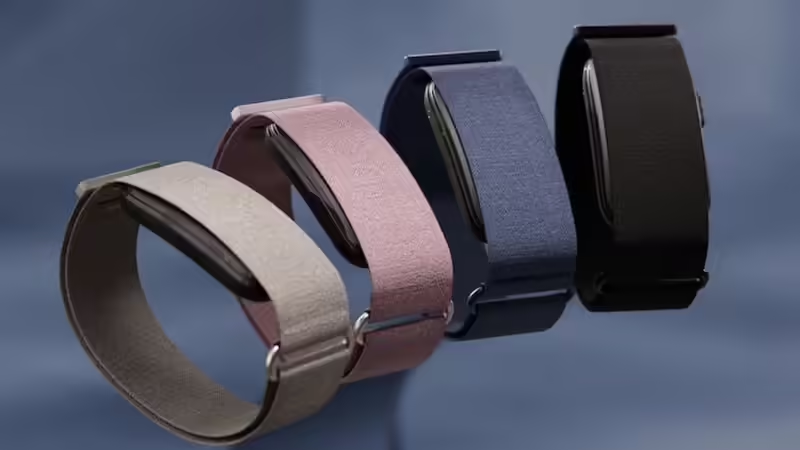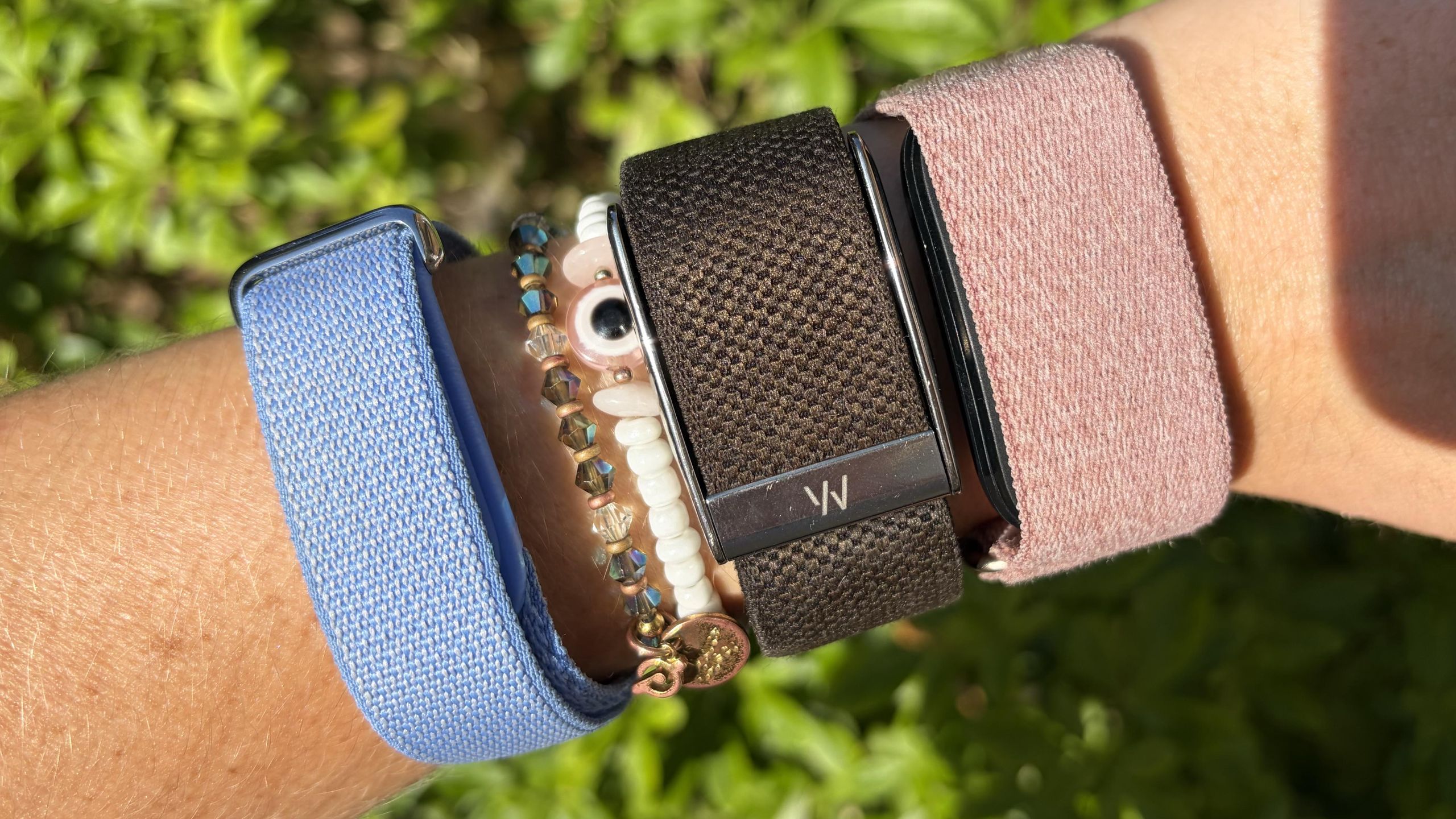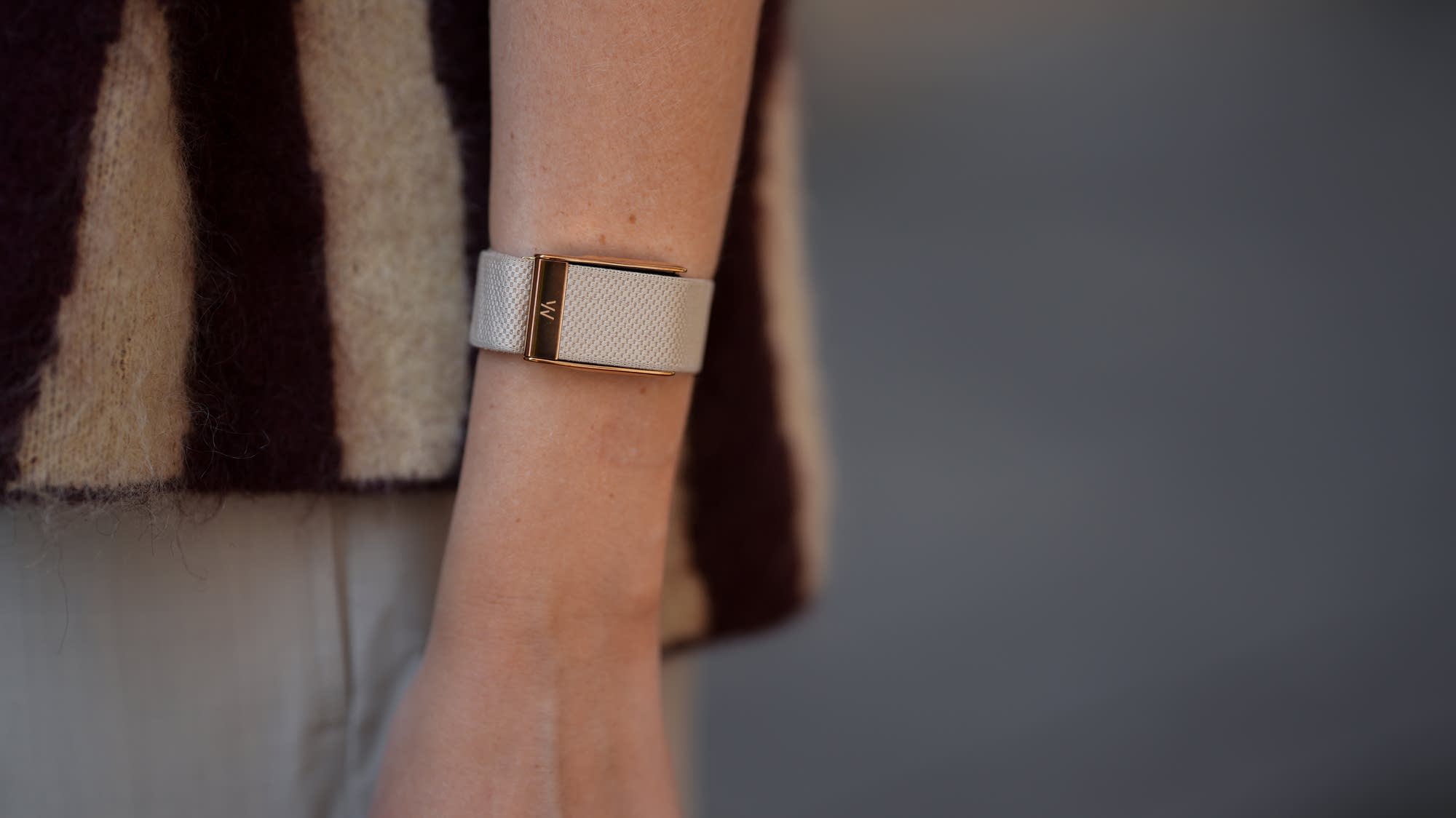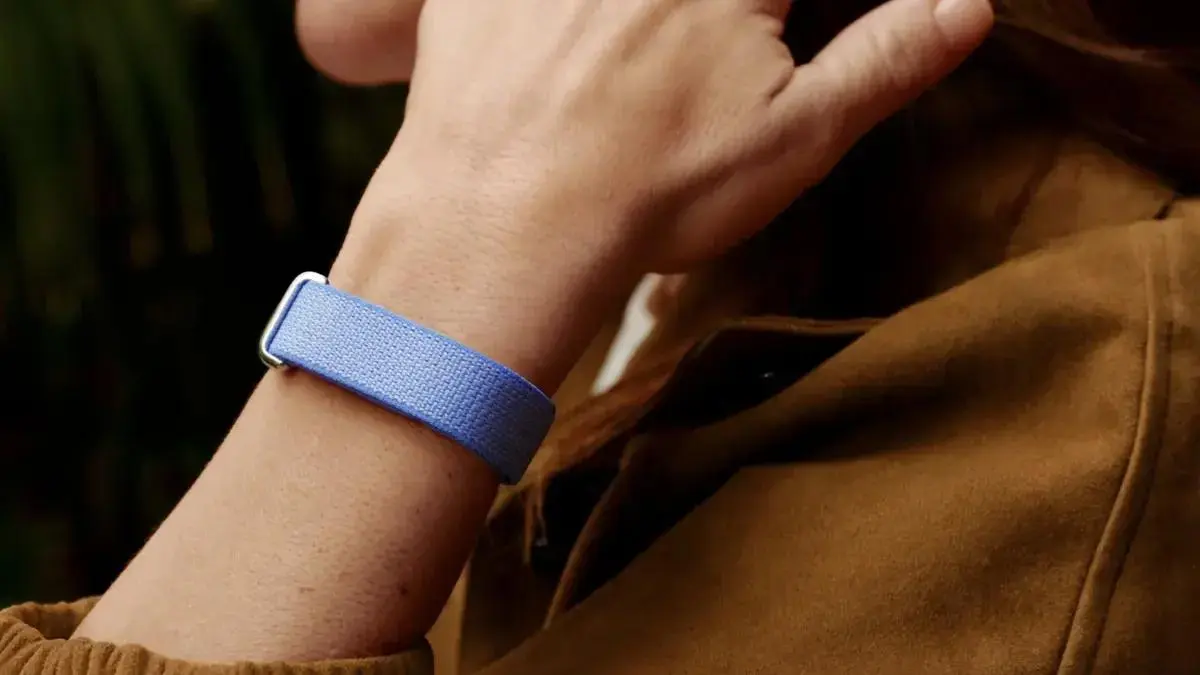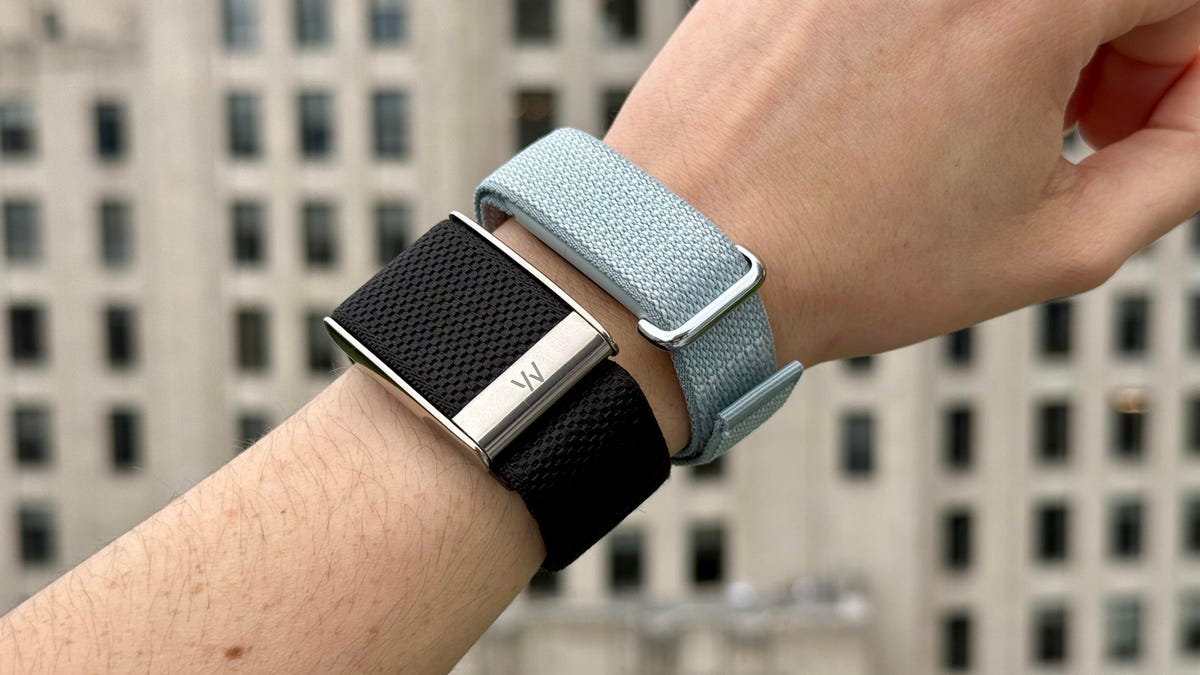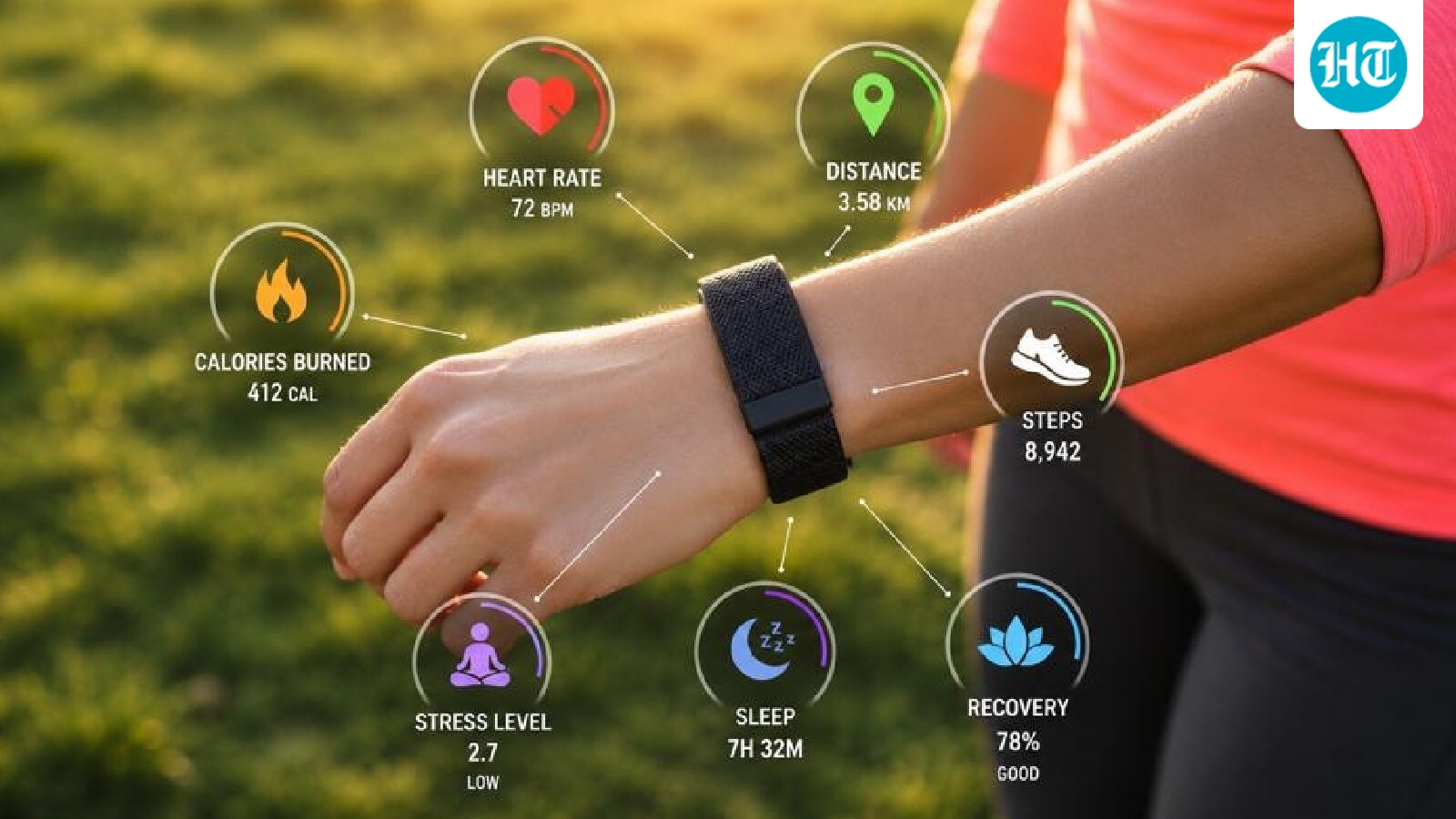
If you’ve worn a screen-led fitness tracker for long enough, you’re familiar with the relentless urge to tap on your wrist for a quick check on your health. Driven by screen fatigue and a shift from real-time distraction, a new wave of screenless fitness bands is finding its way into the health tech market.Wearing a fitness tracker with a digital display vs a screenless fitness tracker is a different experience. (AI generated)While health trackers began going screenless a decade ago with WHOOP bands and Oura smart rings, the trend is now picking pace as other brands jump into the scene. Garmin announced the Cirqa Smart Band last week, Google announced its Fitbit Air in May, Amazfit’s Helio Strap was launched globally in June 2025. Alongside these, brands like Noise, Hume Health, and Luna have also recently stepped into the market with new launches.While the earlier models require mandatory subscription fees beyond a year, the newer ones are available without them and offer a more affordable base price.Why are users switching?Samaira Aggarwal, a 19-year-old who has been using a screenless tracker for the past year, shares how she has stopped panicking over constant health notifications. “Going screenless on my wrist also helps me check my stats on a clear, bigger screen,” she adds.Tech content creator Rohit Raj Gupta says, “After the wave of low-cost smartwatches, consumers have started caring for more than just flashy displays. Screenless wearables reflect that shift and it is easier to view detailed health insights on a phone screen.”What are screenless fitness trackers?These are lightweight fabric or silicone bands with no display screen. They can be worn round-the-clock for continuous tracking of:Heart rateSleep stages and consistencyStep count and calorie expenditureActivity recognitionSkin and body temperatureStress levelsRecoveryInstead of reflecting data on a tiny screen on the wrist, these devices route data to its accompanied phone application.Are screenless fitness trackers better for mental health?“People are recognising the mental overload with continuous connectivity, notifications and increased screen time,” says Delhi-based clinical psychologist Mimansa Singh Tanwar, adding, “Since frequent notifications and visual cues are known to interrupt attention, removing screens can eliminate one source of these prompts. However, the device in itself does not determine the behaviour. Someone inclined to over-track will keep tracking regardless of the interface; for others, it genuinely reduces the pull.”Where daily tracking becomes a problem, in her view, is when it stops informing decisions and starts generating fear. For instance, if it makes you hypervigilant of health parameters that small changes can induce worry or anxiety. "People are recognising the mental overload with continuous connectivity, notifications and increased screen time," Tanwar said.The focus should be on making these devices genuinely useful as a source of information, not as a source for self-judgment or validation.(The story has been written by Diya Agrawal)
Screen fatigue, constant notifications and health anxiety: Why are fitness wearables ditching displays?
Screenless fitness trackers are trending as brands like Garmin, Google and Noise introduce new models.
464 words~2 min read