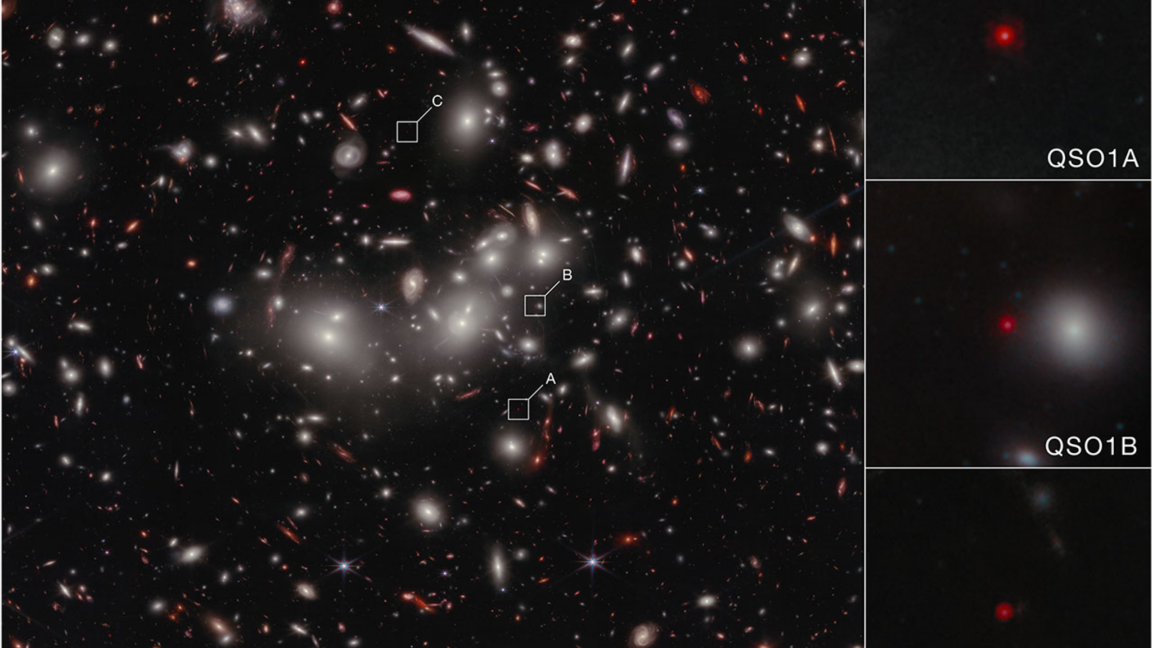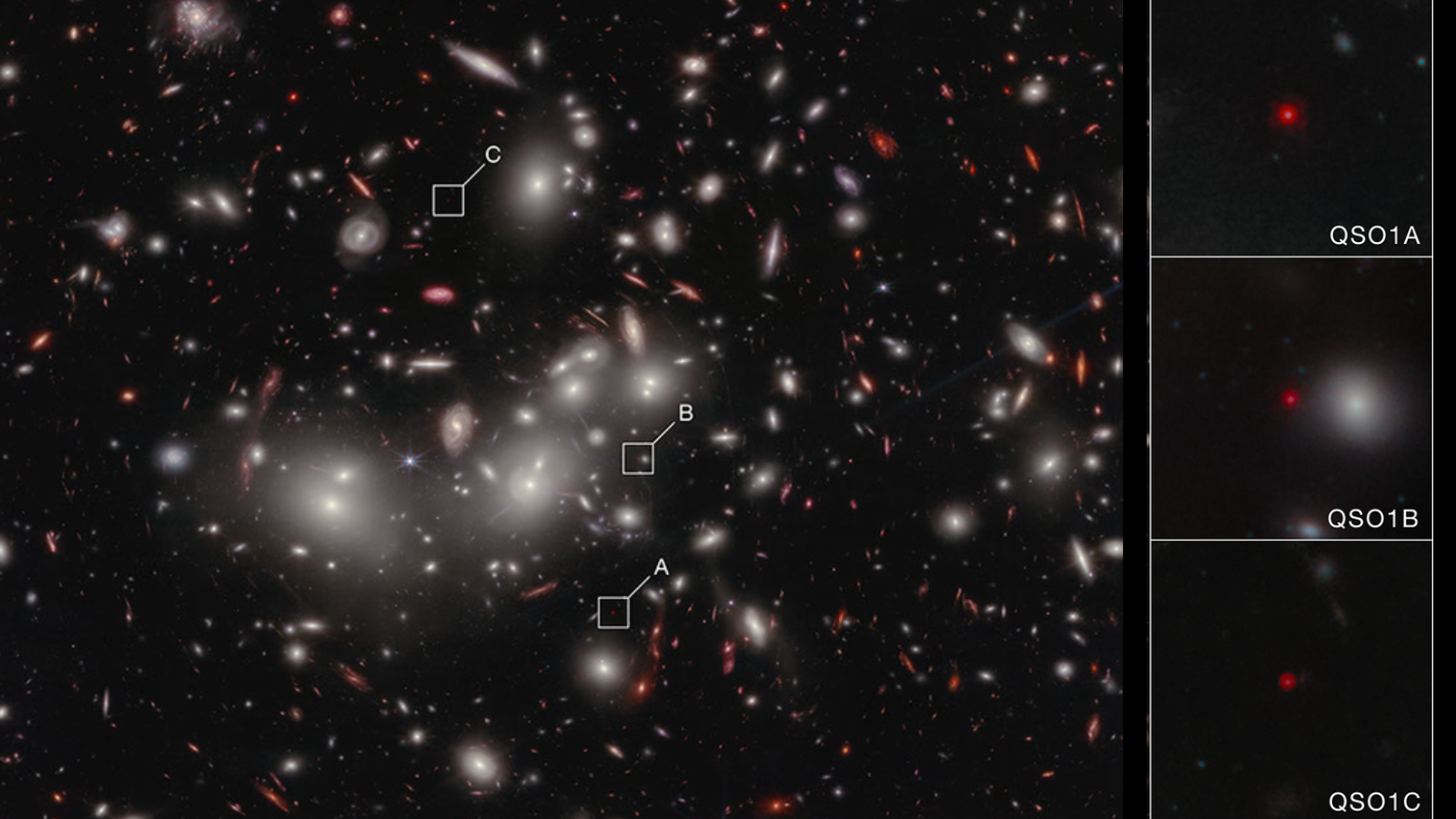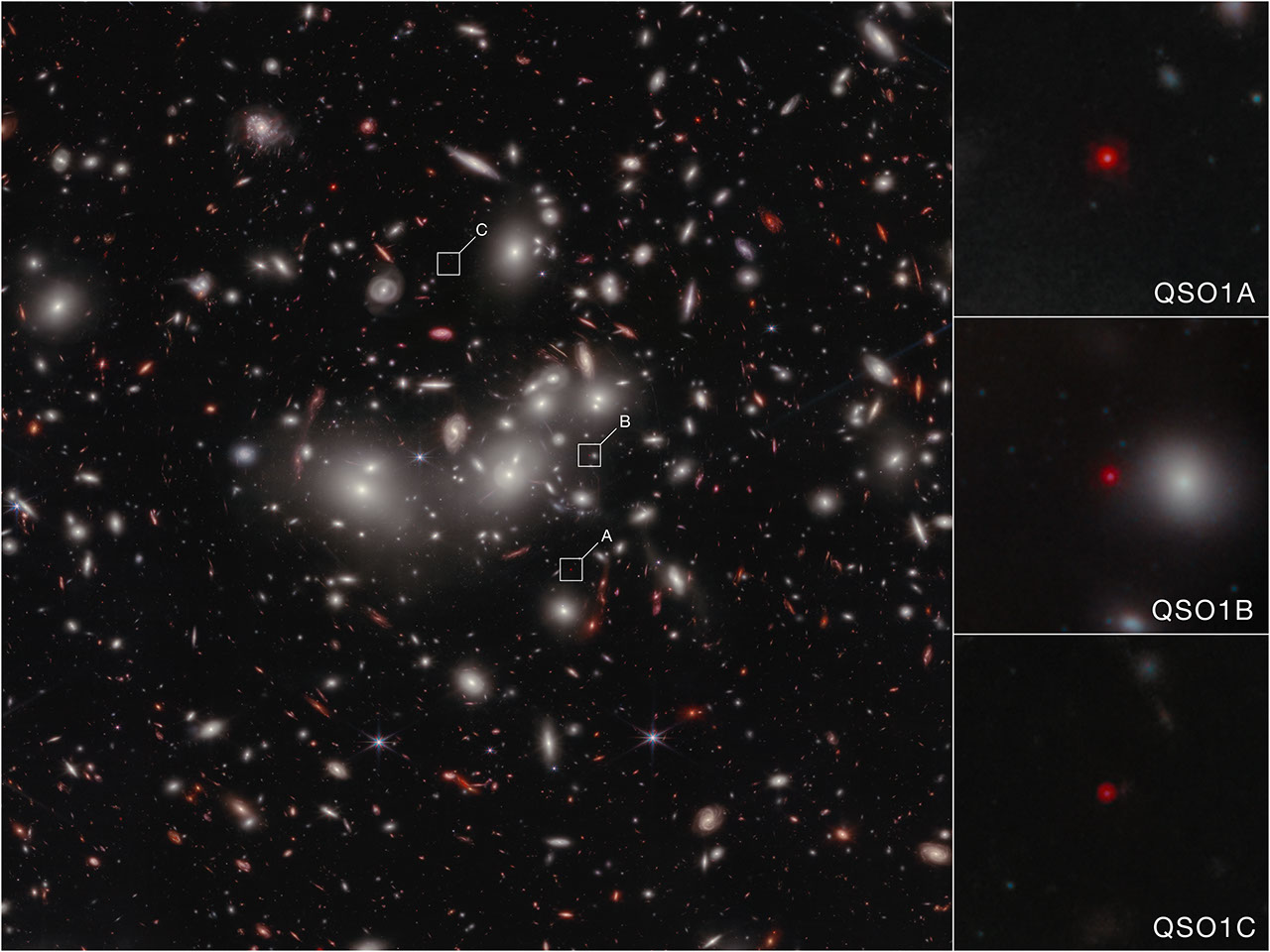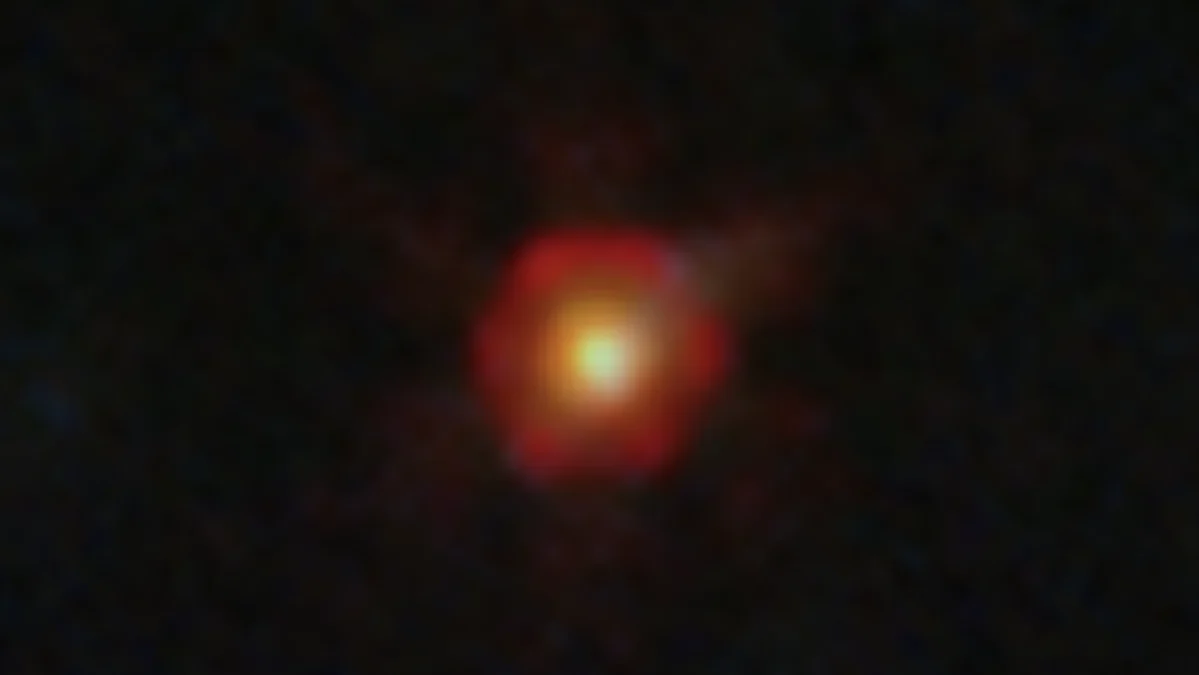
Right now astronomers are dealing with their own chicken-and-egg conundrum: Which came first, the galaxy or the big black hole inside it? Astronomers often estimate the weight of a black hole by using the brightness and width of certain light signals in space coming from hot gas. Some researchers have argued those methods severely exaggerate the masses of strange "little red dots" in the early universe. Since their discovery by NASA's James Webb Space Telescope, what they actually are has divided the community: Some think they contain growing black holes; others argue the black holes might be much smaller than they seem — or, might not exist at all.
You May Also Like
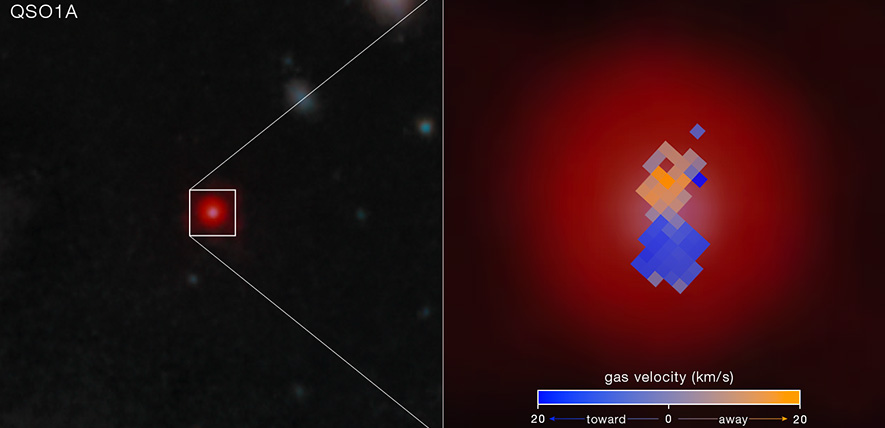
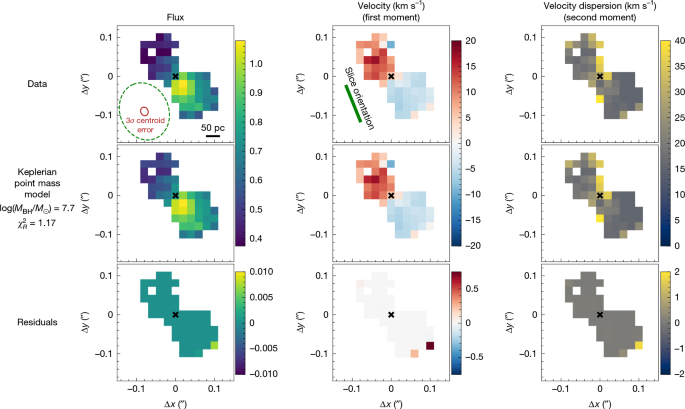
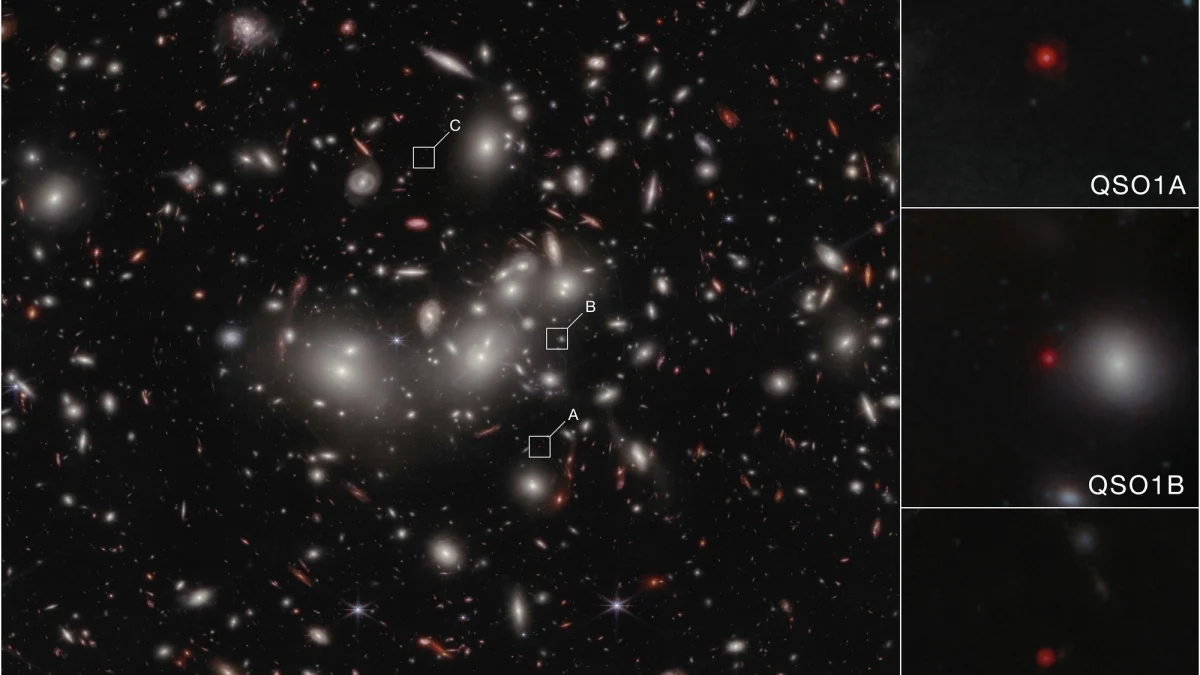
For the first time, a team took a direct measurement of a little red dot, Abell2744-QSO1, and found that not only were the earlier estimates pretty spot on, but also, the object almost certainly contains an enormous black hole, roughly 50 million times heavier than the sun. Then the study got weird.
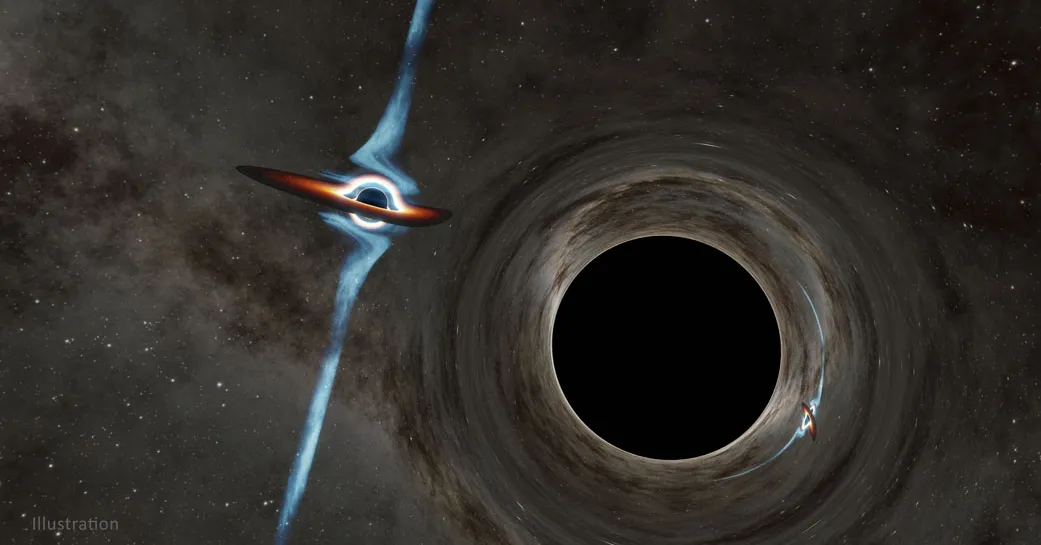
Normally, galaxies and their central black holes grow together: Big galaxy equals big black hole. But QSO1 barely seems to have a galaxy at all. The black hole may outweigh all the stars around it combined. "To our knowledge, this … makes QSO1 the most 'naked' massive [black hole] ever found," the authors wrote in their Nature paper. "This demonstrates the possibility of [black hole] primacy, that is, [black holes] forming and growing earlier than their host galaxy."