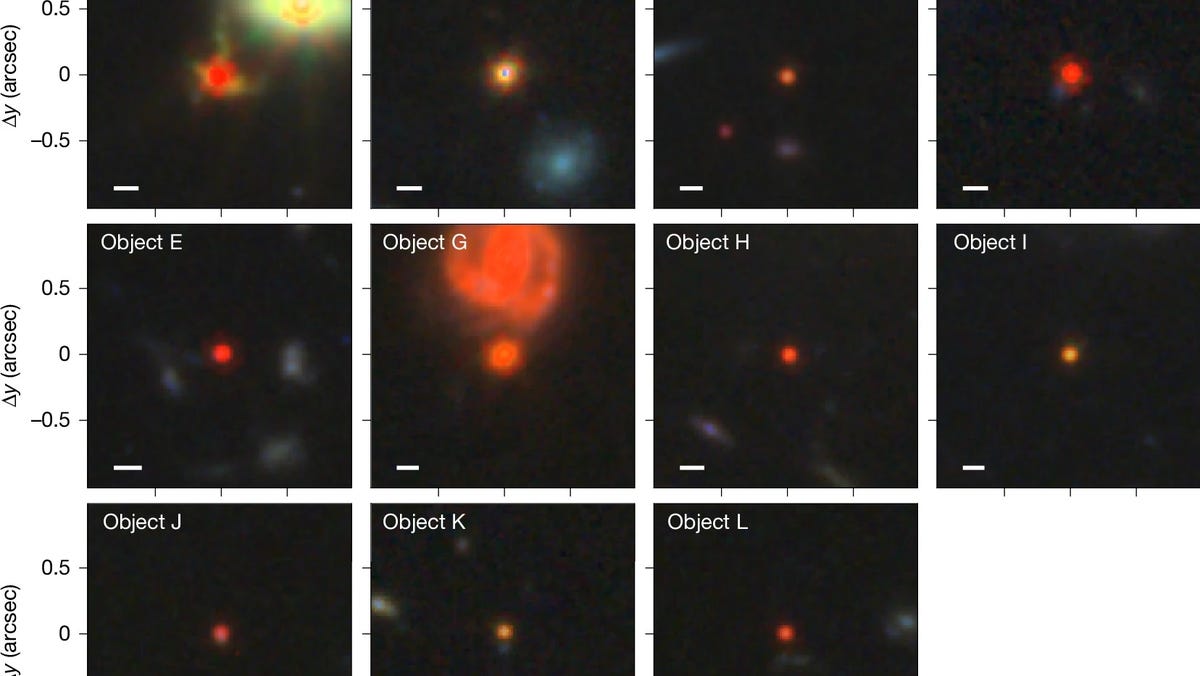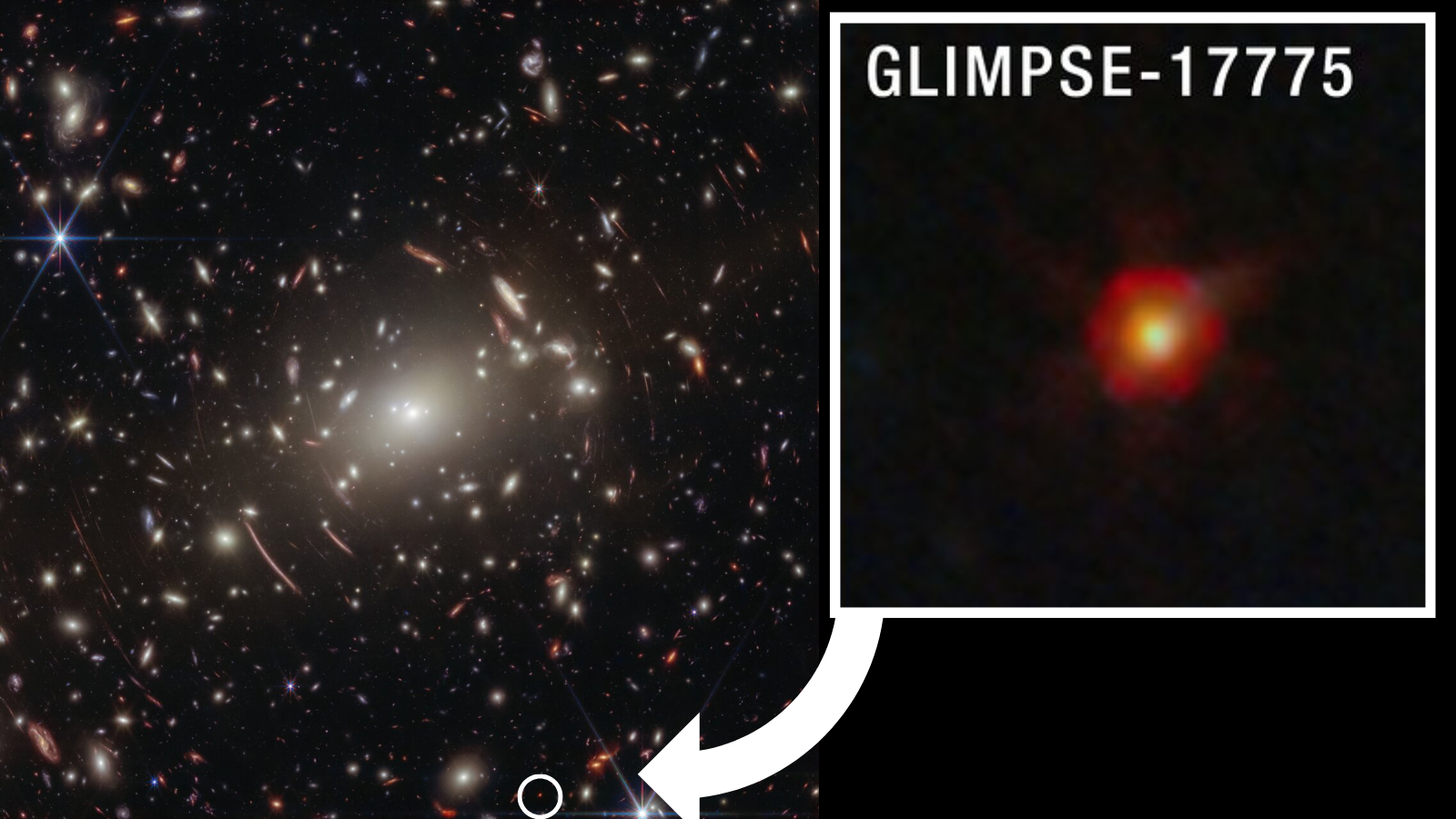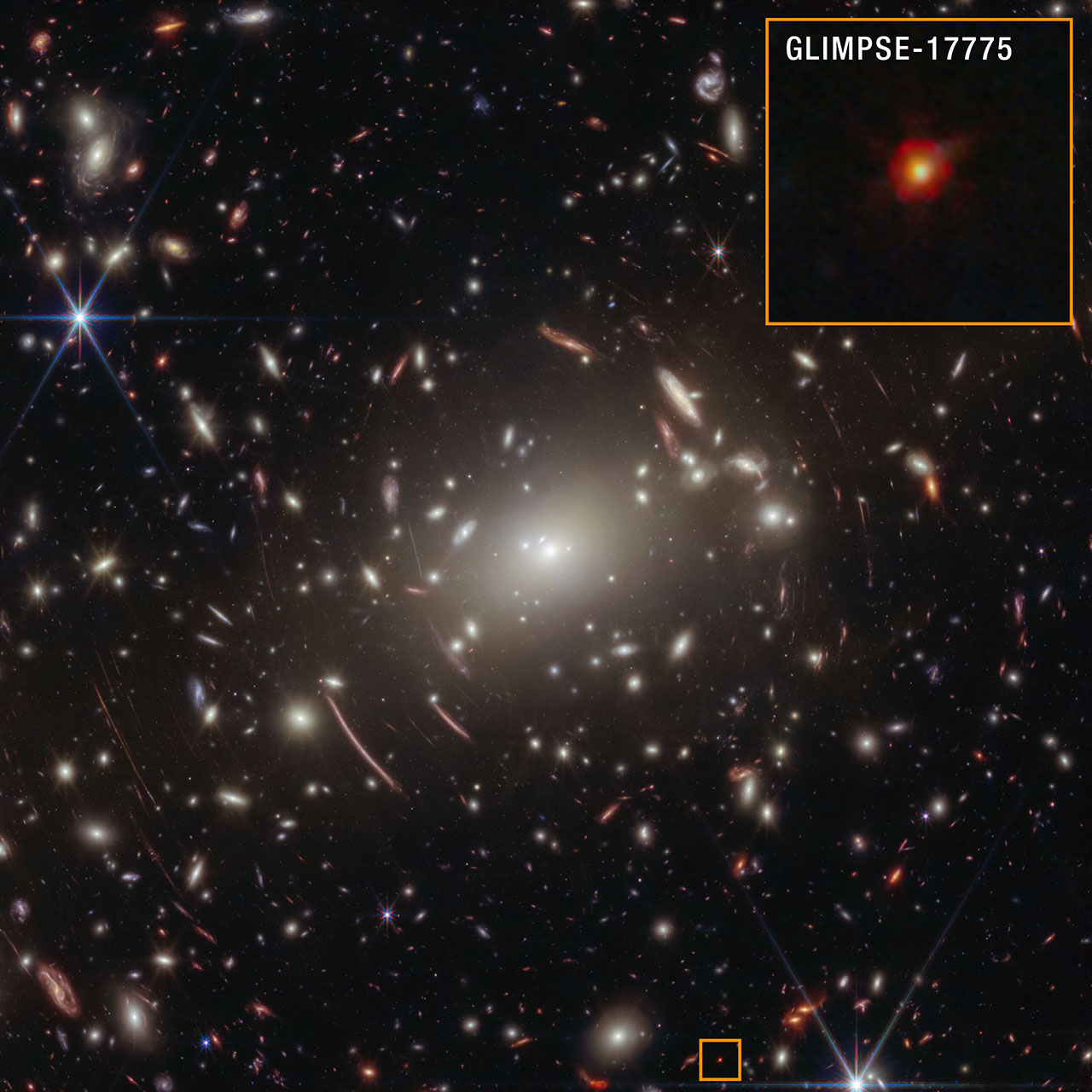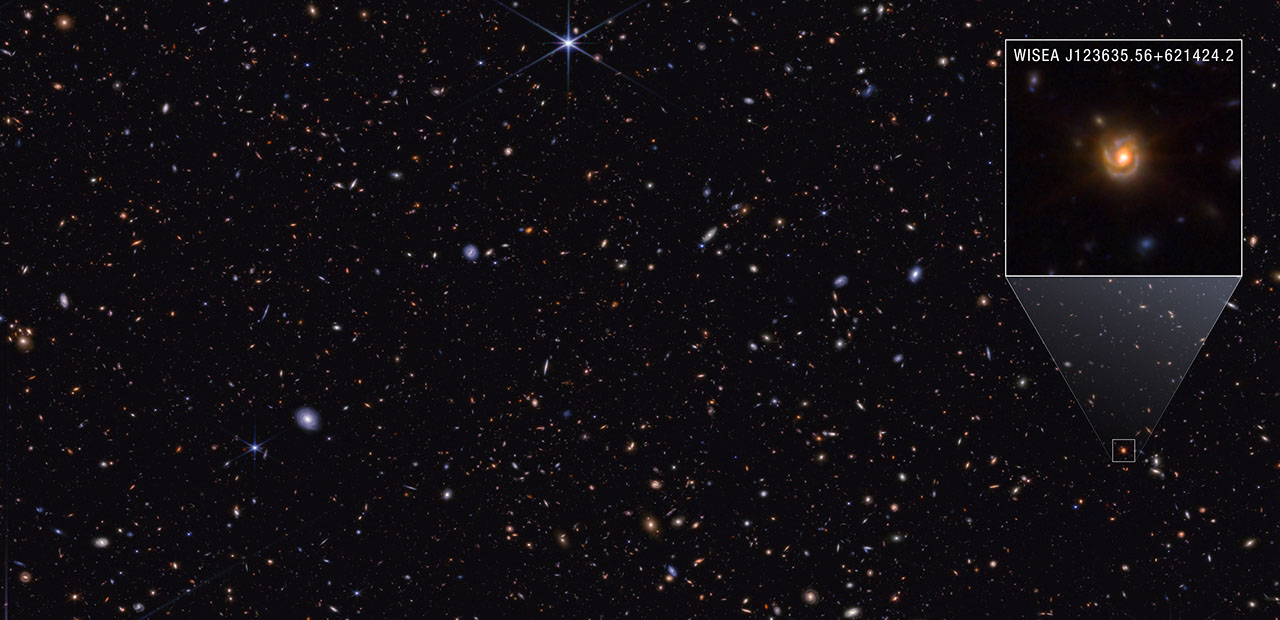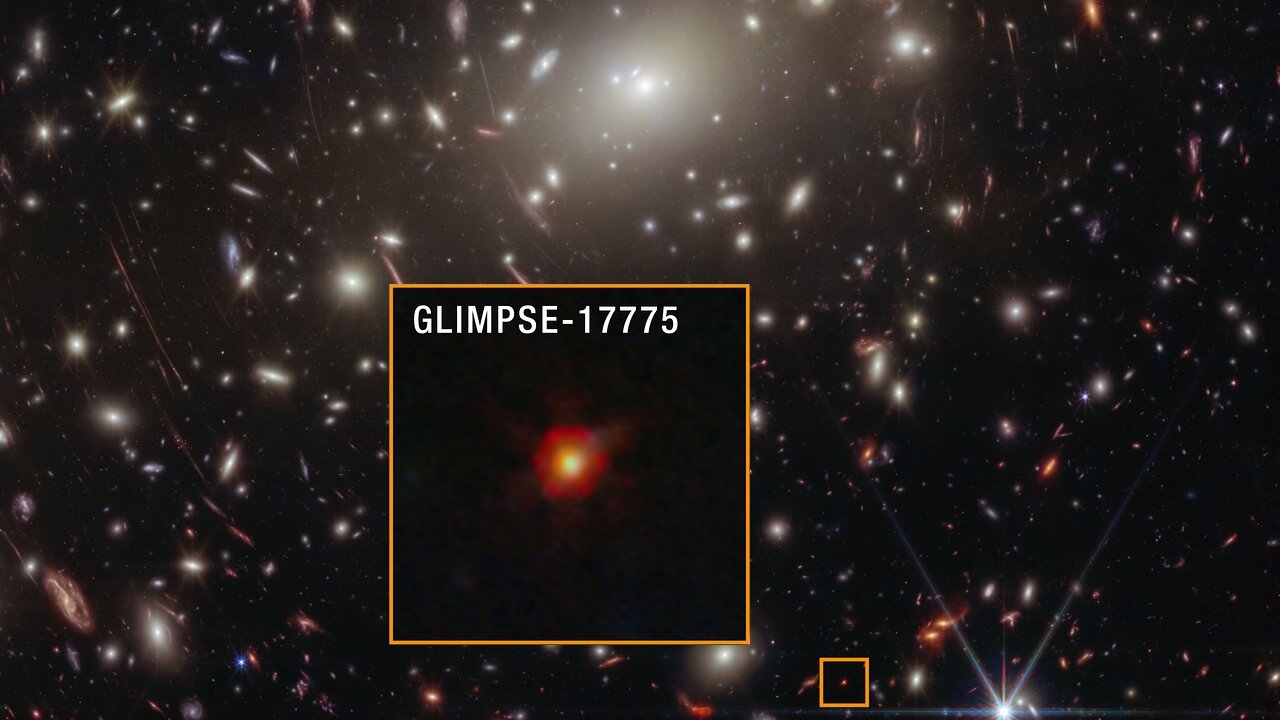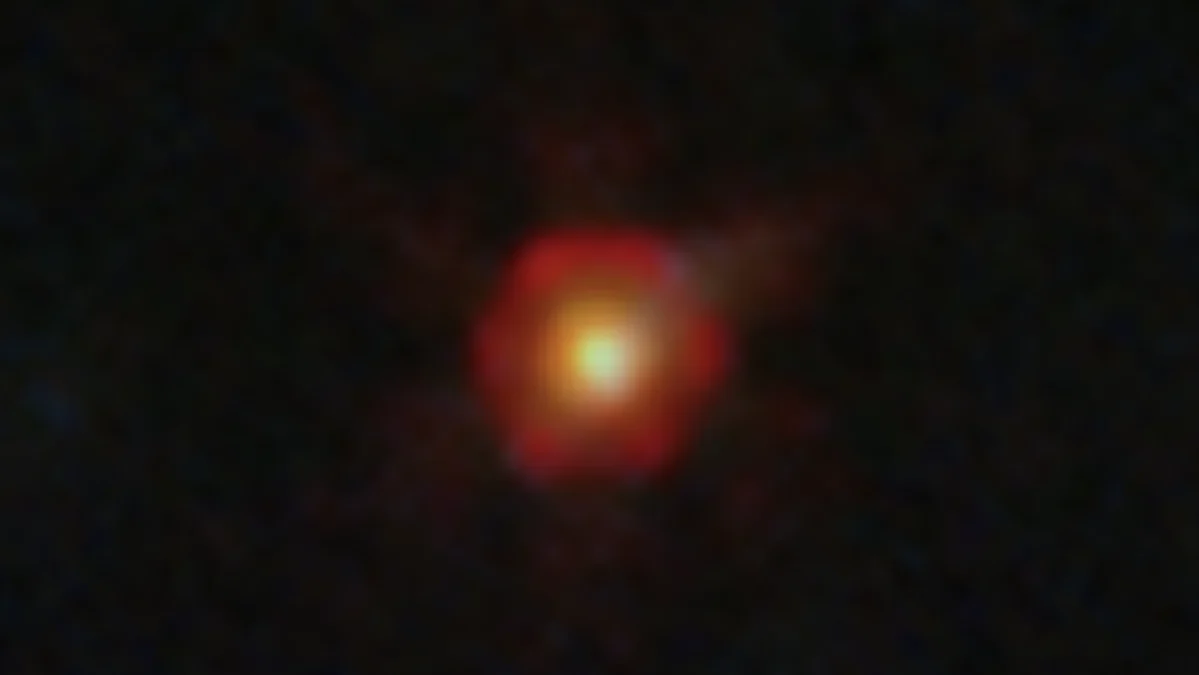
Astronomers now have stronger evidence that mysterious "little red dots" found in the early universe could come from black holes wrapped in thick clouds of gas disguising their light.Little red dots have puzzled astronomers since their discovery in 2022. Initially, some researchers thought they "broke cosmology," unsure how unusually mature galaxies could have formed so fast after the Big Bang, forcing scientists to rethink their understanding of the dawn of time. NASA's James Webb Space Telescope has taken a deep look at one of these strange objects, a distant source called GLIMPSE-17775. It appears so small, so compact, and so red that it defies standard classification. By studying the space object's light, a team of researchers teased out more than 40 distinct chemical features. Taken together, they gave scientists a model for what the environment inside the object must look like.
You May Also Like
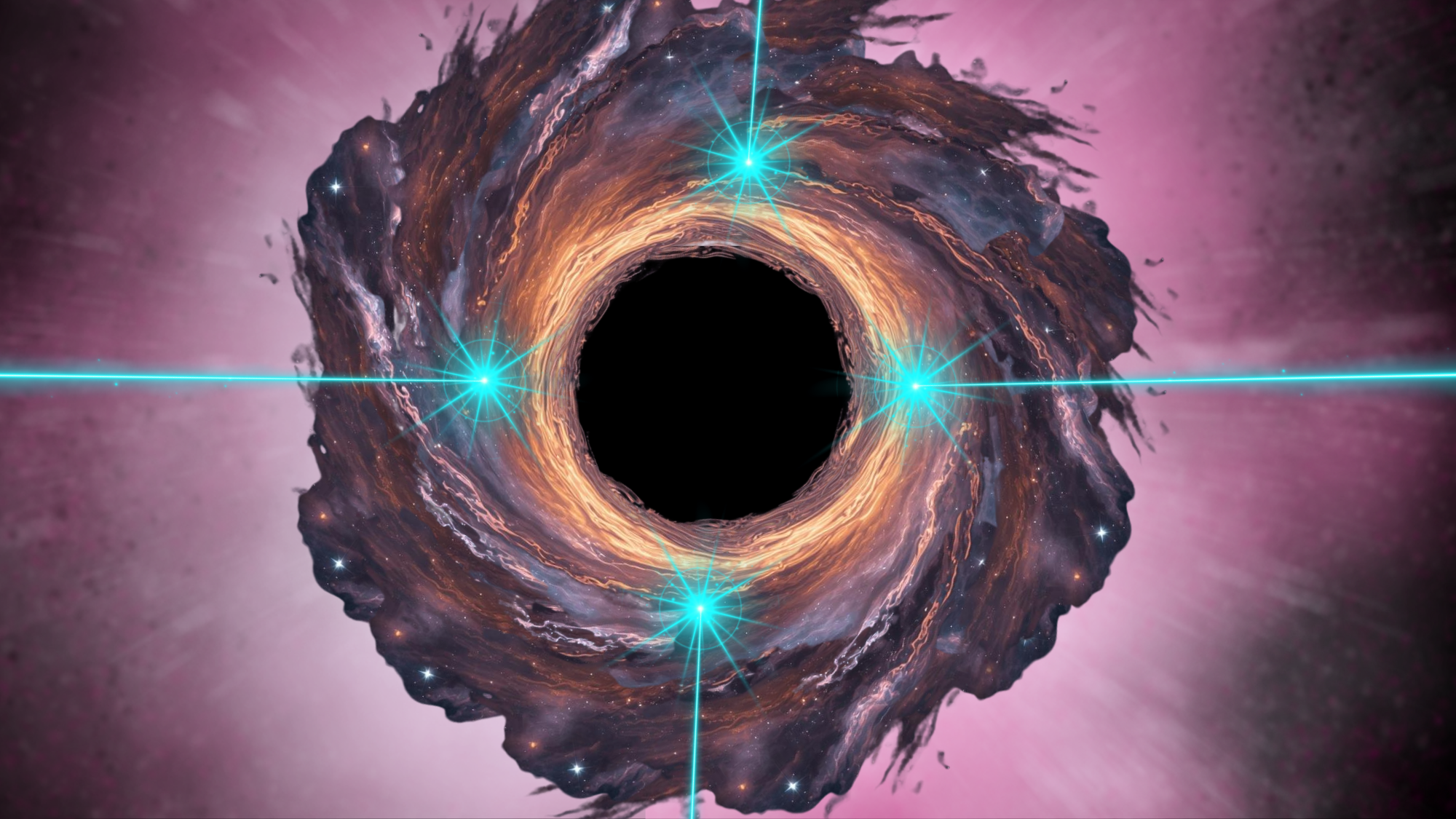
The verdict: GLIMPSE-17775 behaves like a voracious supermassive black hole, gobbling up a meal while encased in layers of gas. The team's study was published in The Astrophysical Journal. "Everything fits, nothing is broken, and I think that makes the puzzle that is our universe even better," said Vasily Kokorev, lead author of the paper, in a statement. "Looking ahead, I'm eager to dive deeper and learn about what is powering the central engines of little red dots."