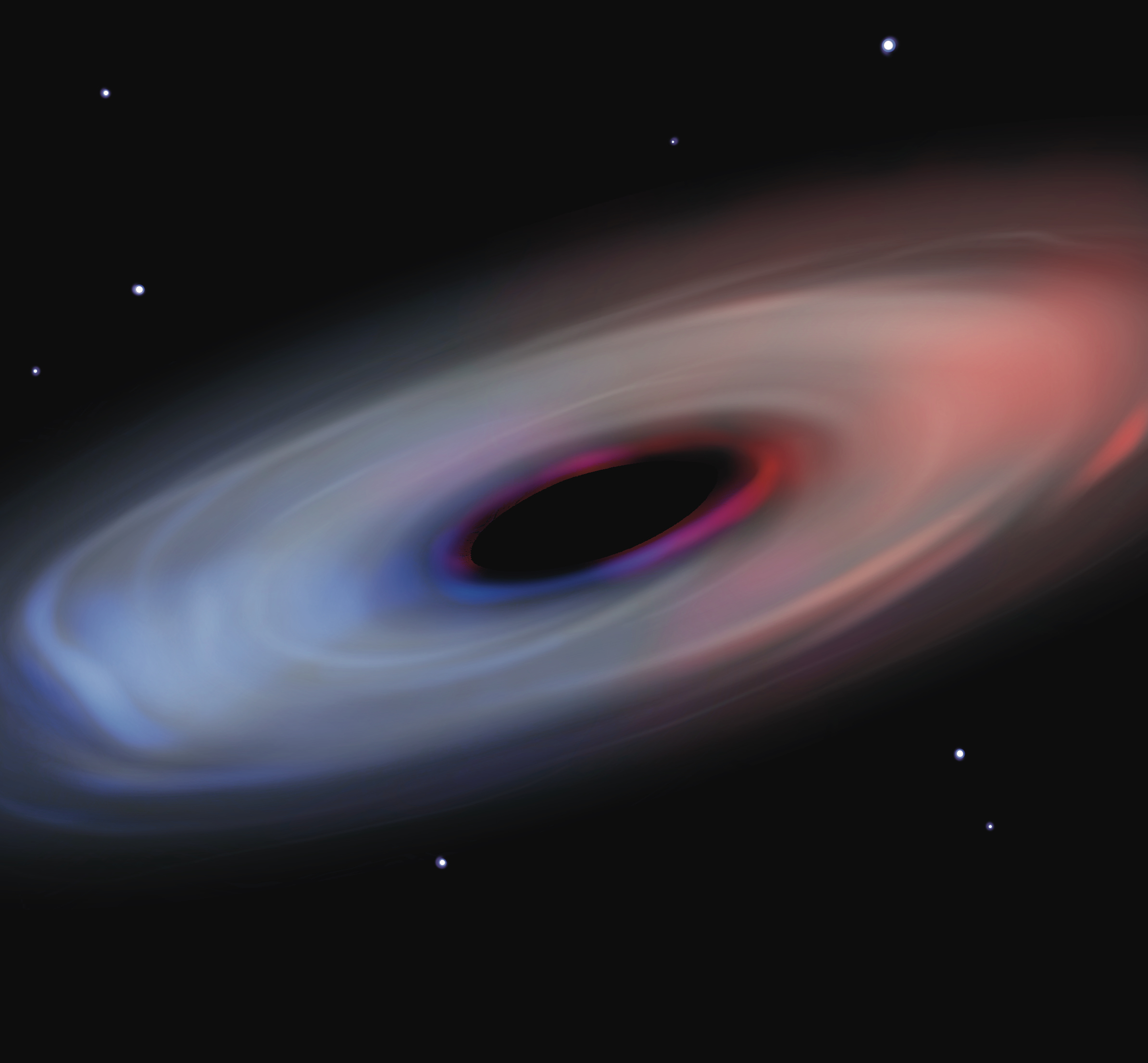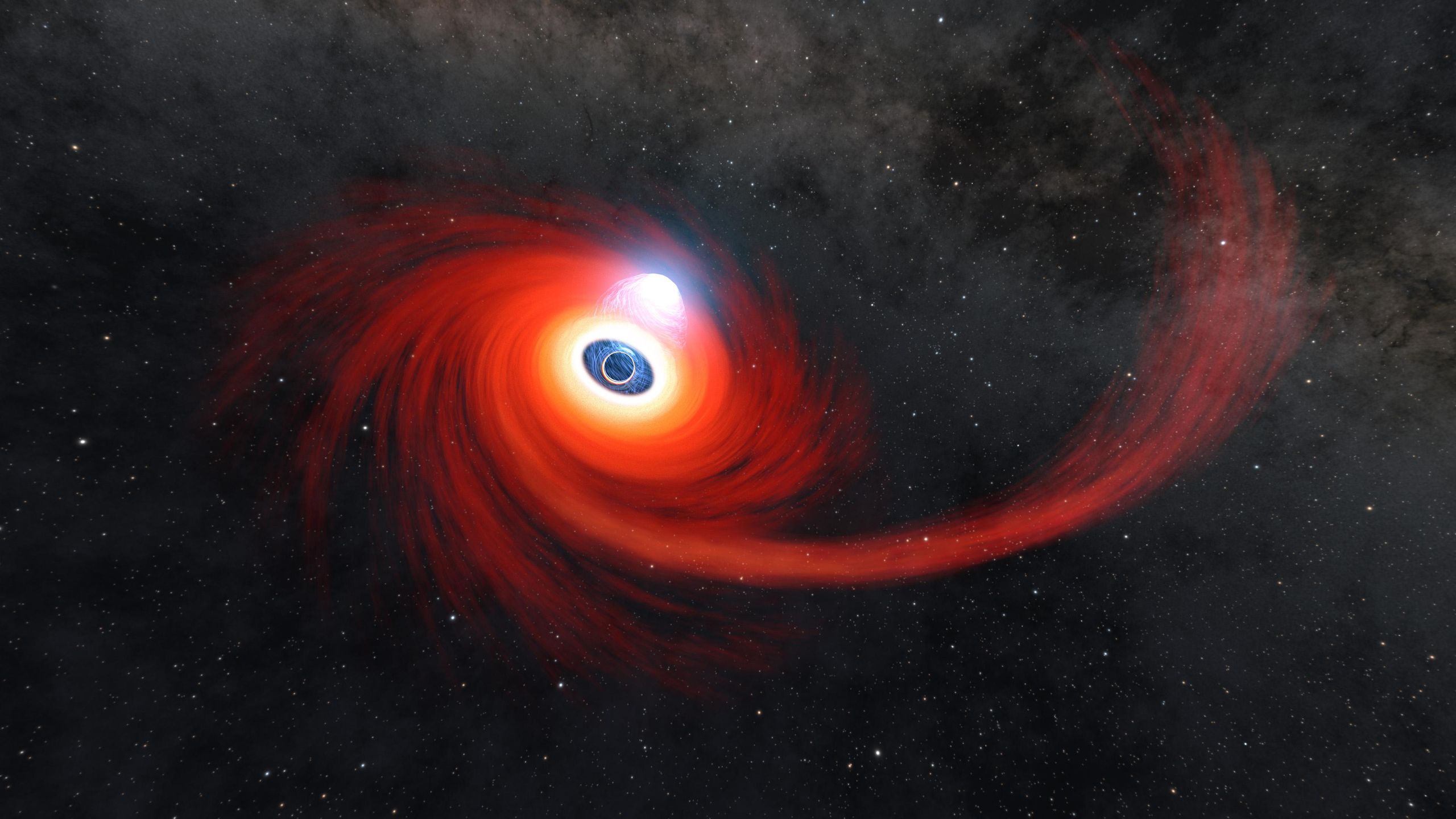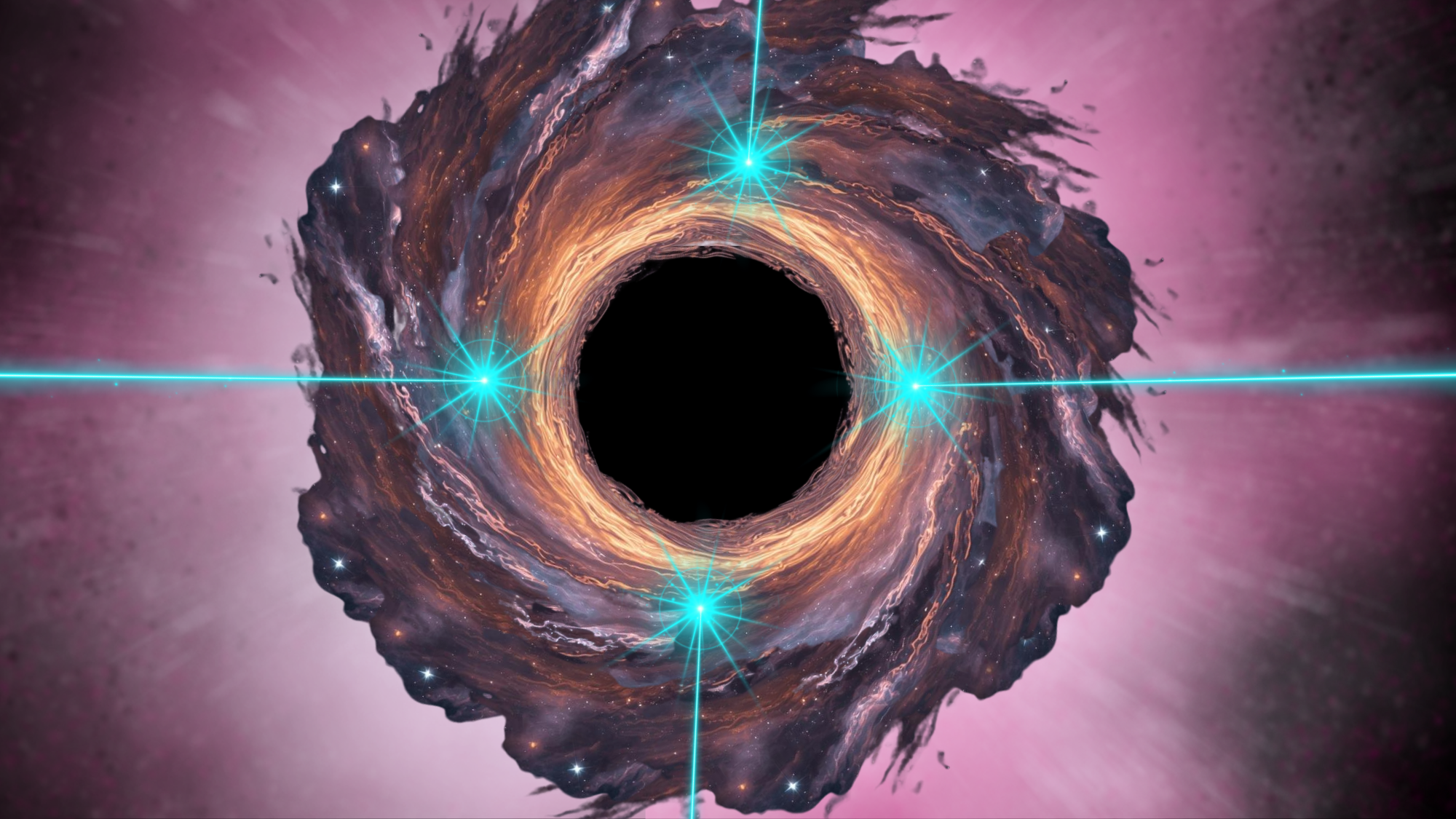
An illustration of a black hole at the heart of a dust cloud blasting out neutrinos.
(Image credit: Robert Lea (created with Canva))
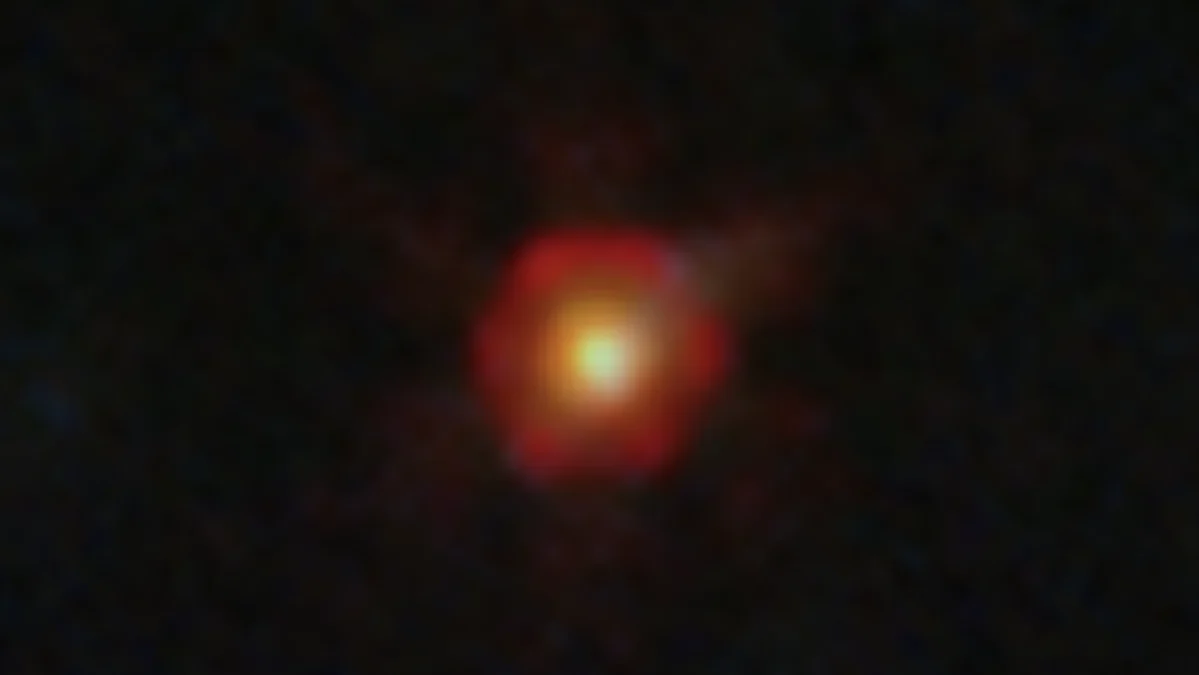
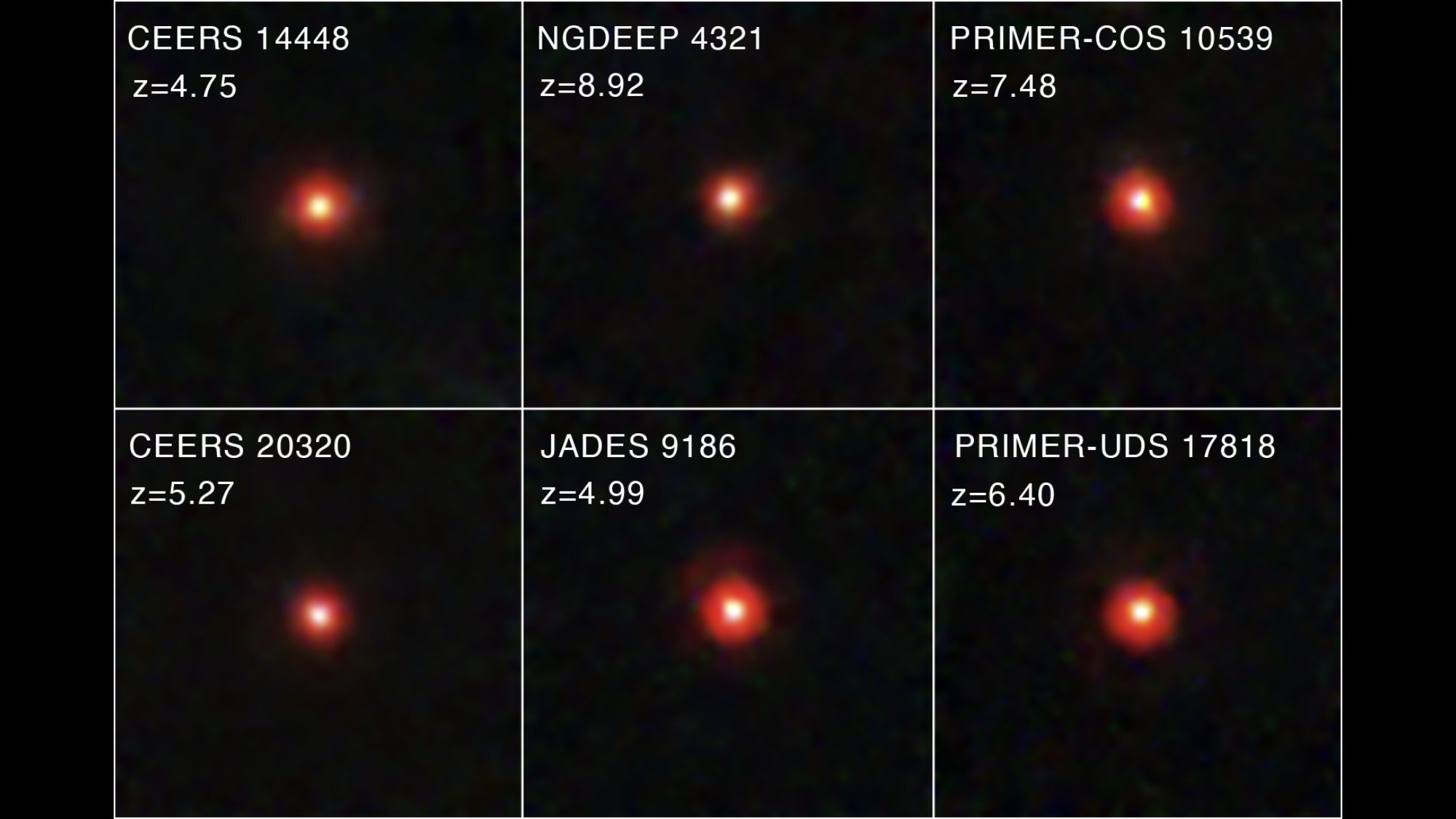
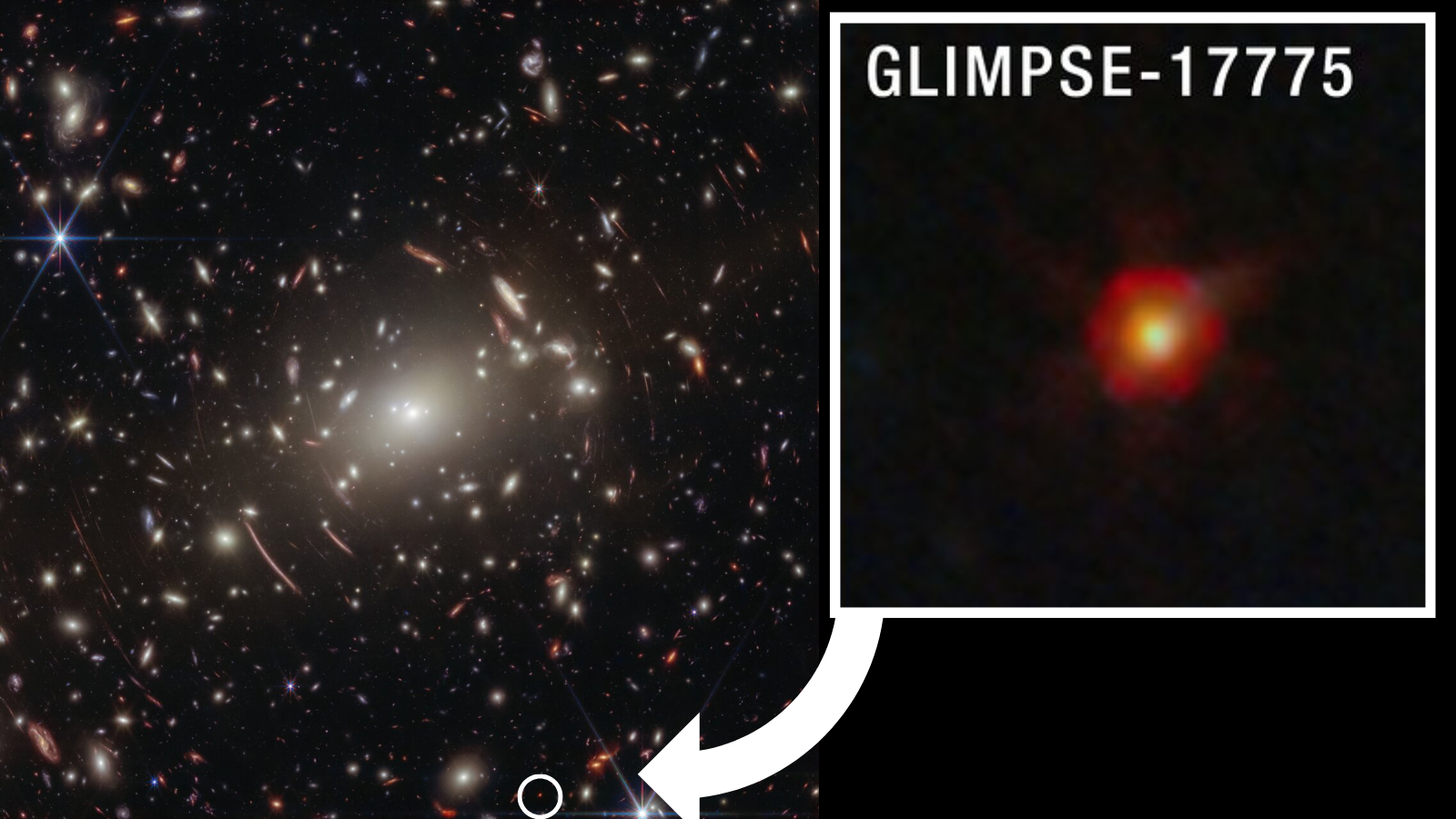
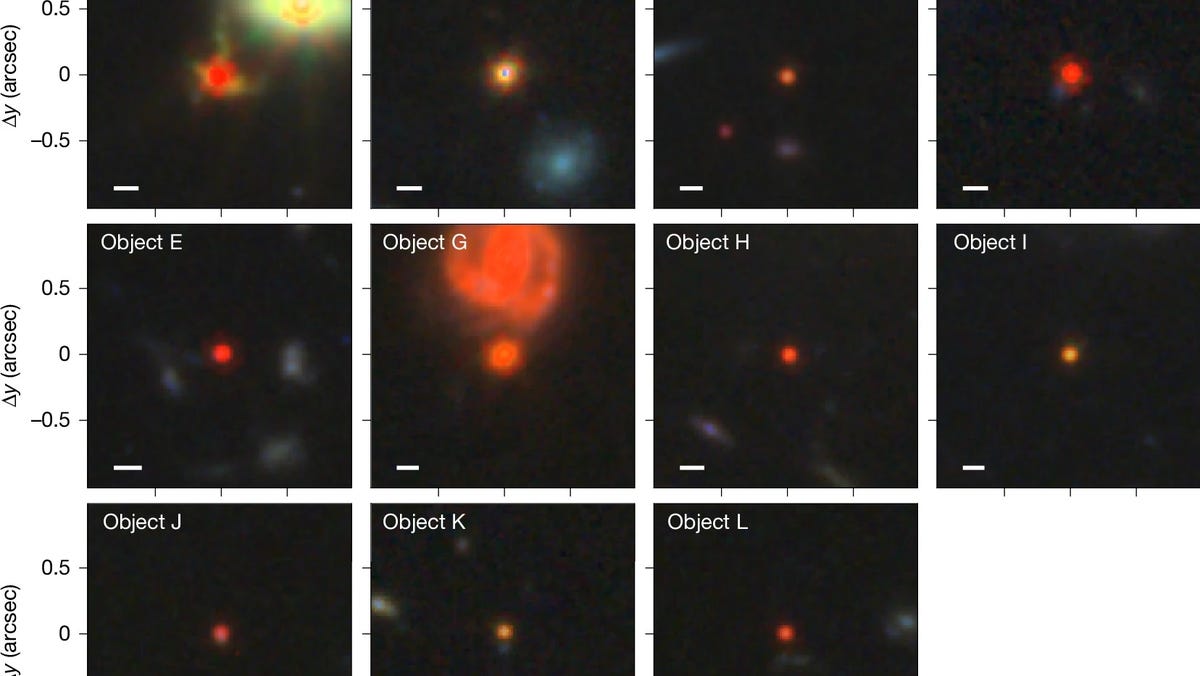
Mysterious "little red dots" discovered in the early universe by the James Webb Space Telescope could harbor buried black holes that fire high-energy cosmic "ghost particles" through the cosmos.Neutrinos are referred to as ghost particles because as chargeless and near-massless particles, hundreds of trillions of them stream through your body every second at nearly the speed of light. Plus, the source of high-energy neutrinos frequently detected on Earth is something of a mystery.And another cosmic mystery is the existence of the "little red dots," which are galaxies that have been discovered by the James Webb Space Telescope (JWST). Though common around 600 million years after the Big Bang, these dots seem to disappear before the universe gets to 2 billion years old. Some researchers have theorized that these curious small galaxies could harbor black holes that are buried in thick shrouds of cosmic dust. If that is the case, then the dots could be a major contributor of high-energy neutrinos, linking these two mysteries.Neutrinos are produced when other particles, such as protons, collide with particles of light, or photons, or with different sorts of matter. This usually occurs in gas-dense environments, but the ghost-like characteristics of neutrinos mean they have little trouble escaping into the universe at large.Usually, the events that create high-energy neutrinos also give rise to high-energy photons called gamma-rays. However, neutrinos are so abundant as the second most common particles in the cosmos that if all sources of neutrinos also created gamma-rays, the gamma-ray background of our universe should be much greater than it actually is.That means some sources of high-energy neutrinos must be located in environments from which gamma-rays can't readily escape — and that's where the little red dots enter the picture. These curious objects display very little emission associated with galactic jets or other outflows. This led this team to assume that the lack of these emissions, which should come in the form of X-rays and radio waves, is because the black holes and associated jets in Little Red Dots are buried in dense halos of dust and gas.