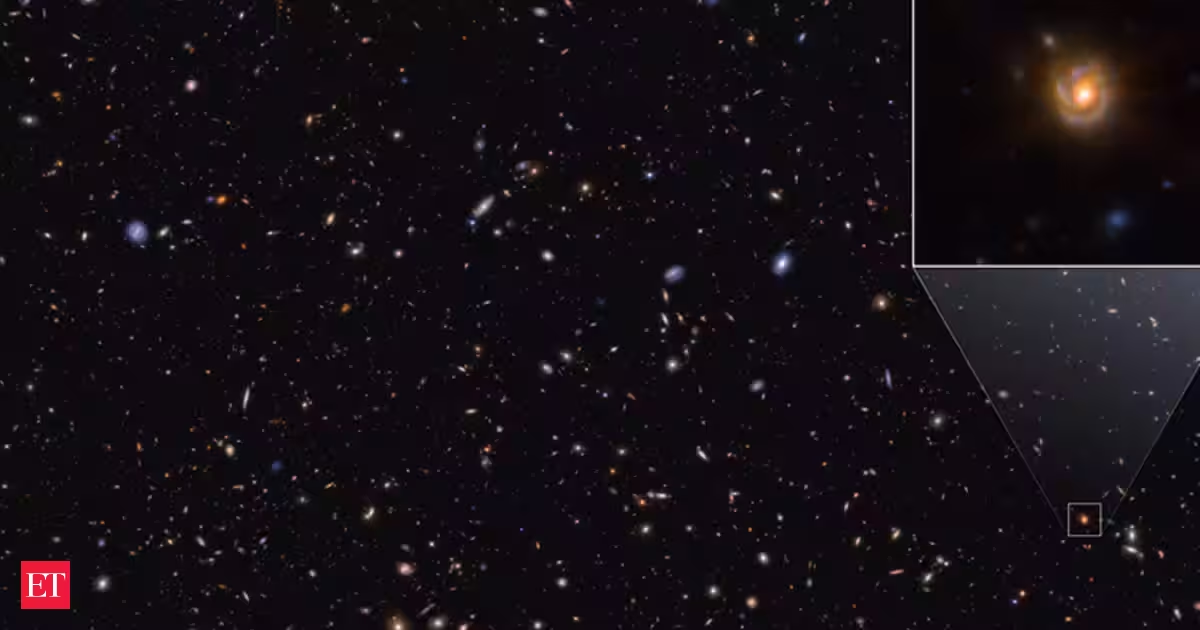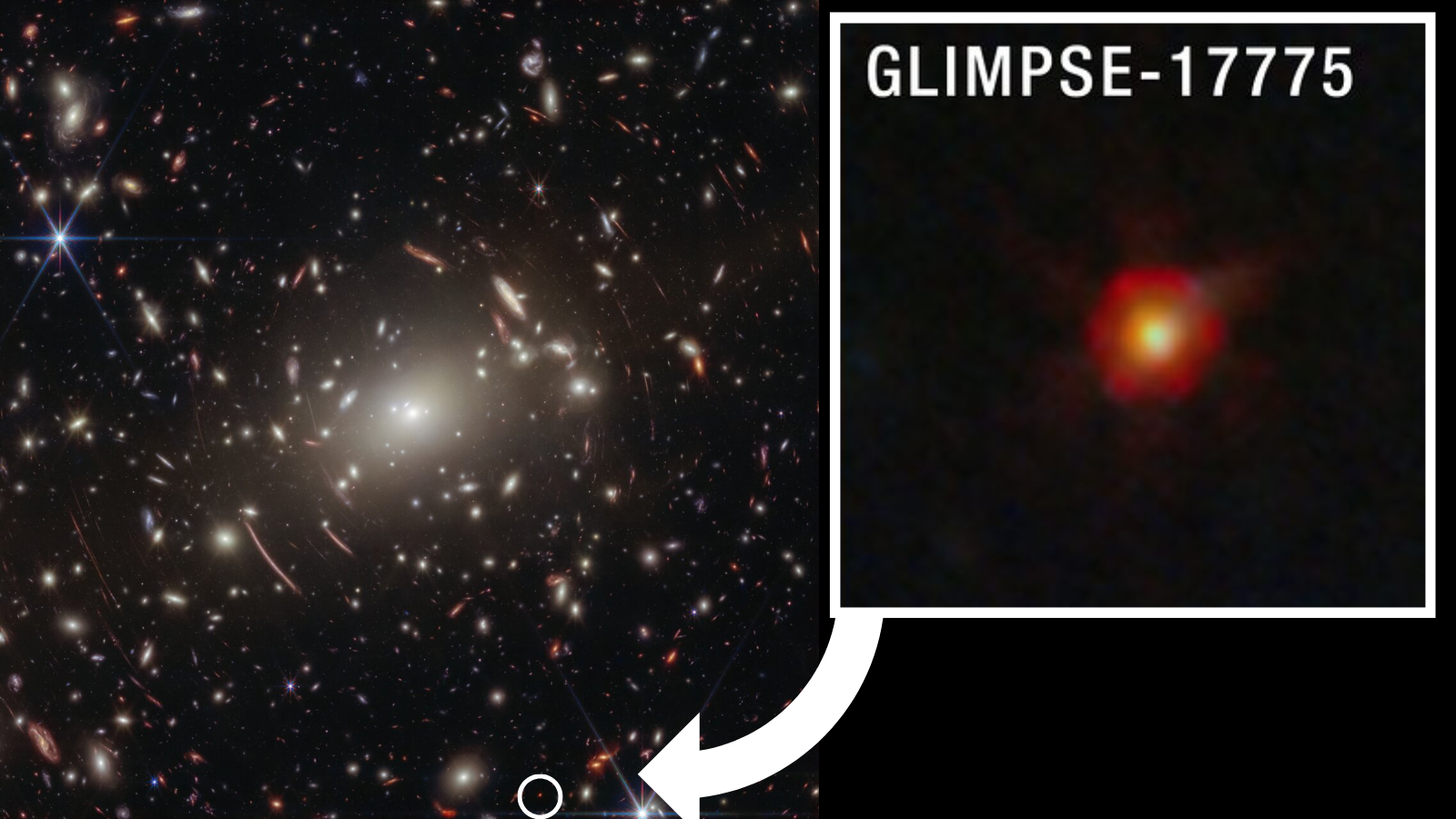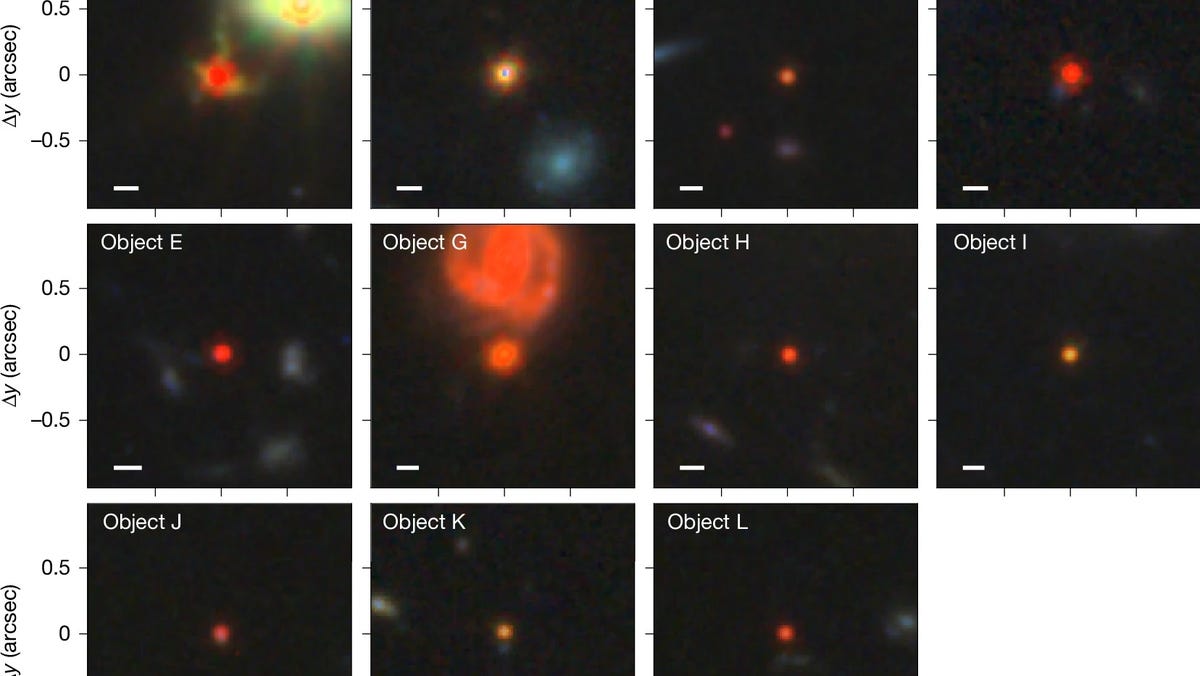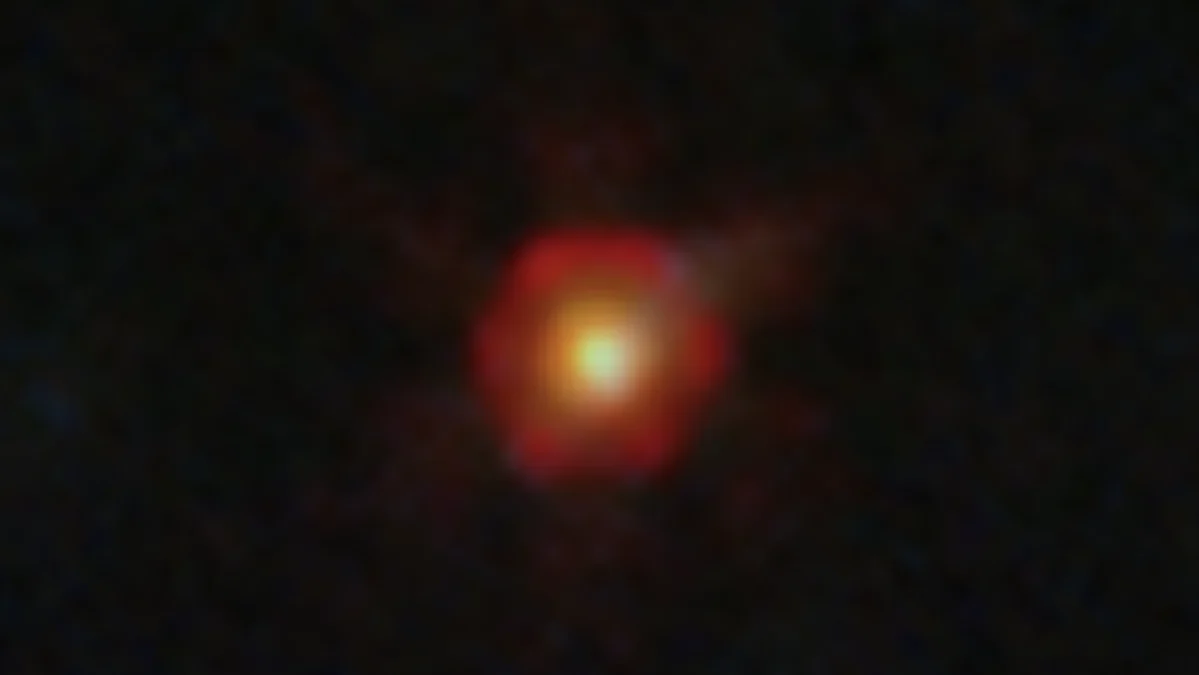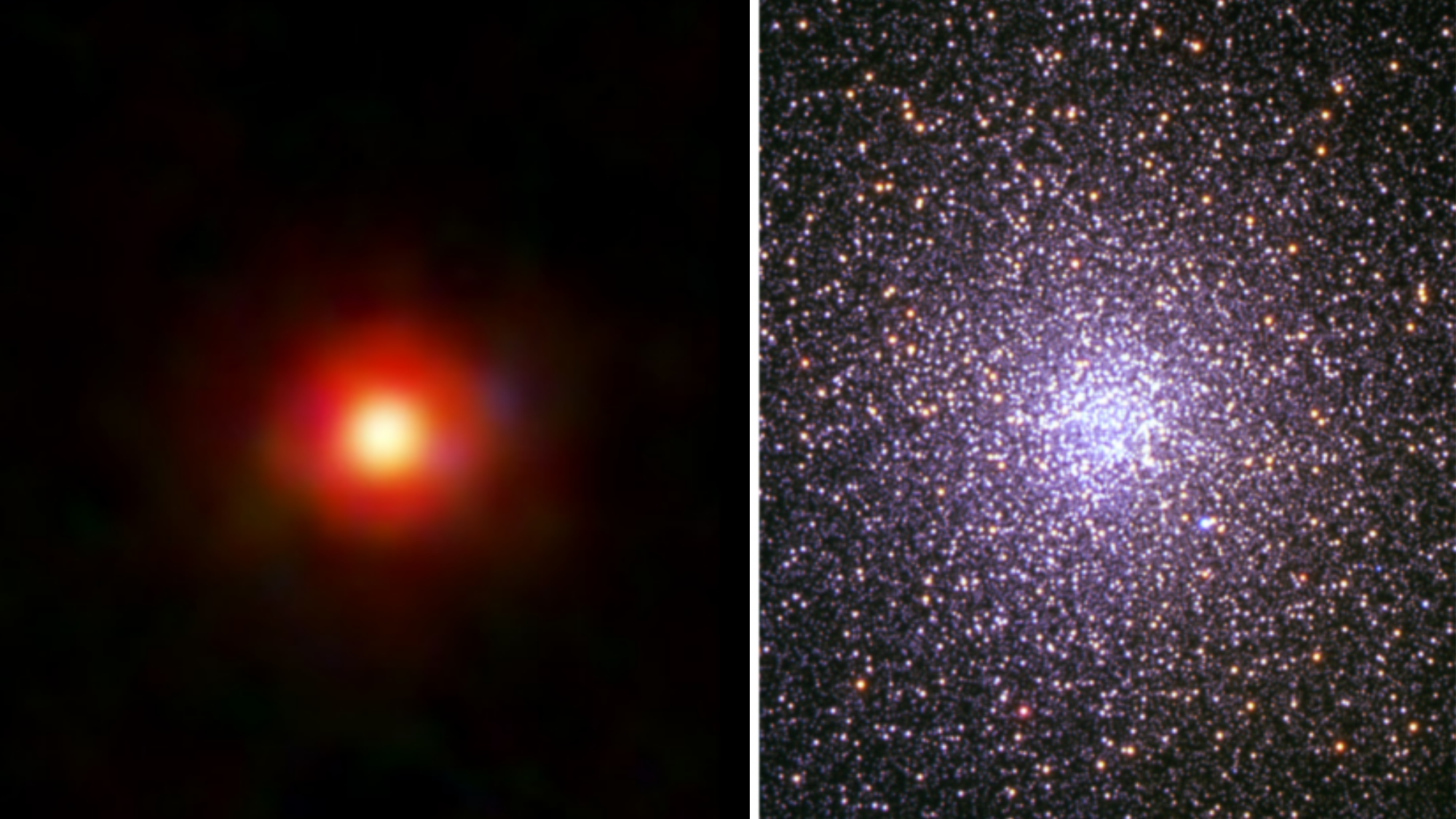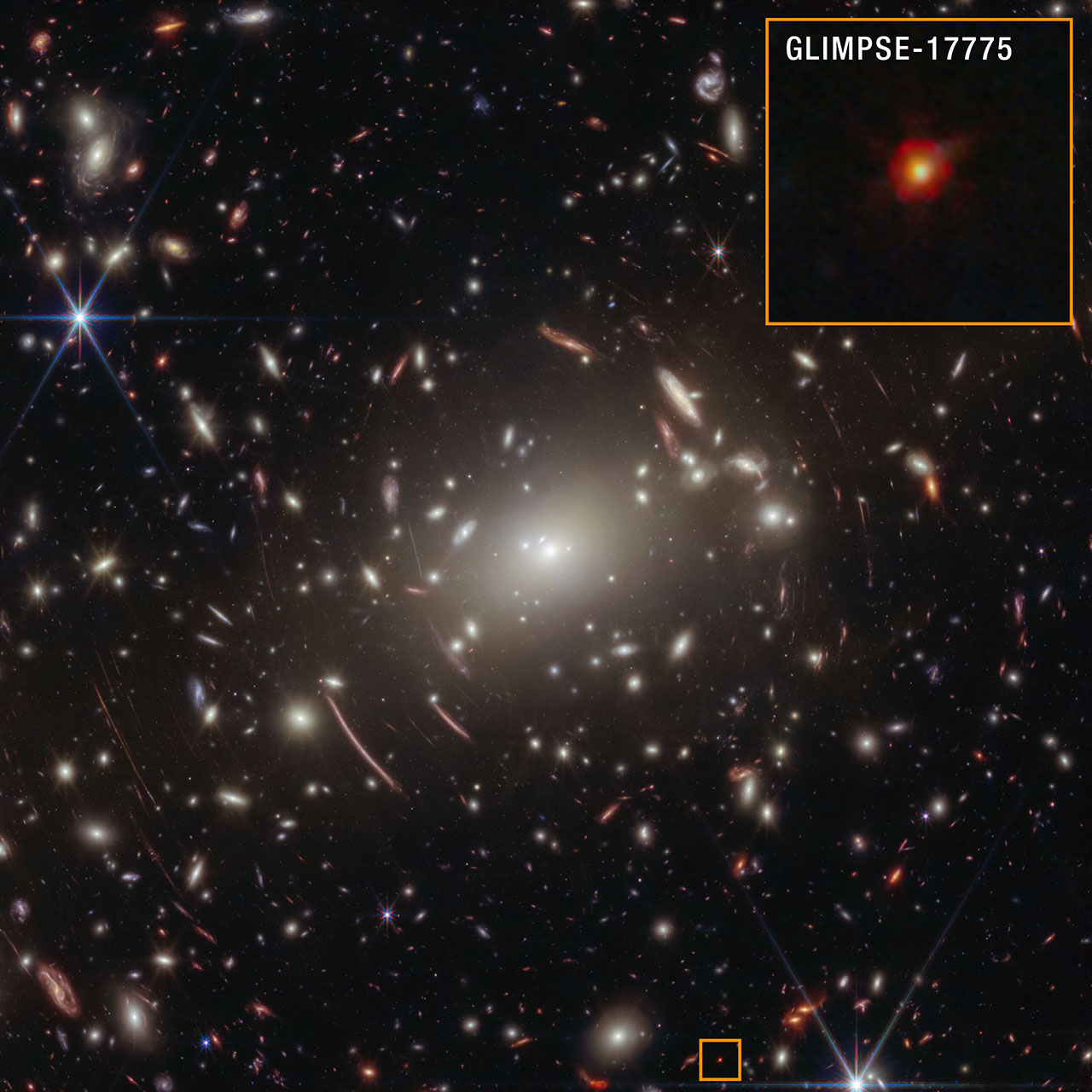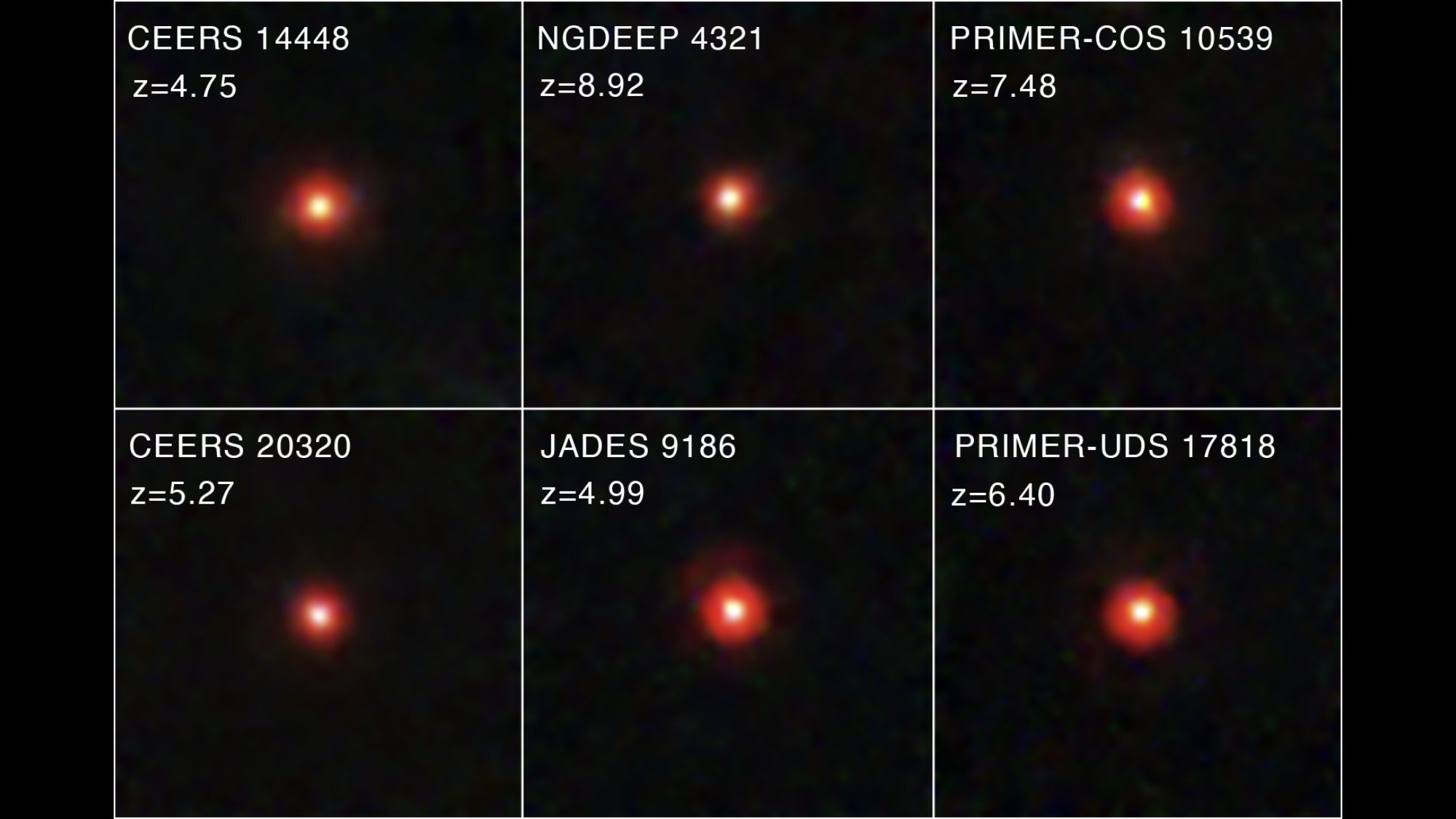
Little red objects found by the James Webb Space Telescope. The "z" values correspond to redshifts of the dots, or where they're located in the universe.
(Image credit: NASA, ESA, CSA, STScI, Dale Kocevski (Colby College))
New evidence has come to light showing that the mysterious 'little red dots' discovered in the early universe by the James Webb Space Telescope could evolve into the active centers of fully formed galaxies."Everything created in the early universe must evolve into something around us," said George Rieke of the University of Arizona in a statement. "We have had little idea of what little red dots become, but these results finally show us how to find their progeny."Discovered by the James Webb Space Telescope (JWST) almost as soon as it became operational in 2022, little red dots have been a perplexing cosmological mystery. As their name suggests, they appear small, red and surprisingly bright. They are mostly found at redshift values suggesting they existed between 13.2 and 12.2 billion years ago. To shine so brightly at such great distances would usually imply these objects are quasars — which are luminous nuclei of galaxies powered by active supermassive black holes — but the light coming from little red dots is more like that of bloated stars. It looks to be mostly in infrared with some ultraviolet, and none of the X-rays that one would expect from an active black hole chomping down on material.As such, researchers have come up with the hypothesis that little red dots are "black hole stars," or vast clouds of gas heated from within by a concealed but growing supermassive black hole.However, the population of little red dots drops off a cliff at redshifts equating to less than 12 billion years ago. Where did they all go? There are two options. Either they all died off, or they developed into objects more familiar to us.One recent hypothesis is that little red dots turned into large globular clusters. And now, an alternative possibility has come along.A team led by Pierluigi Rinaldi, who was at the University of Arizona's Steward Observatory when conducting this research but is now at the Space Telescope Science Institute (STScI) in Baltimore, think it has identified a descendent of a little red dot. It appears to be in the form of a distant galaxy, catalogued as WISEA J123635.56+621424.2, which is found at a redshift of 2, meaning that we see it as it was 10.5 billion years ago.The galaxy displays neat spiral arms around a red core. Rinaldi's team have nicknamed it the Saguaro, after a species of cactus native to the Sonoran desert in the United States' south-west, thanks to the galaxy's arms and how its core resembles the red fruit produced by the cactus.