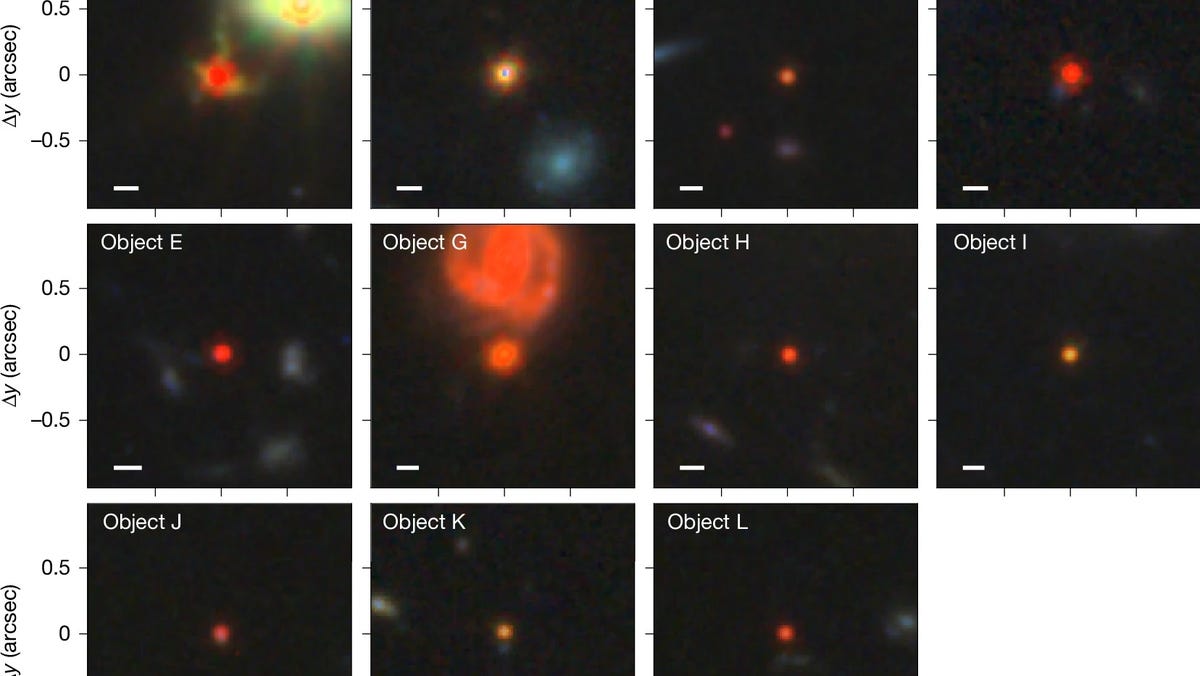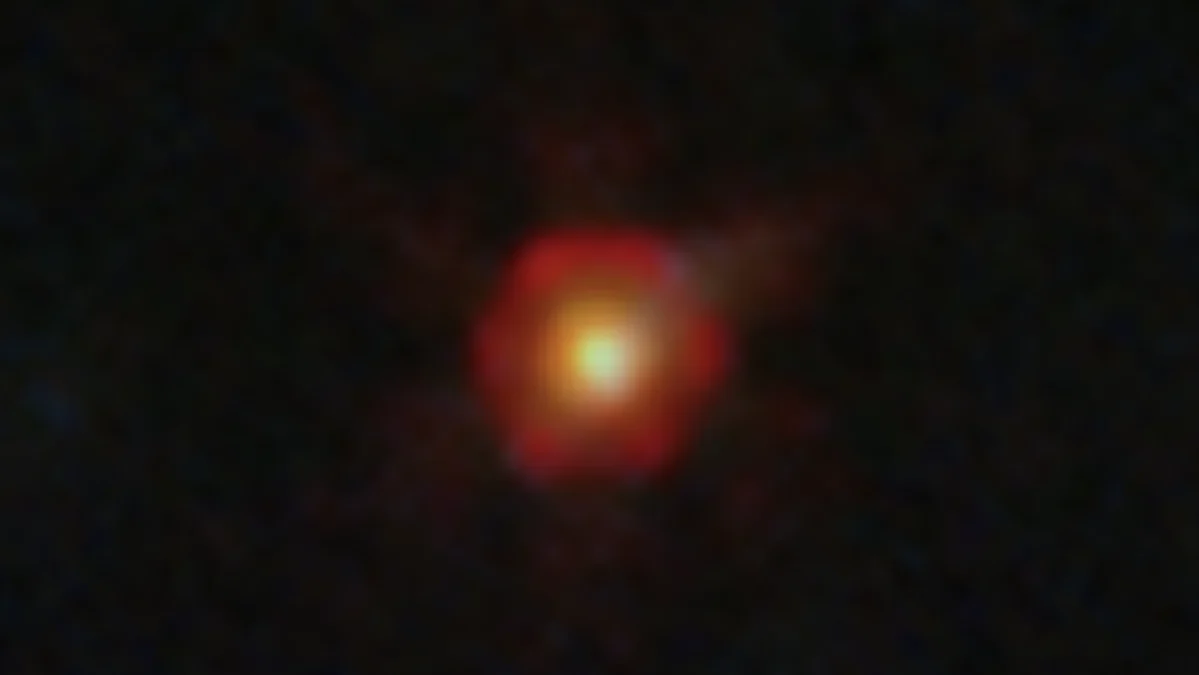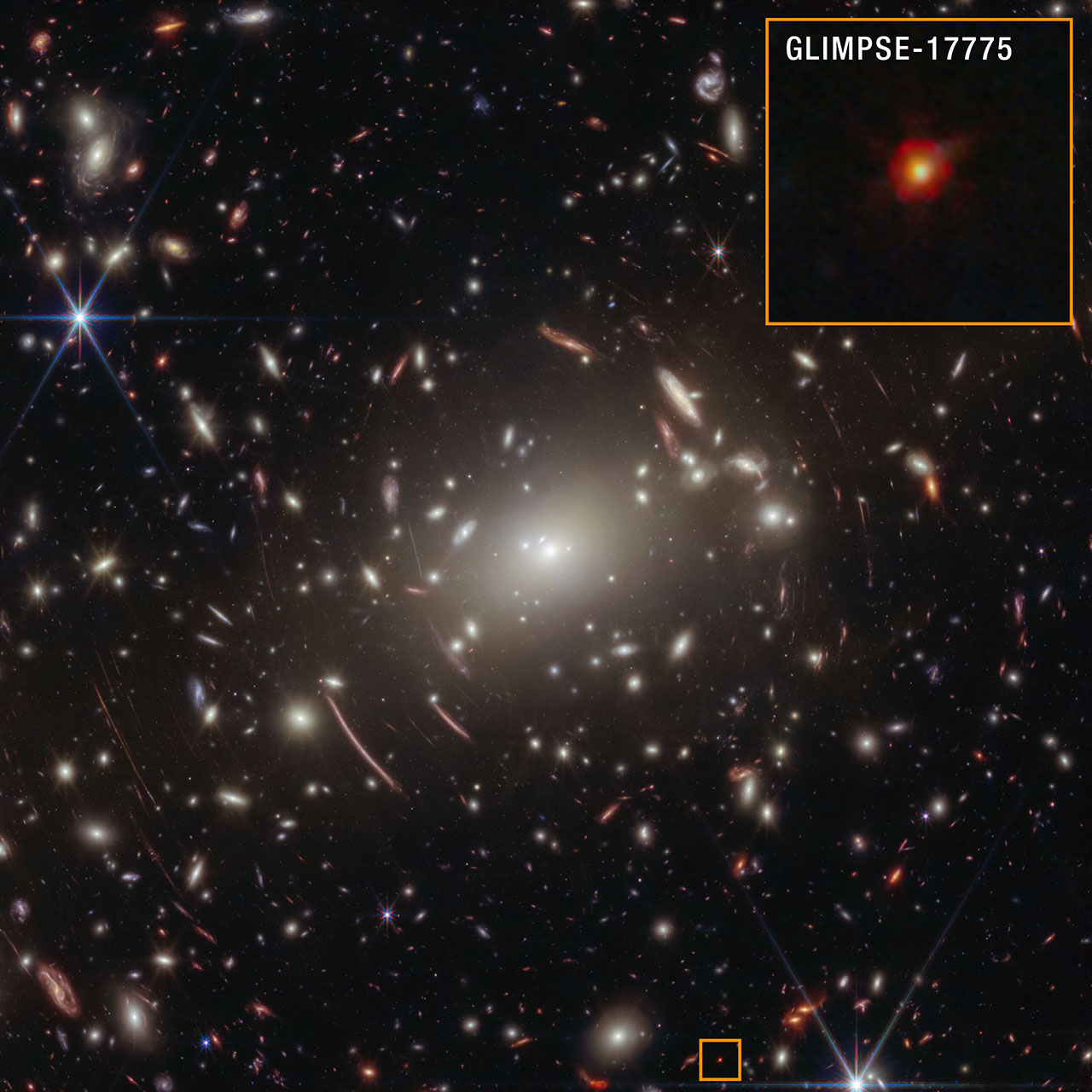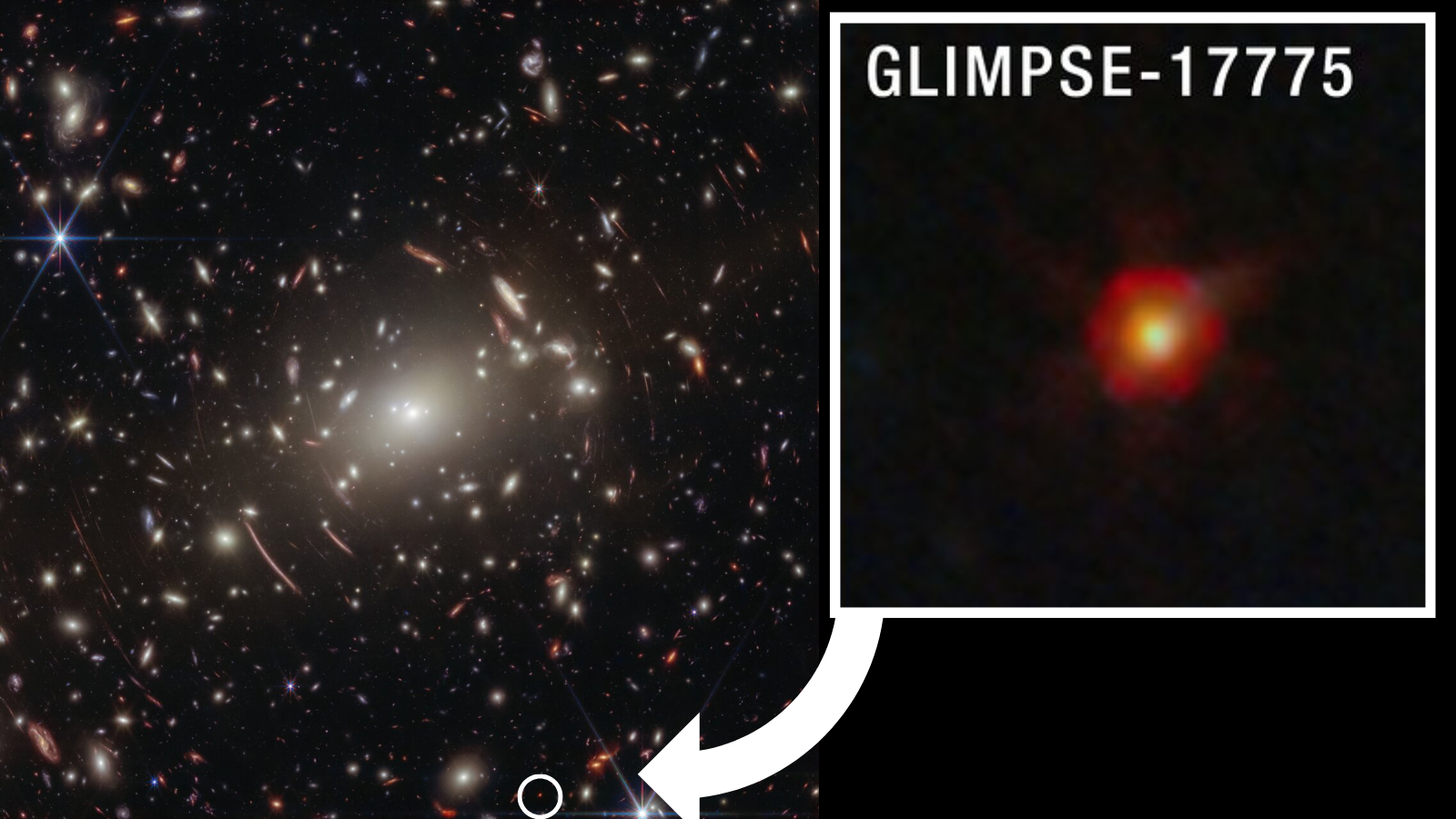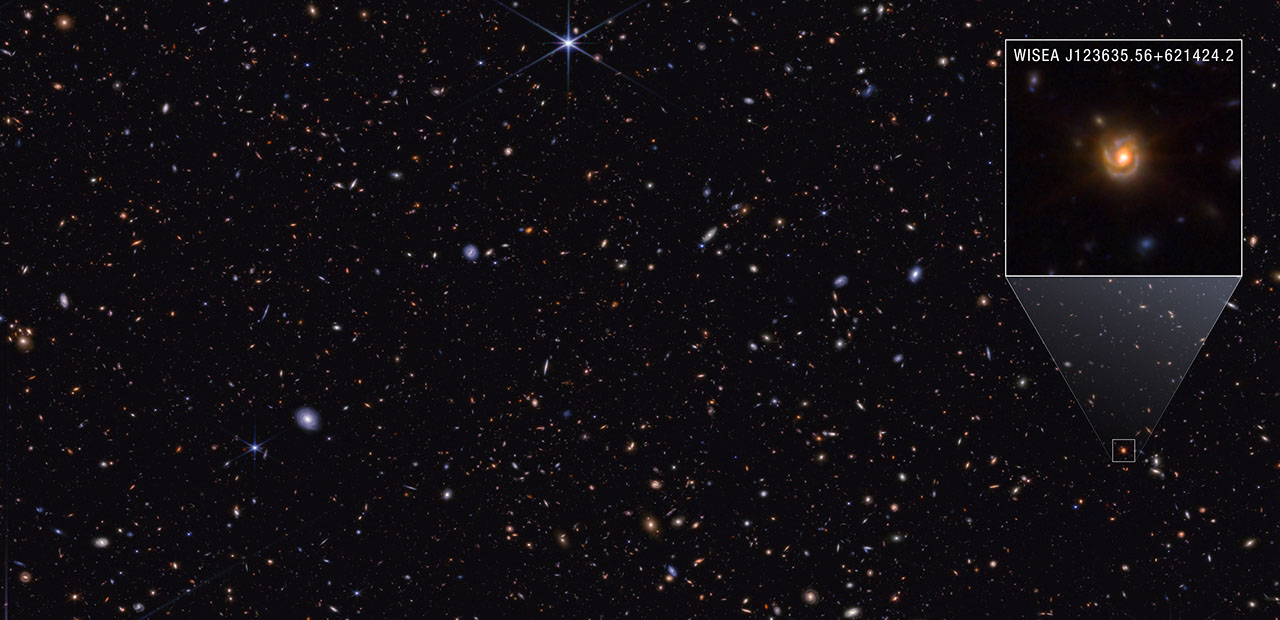
Since their discovery by NASA’s James Webb Space Telescope in 2022, little red dots (LRDs) have been the subject of great interest to astronomers. Understanding the nature of these extremely distant, compact red sources has been a puzzling scientific endeavor.
One popular theory is that little red dots are supermassive black holes known as active galactic nuclei, although they display characteristics unlike nearby active galactic nuclei. While they appear abundant at high redshift early in the universe, they rapidly decrease in number at lower redshifts. (The higher the redshift, the greater the distance the light has traveled across the universe.) This perplexing shift in number raises the question: What happens to little red dots as the universe matures?
A team of researchers led by Pierluigi Rinaldi of the University of Arizona’s Steward Observatory, now at the Space Telescope Science Institute (STScI) in Baltimore, has built upon their previous research in a new study published on July 29 in The Astrophysical Journal and proposed one pathway LRDs can follow as the universe ages: Though they may look like a unique galaxy population, these dots are affected by observational bias — some features just don’t appear at higher redshifts with current technology.