Skip to content
Star lite
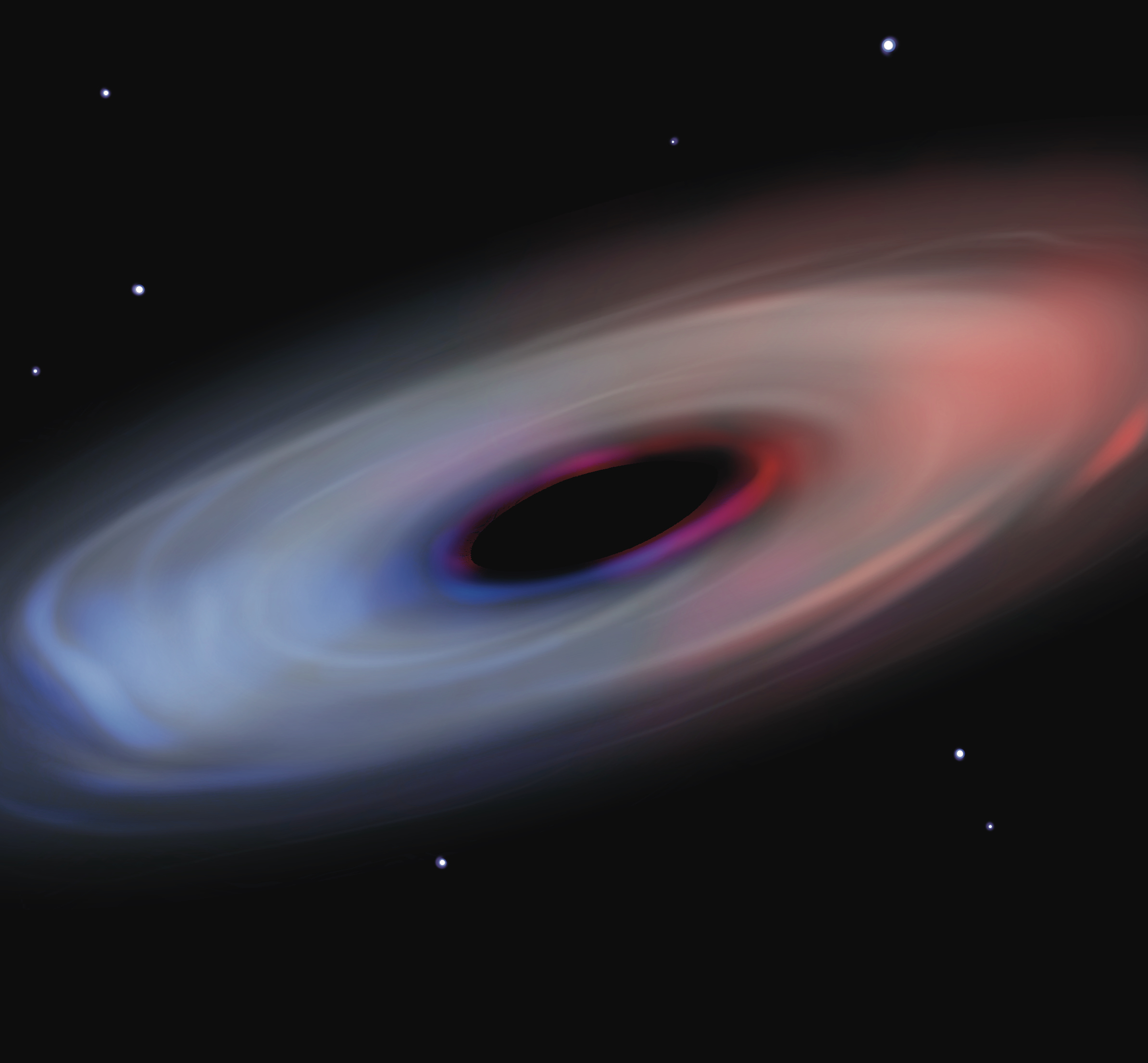
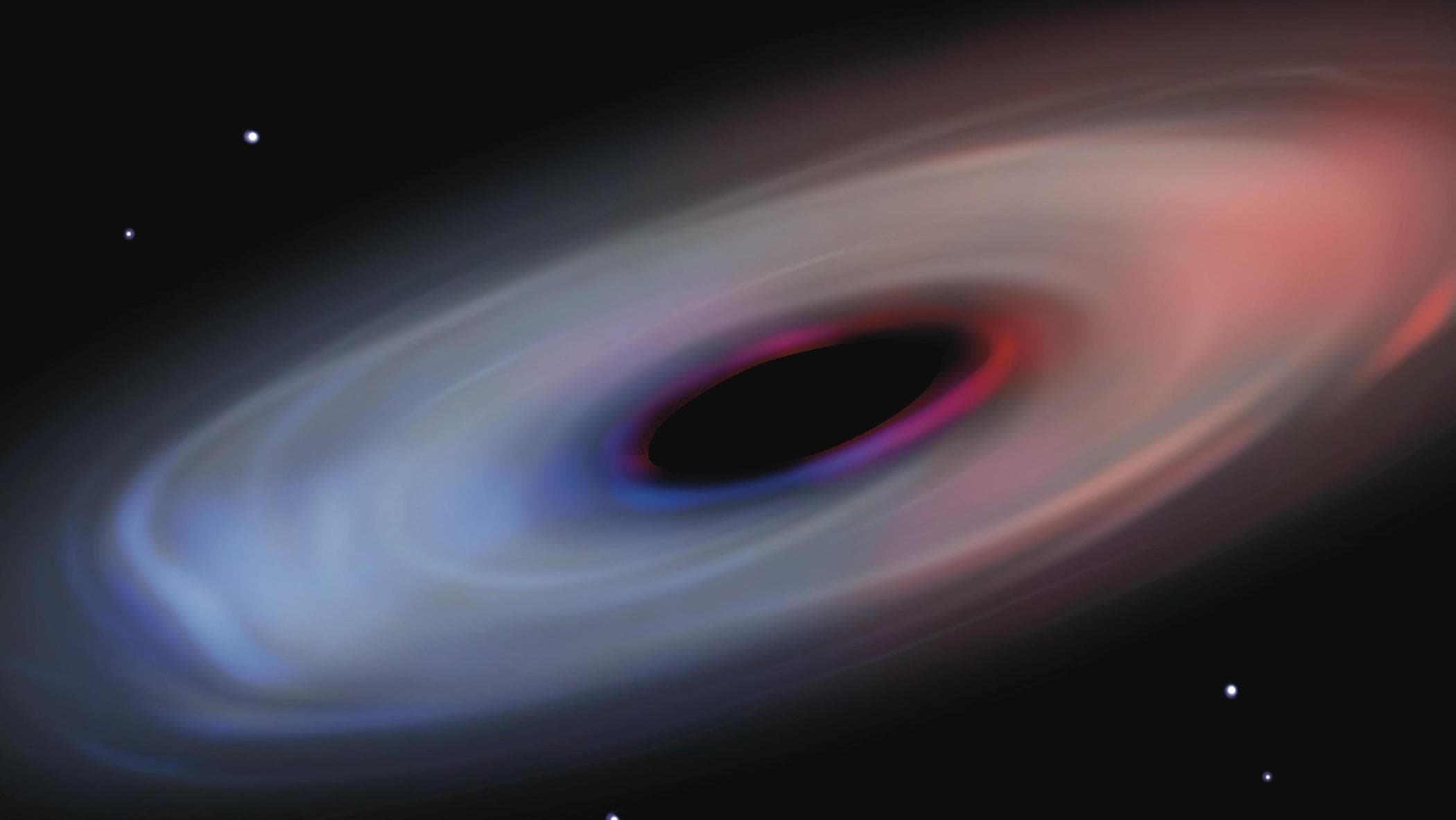
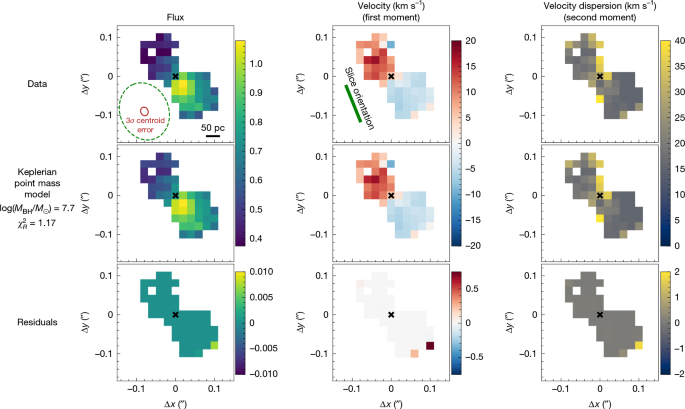
The black hole accounts for over two-thirds the mass of the object it inhabits.
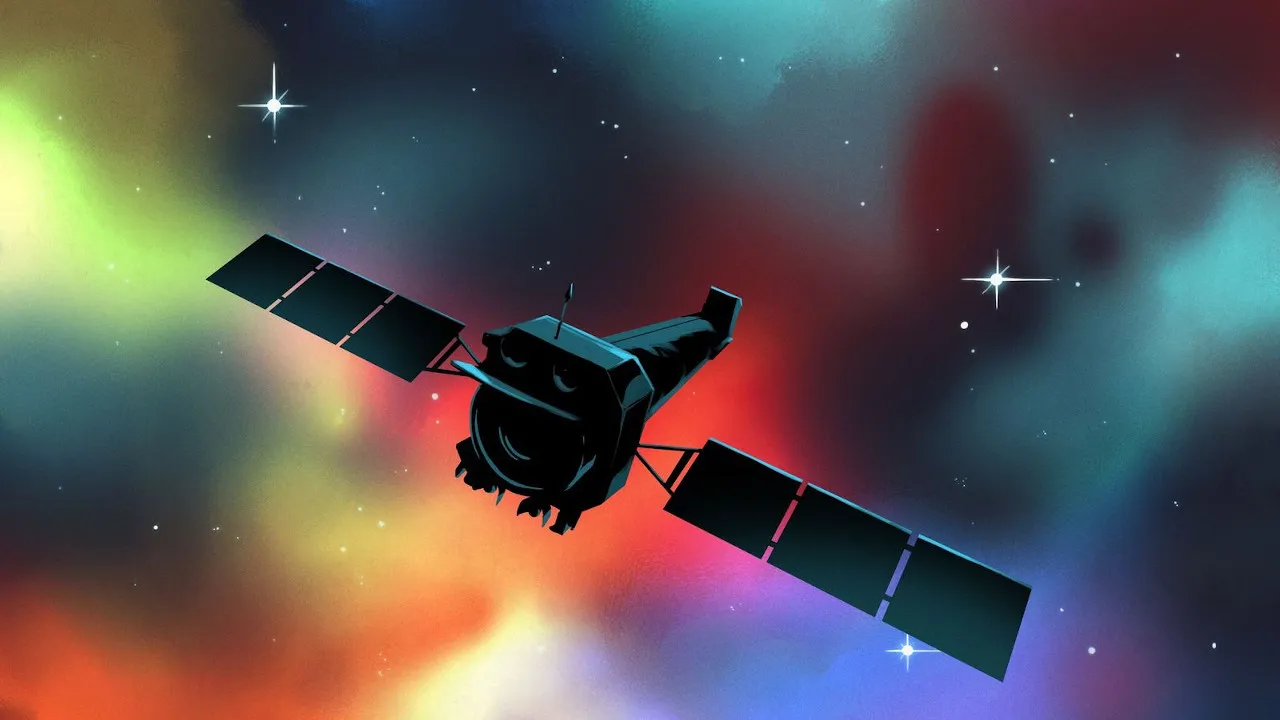
The James Webb Space Telescope (JWST) was designed to give us the ability to look at one of the earliest periods in the evolution of the Universe, a time when some of the earliest stars were putting out enough light to ionize the hydrogen that accounted for almost all of the normal matter present at the time. There were lots of ideas about what we might see, but the Universe is full of surprises.
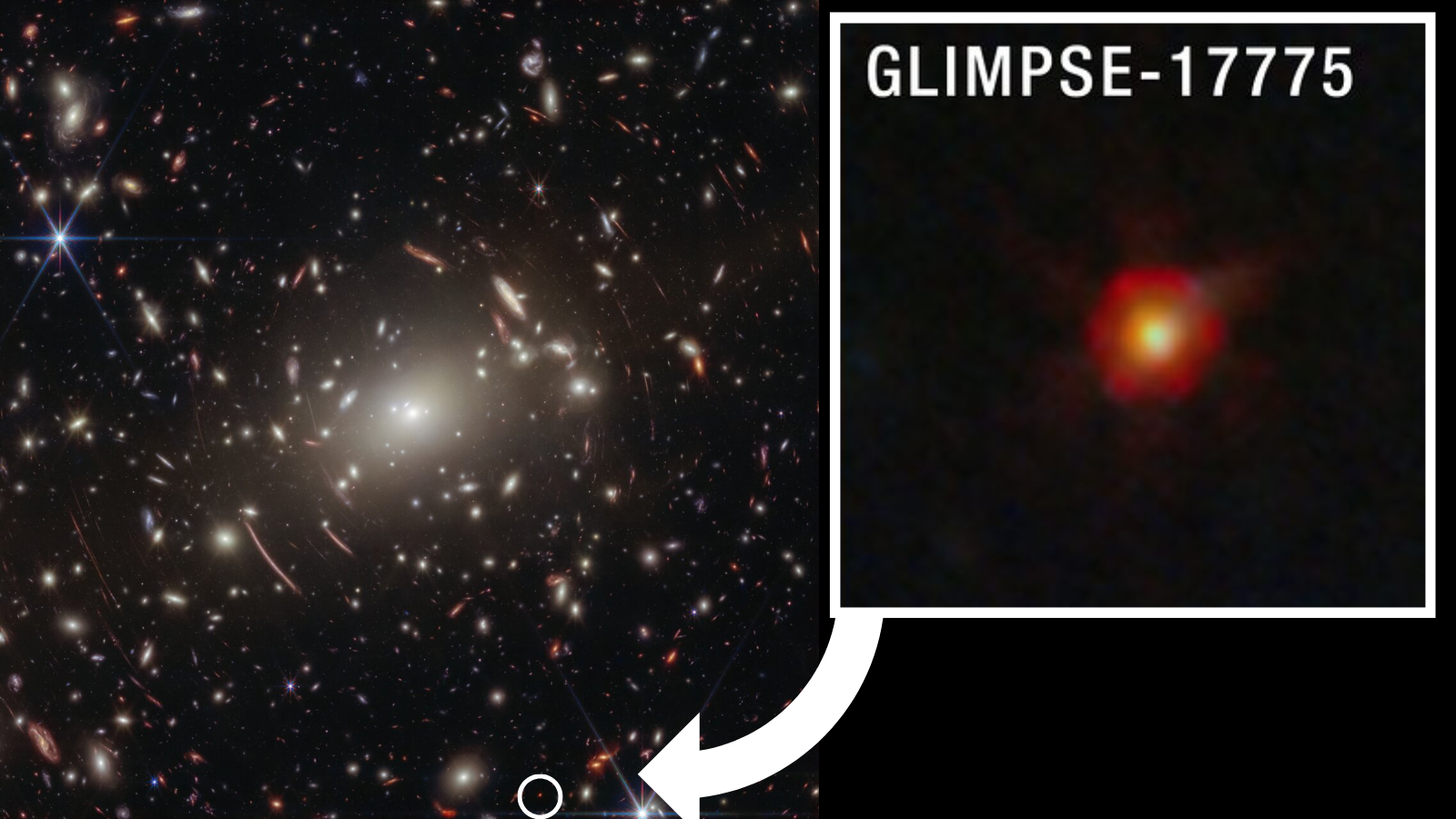
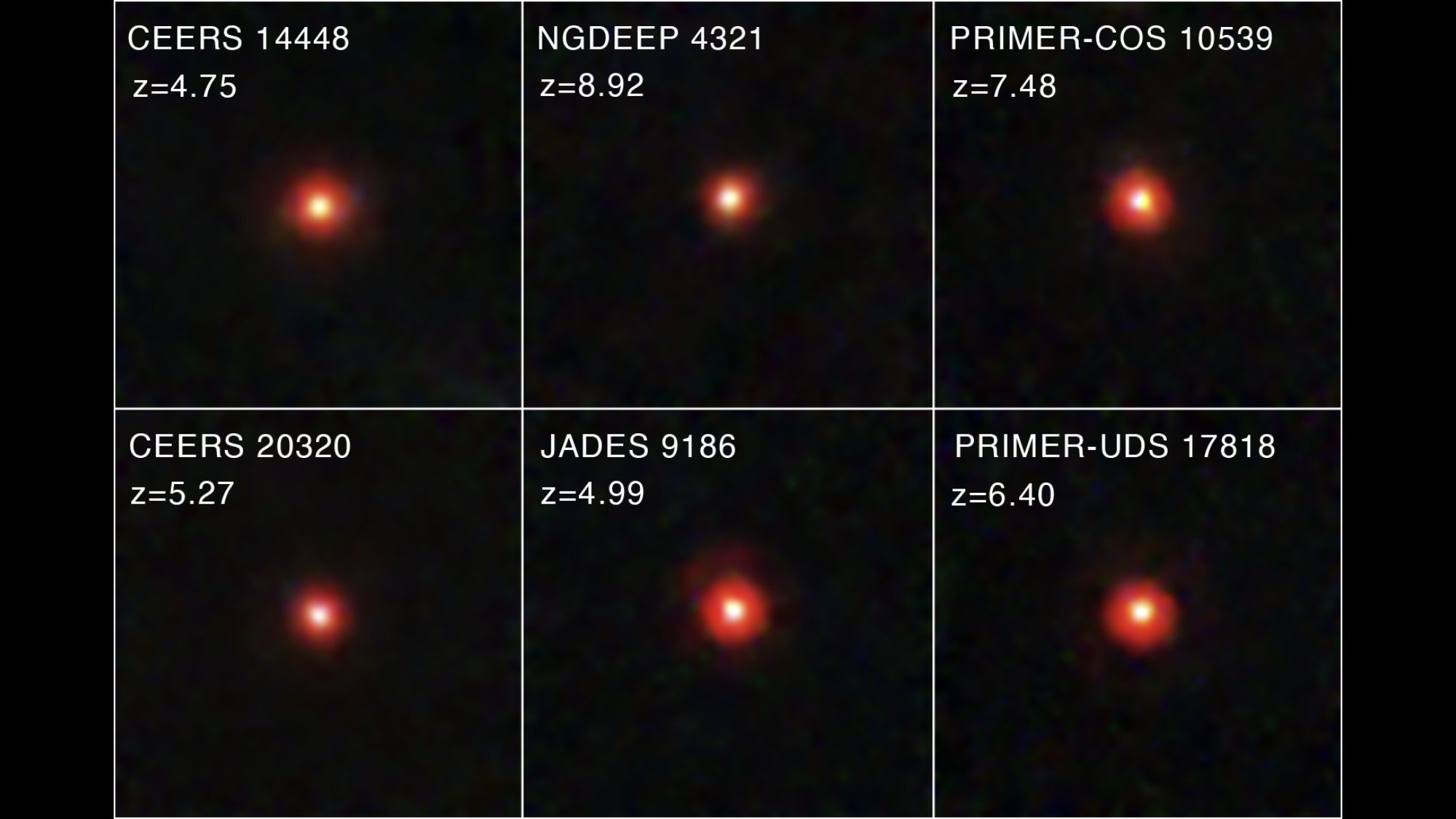
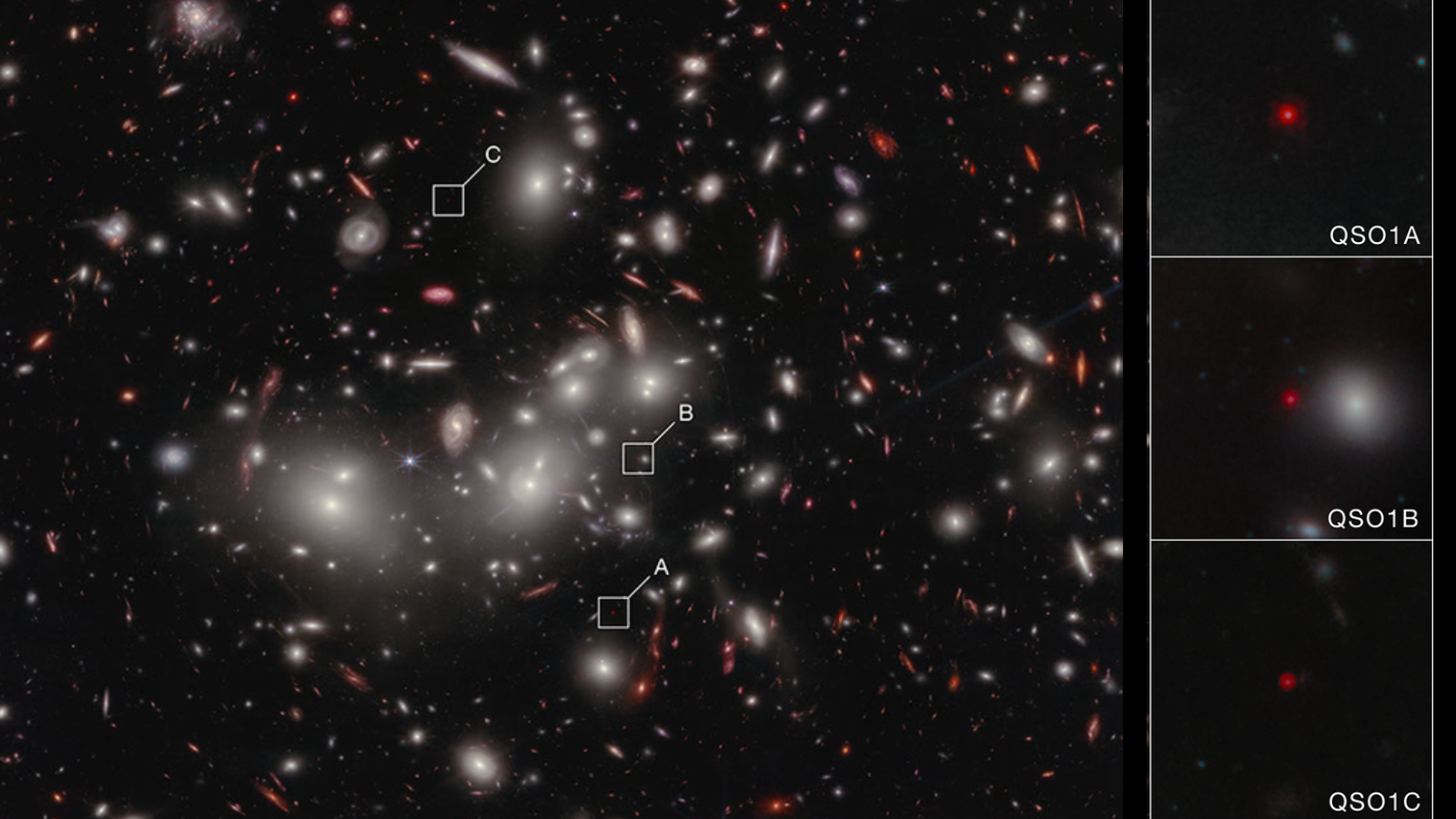
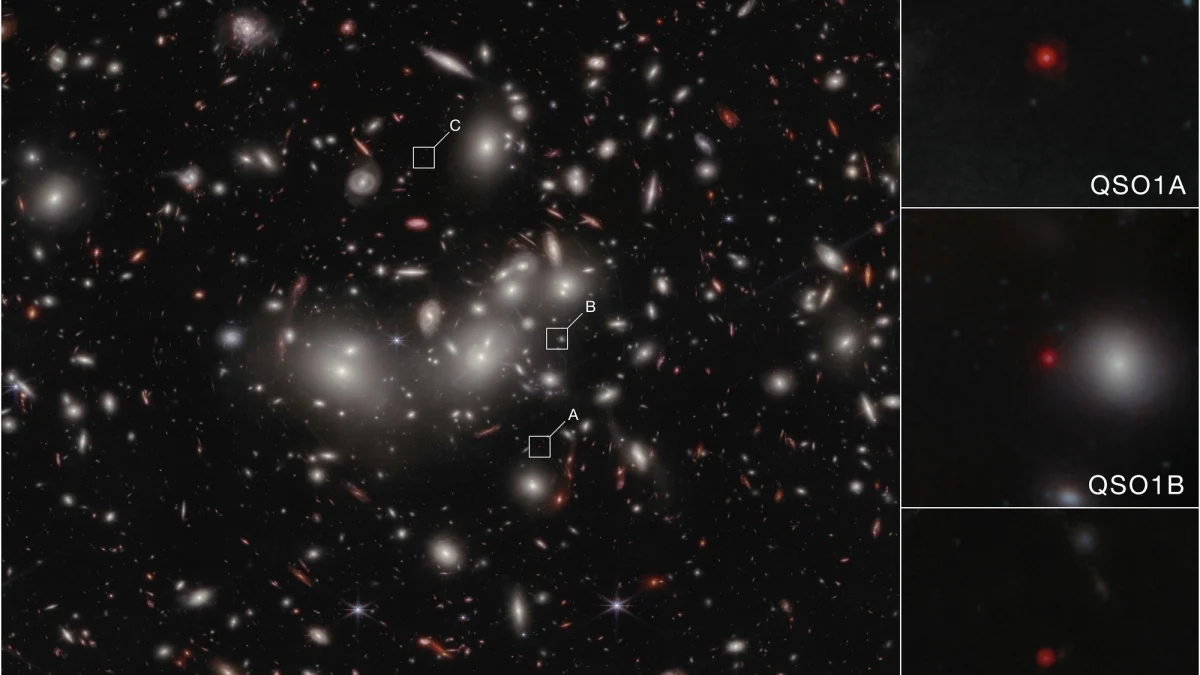
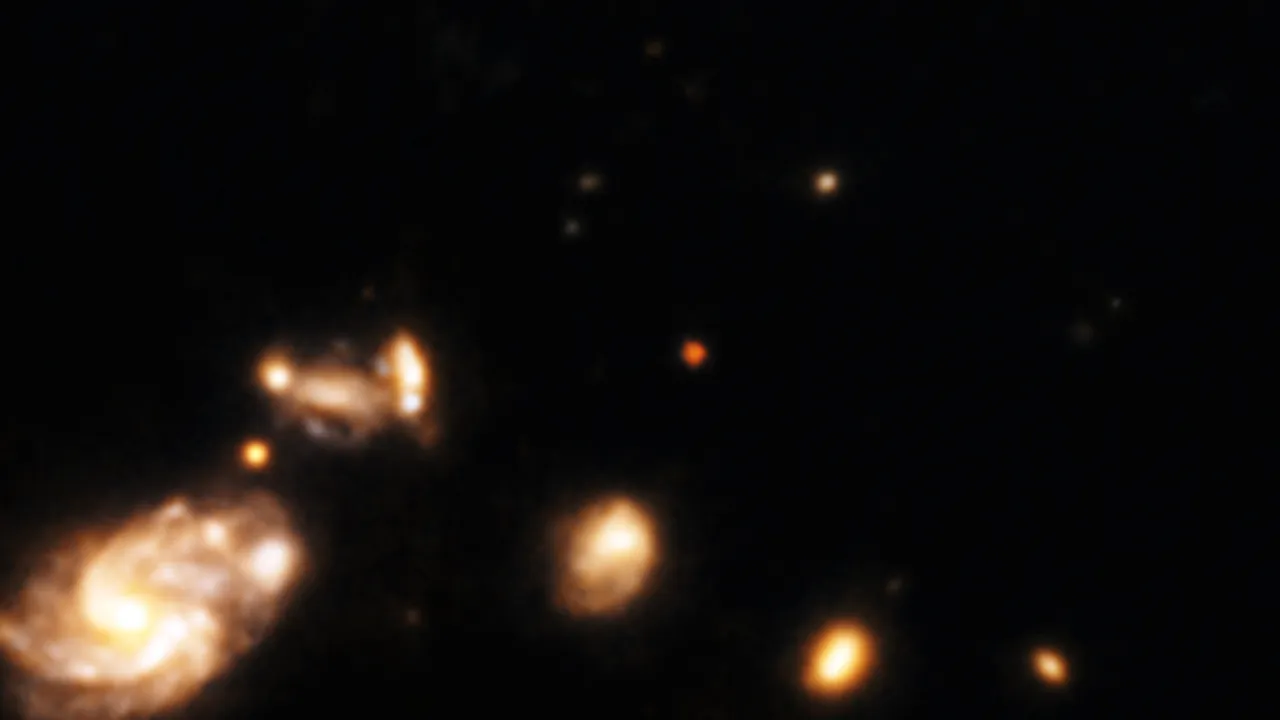
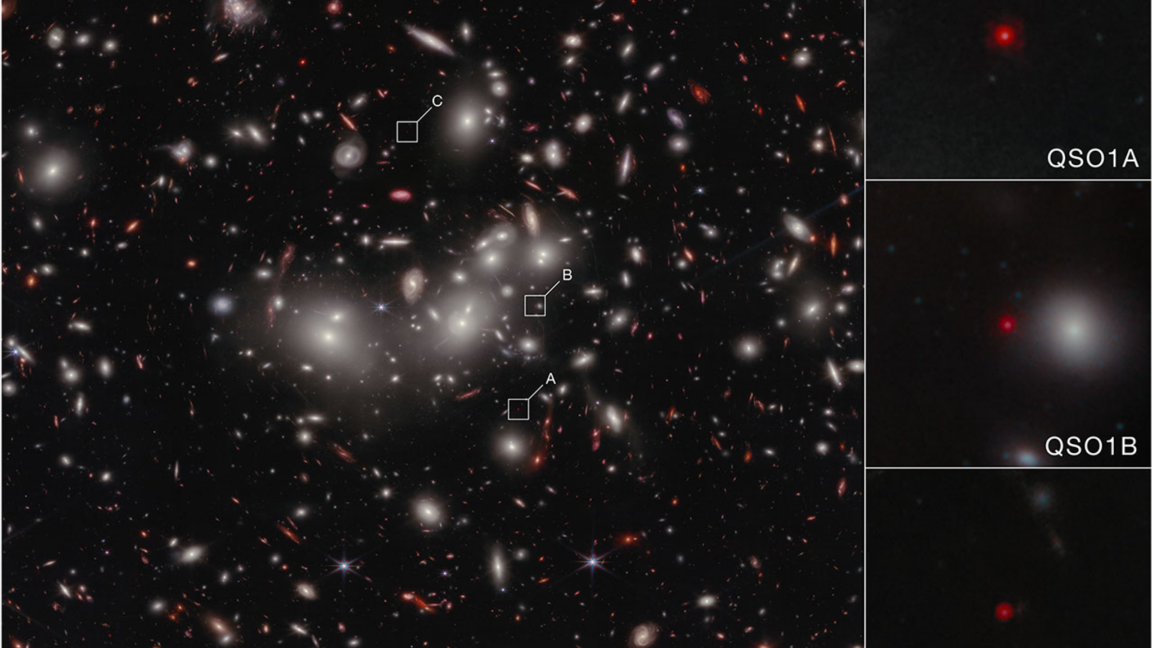
One of the first surprises was the existence of what picked up the moniker “little red dots,” which are exactly what their name suggests. After some initial arguments, it became clear that these were early versions of the supermassive black holes that presently sit at the center of almost every galaxy. Now, gravitational lensing has allowed astronomers to confirm that a little red dot is little more than a supermassive black hole without much in the way of a galaxy around it.