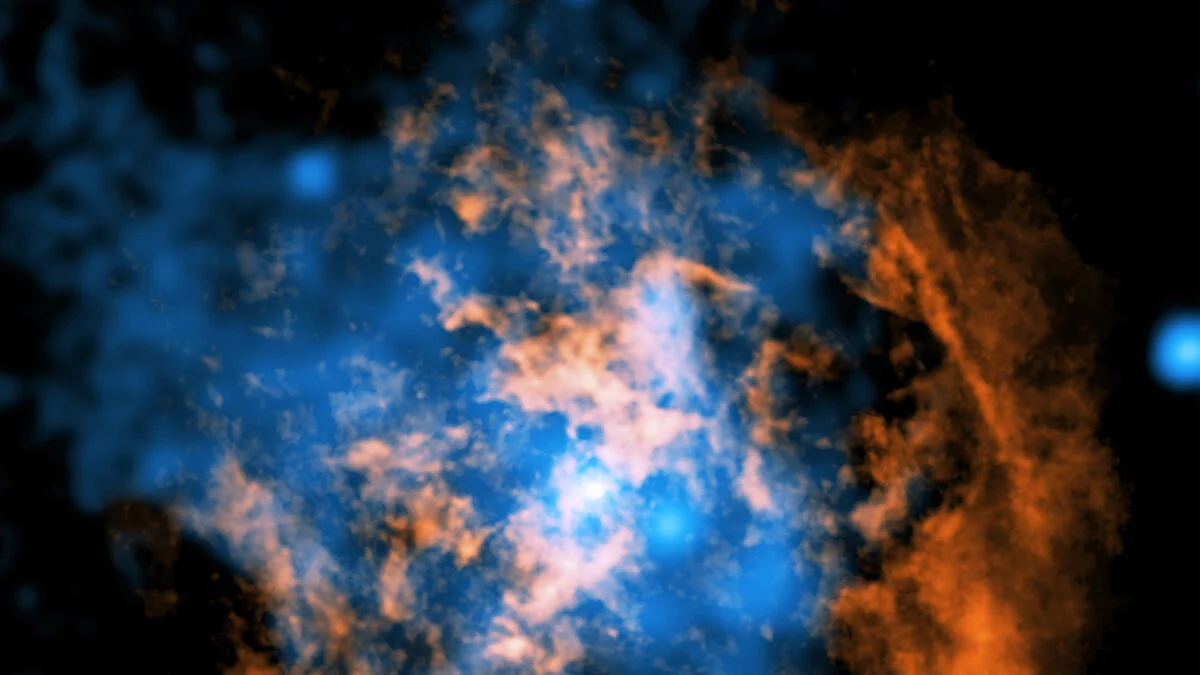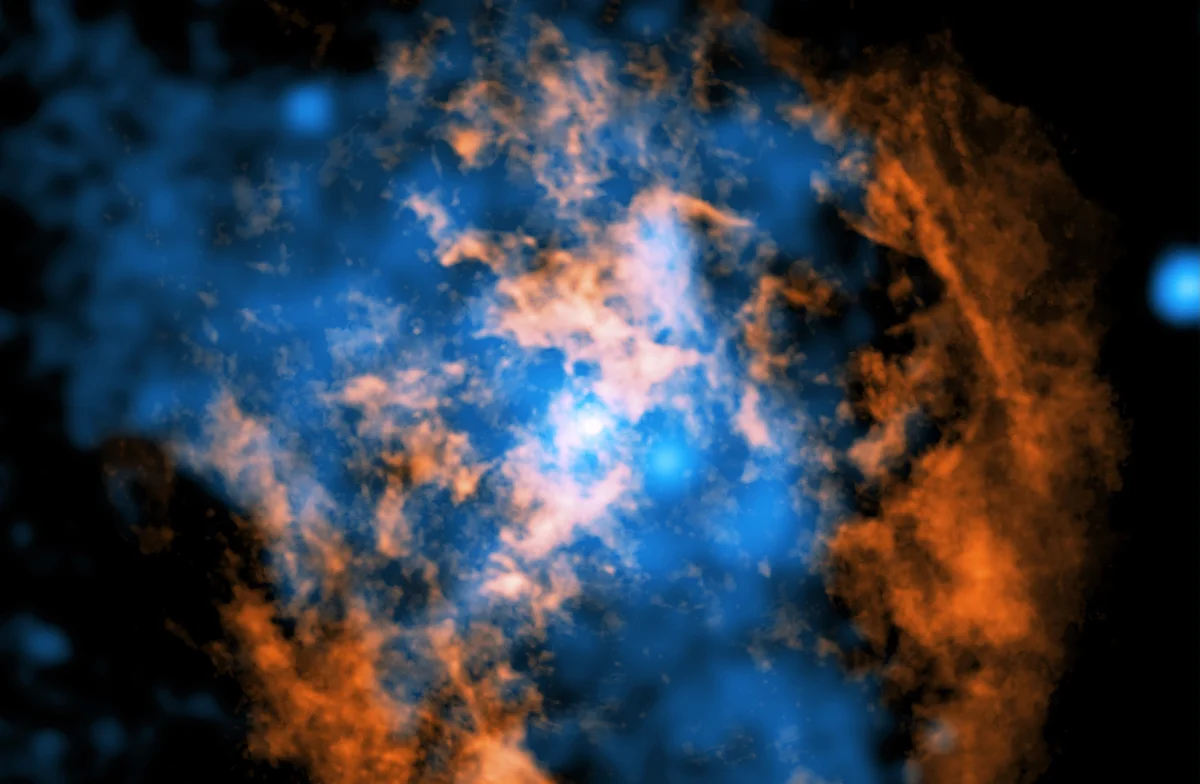
Astronomers may be getting closer to solving a long-standing mystery about the universe's largest galaxies. Observations from the X-Ray Imaging and Spectroscopy Mission, known as XRISM, are providing new evidence that supermassive black holes could be preventing these giant galaxies from forming as many stars as expected.
According to current models, the most massive galaxies should contain more stellar mass than astronomers actually observe. The shortfall suggests that some process has been suppressing star formation. University of Michigan doctoral student Xin "Cindy" Xiang has used XRISM data to investigate one leading explanation and found evidence pointing directly to black holes.
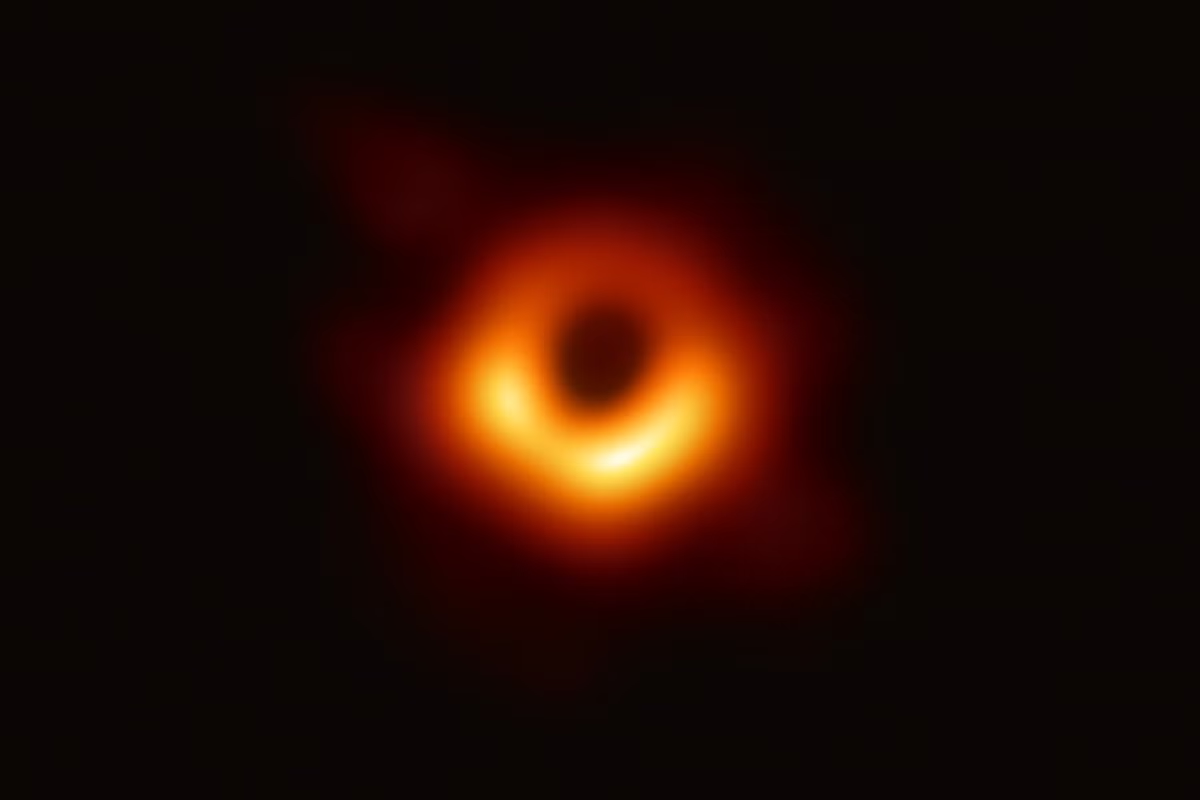
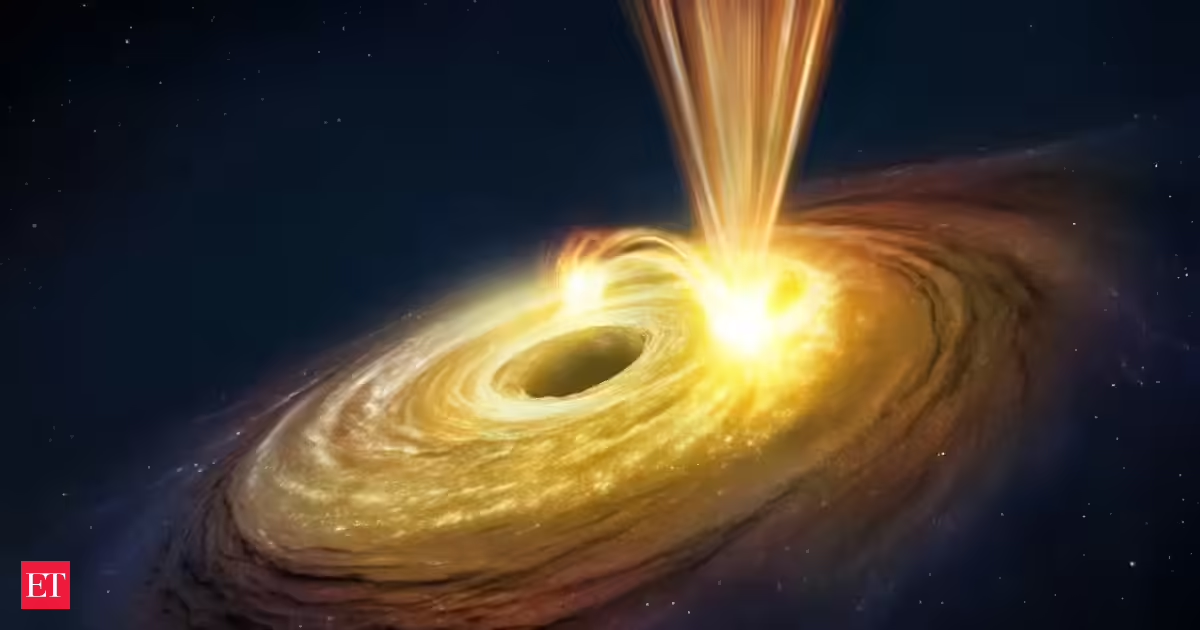
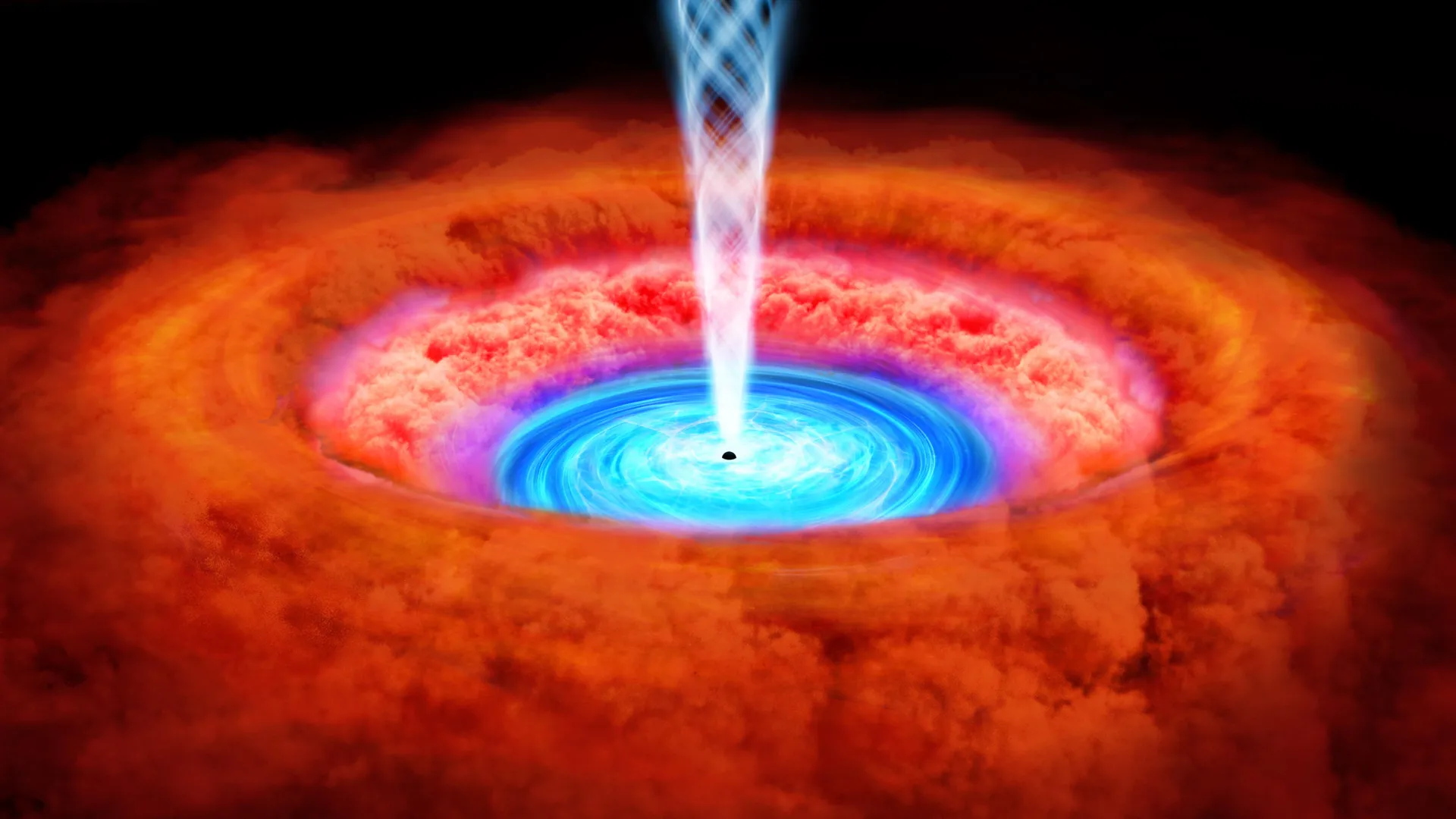
Most people know black holes as objects whose gravity is so strong that even light cannot escape once it crosses a certain boundary. However, black holes can also create extremely bright regions around themselves. As gas and dust spiral inward, they form an accretion disk that emits enormous amounts of energy, including powerful X-rays.
Black Hole Winds and Star Formation
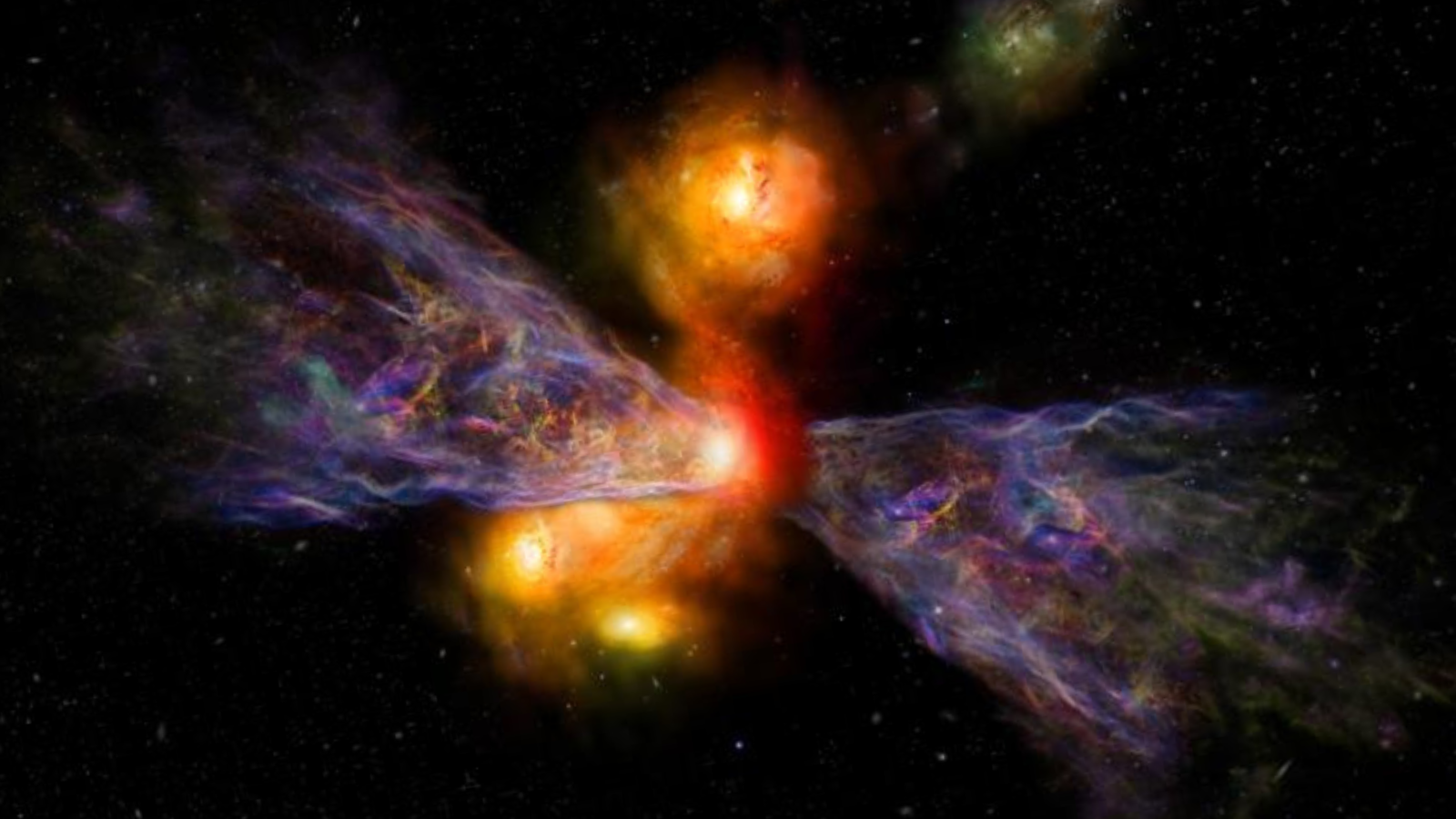
Accretion disks are among the most energetic environments in the universe. Material falling toward the black hole is heated by gravity and friction until it becomes an intensely hot plasma. At the same time, the disk can launch powerful outflows of matter.