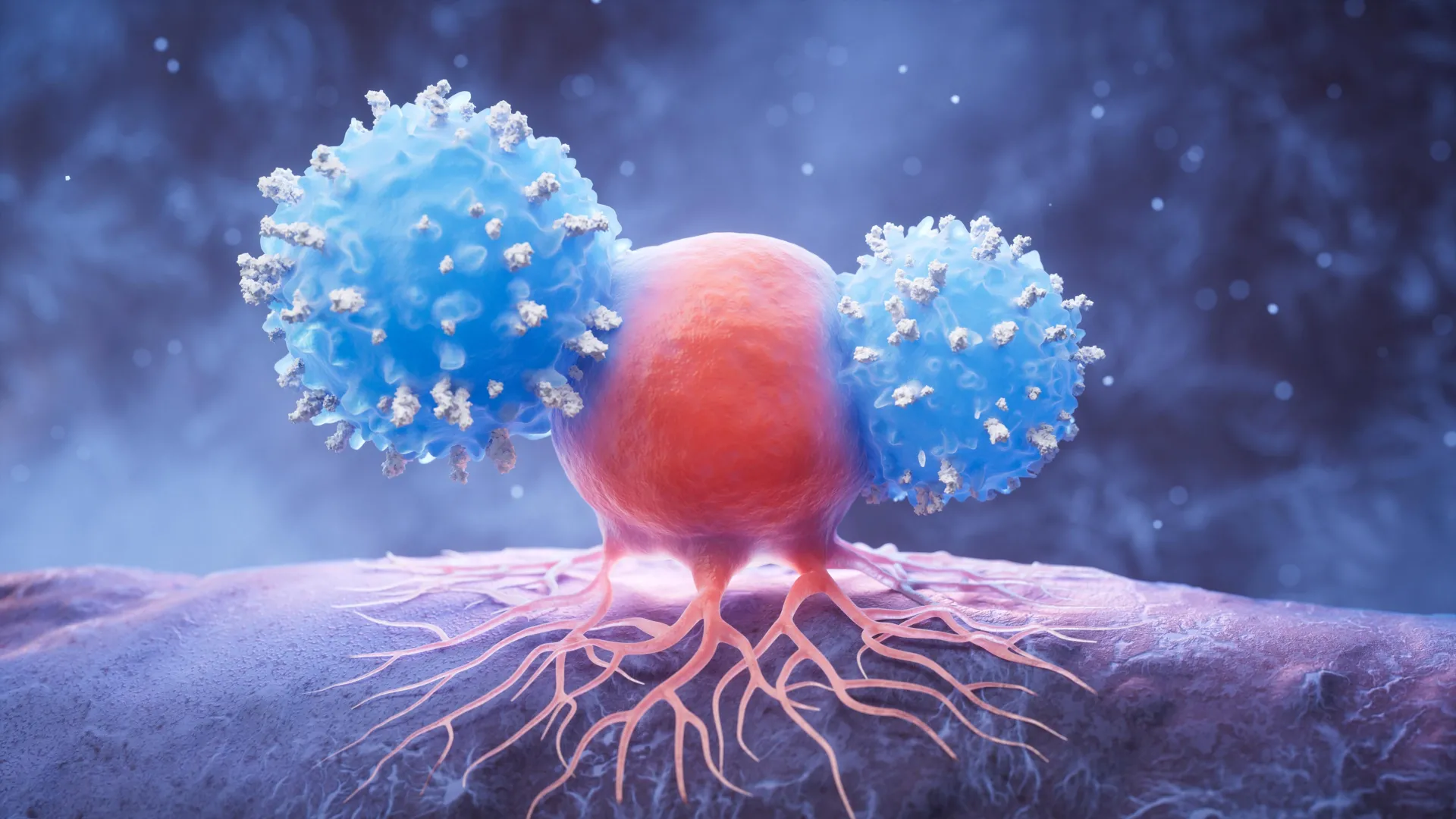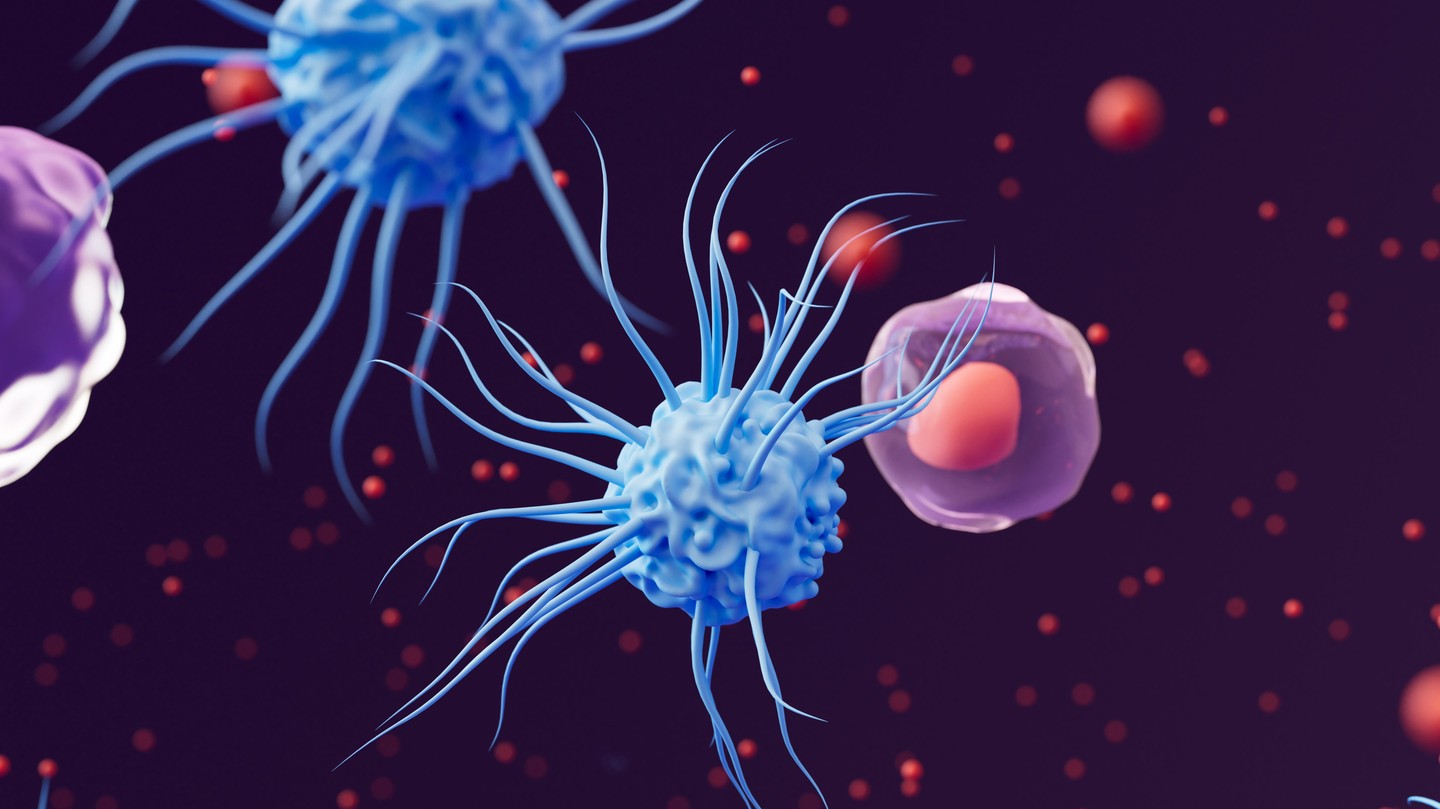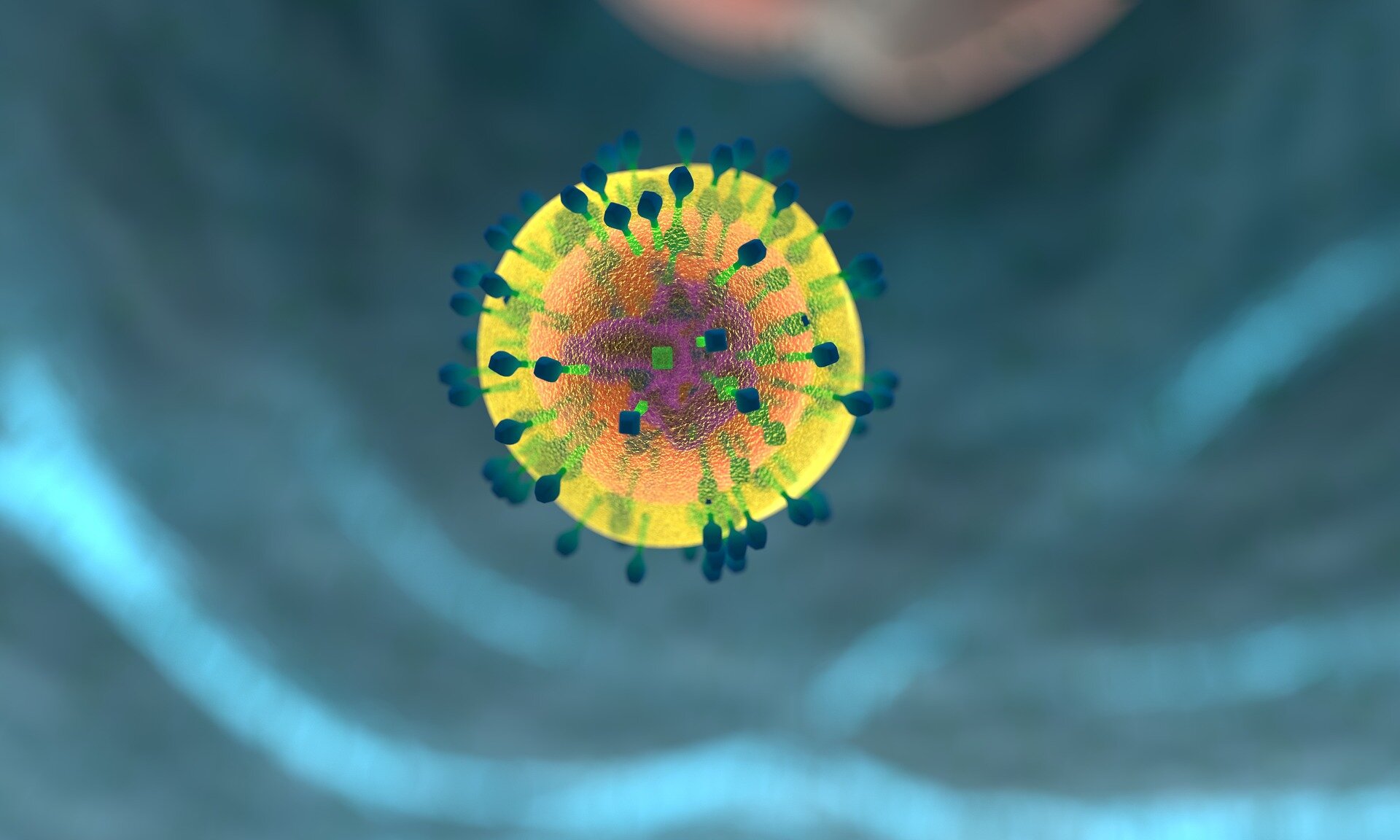
Researchers at VIB, Ghent University, and VUB have uncovered how two proteins essential for immune cell development work together at the molecular level. The findings provide important insights into a critical mechanism that mediates the integration of molecular signals received from immunological threats. Their work appears in Nature Communications.
Solving a long-standing mystery in T cell biology
T cells undergo a strict selection process in the thymus before they become fully functional. This ensures that healthy T cells can recognize immunological threats while avoiding attacks against the body's own tissues. Dysregulation of this process can contribute to autoimmune diseases or immune deficiencies.
For nearly two decades, scientists have known that a protein called Themis is essential for this developmental checkpoint. However, exactly how Themis worked at the molecular level remained unclear.
"Themis has always been something of an enigma," says Dr. Danielle Clancy (VIB-UGent Center for Inflammation Research), first author of the study. "We knew it played a critical role in T cell development, but we lacked a structural understanding of how it interacts with signaling partners to carry out its function."