Why do some vaccines protect for a lifetime, while threats like tumors and viruses present such an ongoing challenge? The answer lies in the immune system's memory and how invading pathogens hack the system.
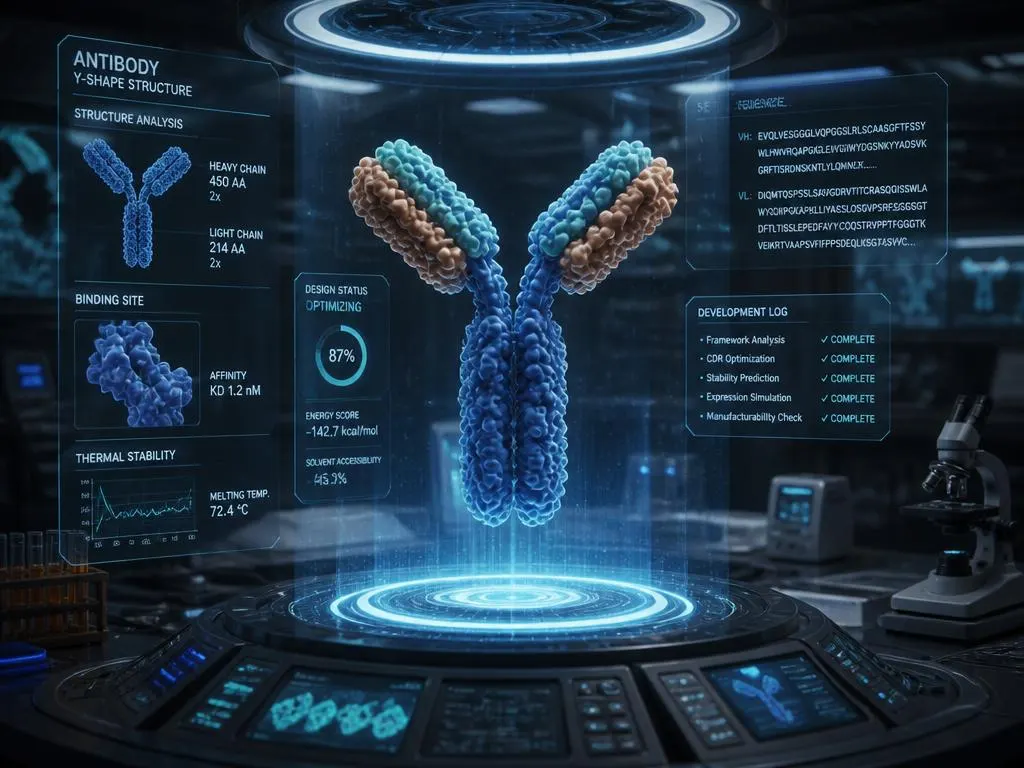
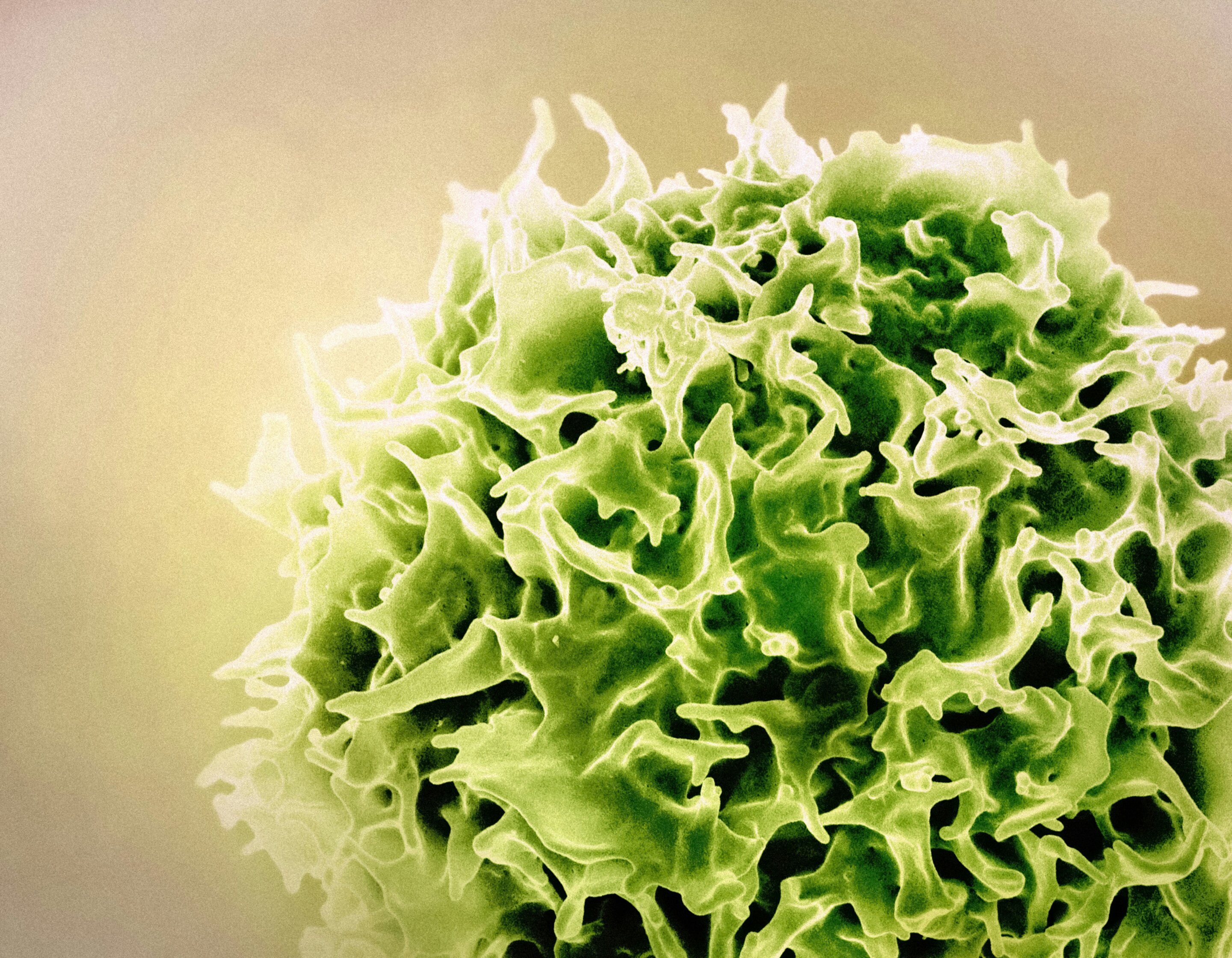
Immune cells have memory, much like a computer's memory bank. It is essentially a living library of past infections, ready to attack when the immune system detects an infection it has encountered before, destroying the threat before symptoms appear. This memory bank lasts a lifetime and is the foundation of how vaccines work.
Unfortunately, some viruses try to bypass the immune cells' memory bank, like hackers trying to infiltrate a computer system. This is why people can contract the flu or the common cold after they've had it before.
In a study published in Nature Immunology, a research team at the Frazer Institute made significant discoveries into how immune cells' memory works. This reshaped the understanding of how the body's immunity is controlled and could lead to the development of more precise drugs and therapies.
Not all immune cells are created equal