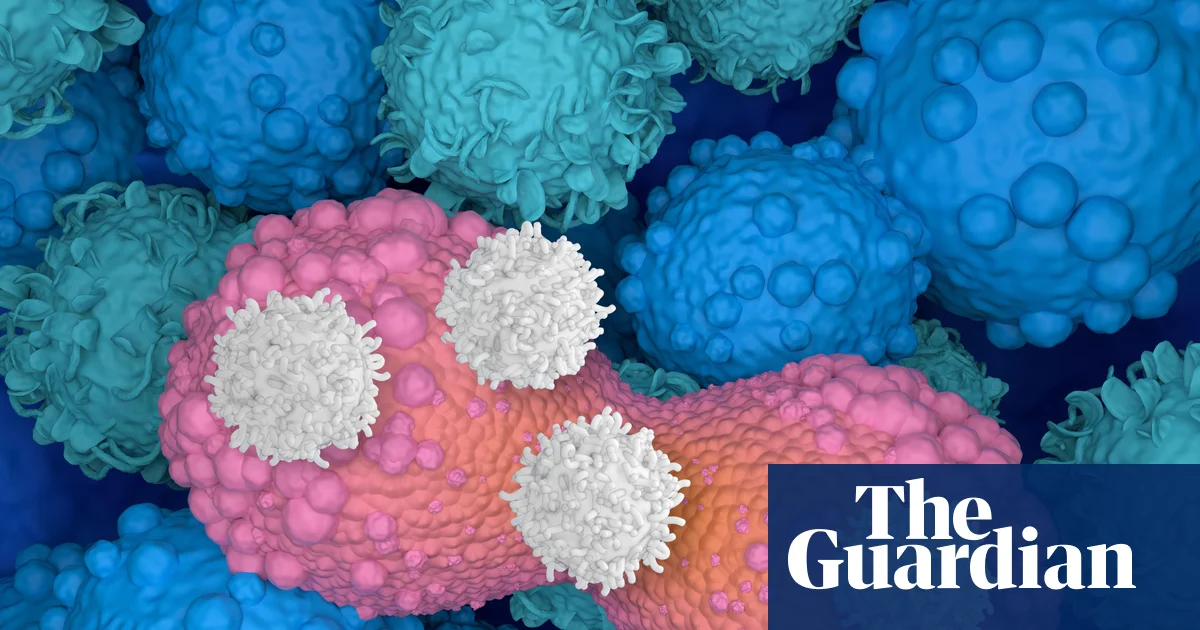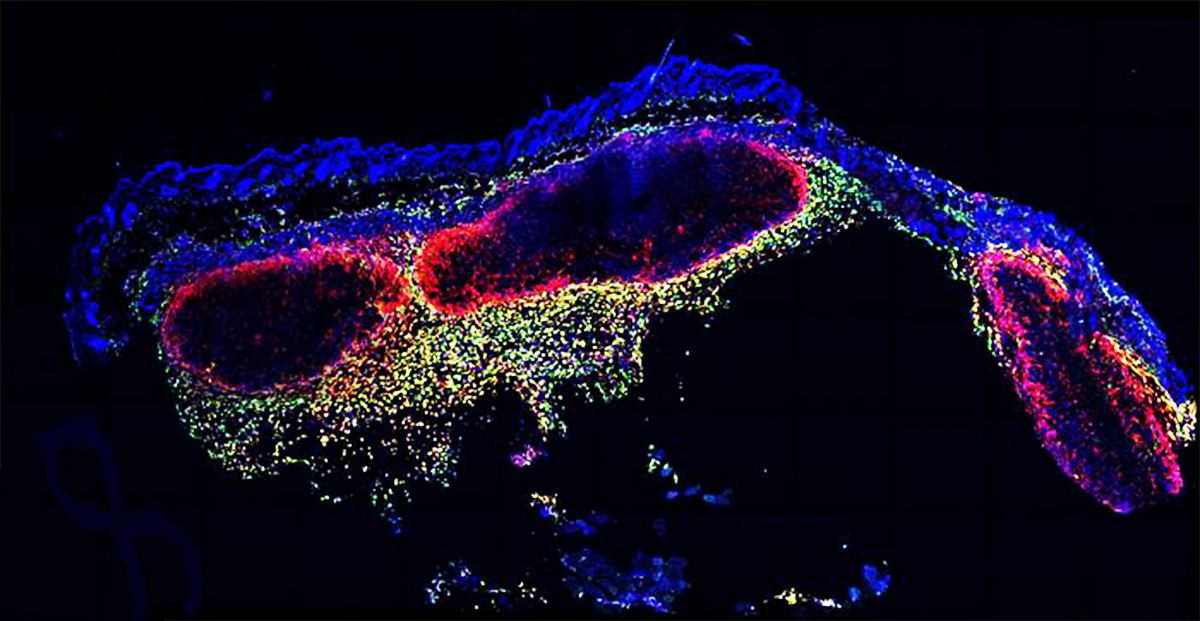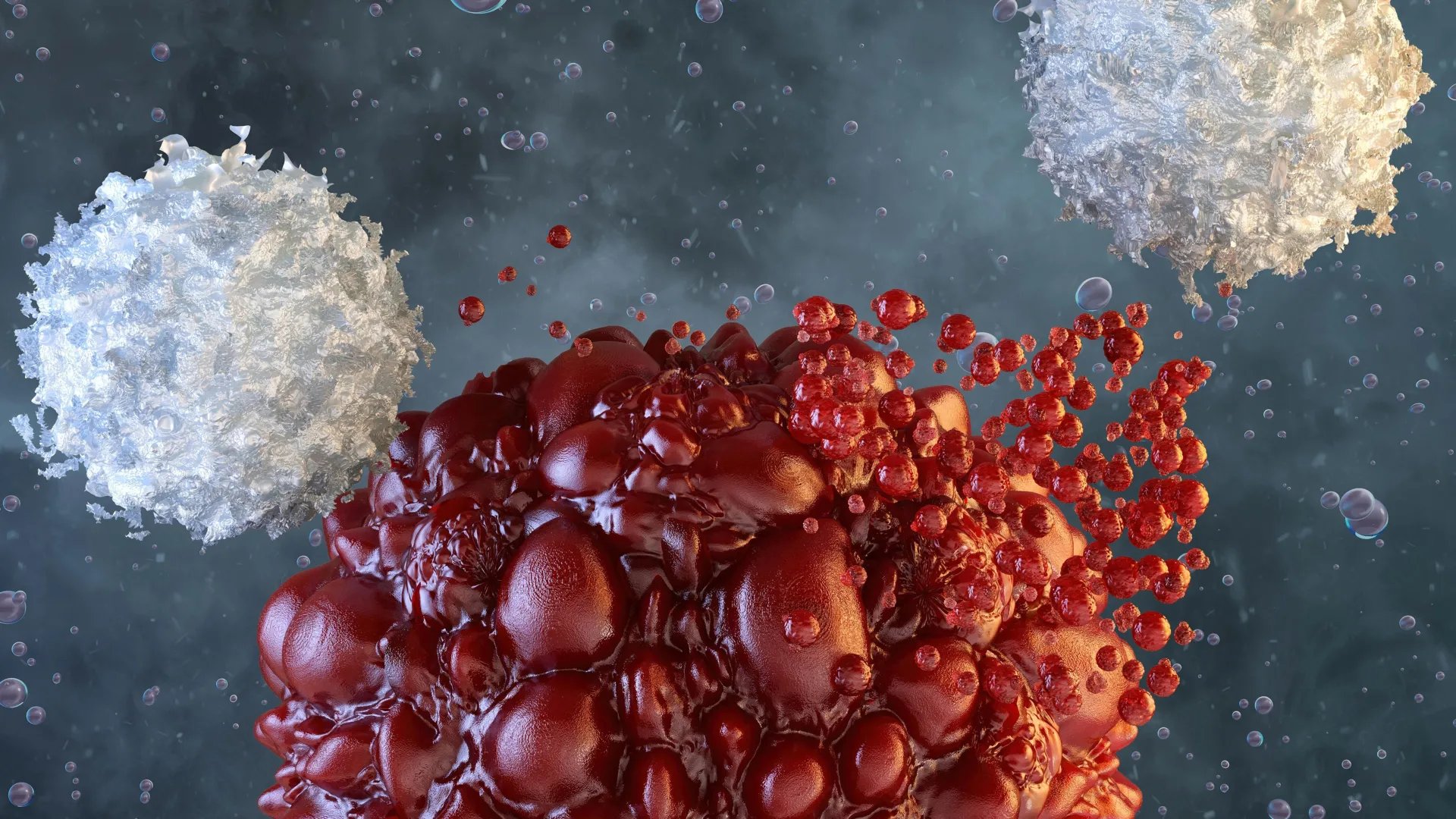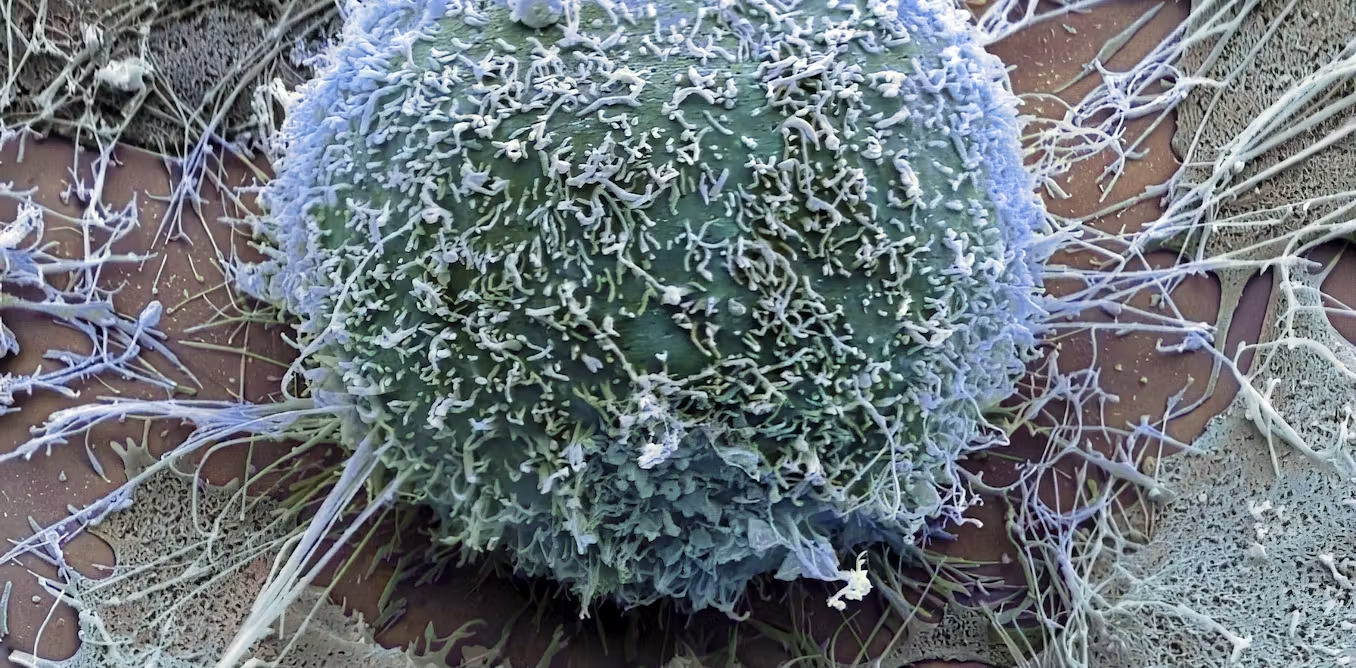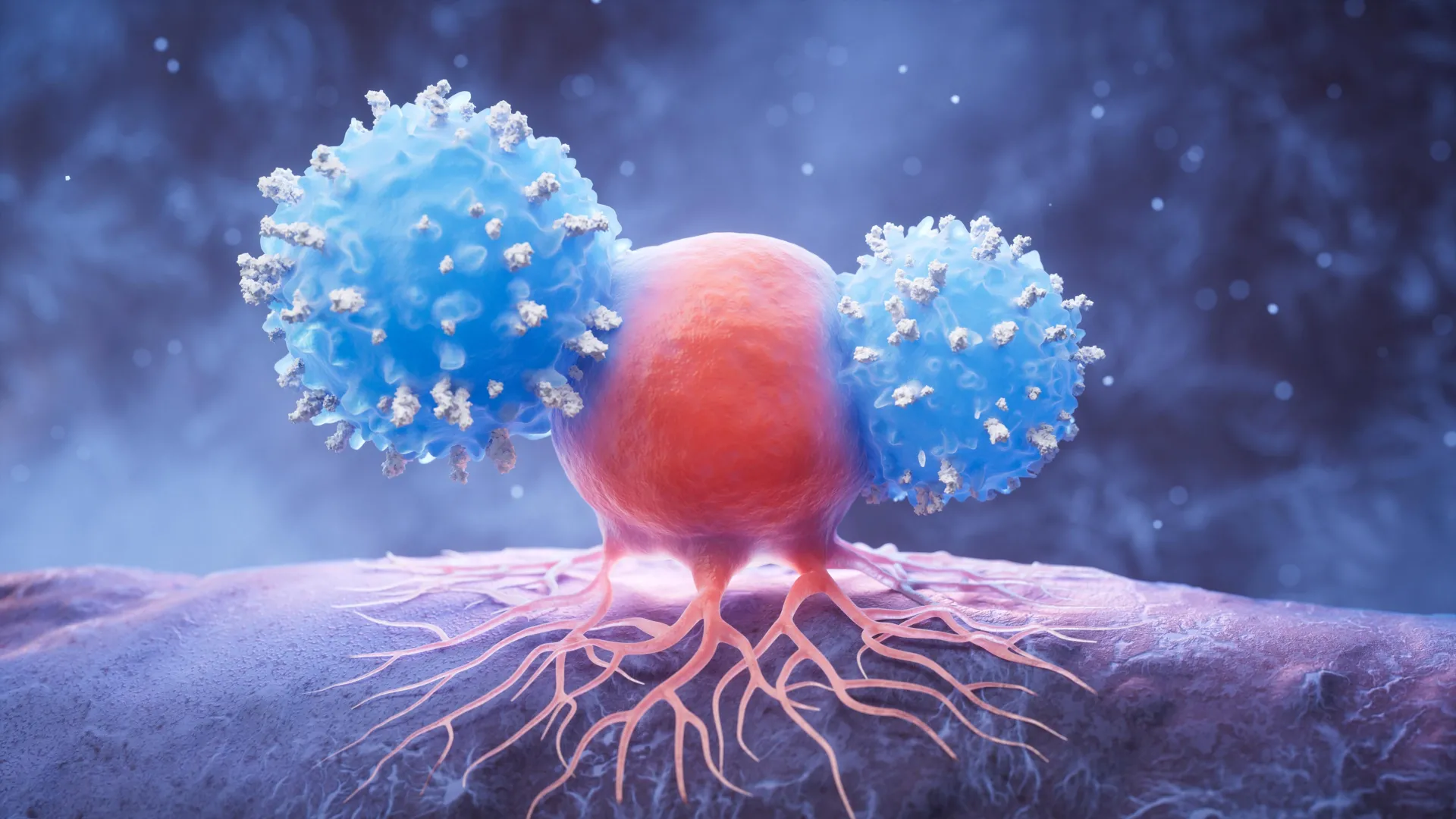
Scientists have identified a previously unknown mechanism that may be helping cancers evade the immune system. The discovery centers on SLAMF6, a molecule found on the surface of immune cells that can prevent T cells from mounting a strong attack against tumors. In experiments involving mice, researchers also developed a way to block its activity.
The findings come from a team led by Dr. André Veillette, a medical professor at the Université de Montréal and director of the Molecular Oncology Research Unit at the Montreal Clinical Research Institute (IRCM), which is affiliated with UdeM. Their study was published in the journal Nature.
A Hidden Immune System Brake
Researchers found that SLAMF6 works differently from many other molecules that suppress immune responses. Most known immune checkpoints require interaction with tumor cells to weaken the body's defenses. SLAMF6, however, can activate itself directly on the surface of T cells.
When this happens, it sends signals that: reduce the ability of T cells to attack cancer cells; decrease the production of strong, long-lasting T cells; accelerate immune exhaustion, a condition in which T cells lose their effectiveness against cancer.Many current cancer immunotherapies, including PD1 and PDL1 inhibitors, work by removing inhibitory signals created by tumors. While these treatments have helped many patients, a significant number either fail to respond or eventually develop resistance.