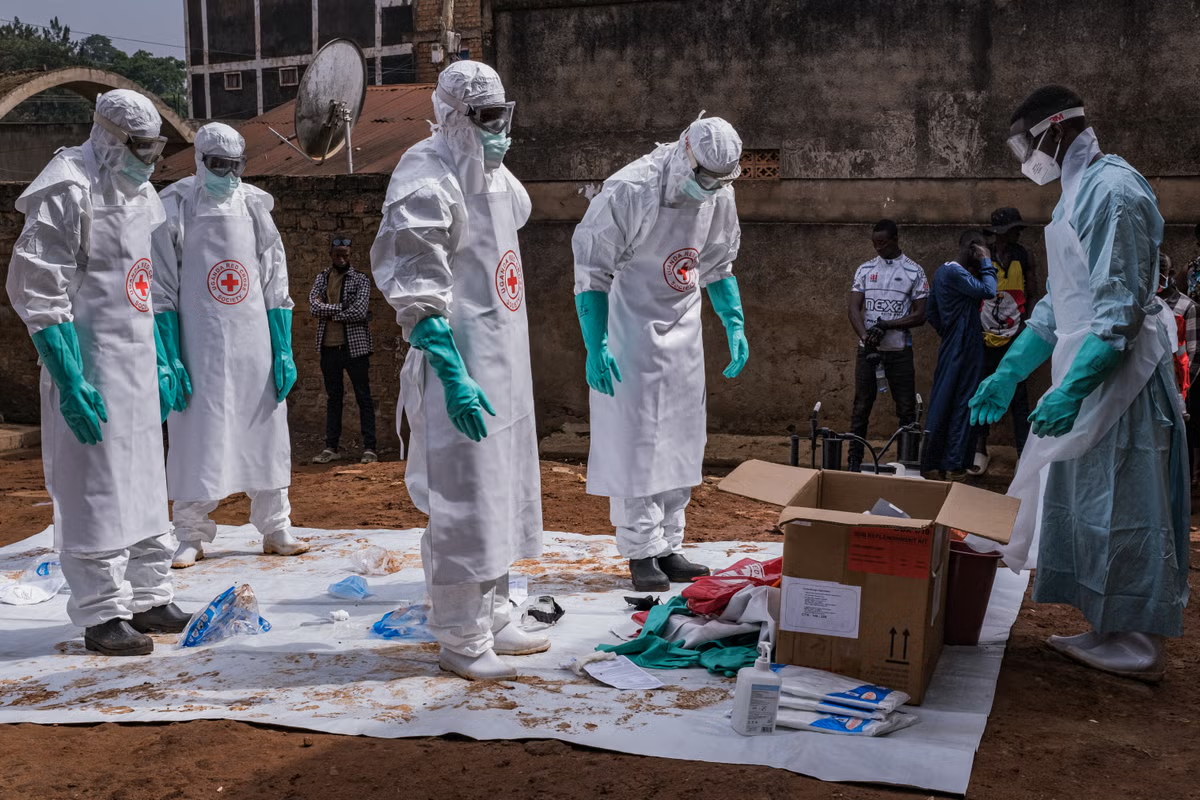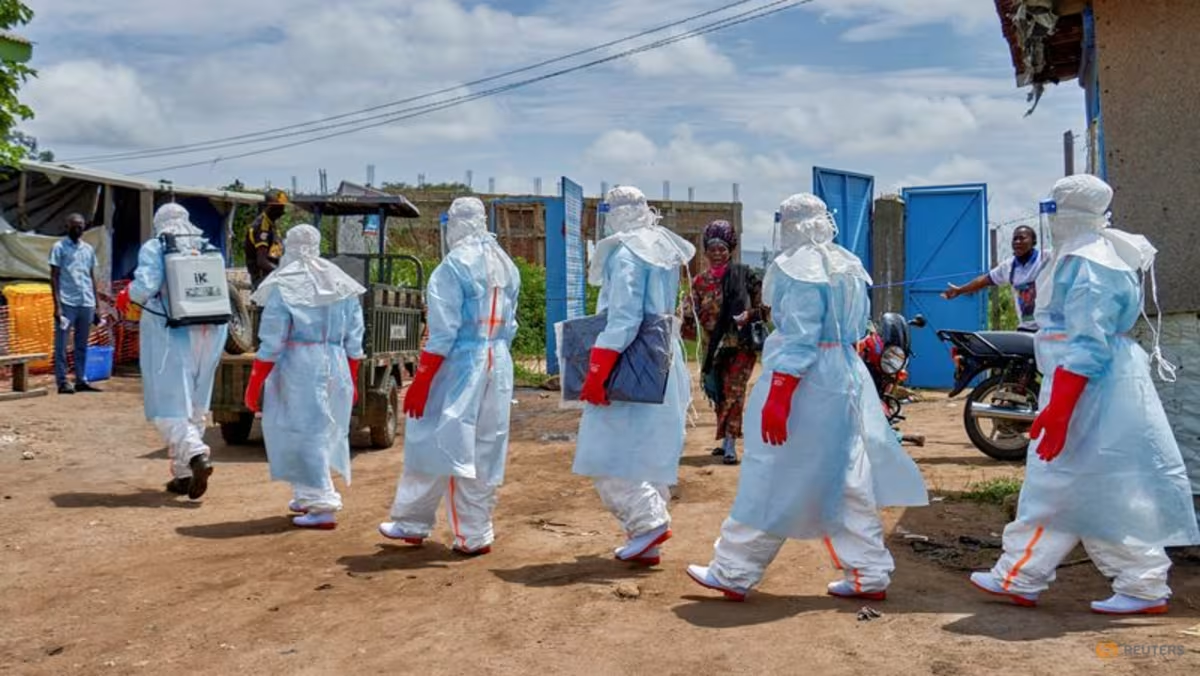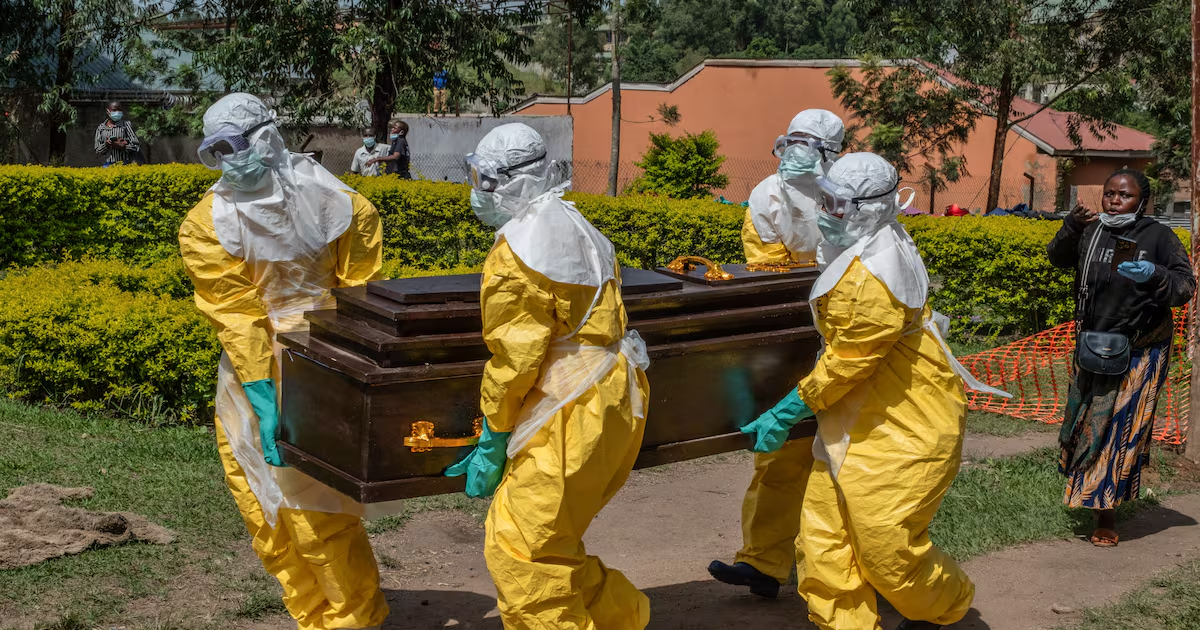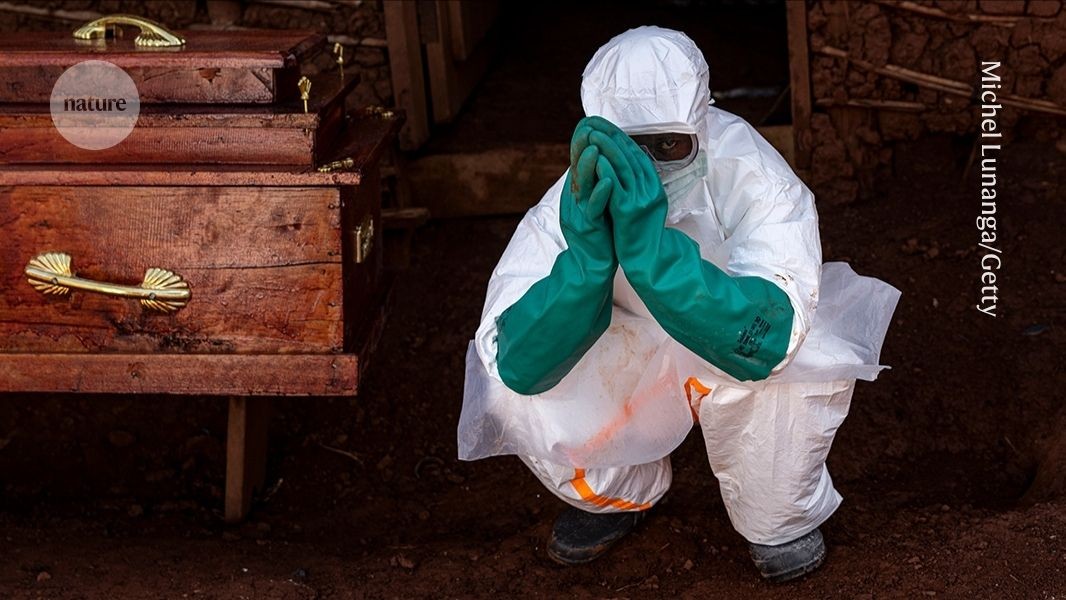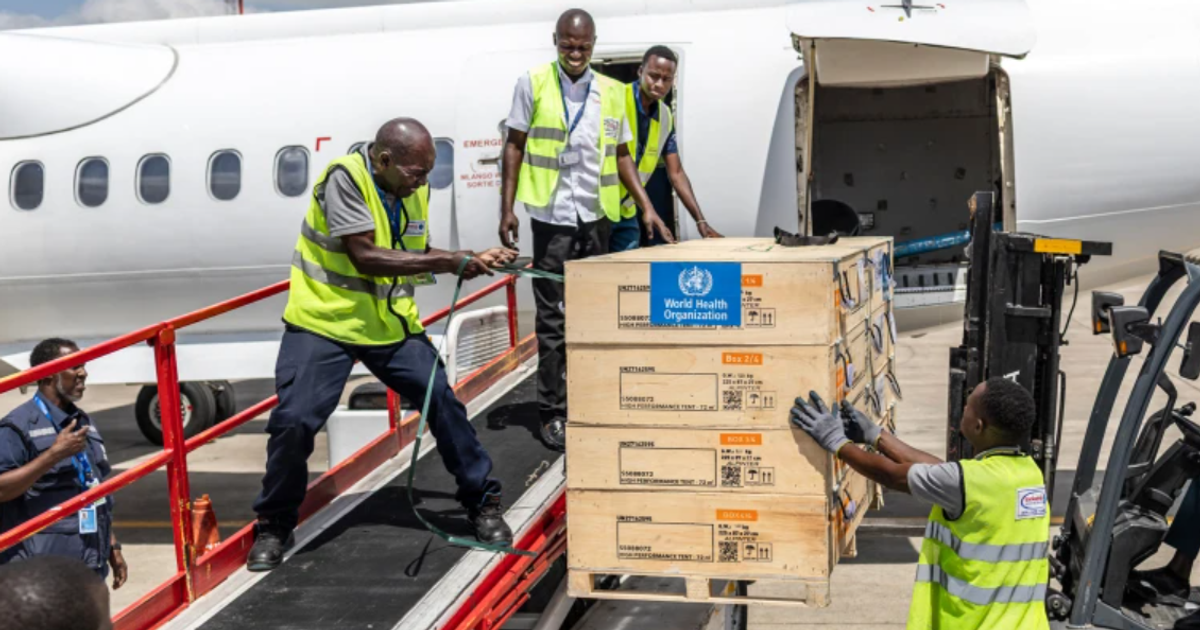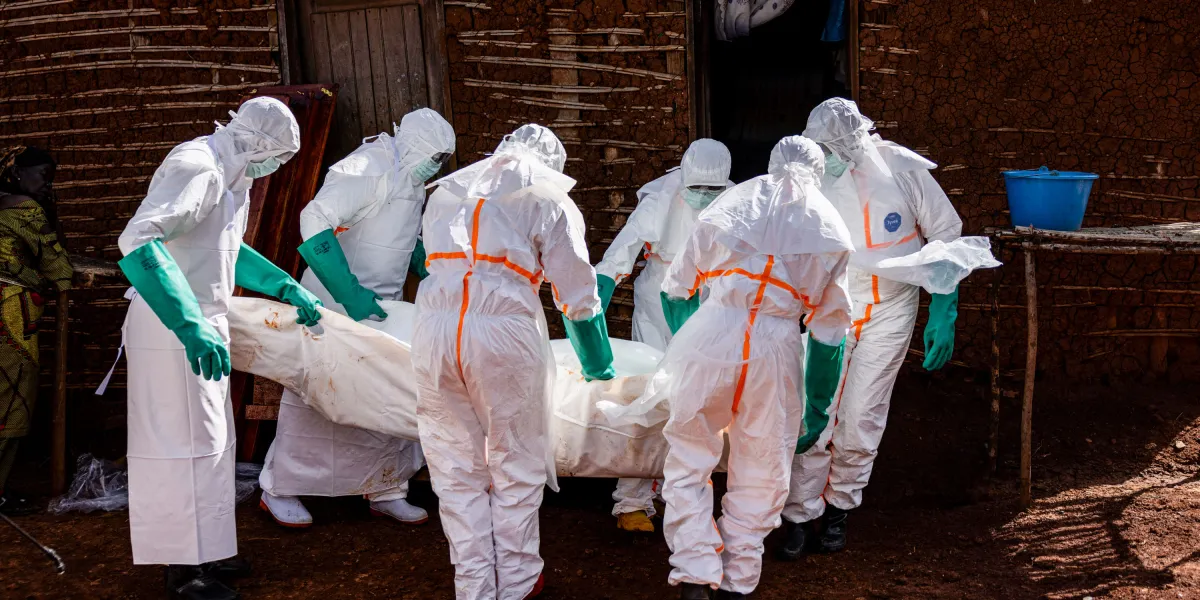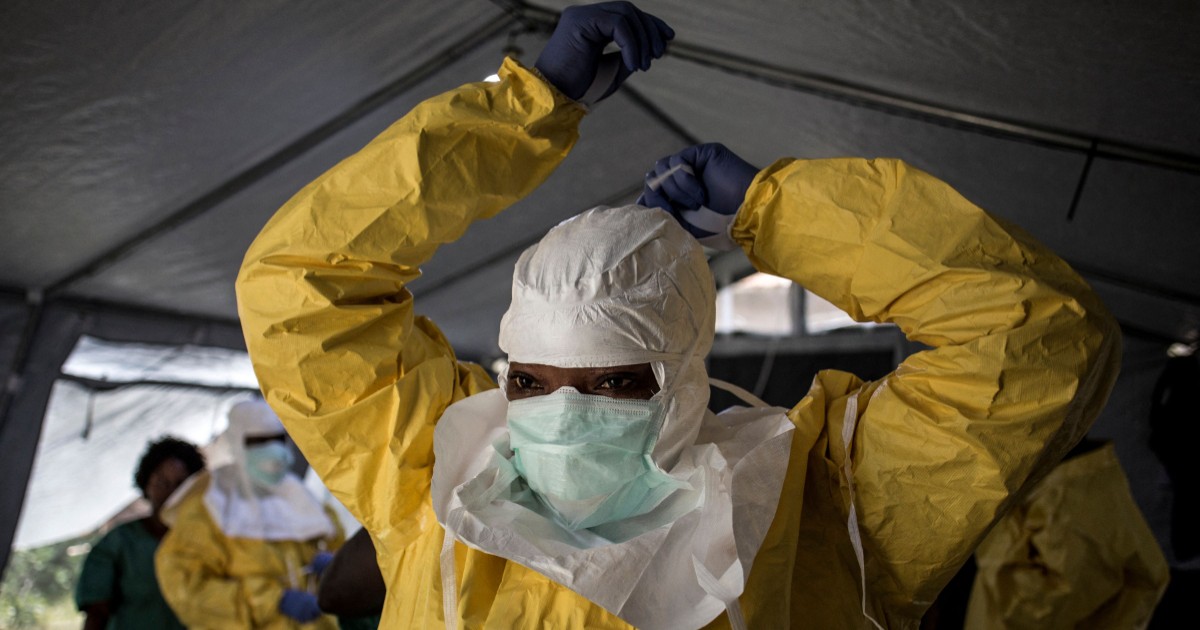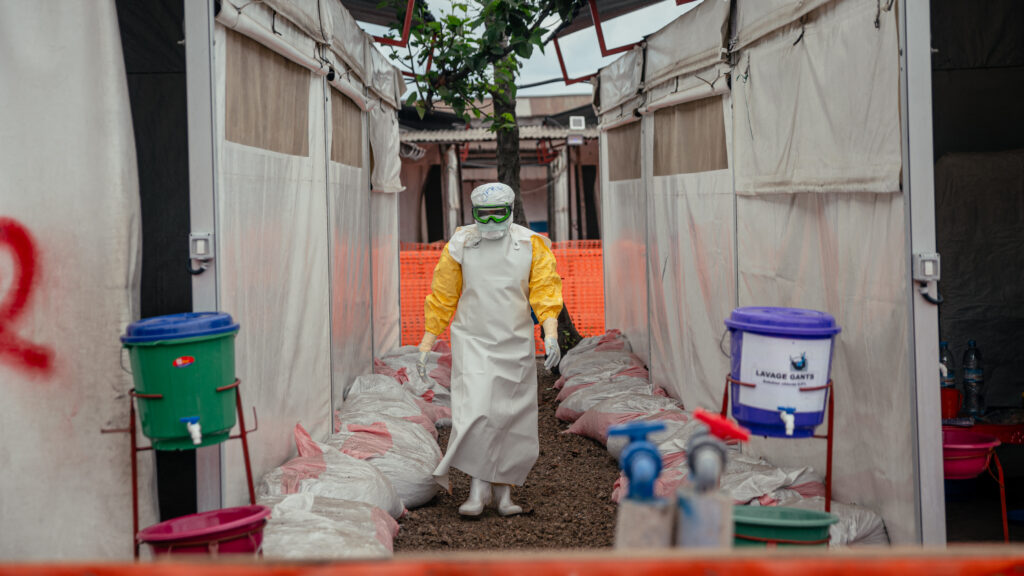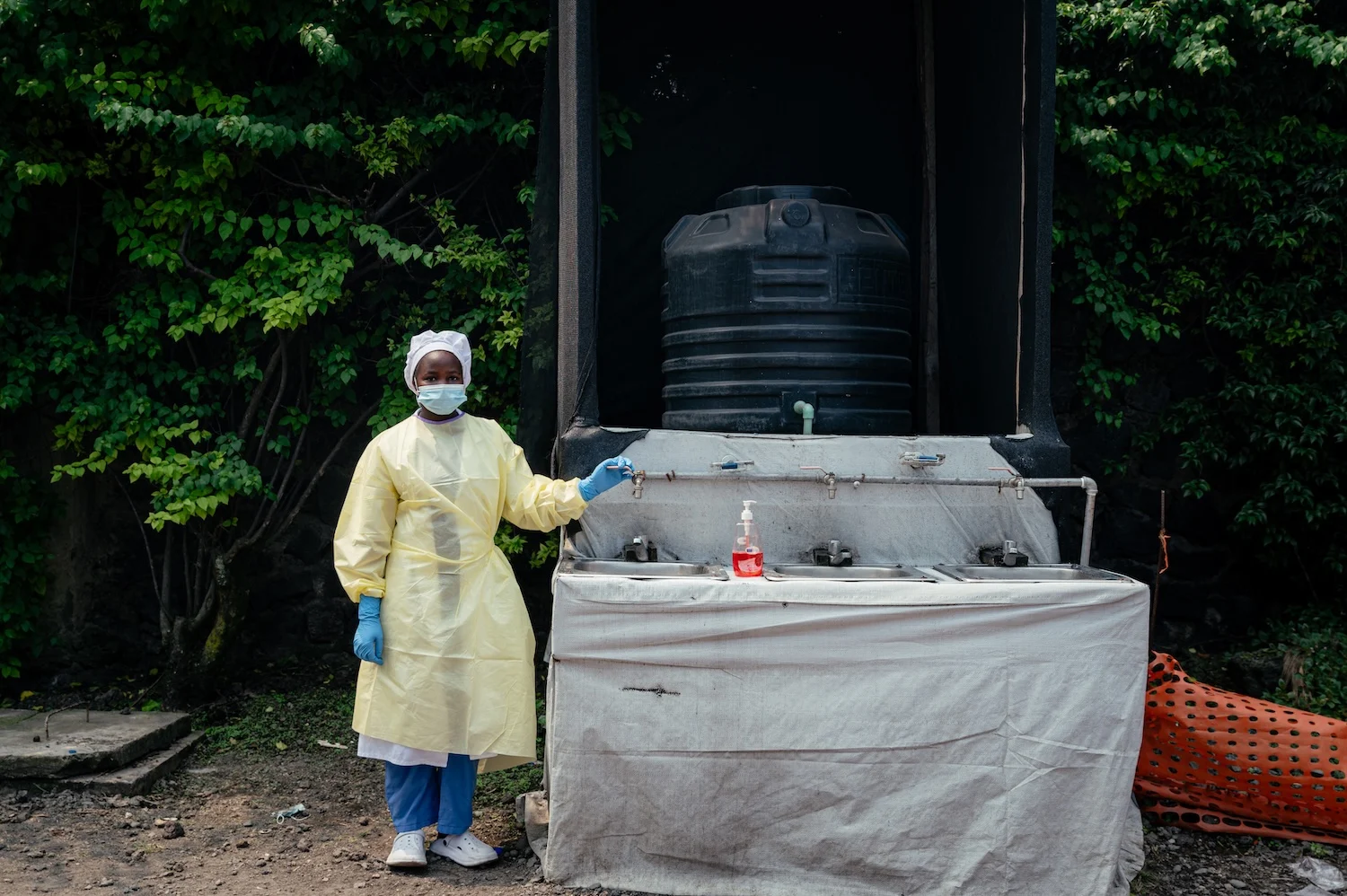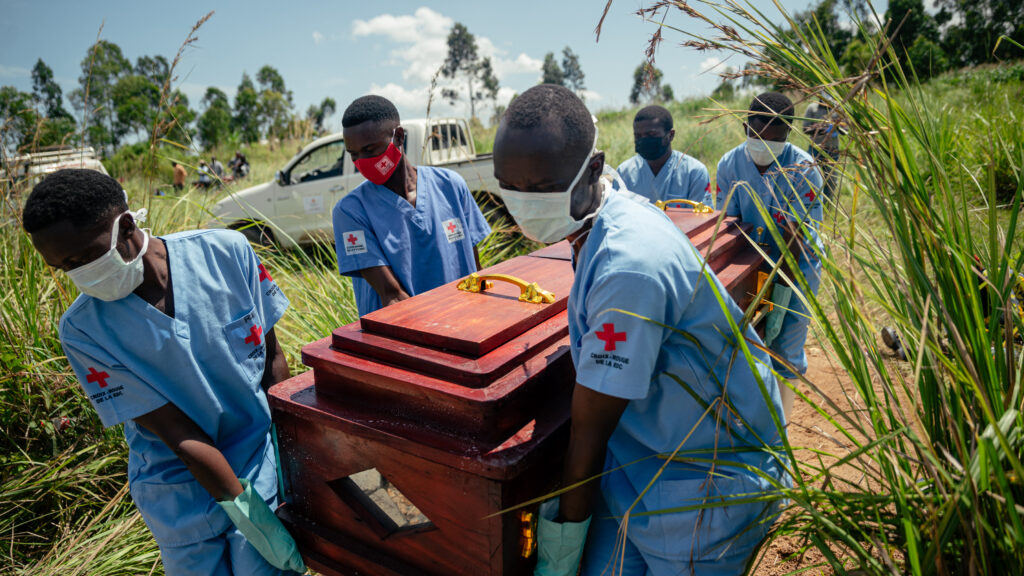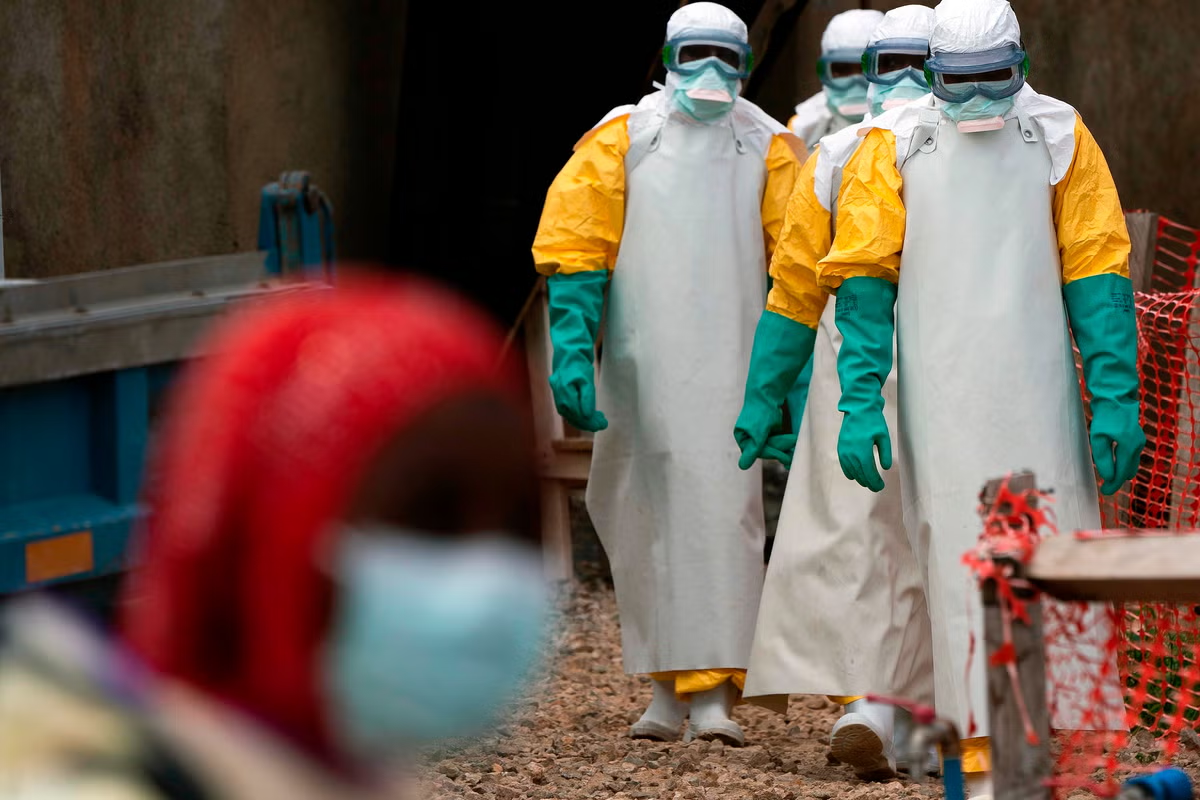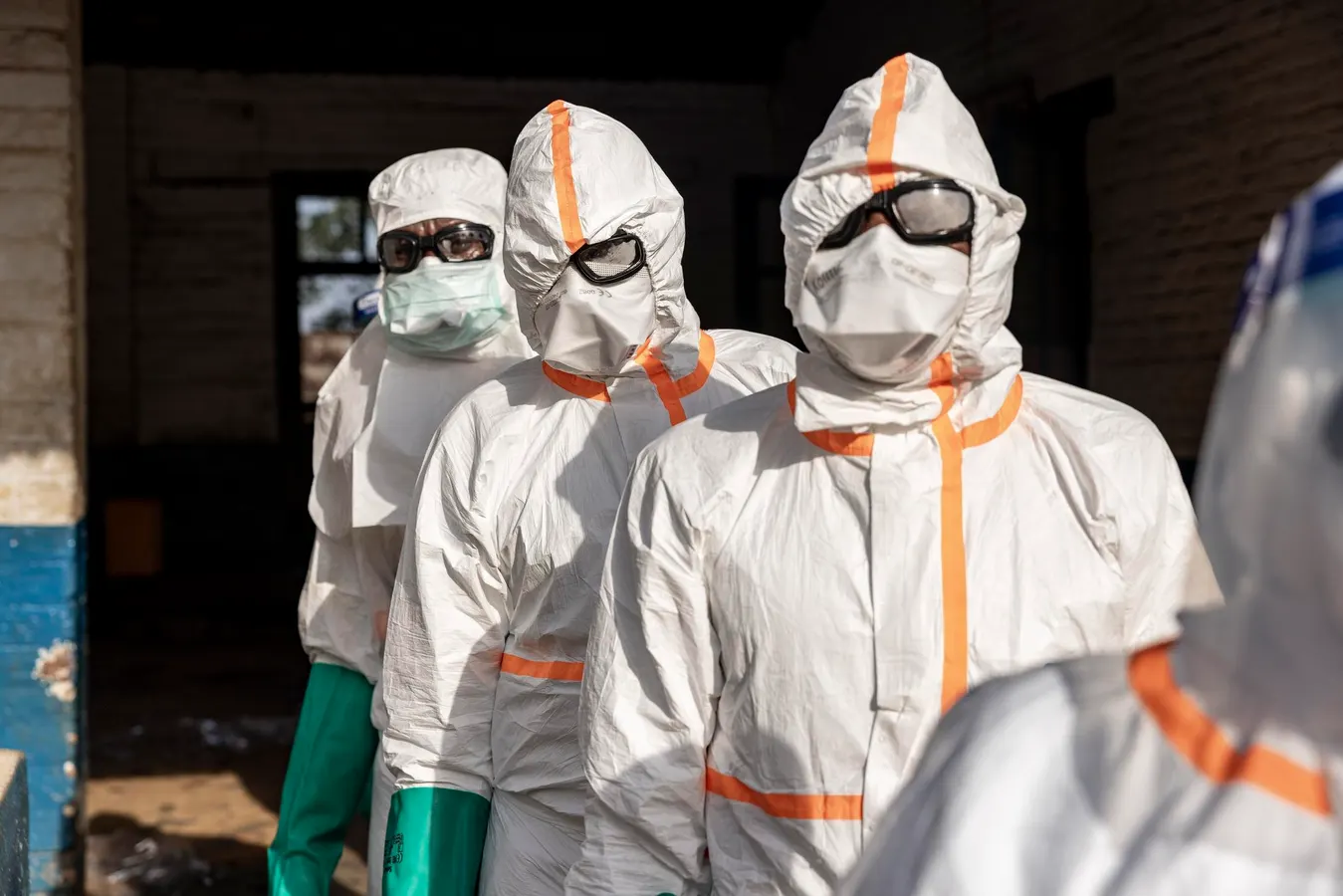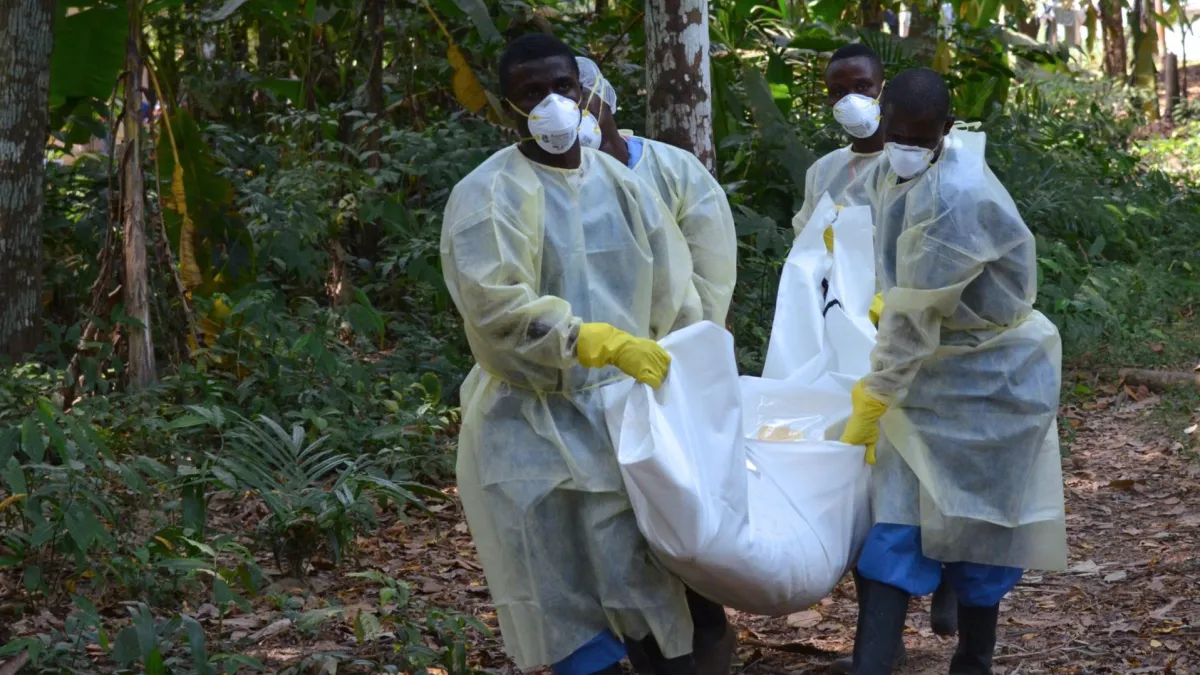
When I led Britain’s military response to the West African Ebola outbreak in 2015, the virus had already overrun three capital cities. By the time the crisis ended, it had infected more than 28,000 people across Sierra Leone, Liberia and Guinea, and killed over 11,000.
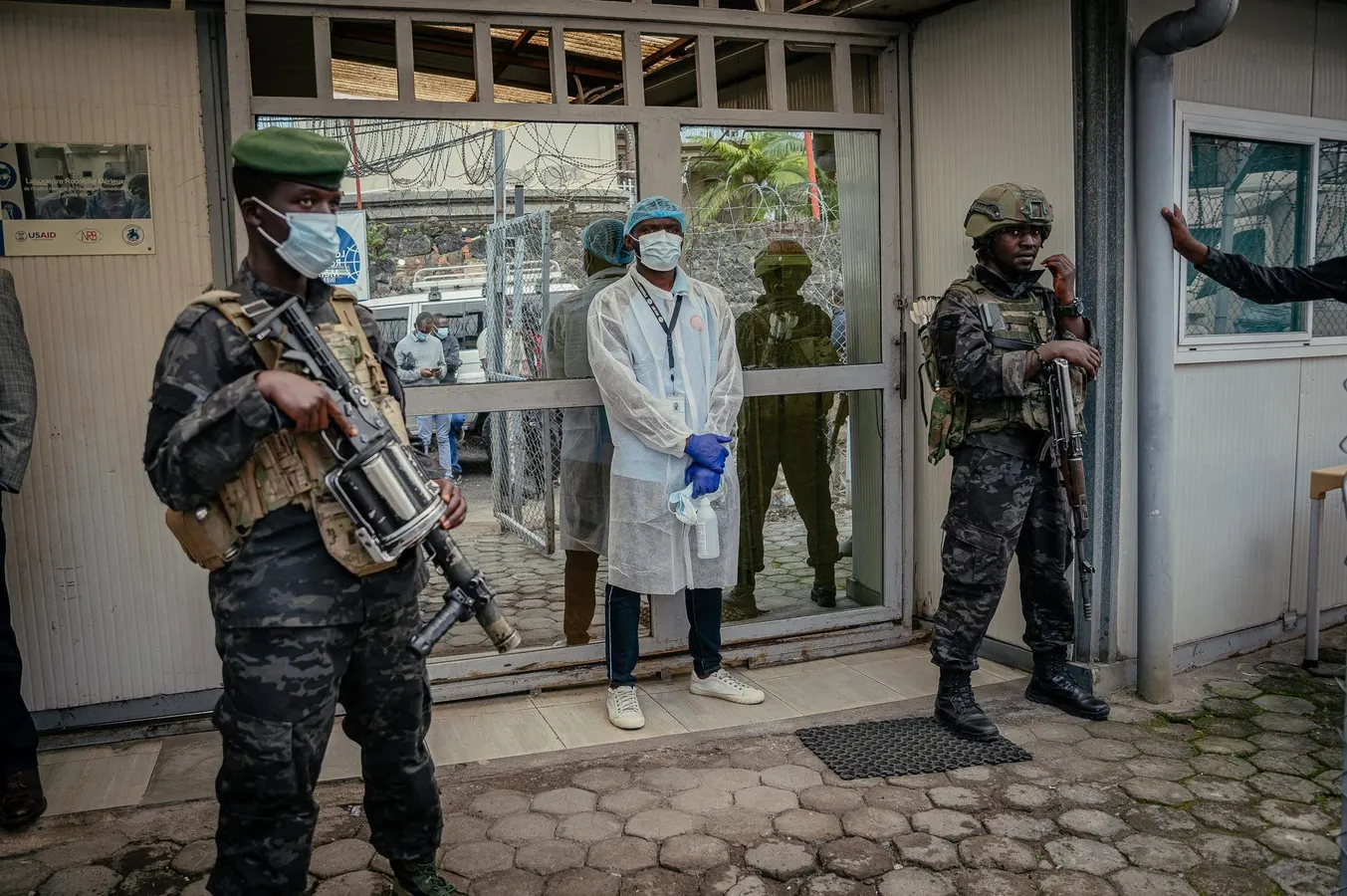
Britain, France and the United States each deployed military forces to a regional epidemic that, by the point of our intervention, had become a major strategic crisis. We were not there as humanitarians. We were there because a virus had moved faster than every system designed to detect it, and the risk of it crossing our borders, and killing our citizens, was too high to ignore.
It was a race against the clock, battling a virus that threatened the world, while navigating the reality of failed public health systems.
Shorts
The government-run treatment centre in Sierra Leone’s capital city of Freetown was a catastrophe. The sick and dying were simply dumped in rooms without beds, adequate care or sanitation, and anyone – whether sick or not – could walk freely in and out.