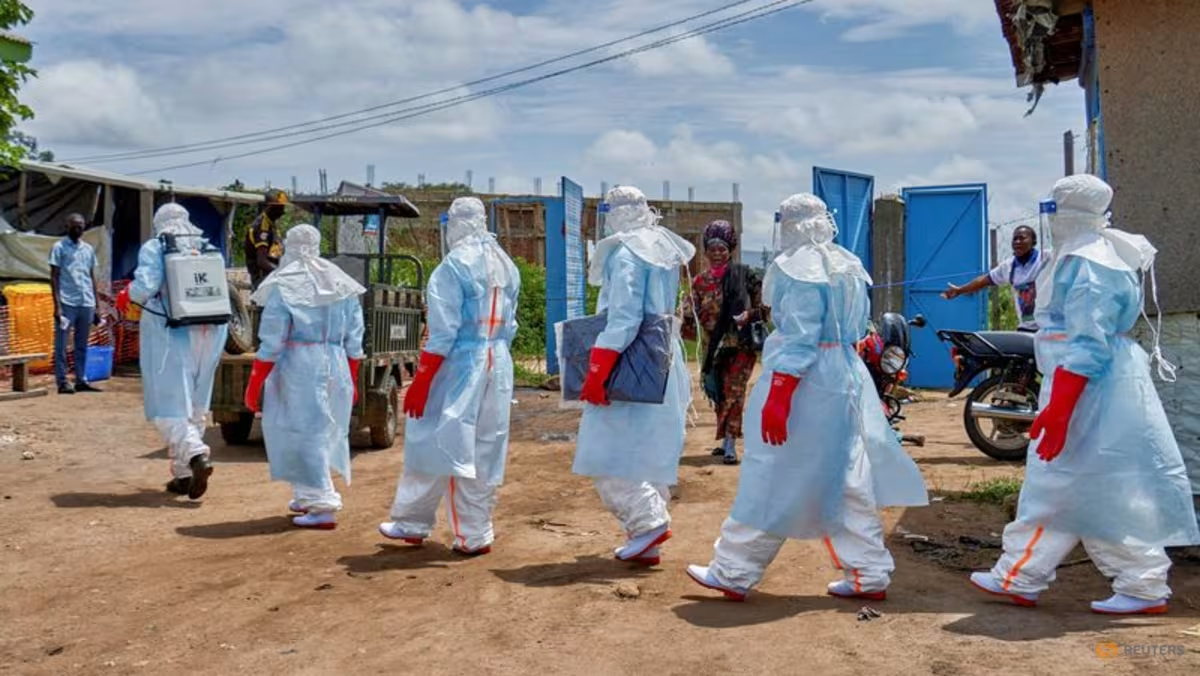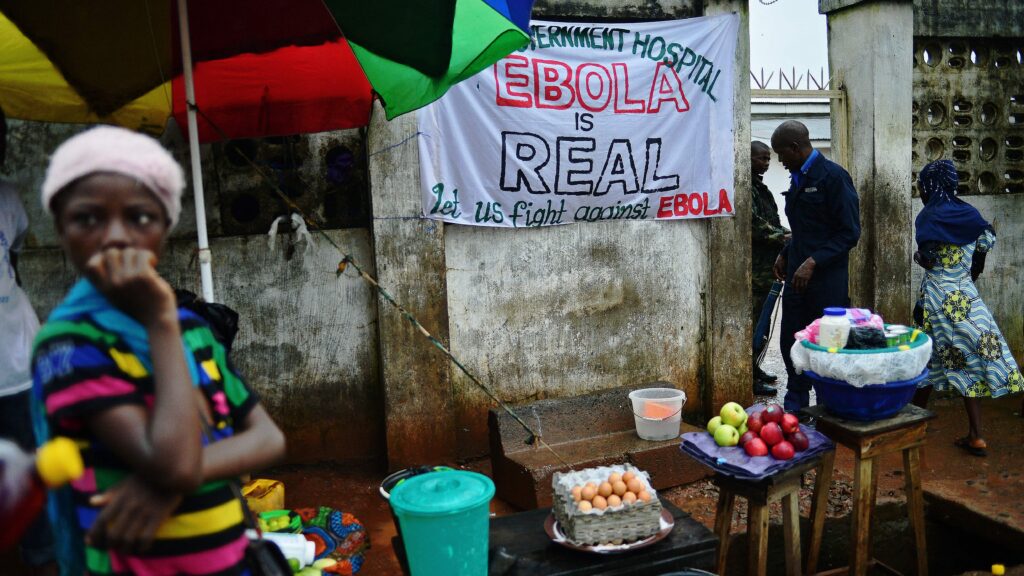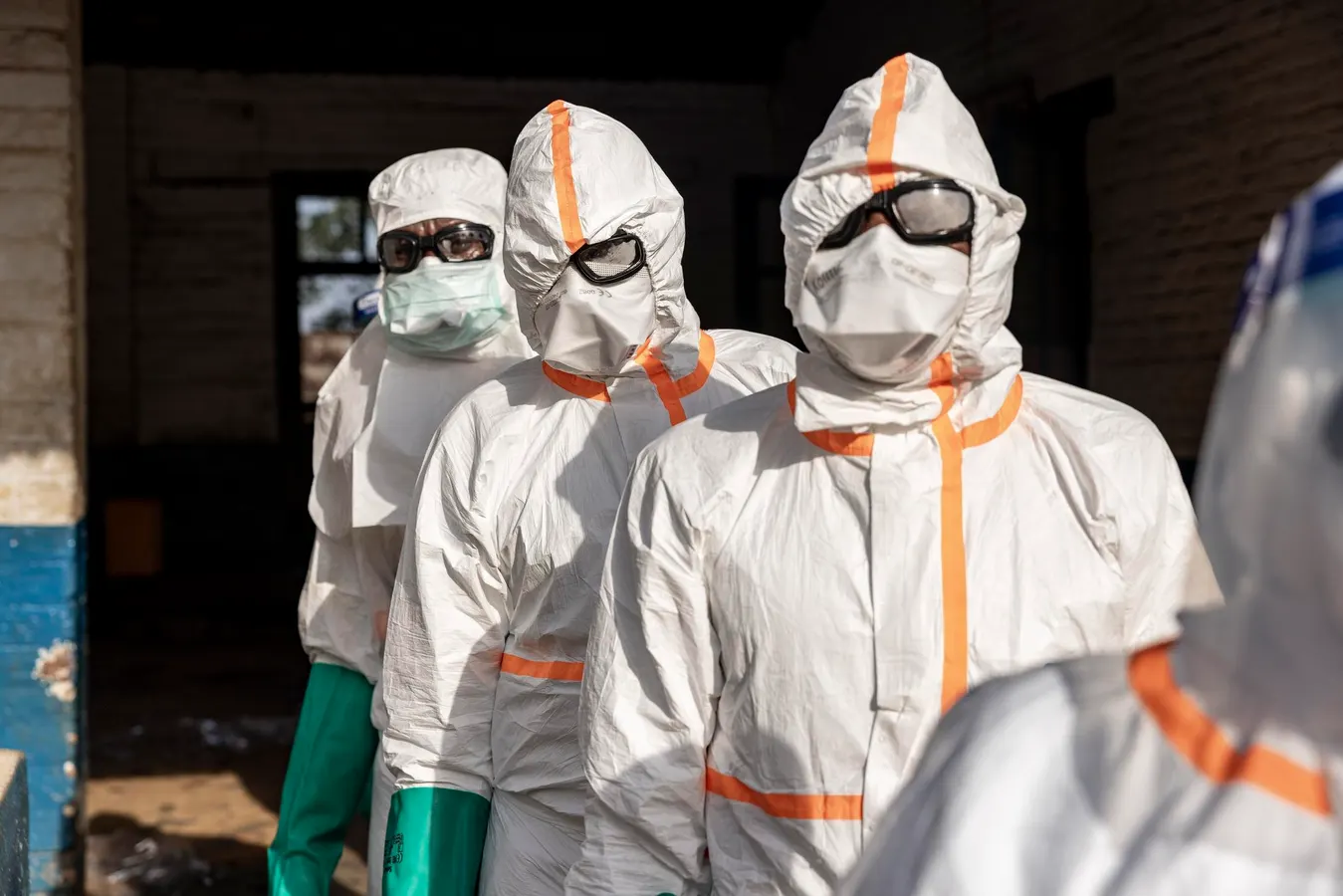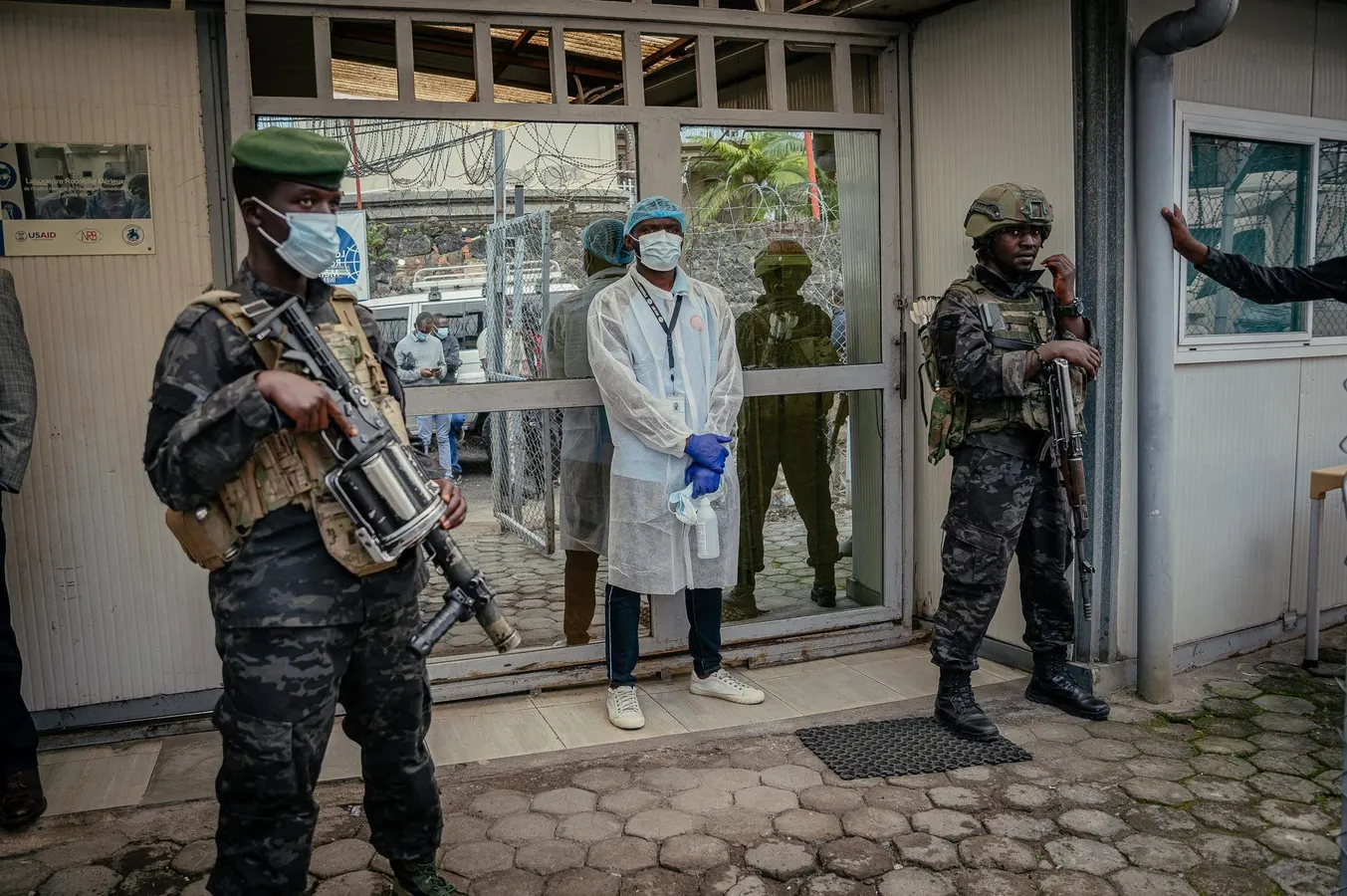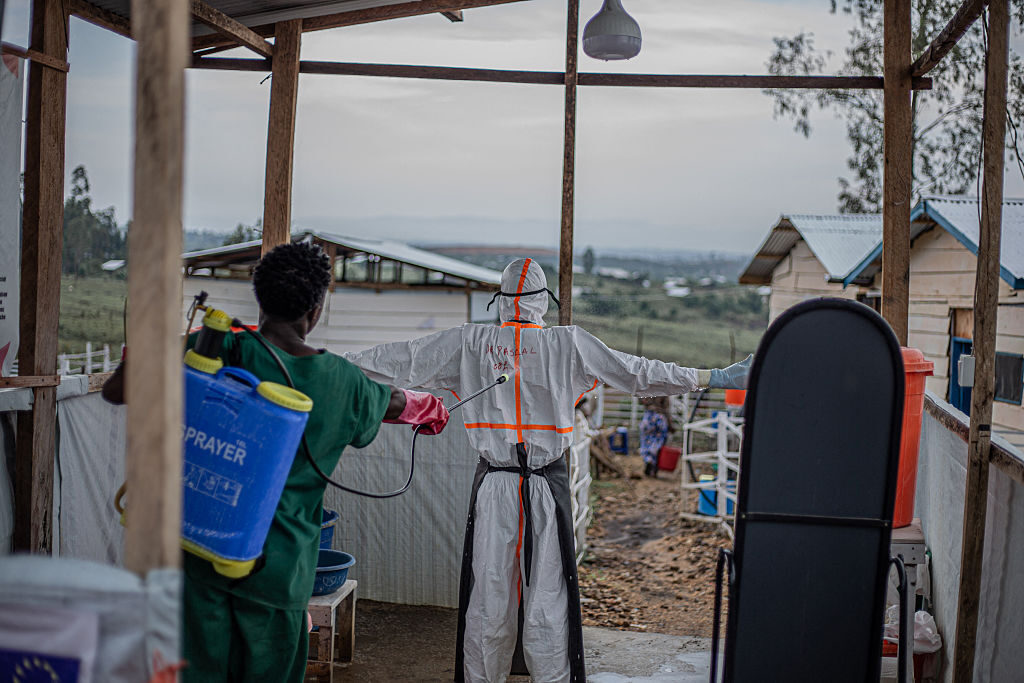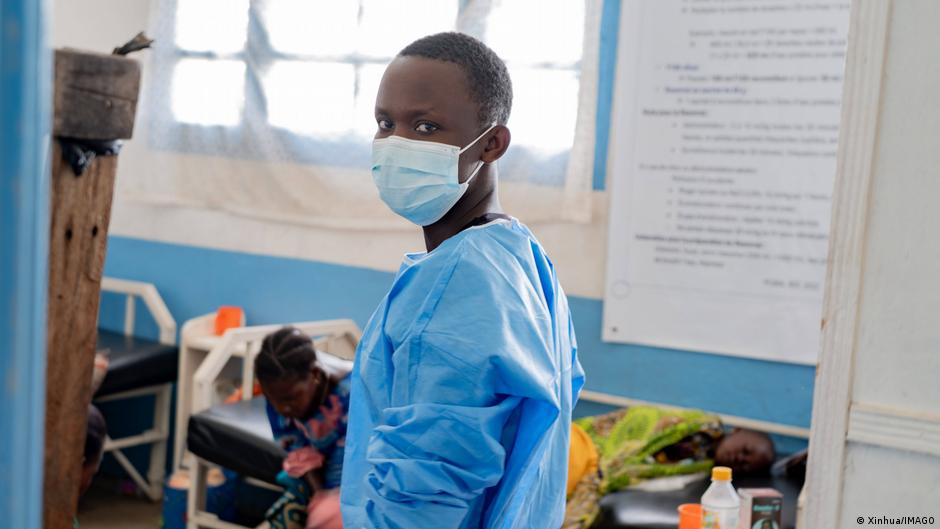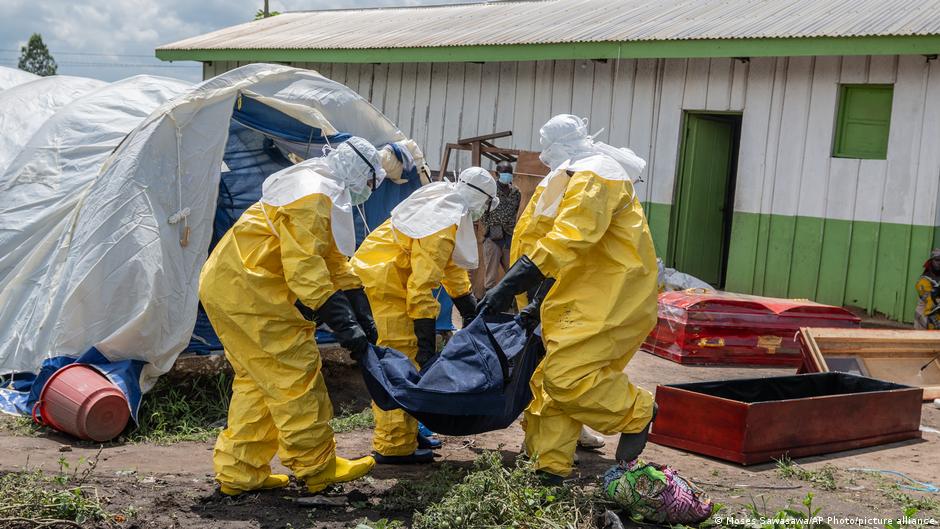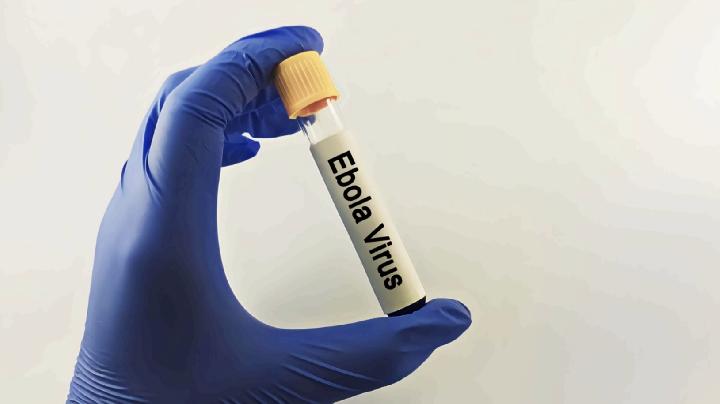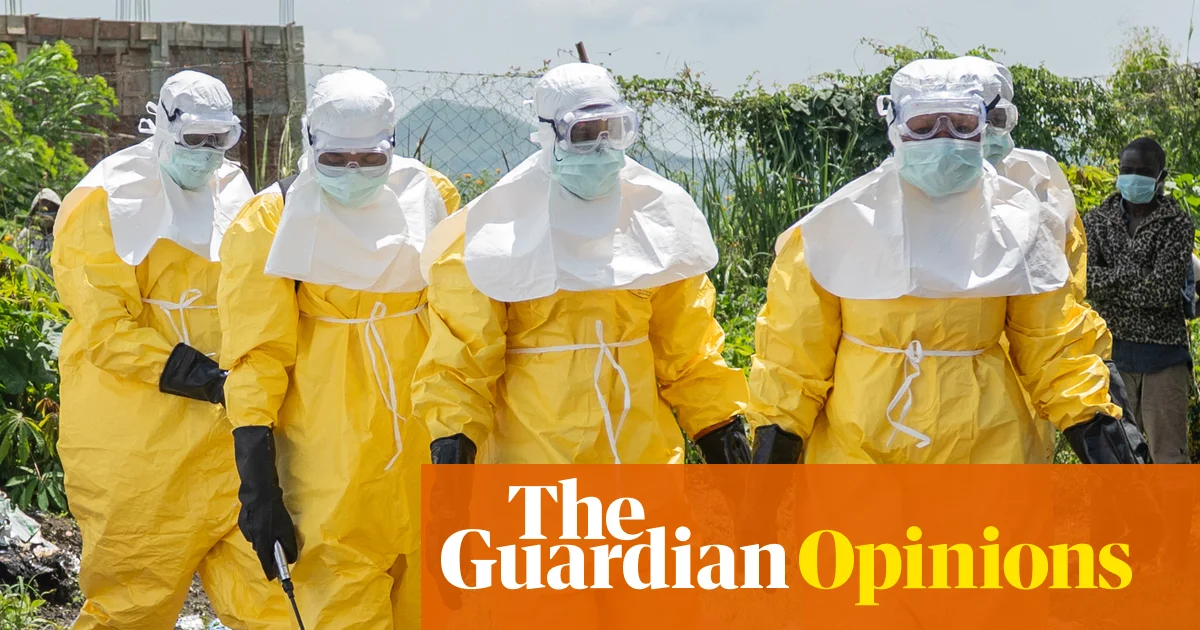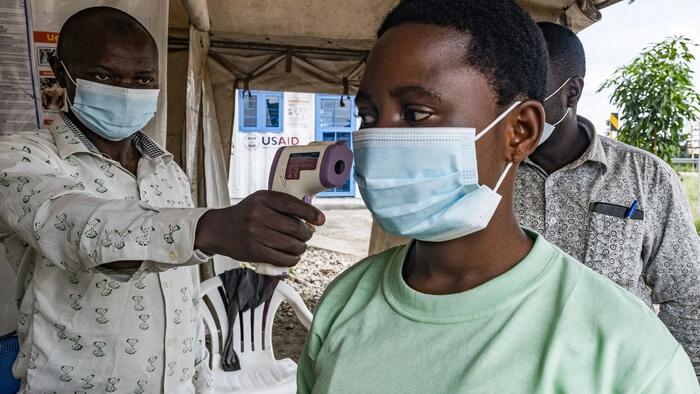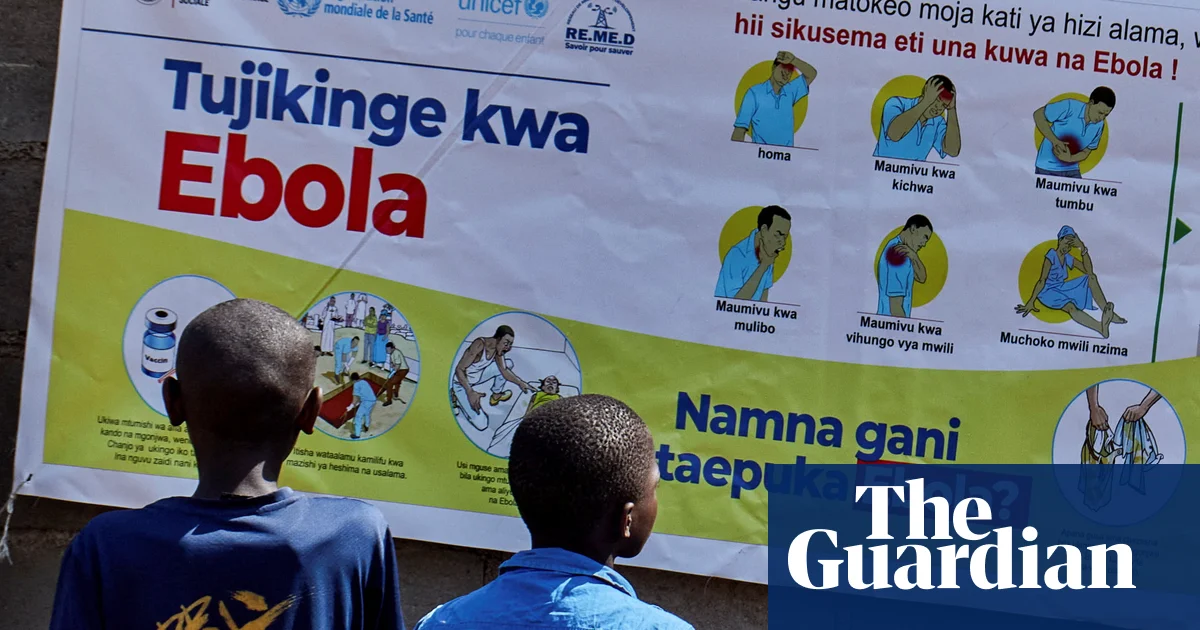
In 1995, a year into my assignment to West and Central Africa for the New York Times, I was pulled away from covering one of the conflicts then raging in that part of the continent to report on another kind of crisis, one that was new and utterly terrifying in the way it killed indiscriminately without resort to guns or violence: the Ebola virus.
Although by no means medically unfamiliar, before that year’s outbreak in Kikwit, Zaire (now the Democratic Republic of the Congo), this pathogen was still largely unknown to the world. That changed dramatically in the space of about a week, as international scientists and reporters rushed to Bandundu, the west-central province of Zaire where the disease was spreading, transmitting news of its extraordinary mortality rate and gruesome symptoms. Among others, these included bleeding from every orifice and projectile vomiting.
In 1995, a year into my assignment to West and Central Africa for the New York Times, I was pulled away from covering one of the conflicts then raging in that part of the continent to report on another kind of crisis, one that was new and utterly terrifying in the way it killed indiscriminately without resort to guns or violence: the Ebola virus.