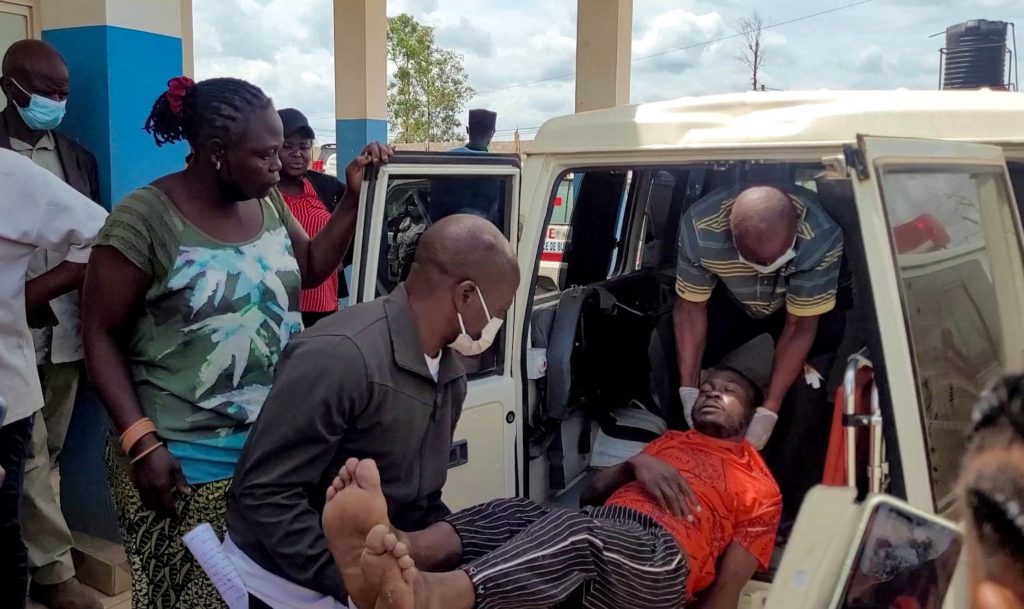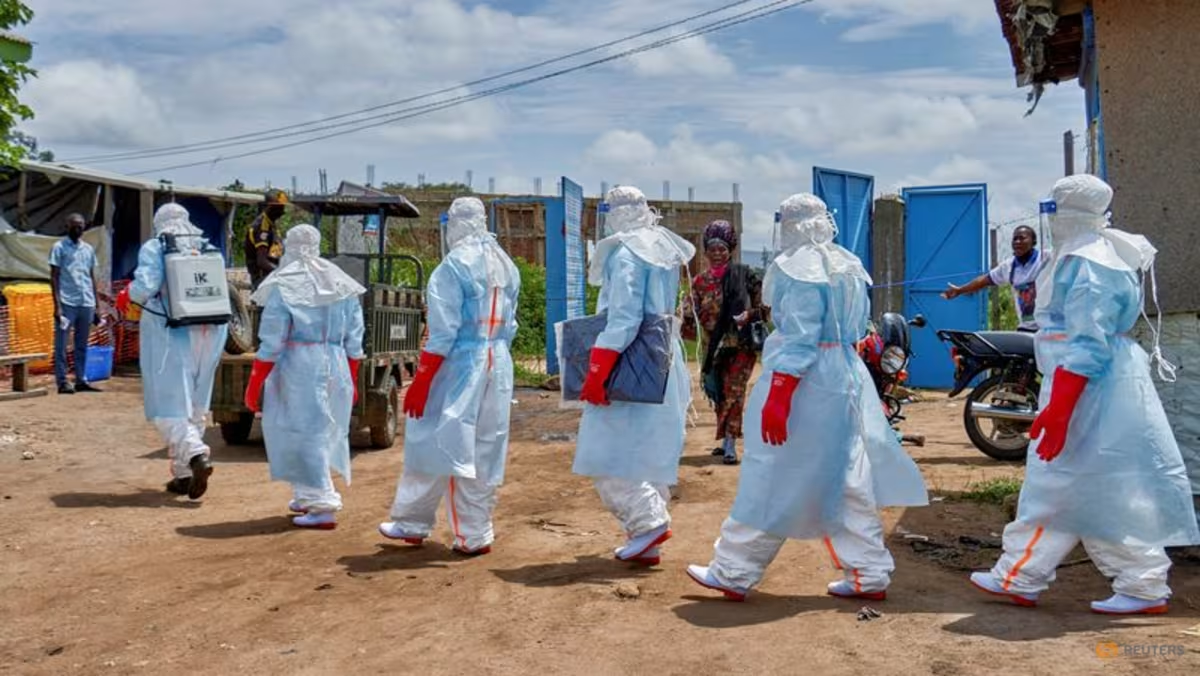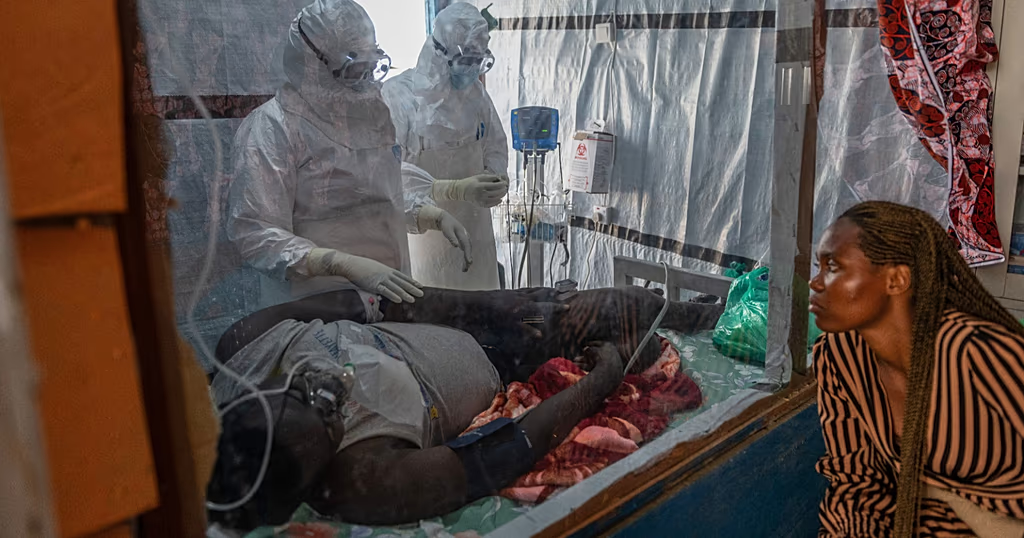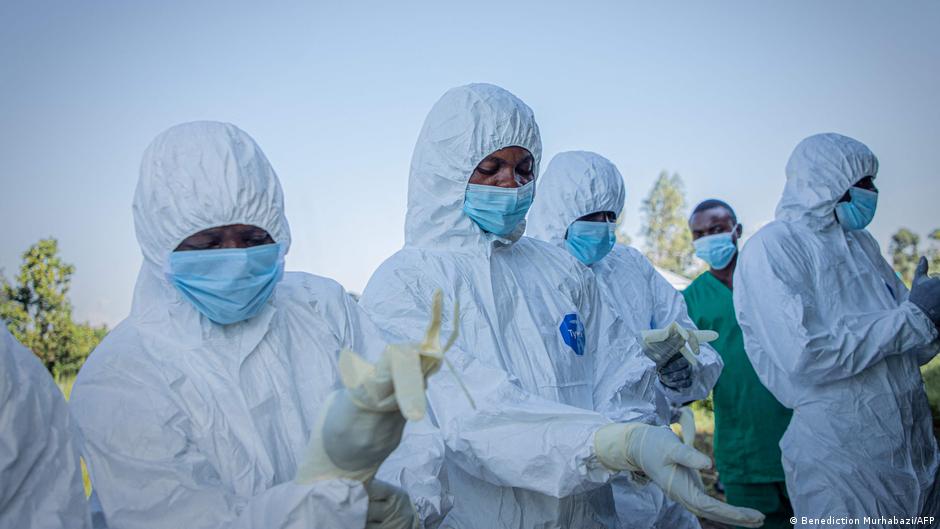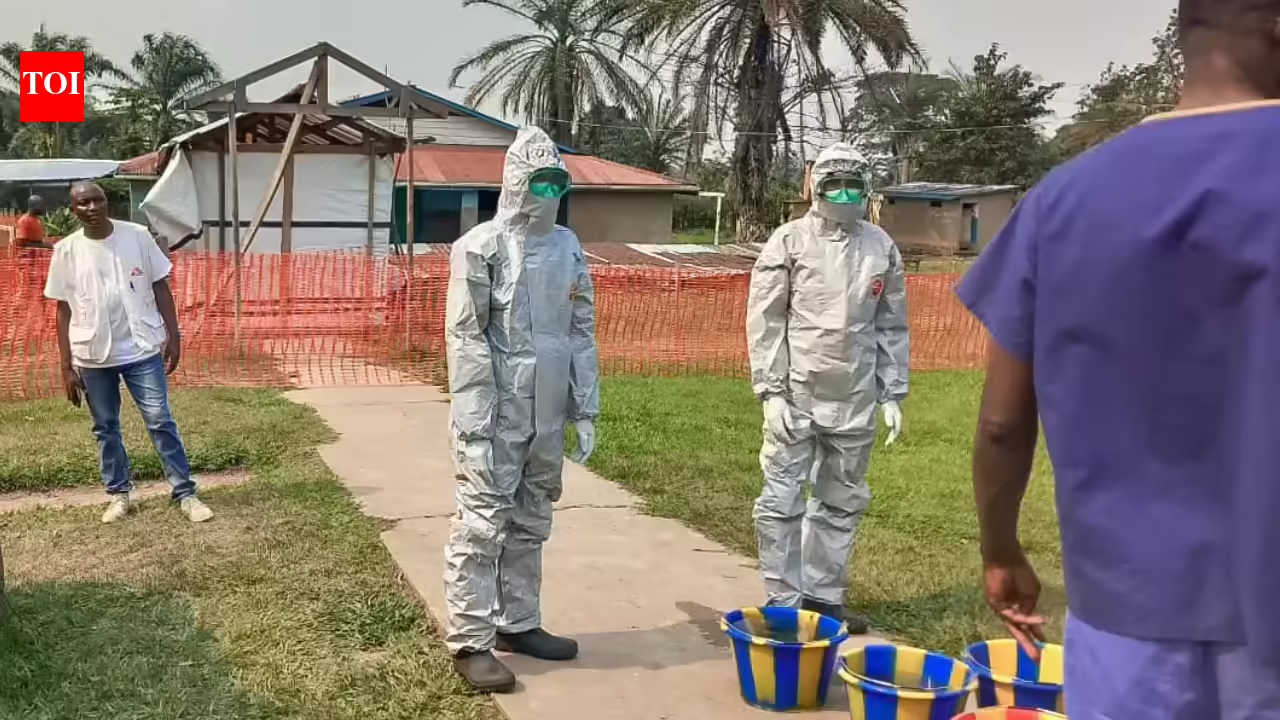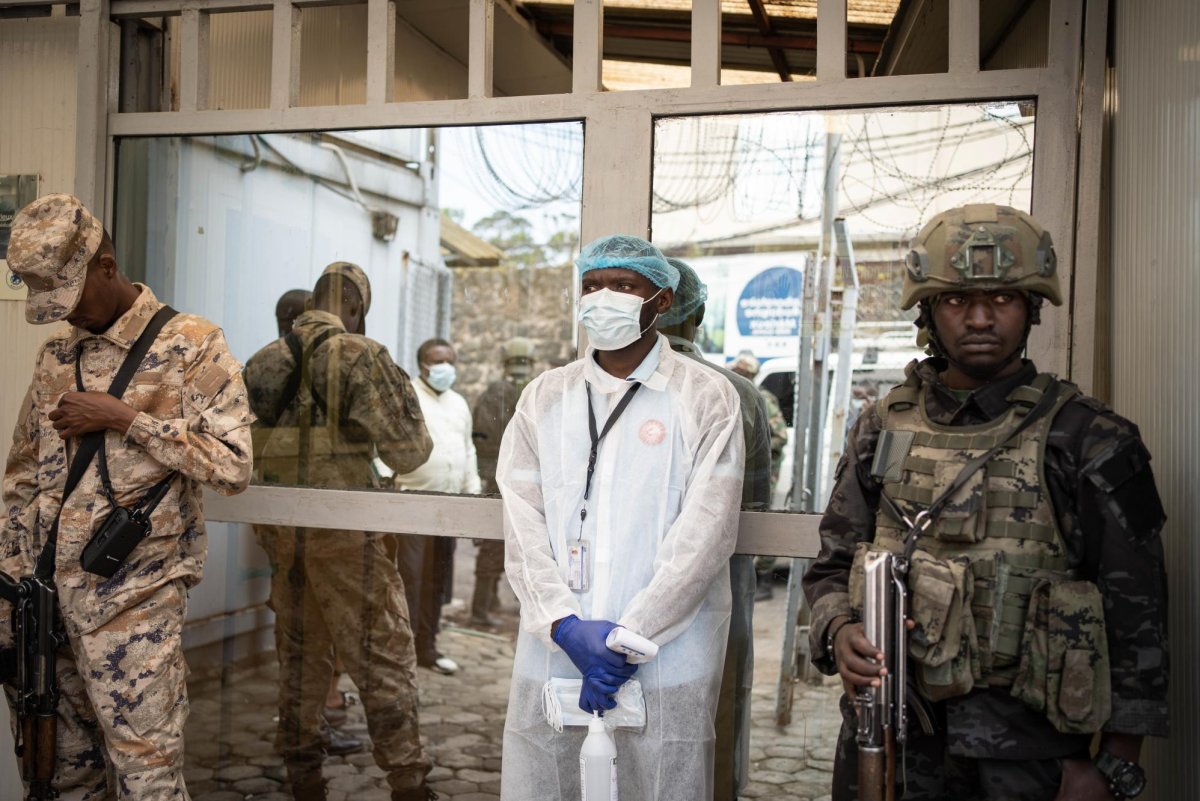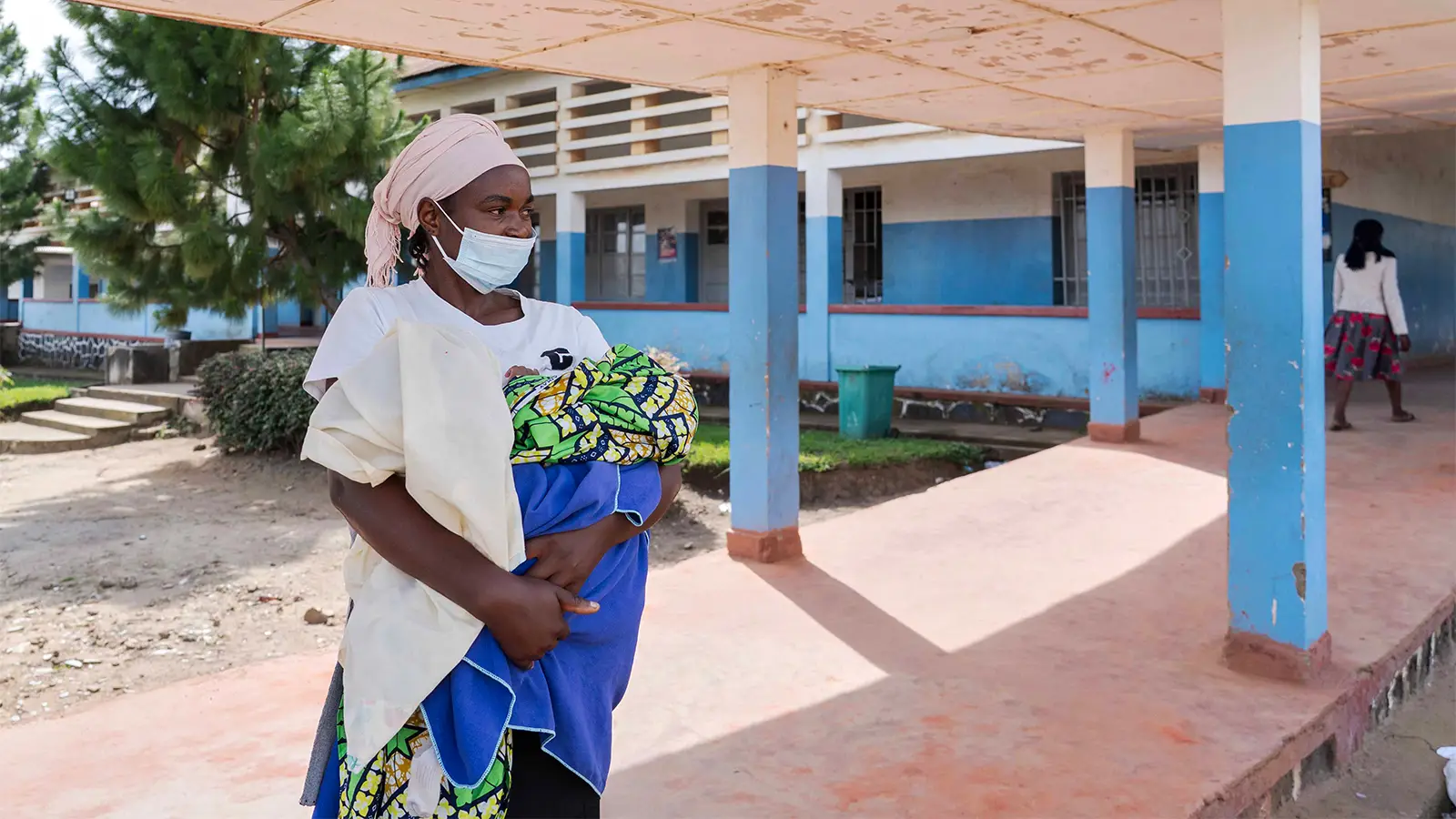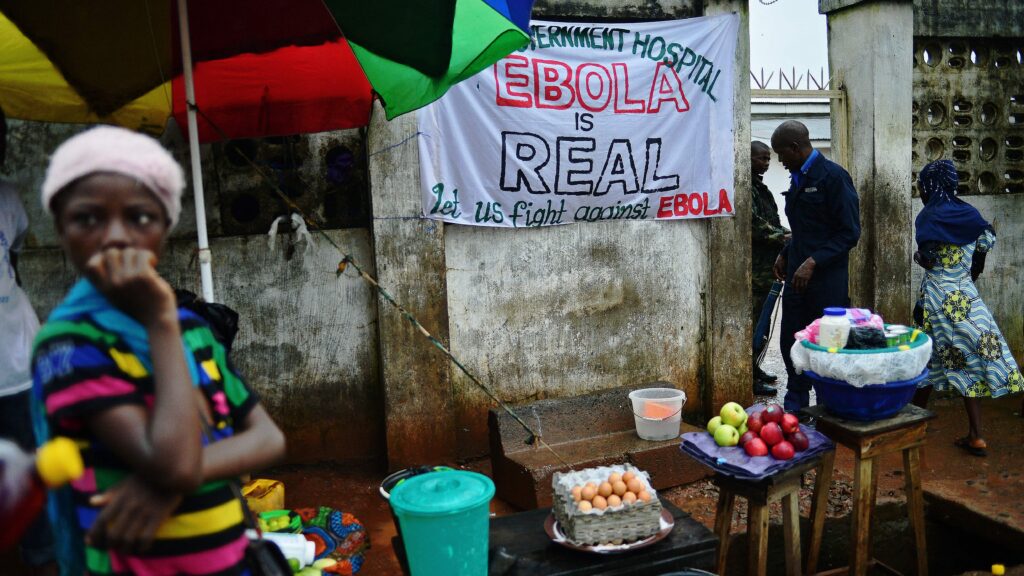
Amid another Ebola outbreak, hundreds of Africans are sick, displaced, fearful, or dead. Health care workers across Central Africa are once again caring for patients in overstretched hospitals with limited supplies, uncertain staffing, and enormous personal risk. Yet, as has happened before, the story has suddenly become about an American — in this case, a missionary and physician who became infected.
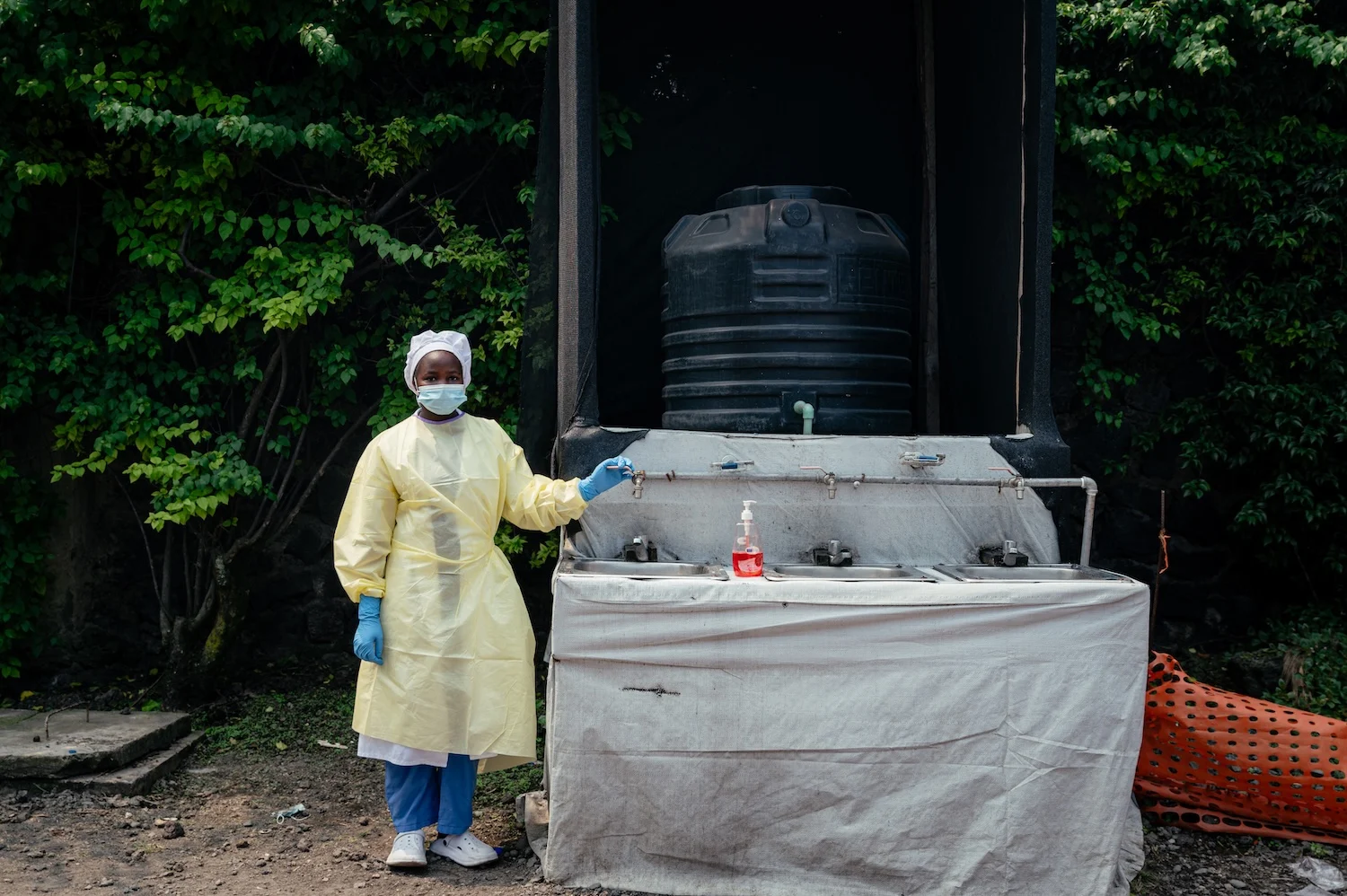
His suffering matters. But it’s frustrating to watch public attention during Ebola outbreaks gravitate toward the Western aid workers who become infected, while the local health care workers who sustain the response under far more difficult conditions receive far less recognition. Many work longer, with fewer resources and greater personal risk, yet their suffering remains largely invisible beyond the communities they serve.
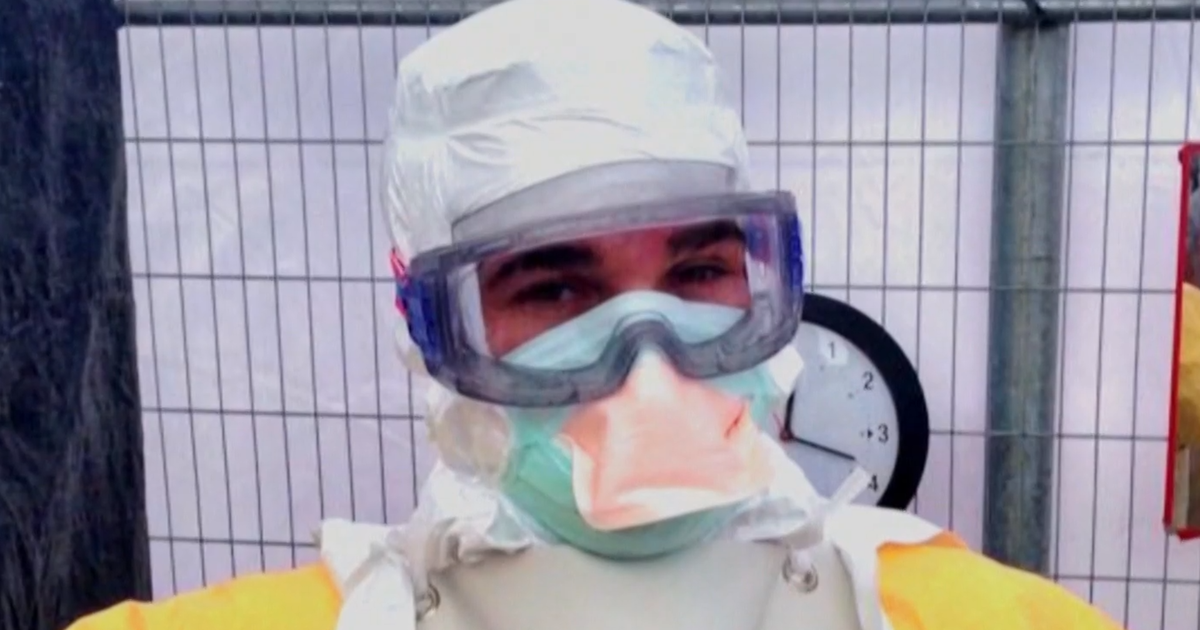
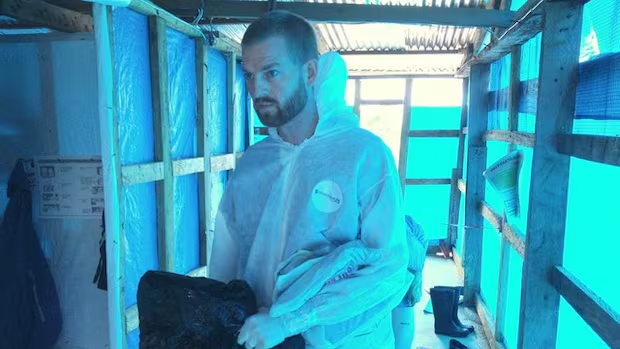
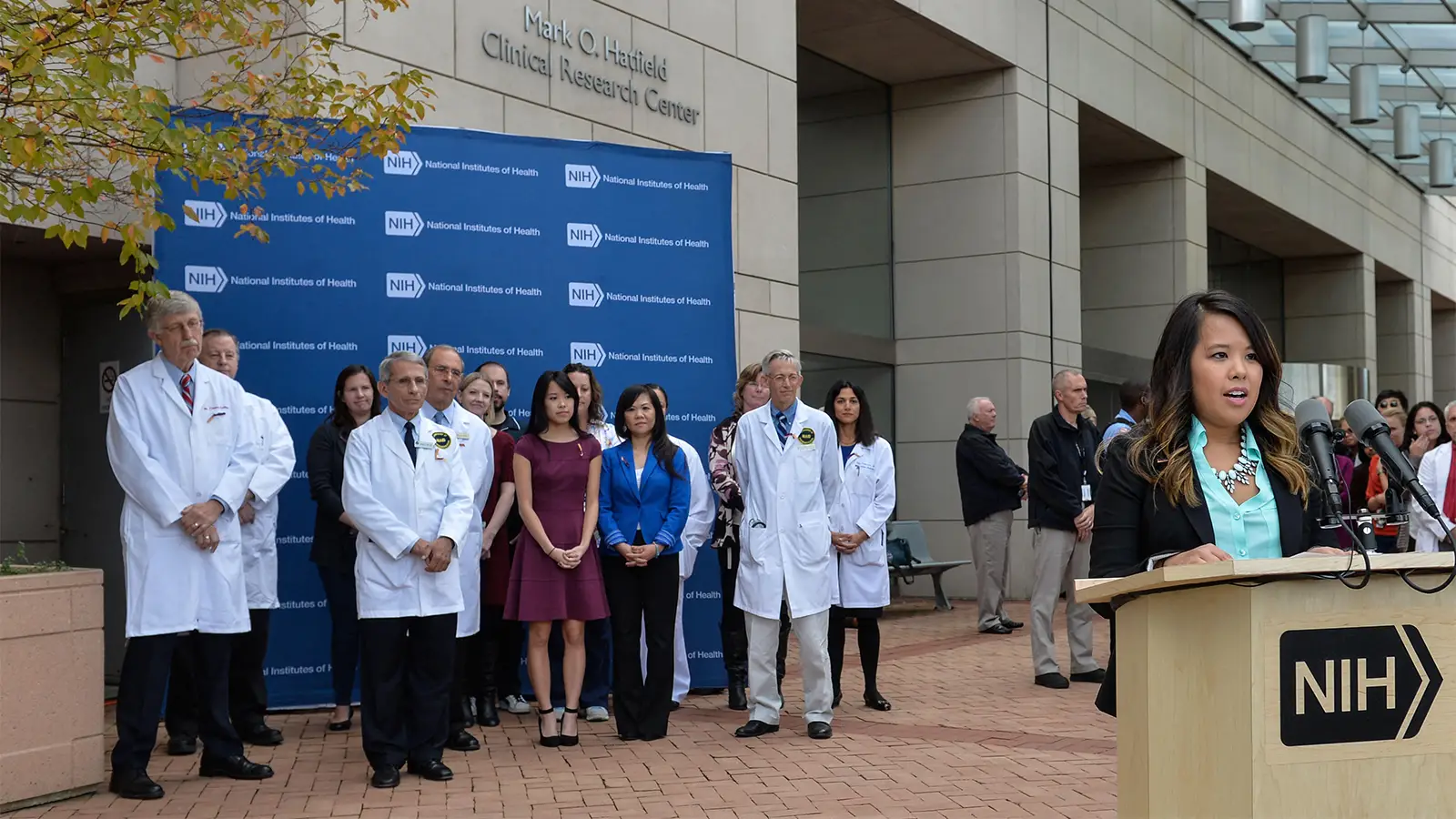
I know that shift firsthand. In December 2014, after months caring for Ebola patients in Sierra Leone, I returned home and became a suspected Ebola patient myself. For the first time I understood, from the inside, what my patients must have faced: the isolation, the loss of control, the feeling of being seen as a danger rather than a person.
For months, I helped run an Ebola Treatment Unit (ETU) in Sierra Leone during what is still the largest Ebola outbreak in recorded history. I cared for hundreds of patients, each leaving behind stories and images permanently etched into my memory.