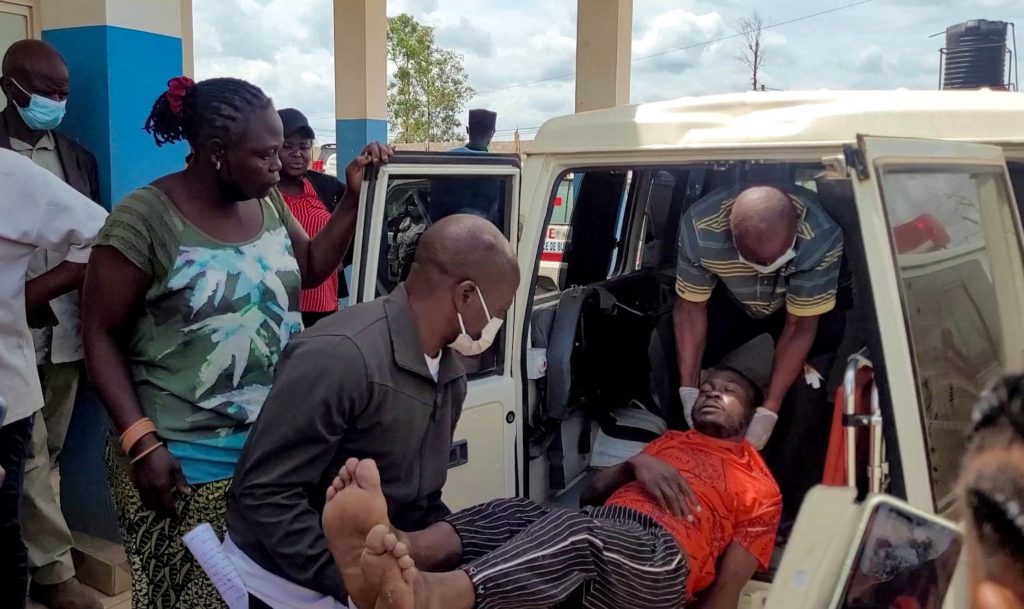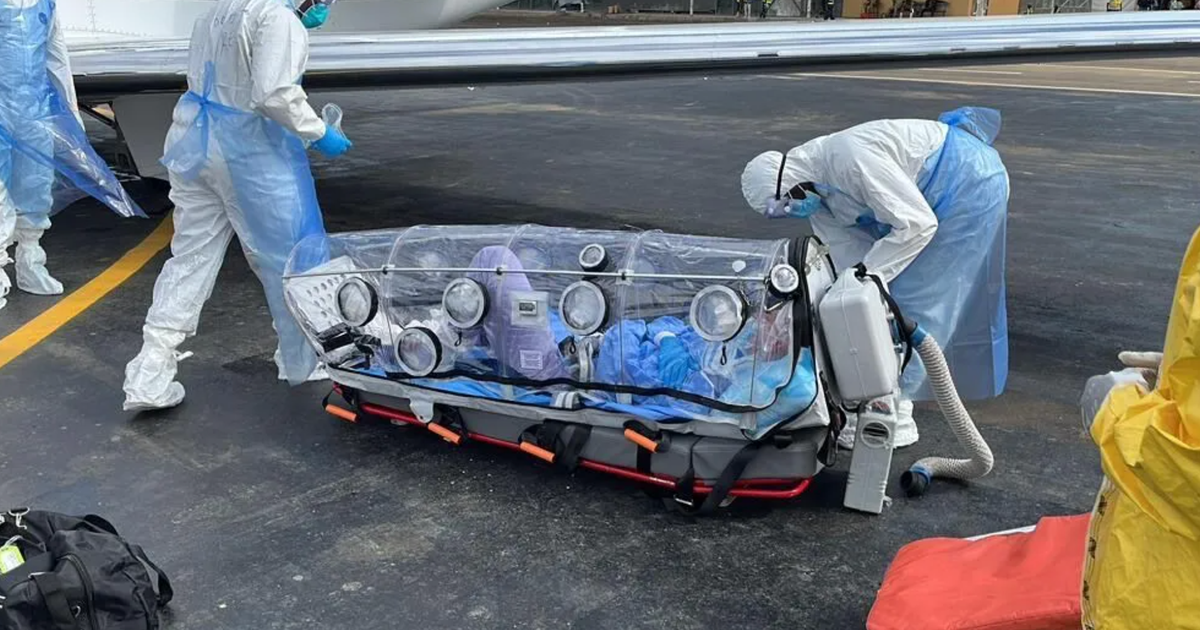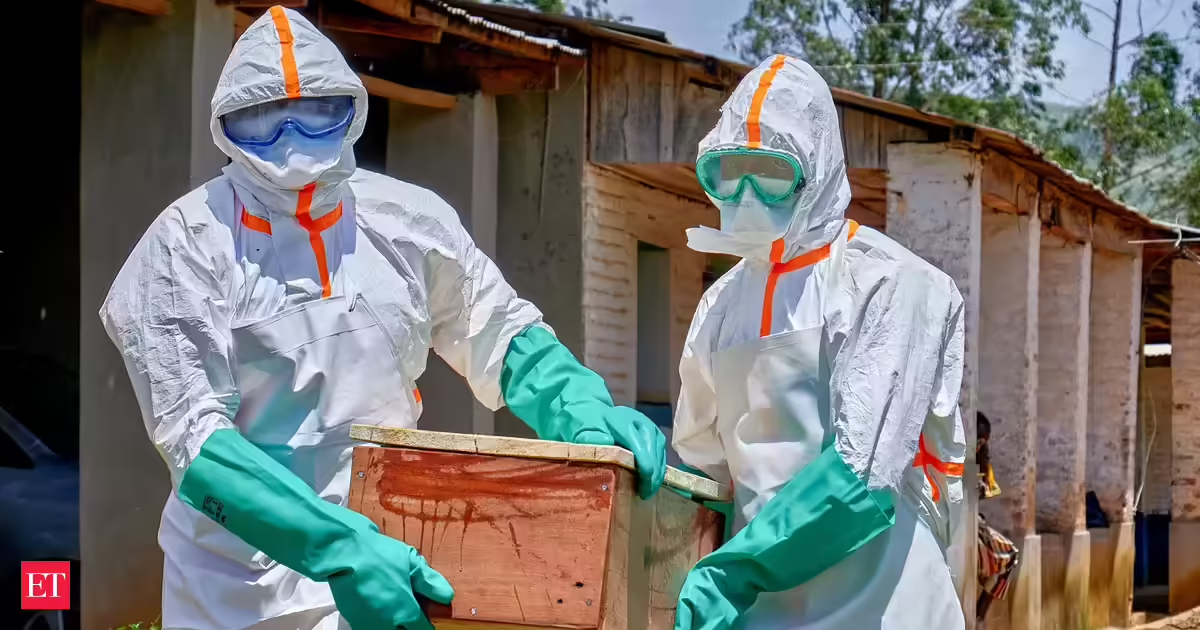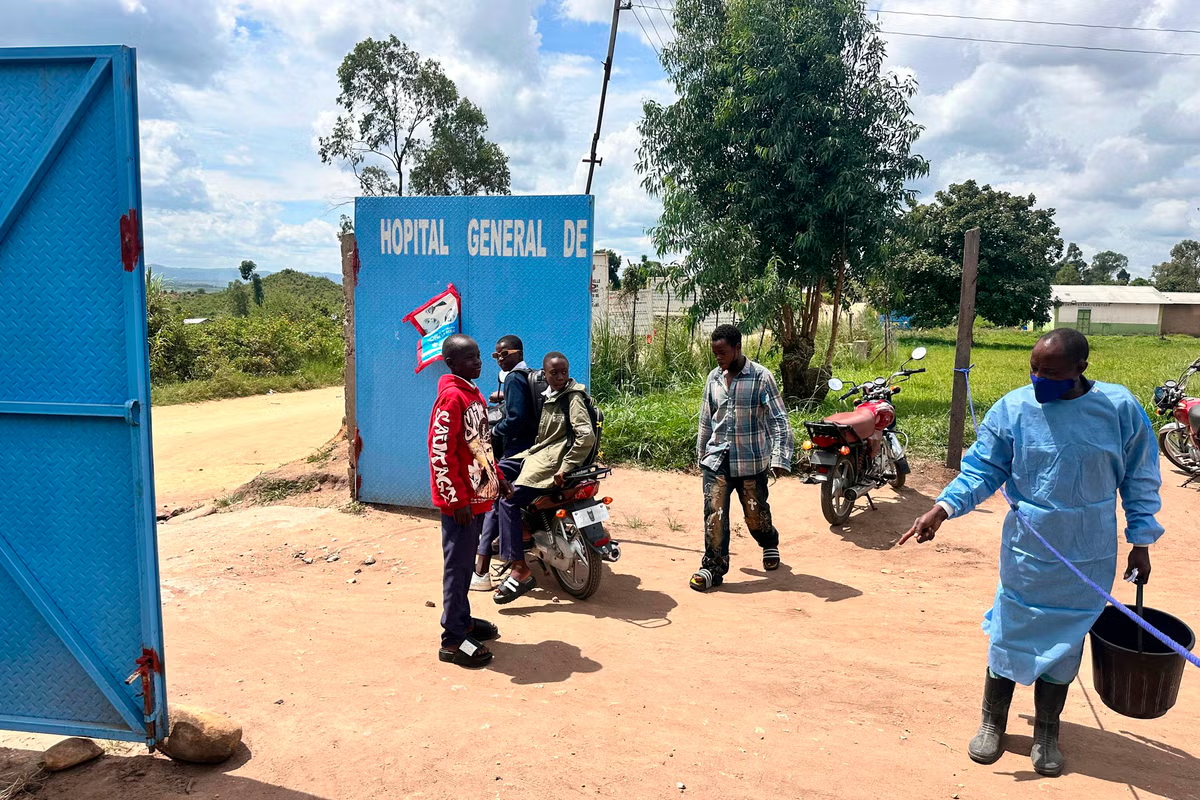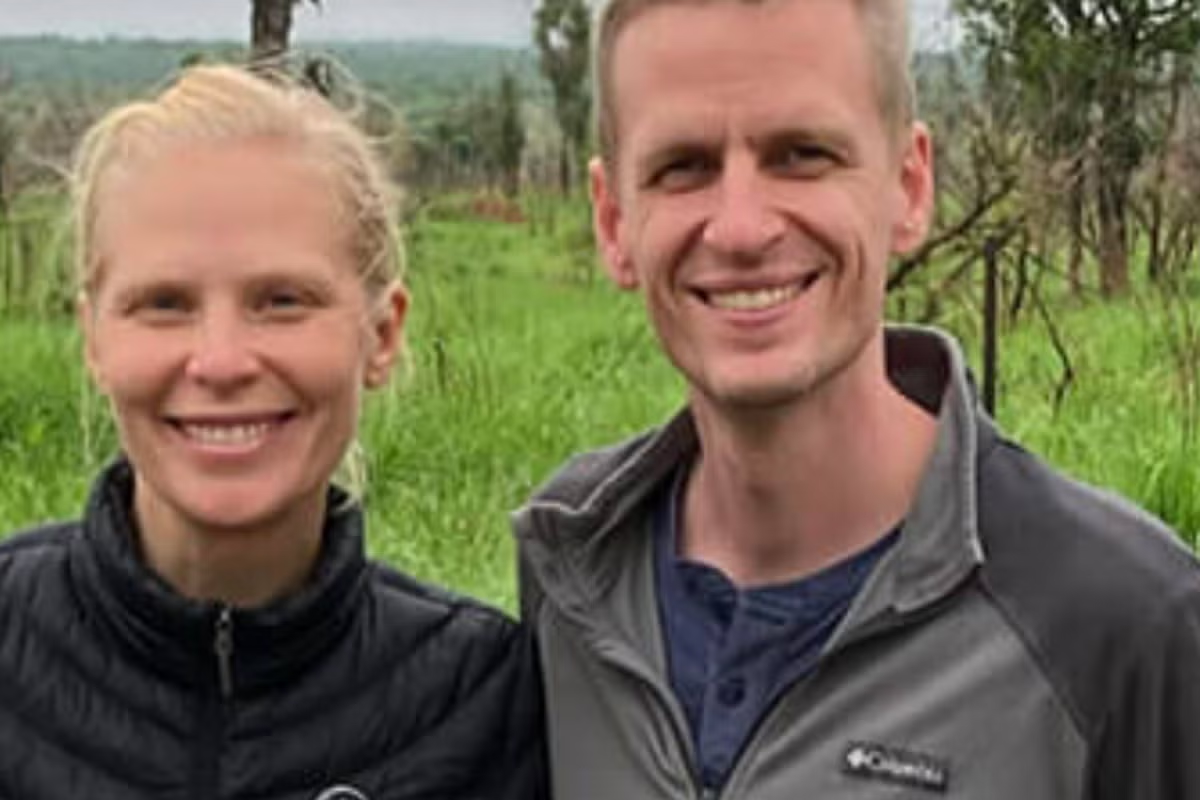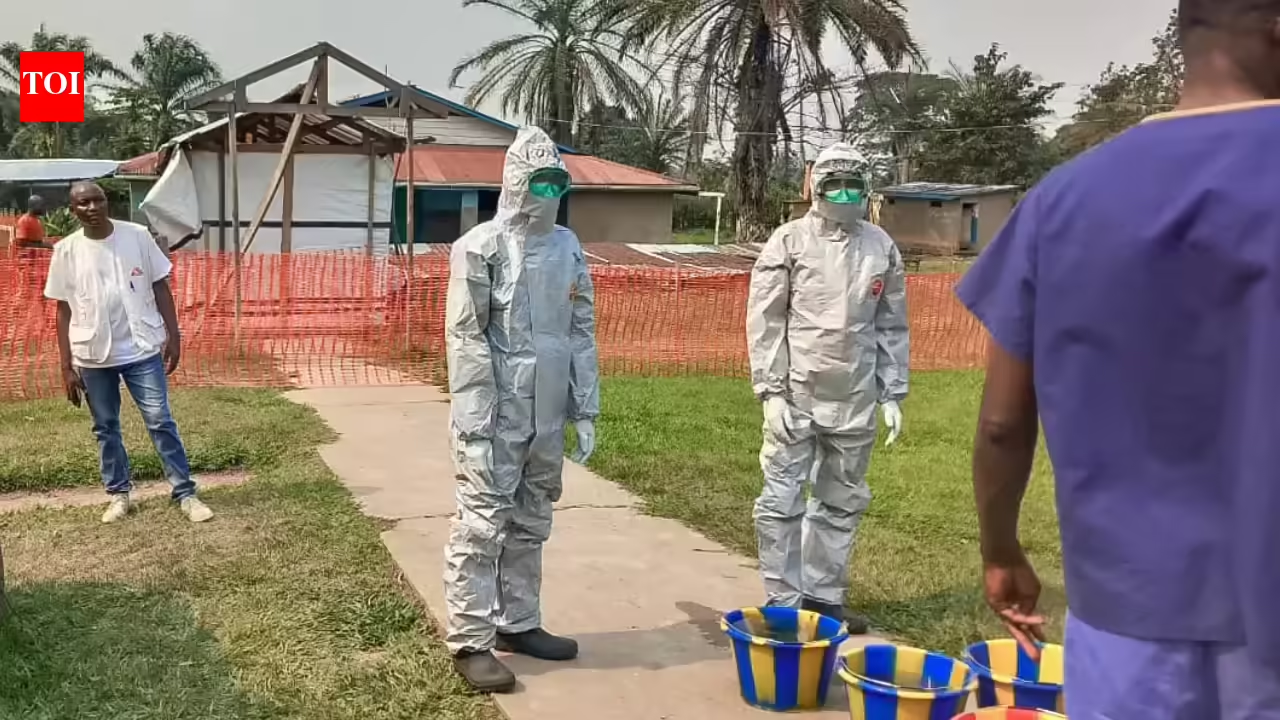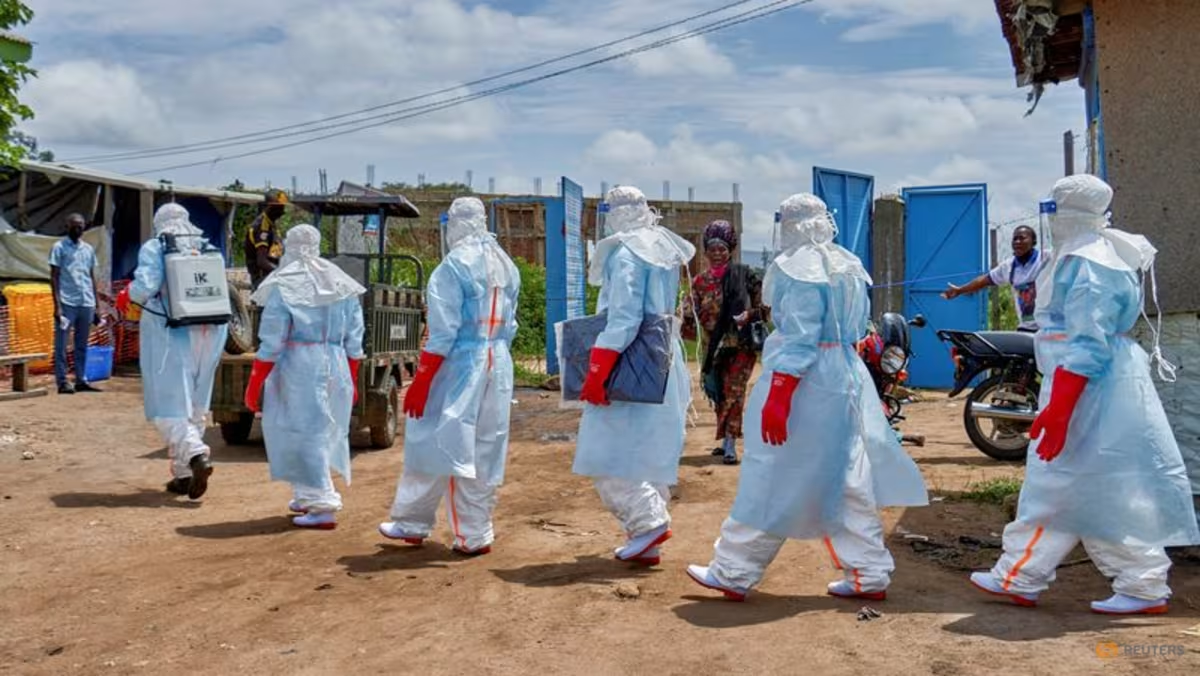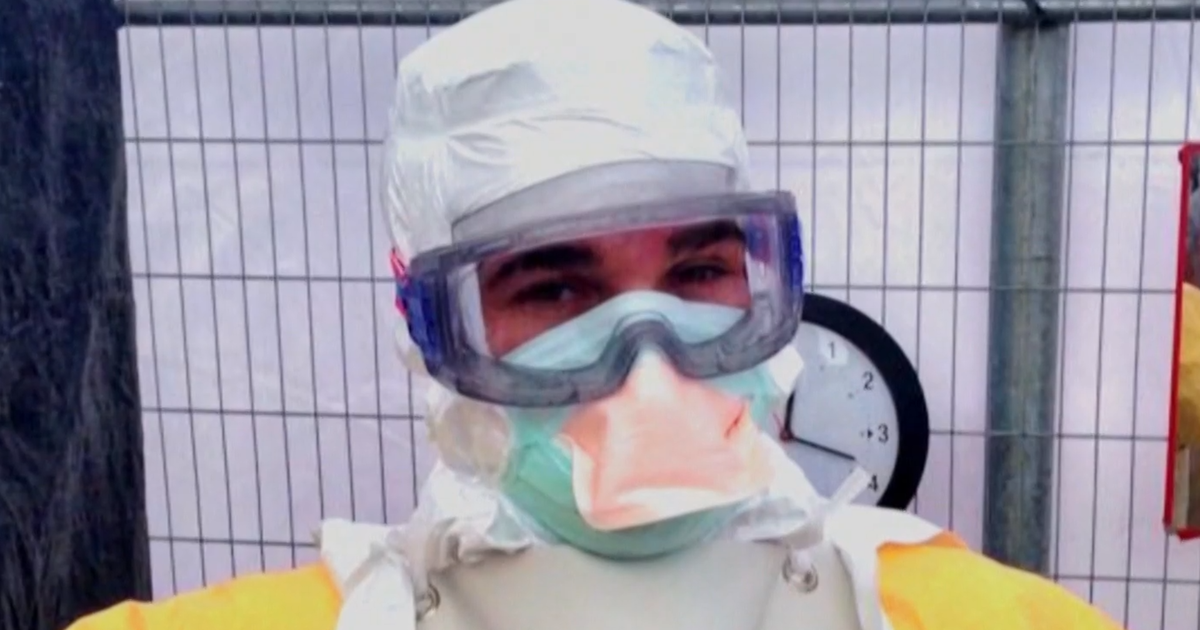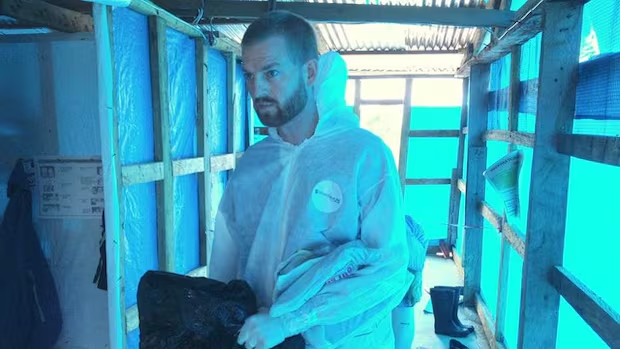
World·NewDr. Kent Brantly became critically ill with Ebola while on medical mission work during the 2014 outbreak. The U.S. physician survived, and is now watching with concern at the speed and spread of the current outbreak — which has no approved treatments or vaccines available.Dr. Kent Brantly was critically ill with Ebola while working in Liberia during 2014 outbreakMilla Ewart · CBC News · Posted: May 22, 2026 3:53 PM EDT | Last Updated: 24 minutes agoListen to this articleEstimated 5 minutesThe audio version of this article is generated by AI-based technology. Mispronunciations can occur. We are working with our partners to continually review and improve the results.Dr. Kent Brantly wears protective clothing during an assignment in Liberia in 2014. The Indiana physician got Ebola during medical missionary work that summer. (Dr Kent Brantly)Twelve years ago, on a hot, summer morning in Monrovia, Liberia, Dr. Kent Brantly woke up with an upset stomach. “I was praying that it was not Ebola,” he recalled. He thought maybe it was malaria because of the similar symptoms. He recounts the fear he felt when, through the barrier of his bedroom window, a colleague delivered the news he tested positive for Ebola. As he processed the result, he called his wife.“I was apologizing because I thought I was going to die. And I felt very sad that I was gonna be leaving my wife and two little children,” said Brantly. He survived, with medical care in Liberia — including prioritized access to an experimental therapy — and evacuation to the U.S., where he was the first person in the country treated for the disease. More than half of all Ebola patients in the 2014 outbreak died.Now, the deadly Bundibugyo strain of the Ebola virus stalks the Democratic Republic of Congo and Uganda with no vaccine. Locals are turning their frustrations into fire, as an attack on an Ebola hospital occurred on Thursday. "Ebola is an illness that carries a lot of stigma," he said."I want to call for a calm, measured, compassionate response from the governments of the world, from the people of the word." WATCH | Ebola survivor describes challenges of current outbreak:‘Caregiver’s disease’Brantly is still unsure how he contracted the Zaire strain of Ebola. Maybe it was holding the hand of a patient’s daughter at the Ebola treatment unit, comforting her about her mother’s illness. It’s sometimes called a “caregiver’s disease,” he notes, because of the risk of transmission to health-care workers or any family member caring for a sick person. The virus can also spread from body fluids on surfaces, or when tending to the body of someone who has died — which has led to conflicts about burial practices.Nearly 600 health-care workers were infected with the virus during the 2014 epidemic in Western Africa. Workers line up to disinfect their protective equipment at General Referral Hospital of Mongbwalu during the Ebola outbreak response in Mongbwalu, Ituri province, eastern Democratic Republic of Congo, on Wednesday. (Getty Images)“Ebola is a very difficult disease to deal with. It has that fear factor that spreads panic in communities,” said Brantly, who now works as the chief operations officer at Christian Health Service Corps.As of Friday, the World Health Organization said there were nearly 750 suspected cases and 177 suspected deaths caused by the Bundibugyo strain of the virus — at least four of these suspected deaths are health-care workers. WATCH | WHO raises regional risk assessment to 'very high' in Ebola outbreak:Ebola outbreak in Congo 'spreading rapidly,' WHO chief says7 hours ago|Duration 2:09World Health Organization Director-General Tedros Adhanom Ghebreyesus says the Ebola outbreak in the Democratic Republic of Congo is spreading, prompting the organization to change its risk assessment to 'very high' at the national level, while keeping it 'high' at the regional level and 'low' at the global level.Unrest in regionThe location of the outbreak, in a border region with a lot of movement due to mining, is making containment more difficult, health officials have said.A weak health-care infrastructure in the rural area and civil unrest involving armed conflict have left health-care workers scrambling and subject to disparagement.“There can often be a lot of sensationalization and fear-mongering,” said Brantly about what the beginning of an outbreak is like.Brantly says it is “only going to make it more difficult to contain this outbreak.”On Thursday, a crowd set Ebola hospital tents on fire in the Democratic Republic of Congo. The attack occurred after a family was prevented from burying their son, who is suspected to have died from the virus. Gunshots were also fired by police to disperse the crowd.A Congolese police officer stands guard at the burning Ebola treatment centre in Rwampara general hospital in Rwampara outside Bunia, Ituri province, Democratic Republic of Congo on Thursday. (Gradel Muyisa Mumbere/Reuters)A statement released from the Alliance for International Medical Action warns of misinformation spreading on the internet and social media, which fuels mistrust and violence towards health facilities and further burdens their ability to adequately provide care.Other control protocols, including full-body personal protective equipment, rapid test kits and contact tracing, are all pivotal in reducing transmission. On Tuesday, WHO mobilized 12 tonnes of emergency supplies to the Democratic Republic of Congo to contribute to improving those chances. Canadian Red Cross workers are currently on their way to assist contact tracing.A young girl washes her hands before entering Kyeshero Hospital at a checkpoint for hand washing and temperature screening for all visitors and patients entering Kyeshero Hospital, as part of Ebola prevention measures in Goma on May 18, 2026. (Photo by Jospin Mwisha / AFP via Getty Images) (AFP via Getty Images)‘We need to do whatever we can’Brantly is grateful for the medical team that took care of him in Liberia, who administered an experimental, intravenous treatment of monoclonal antibodies known as ZMapp. (Developed in part at the National Microbiology Laboratory in Winnipeg, it never received approval for widespread use.)That type of treatment was a privilege those in the current outbreak do not have access to. There are now two vaccines and treatments available for the strain of Ebola Brantly fought. None are approved for the Bundibugyo virus in the this Ebola outbreak, though some are under development.As rare Ebola virus spreads in Congo, residents say 'nobody knows whether they are safe'This Ebola outbreak is particularly worrying. That doesn't mean it's a threat to CanadiansStill, early care for specific symptoms, including fluid replacement and oxygen support, can help people survive, according to the WHO. “We should be concerned about the wellbeing of our neighbors in East Africa and the ways that people can help,” said Brantly. “We need to do whatever we can to come to their aid.”In an email to CBC, Global Affairs Canada says as of May 19, there are over 3000 Canadians registered in the area and one Ontario resident is being tested after traveling to East Africa. ABOUT THE AUTHORMilla Ewart is a Toronto-based journalist interning as an associate producer for CBC in London, U.K. She is currently completing her Master of Journalism at Toronto Metropolitan University. You can reach her at milla.ewart@cbc.ca.
Ebola survivor calls for compassion as fear, unrest spread during outbreak | CBC News
Dr. Kent Brantly became critically ill with Ebola while on medical mission work during the 2014 outbreak. The U.S. physician survived, and is now watching with concern at the speed and spread of the current outbreak — which has no approved treatments or vaccines available.
1,180 words~5 min read