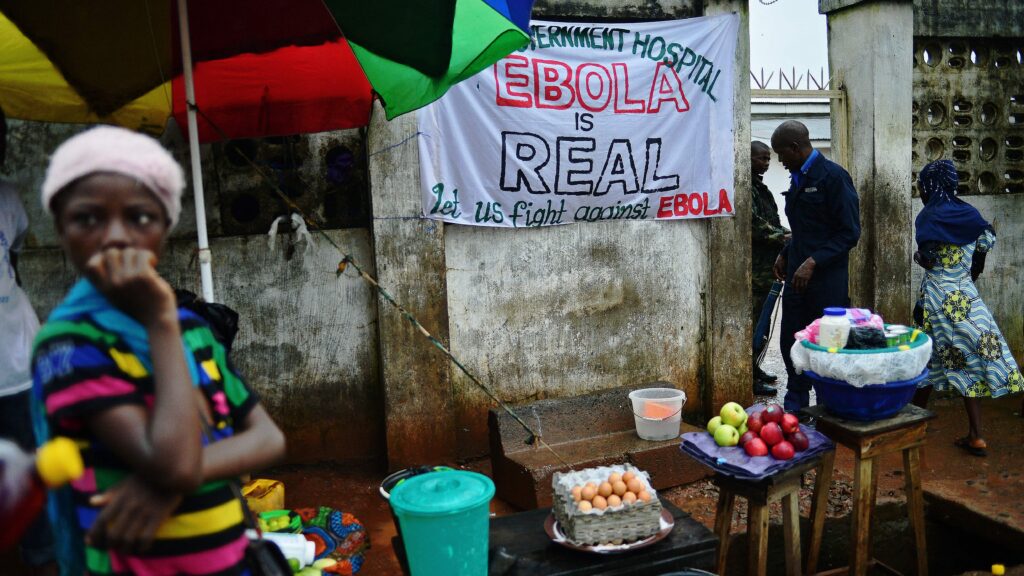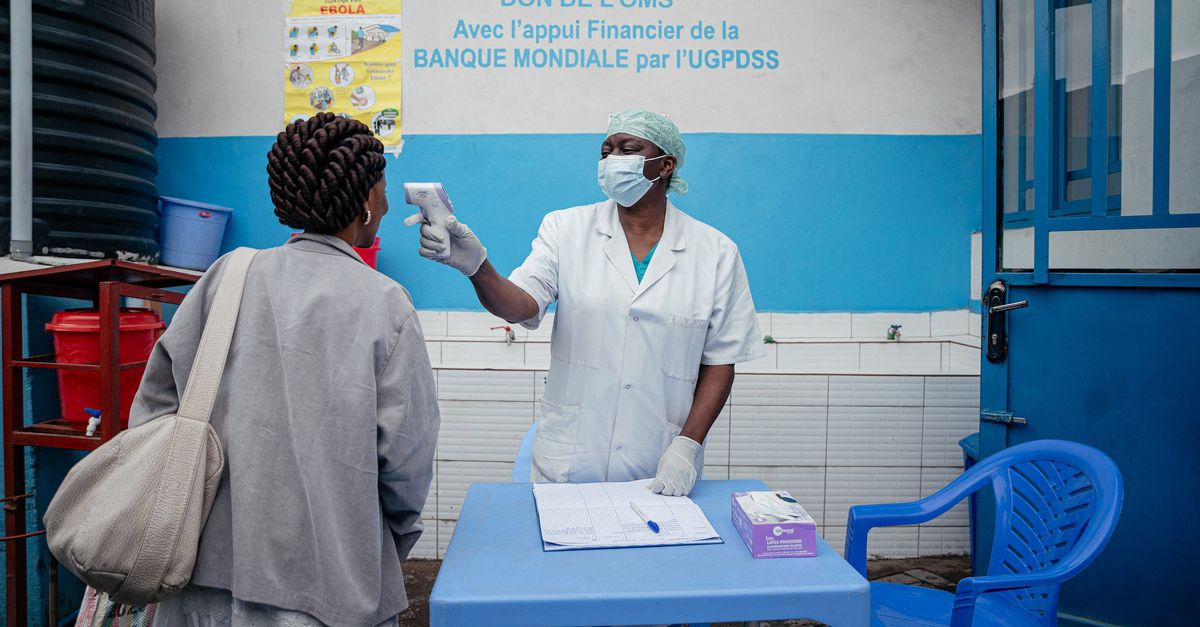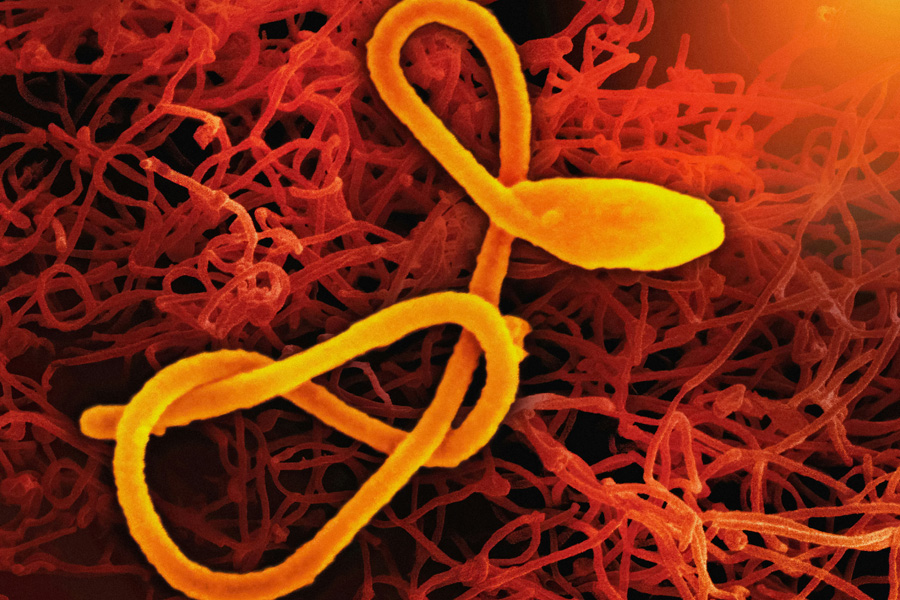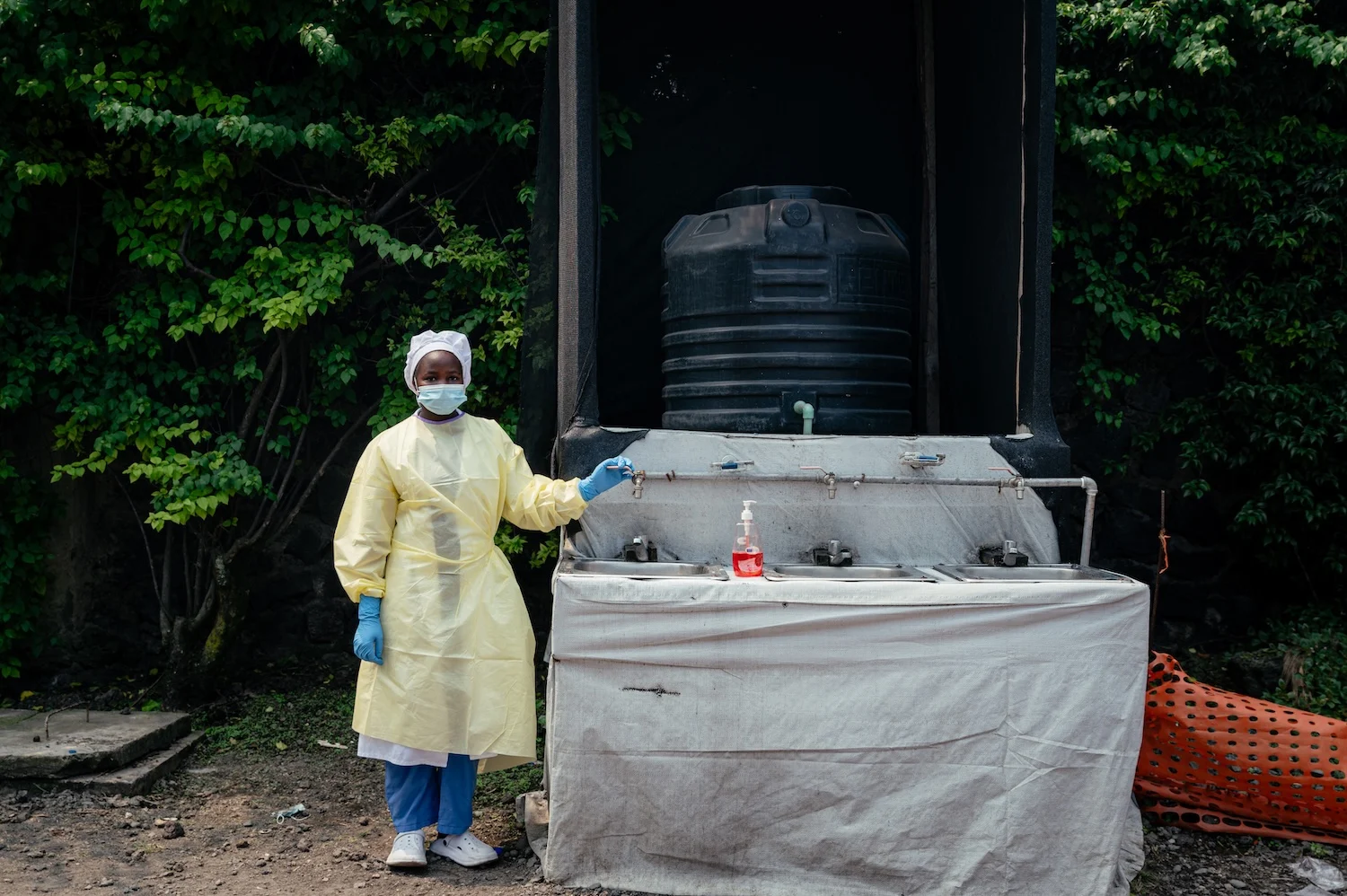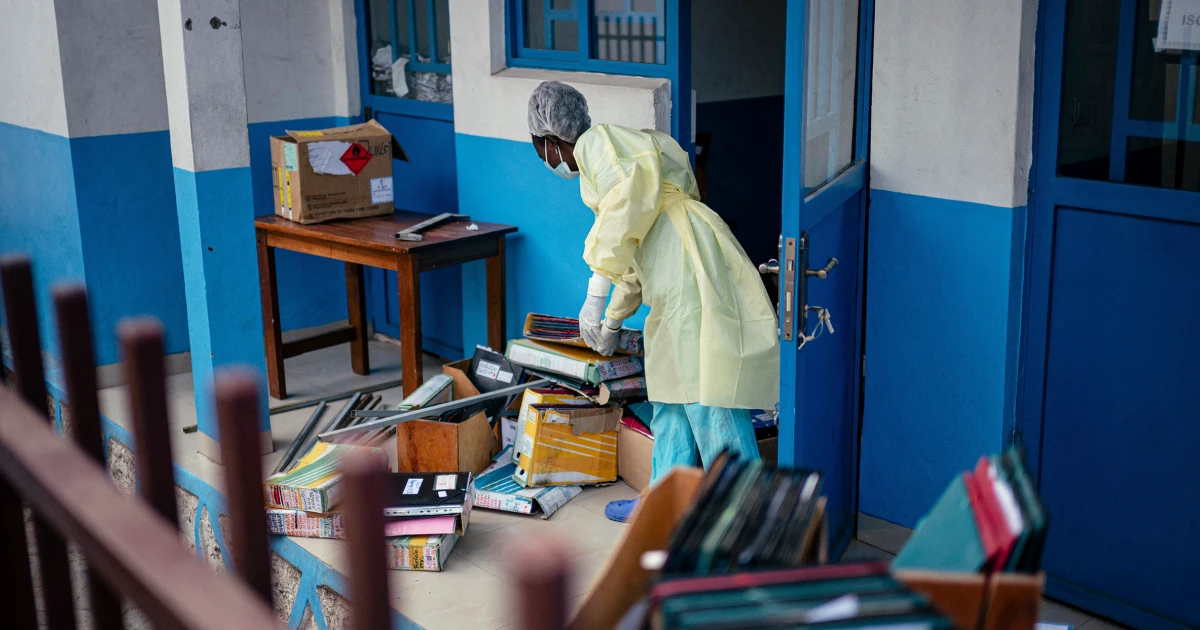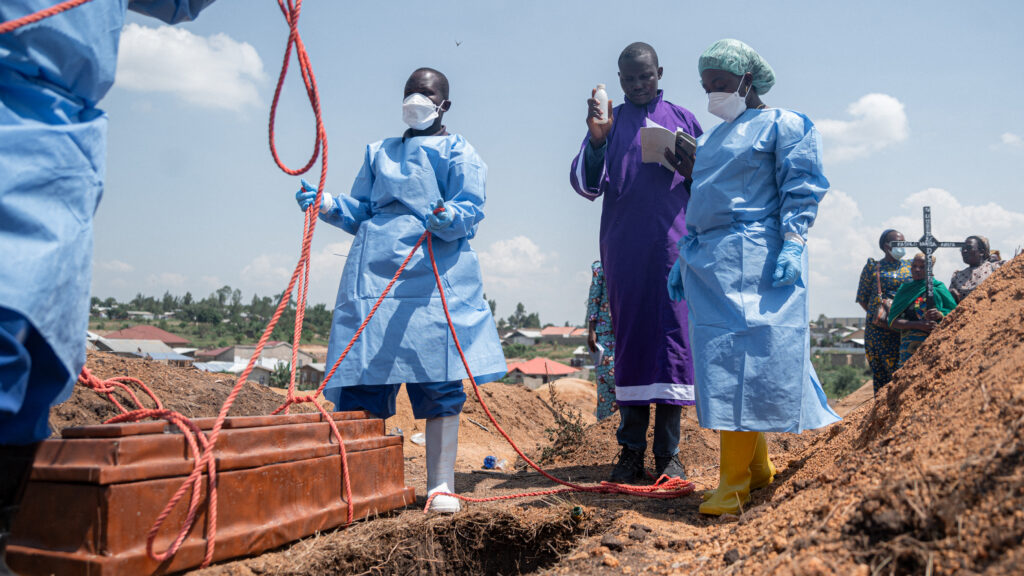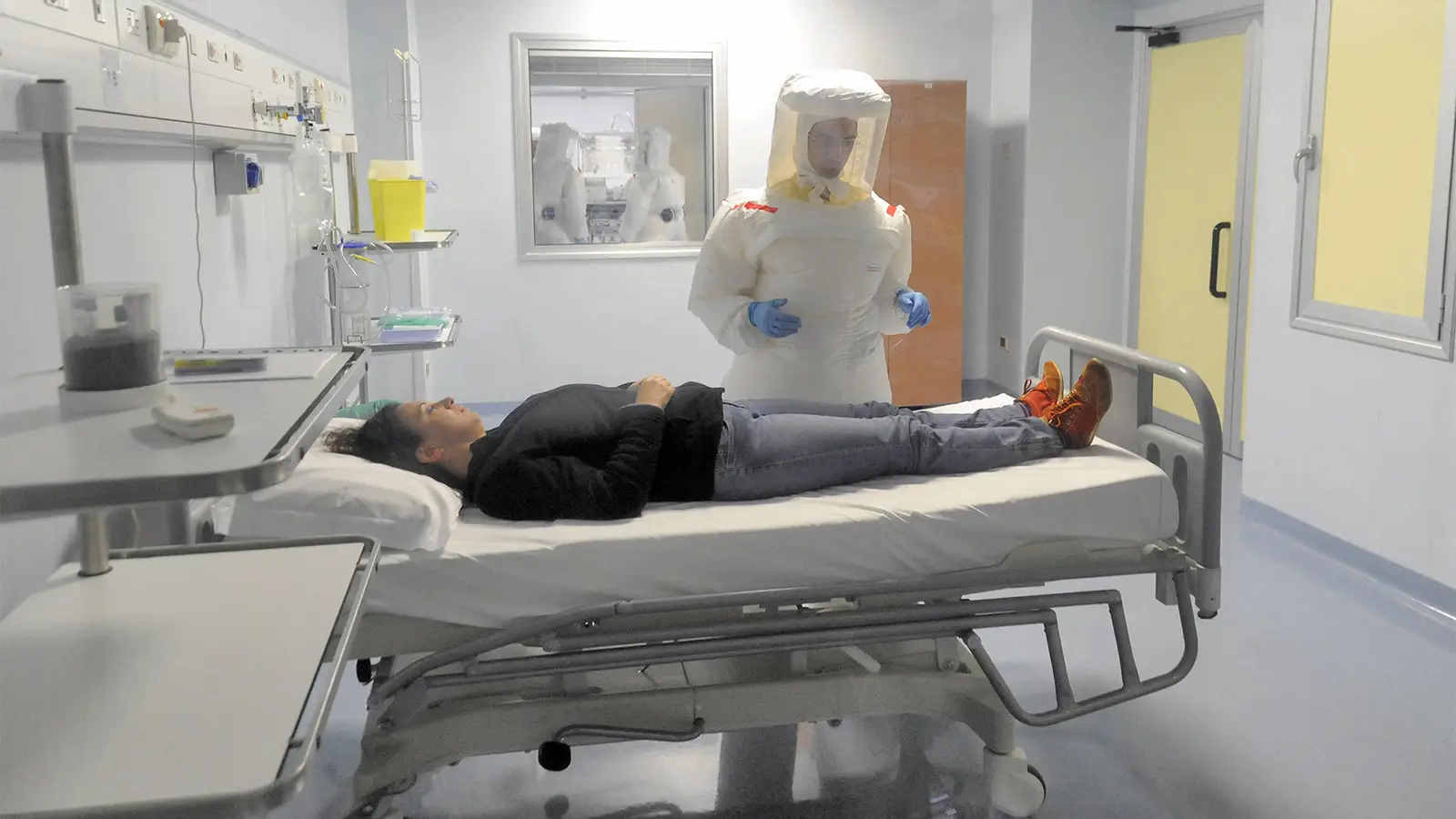
Long before it was first identified in 1976, Ebola disease, the mysterious illness capable of causing fever, vomiting, and bleeding, struck fear into the hearts of those who encountered it. And reasonably so -- Ebola has a terrifyingly high fatality rate (ranging from 30-90%), causes physically agonizing symptoms, and until recently had no proven vaccine or treatment.
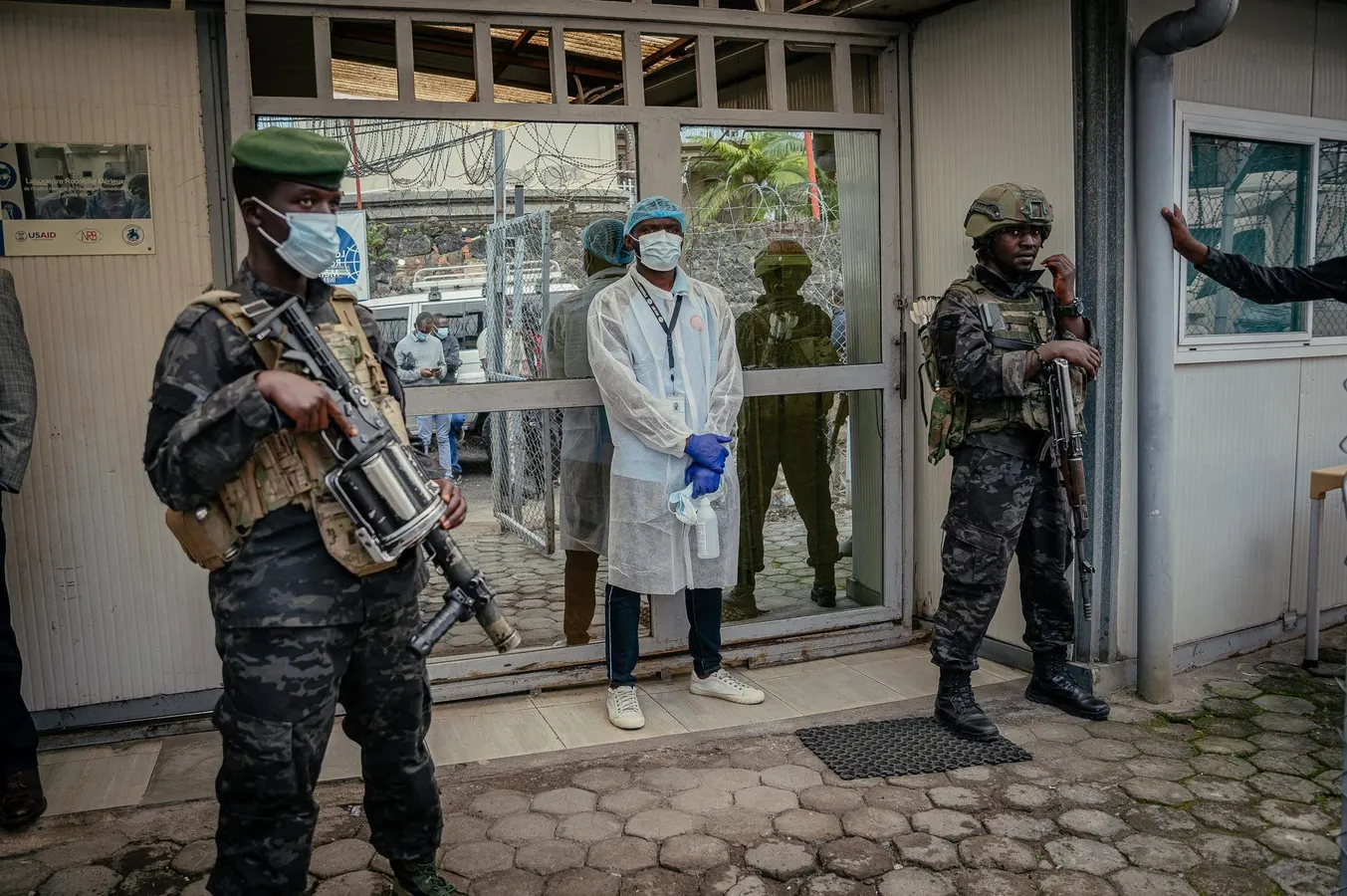
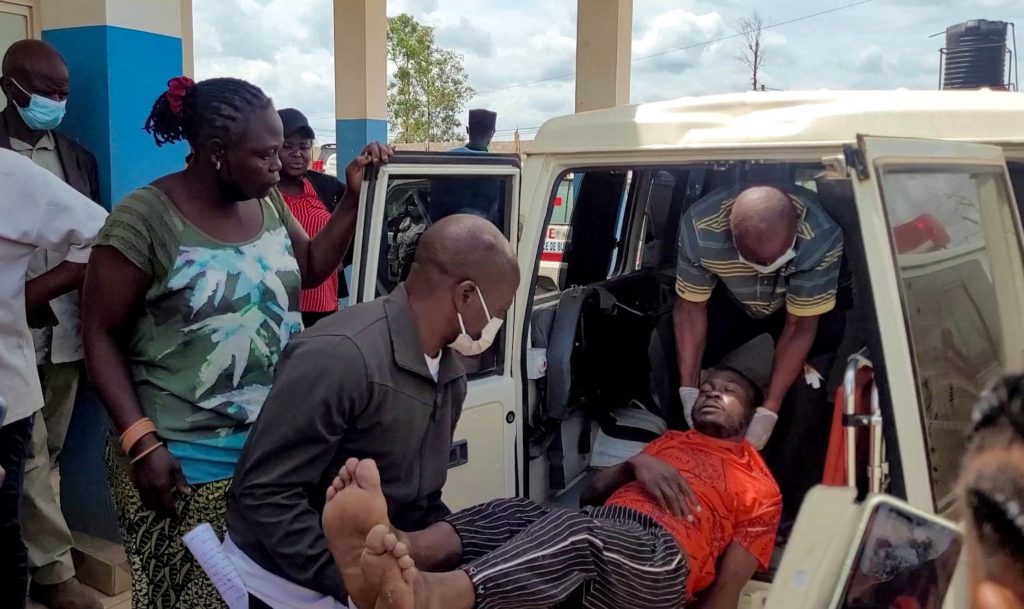
Today, the world is once again carefully watching Ebola. On May 17, the World Health Organization declared an outbreak of the Bundibugyo virus (one of four viruses that cause Ebola disease) in Uganda and the Democratic Republic of Congo a public health emergency of international concern. As of this writing, more than 130 deaths and 500 suspected and confirmed cases have occurred, including one confirmed case in an American doctor. There are no approved vaccines or treatments for this Ebola strain, and CDC has issued an alert that American health systems should prepare for the possibility of infected travelers.
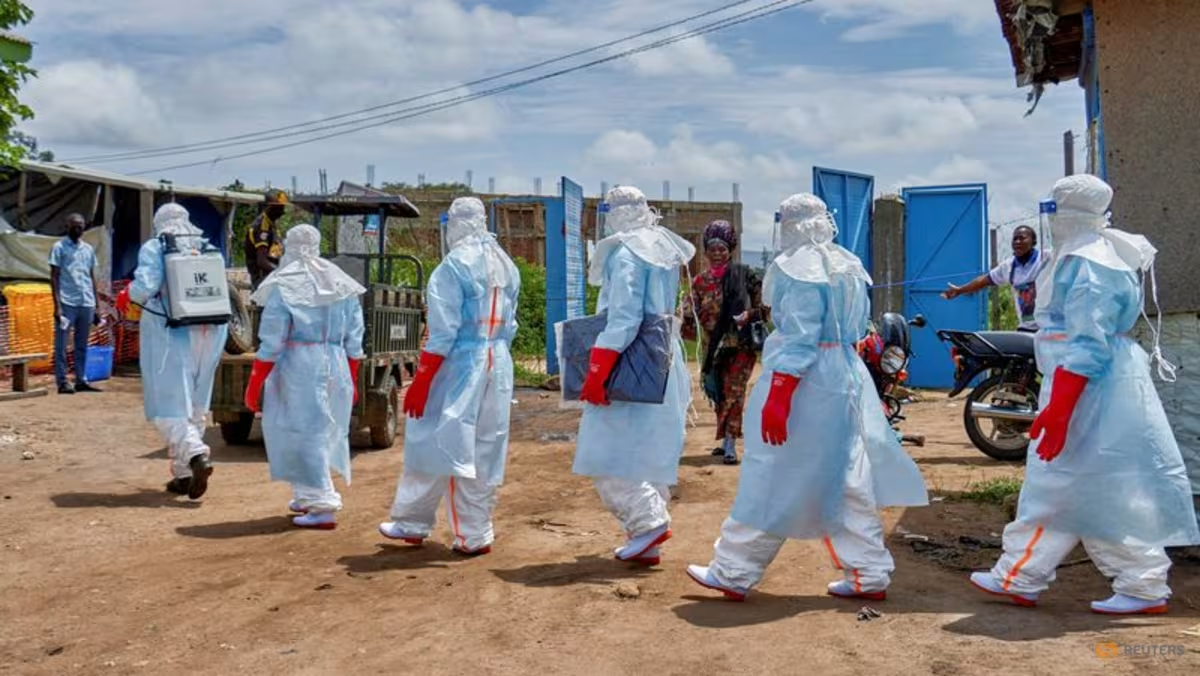
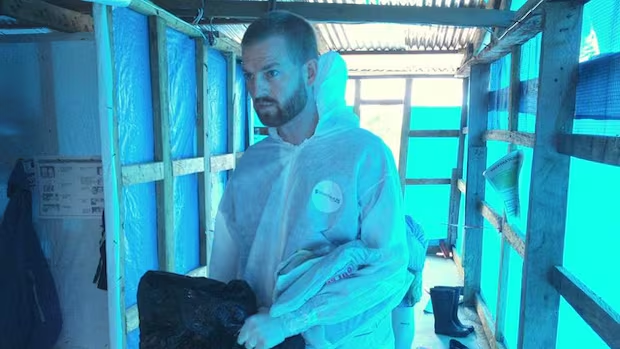
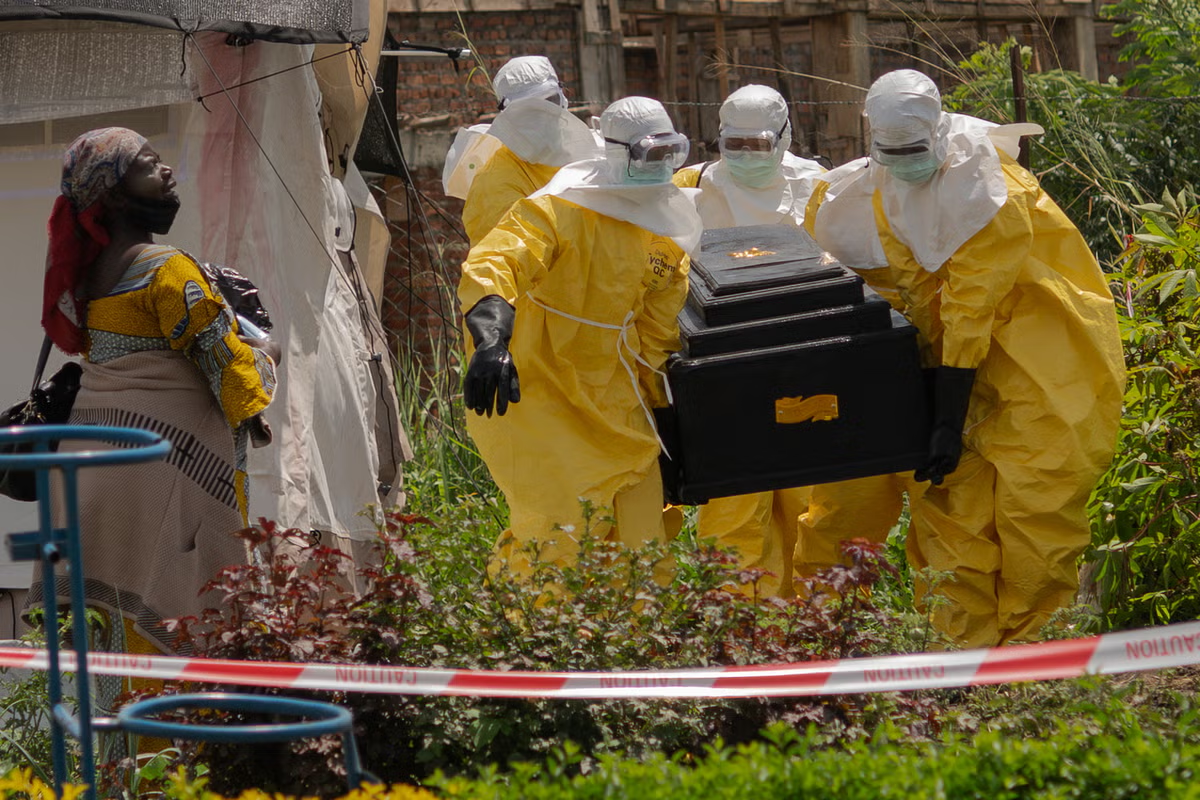
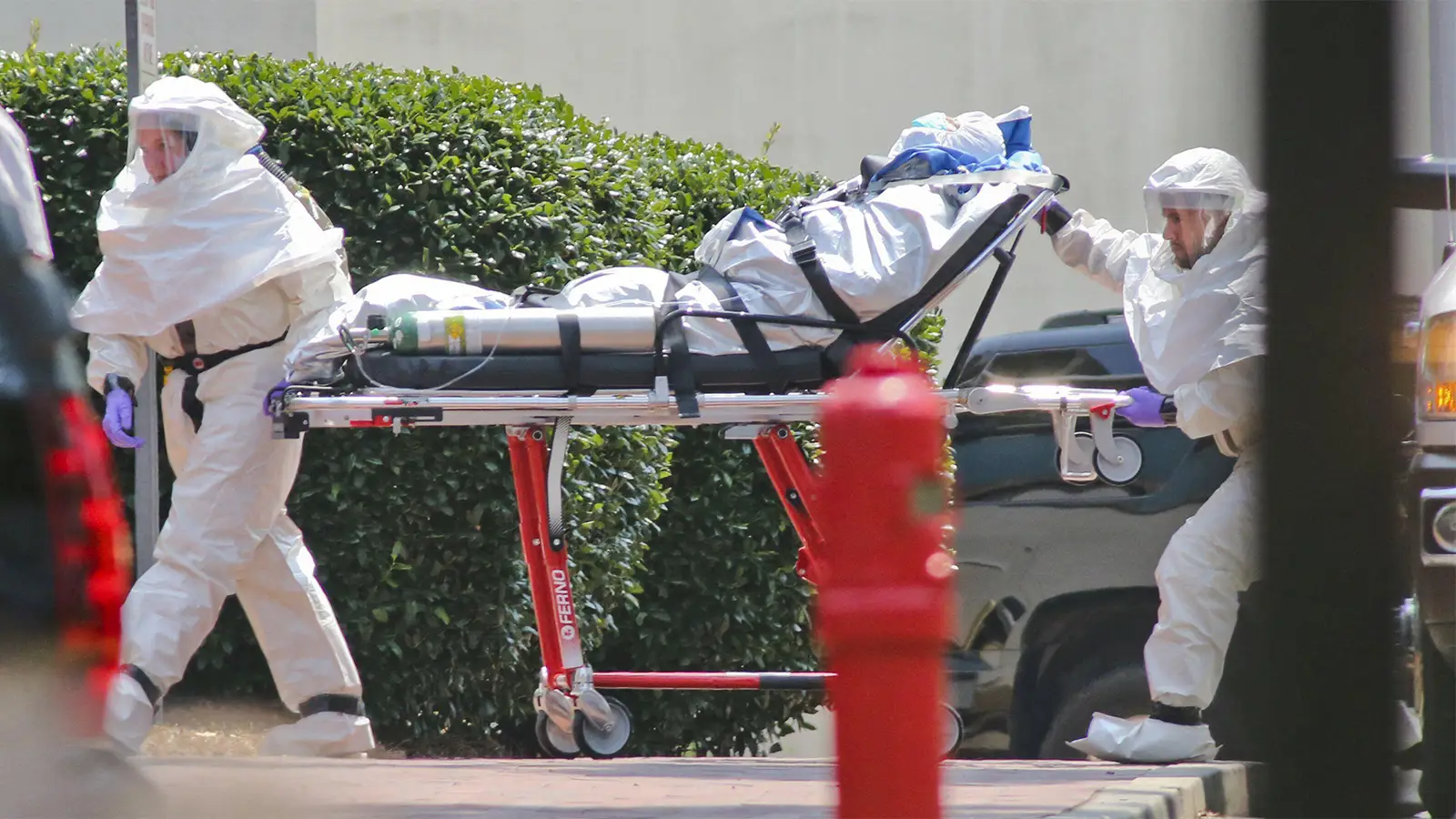
In 2014, amidst the largest Ebola outbreak ever recorded, my organization briefly hospitalized a patient whom we believed might have Ebola. This individual had a credible exposure history and presented with typical symptoms, so he was treated as an Ebola patient-under-investigation (PUI). I learned a lot from his hospitalization, and from the many challenging aspects of his care delivery. The protocols for donning and doffing personal protective equipment (PPE), for instance, were complicated and required strict adherence. The amount of material waste generated by this single patient was extraordinary. But perhaps the most challenging -- albeit understandable -- hurdle was overcoming the anxiety of the healthcare workers caring for someone potentially infected with a highly contagious, highly virulent virus.