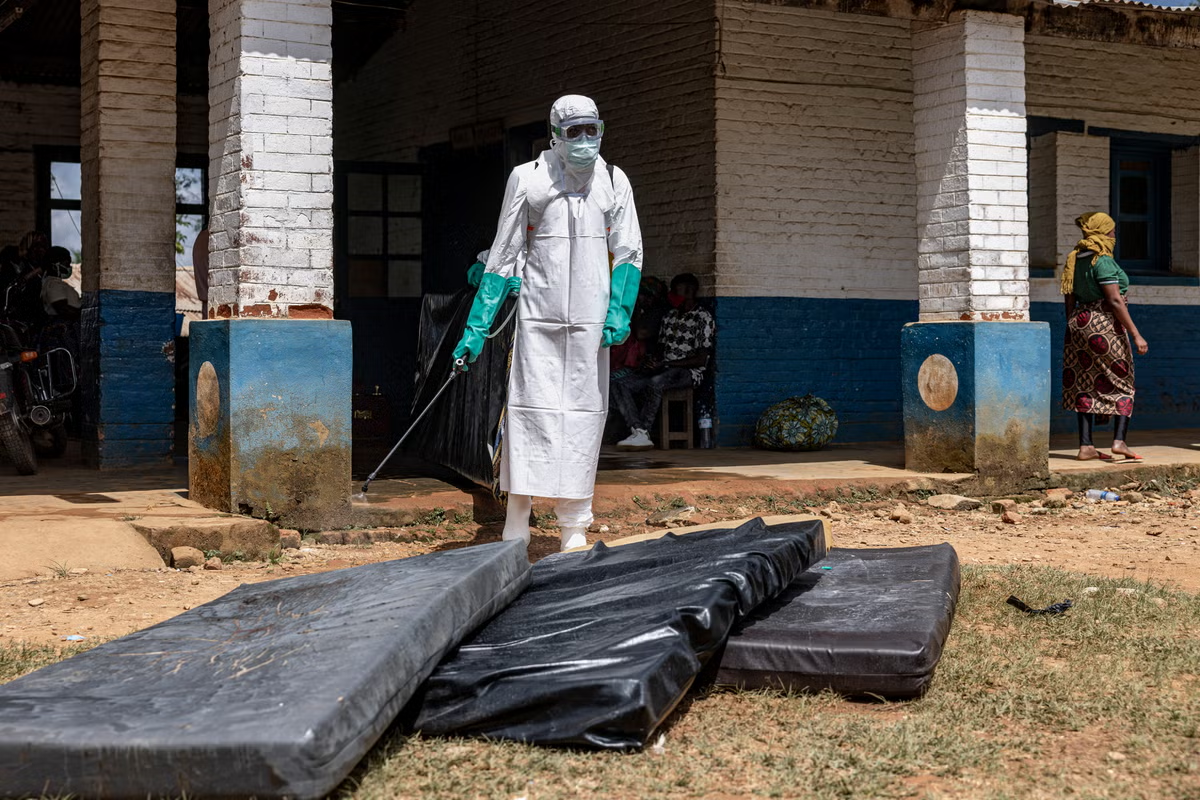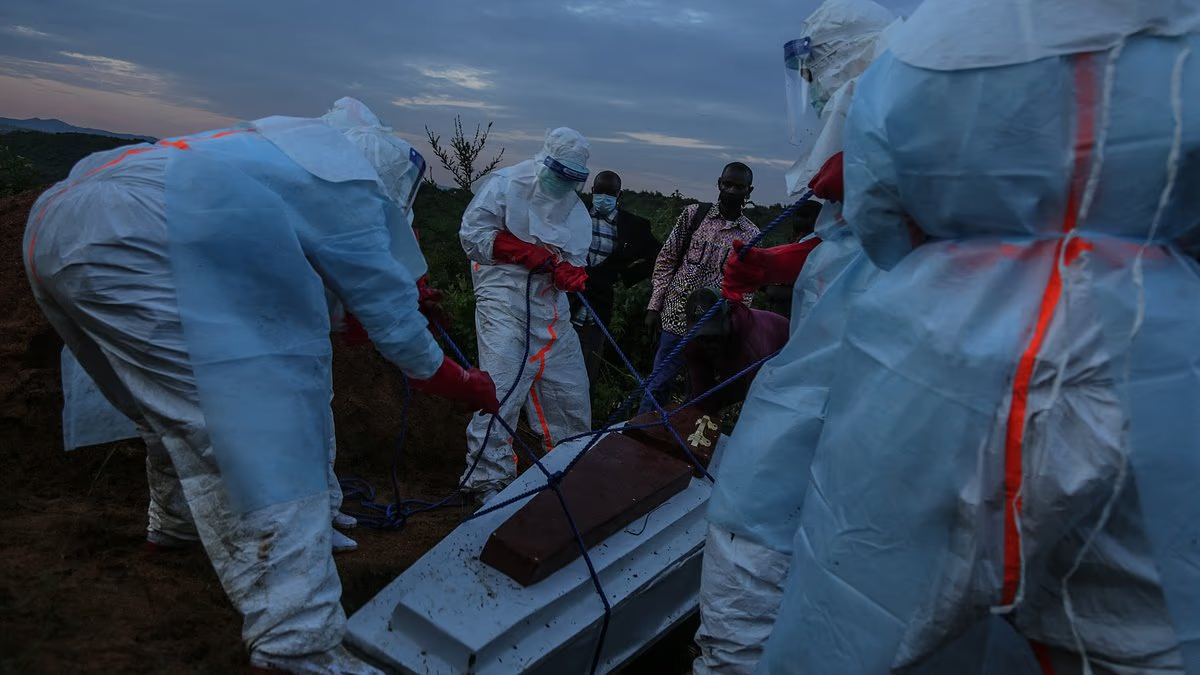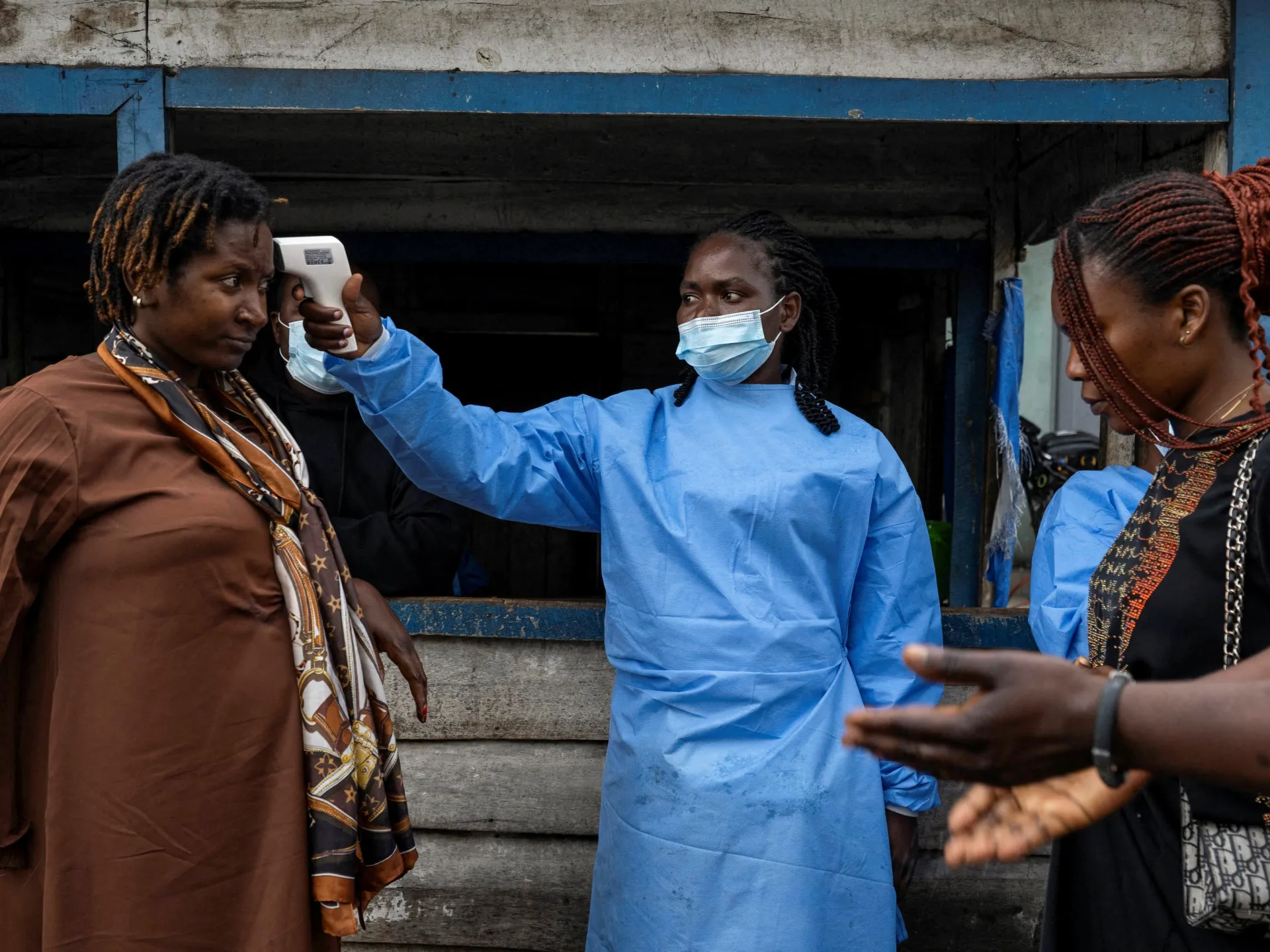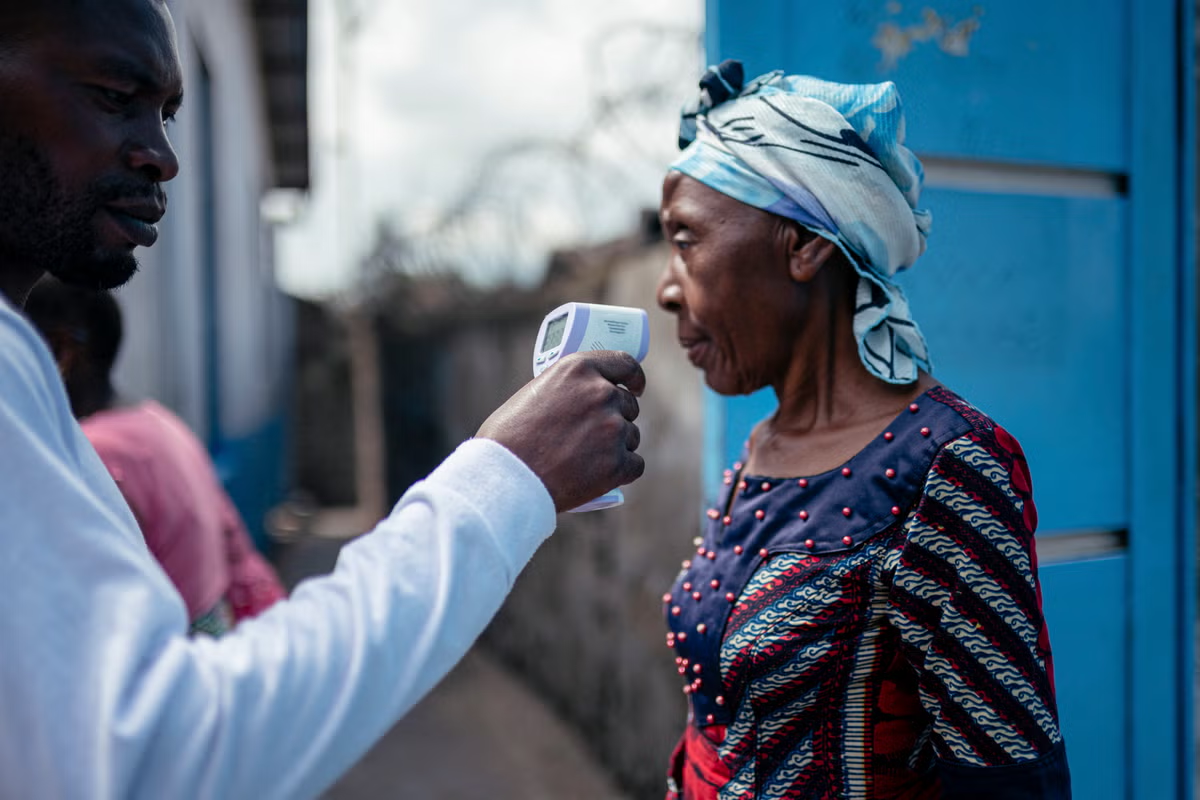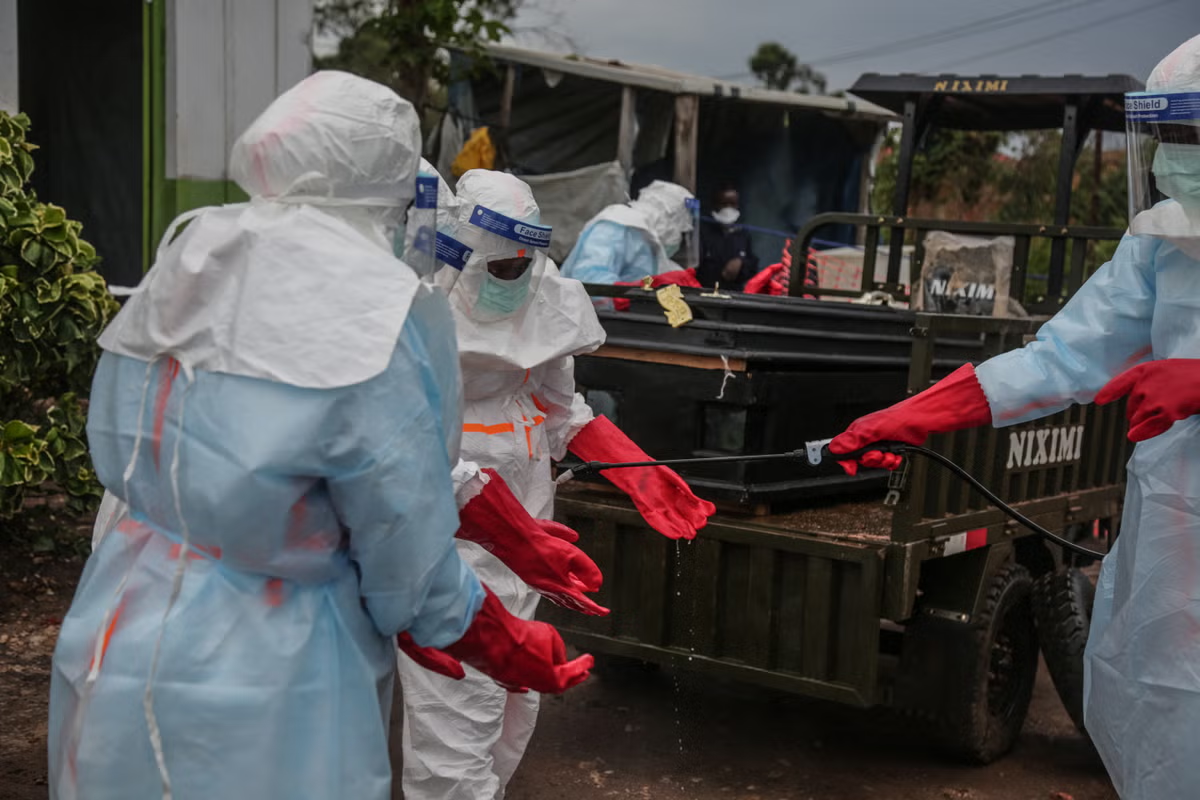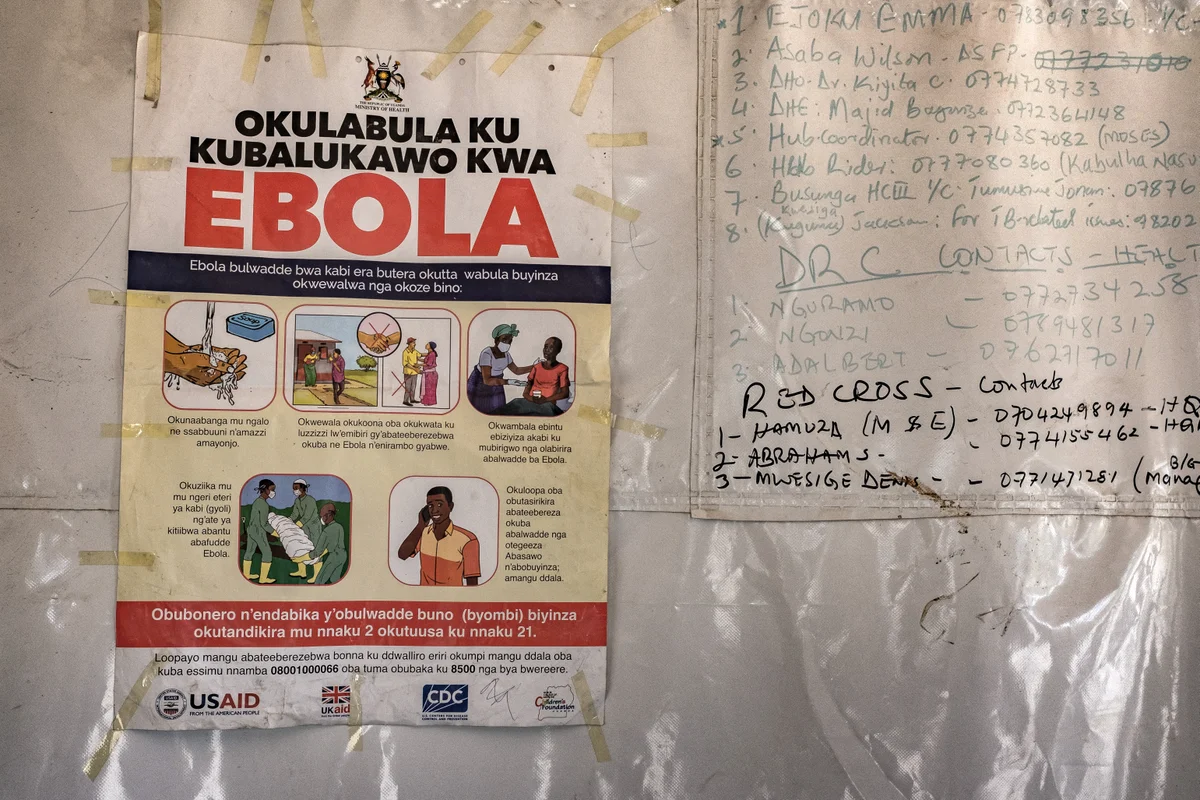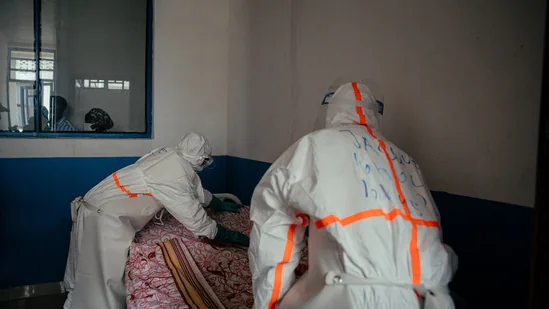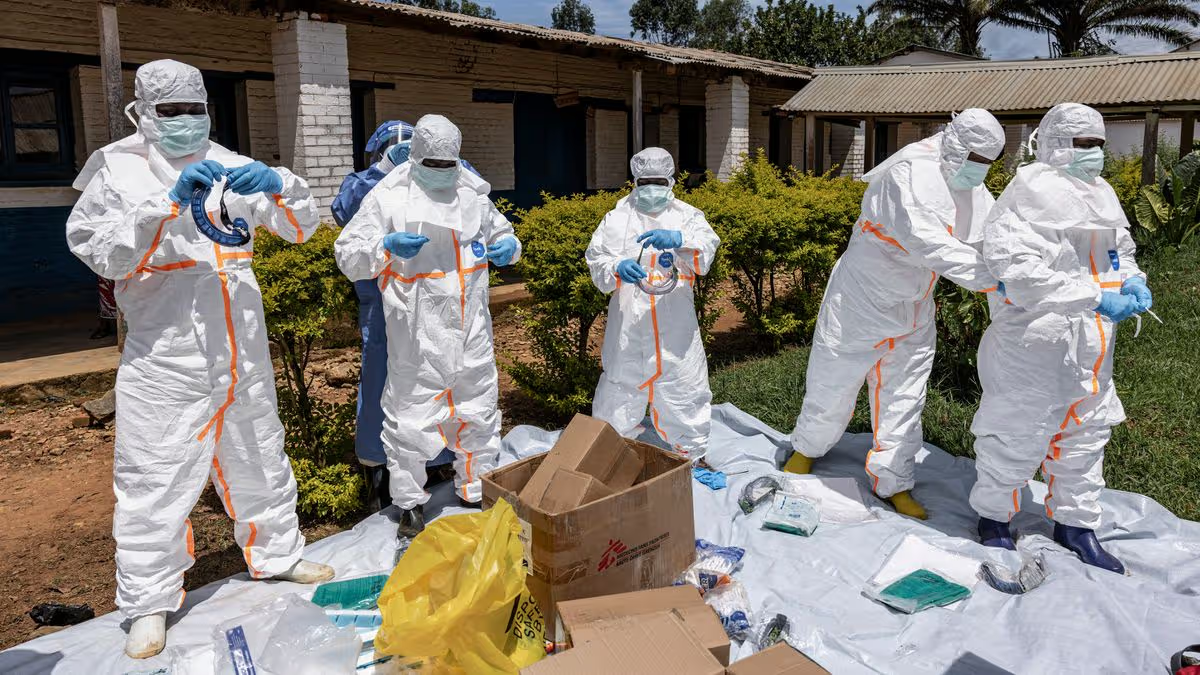
The strain of Ebola, called Bundibugyo, is said to be fatal in around one third of cases. Although scientists at Oxford University are said to be working on a vaccine, this will reportedly not be ready for a number of months14:42, 22 May 2026Updated 14:42, 22 May 2026The risk from the Ebola outbreak in Africa has been upgraded to 'very high' by the World Health Organisation (WHO), with 750 suspected cases of the virus identified, and 177 people reported to have died. There is no vaccine for the specific strain of the deadly disease which is currently spreading in the Democratic Republic of Congo and neighbouring Uganda.The strain, called Bundibugyo, is said to be fatal in around one third of cases. Although scientists at Oxford University are said to be working on a vaccine, this will reportedly not be ready for a number of months.The WHO has updated the risk in the Democratic Republic of Congo from 'high' to 'very high', although the organisation has said the risk of it spreading internationally is low. Now, US doctor Jen Caudle, who has more than 310,000 followers on TikTok, where she regularly provides important public health information, has answered some important questions about the disease.Speaking in a video on the social media platform she said: "Many of you have been asking how contagious Ebola is. There's some good news here."First of all, it's not airborne like other pathogens you're familiar with - covid etc - so it's not spread through the air. Also, it requires direct contact with bodily fluids things like diarrhoea, saliva, blood, things like that."But when it comes down to how contagious it is, how easily transmittable it is, well, this is also some good news. It is not as transmissible or contagious as other things such as covid."It is less transmissible than covid. It is less transmissible than measles, than mumps, and even chicken pox. Now, the unfortunate thing is that it is more deadly than those conditions."The mortality rate is very high for Ebola, and we don't have a vaccine or specific treatments for many of the strains, most of the strains. Only one of them we have a vaccine and treatments for, the rest of the strains we do not."And the Bundibugyo strain, which we're seeing the outbreak in, we do not have a vaccine or treatment specific treatments against that. There are many reasons why this outbreak is not only deadly, dangerous, it is concerning. Also we think it's been spreading unchecked for a little while. It's a tragedy."But I do want to let you know that, in terms of transmissibility, it is less contagious than some of the other conditions you know about. However, yes, it is more deadly."Content cannot be displayed without consentWhat are the symptoms of Ebola?According to information provided by the UK Health Security Agency, symptoms of Ebola can appear suddenly between two and 21 days after being infected. Initial symptoms are flu-like, and can include:high temperatureextreme tirednessmuscle achessore throatheadacheSymptoms developing later can include:vomitingdiarrhoeastomach paina skin rashbruising and yellowing of the skin and eyesArticle continues belowIn more severe cases, Ebola can cause bleeding as it progresses. This may include blood in poo and bleeding from different parts of the body.
'I'm a doctor and this is how worried you should be about the spread of Ebola'
The strain of Ebola, called Bundibugyo, is said to be fatal in around one third of cases. Although scientists at Oxford University are said to be working on a vaccine, this will reportedly not be ready for a number of months
539 words~2 min read