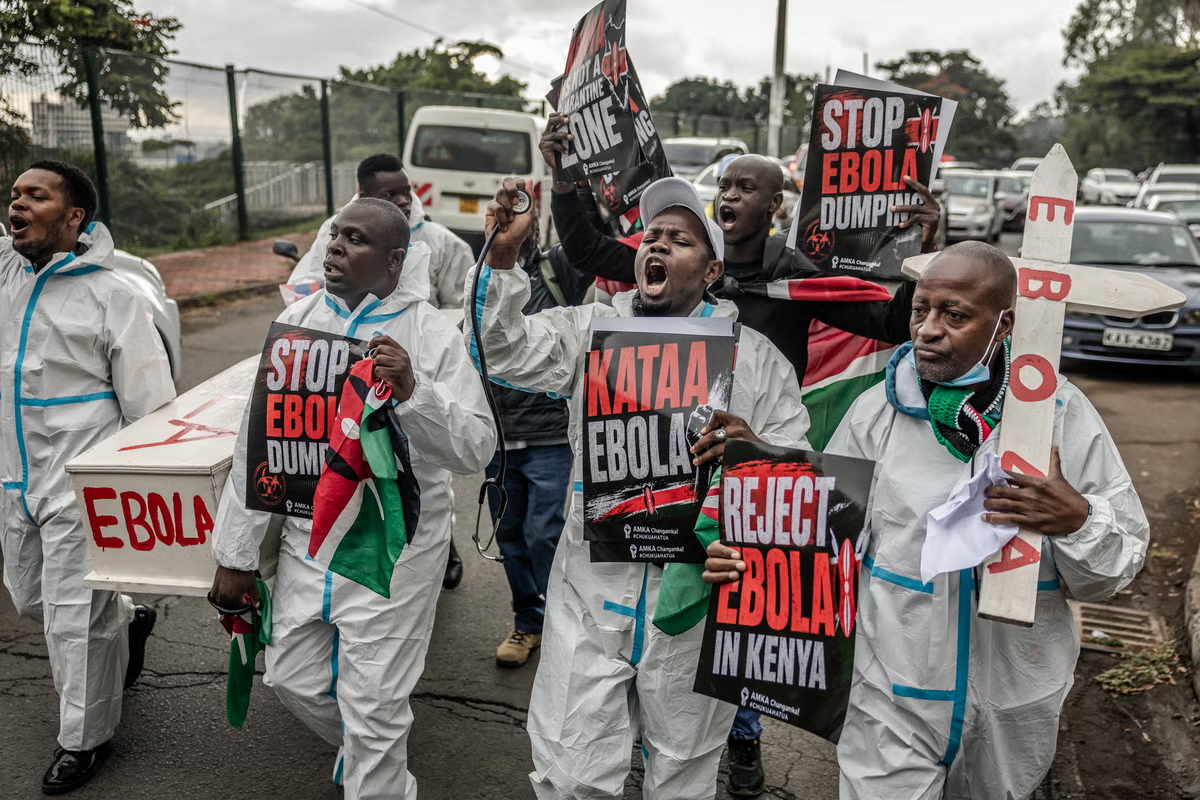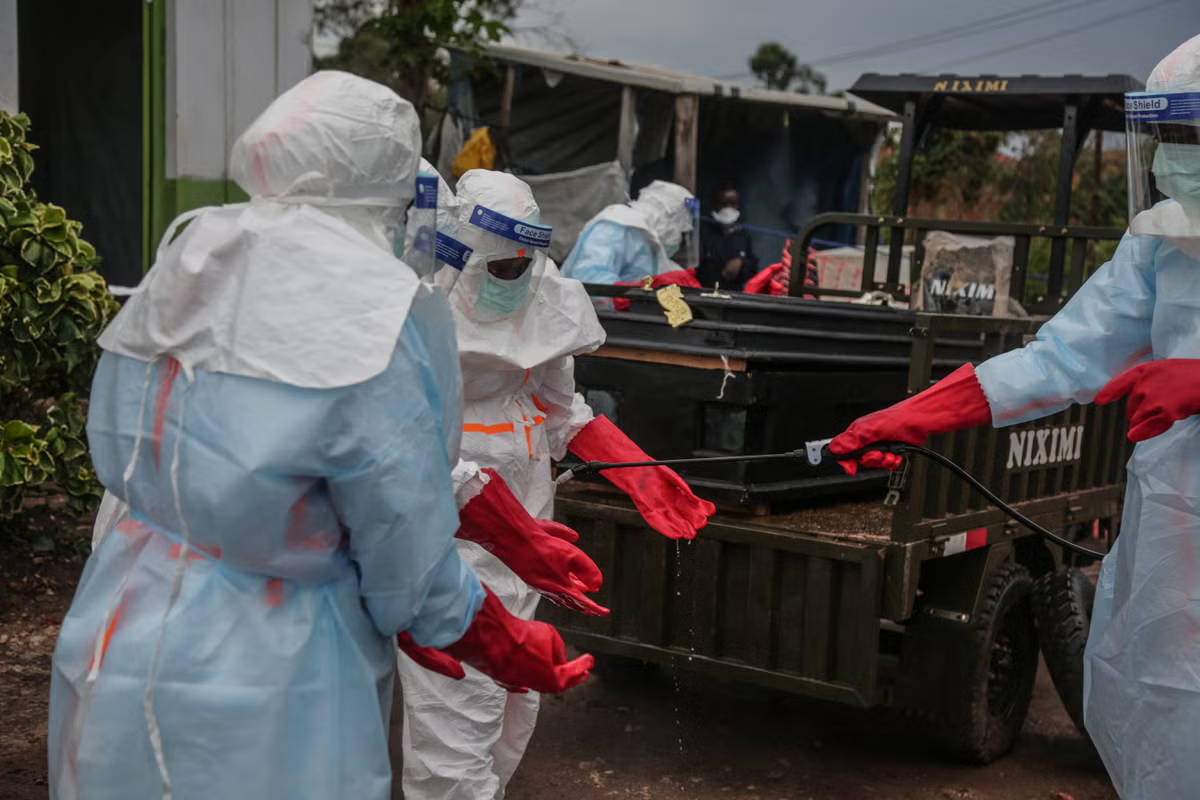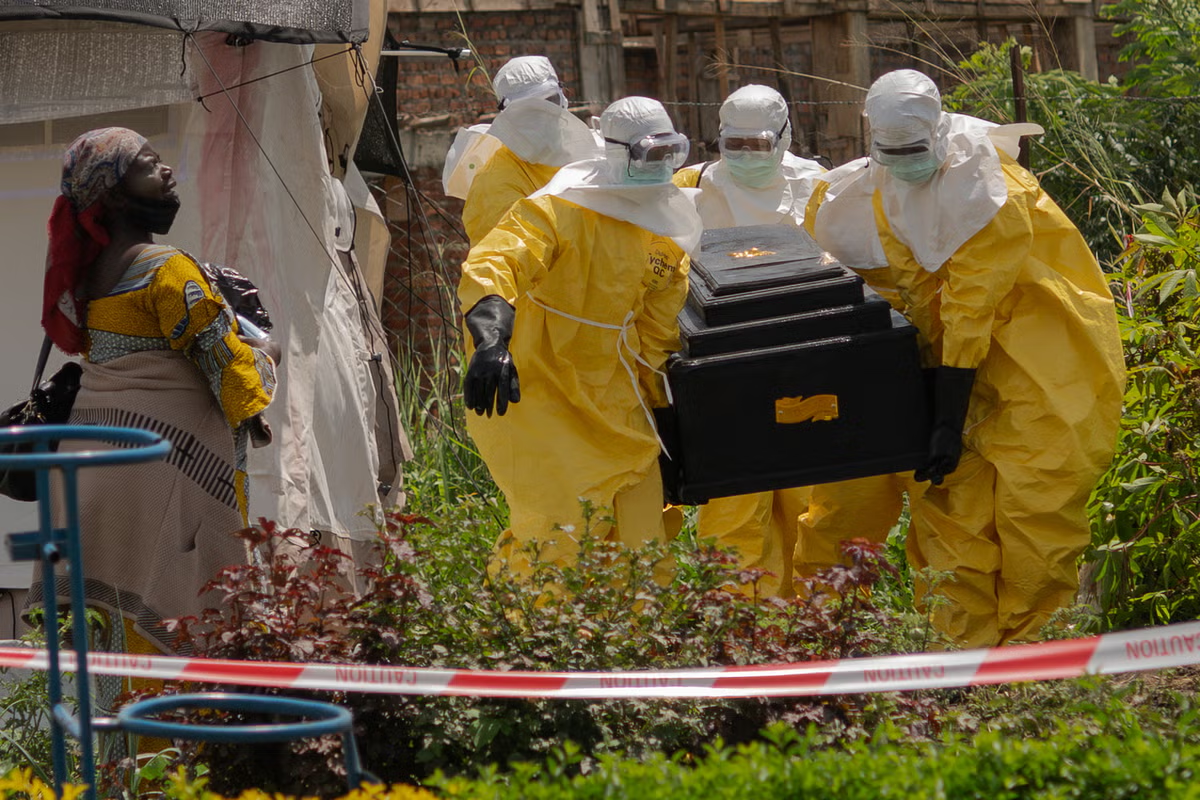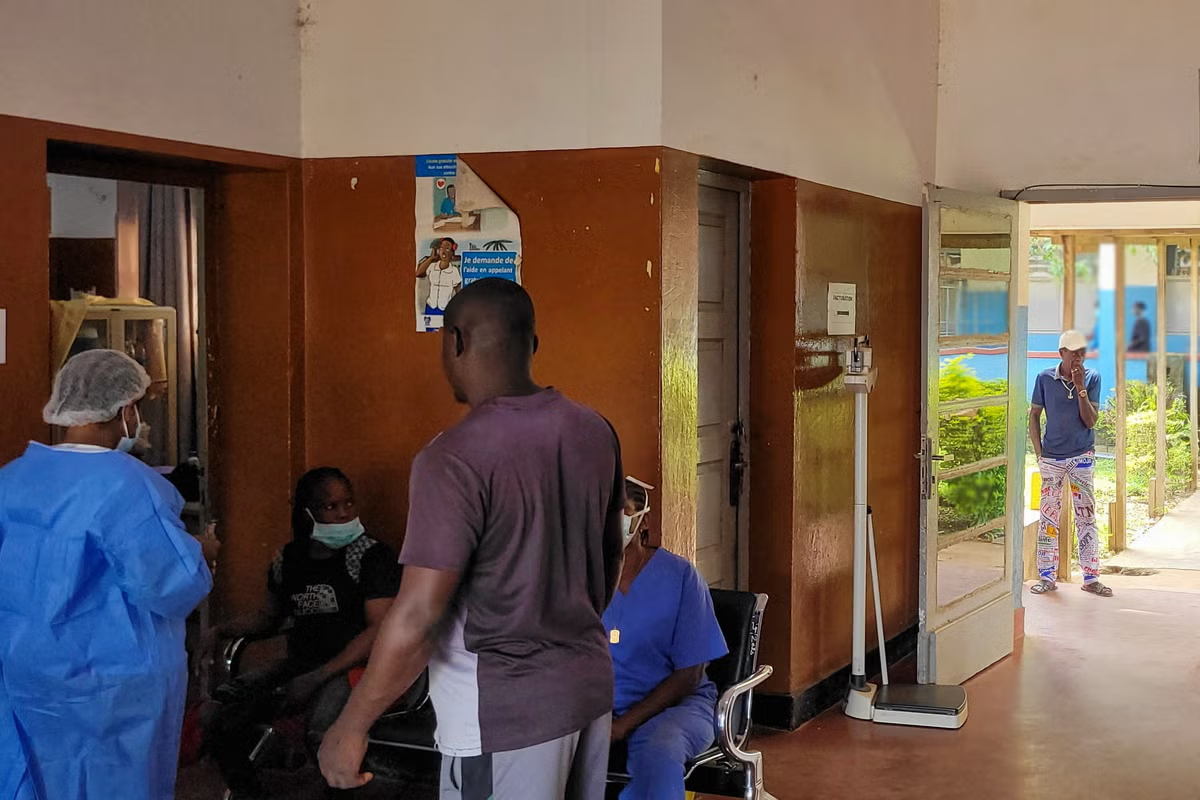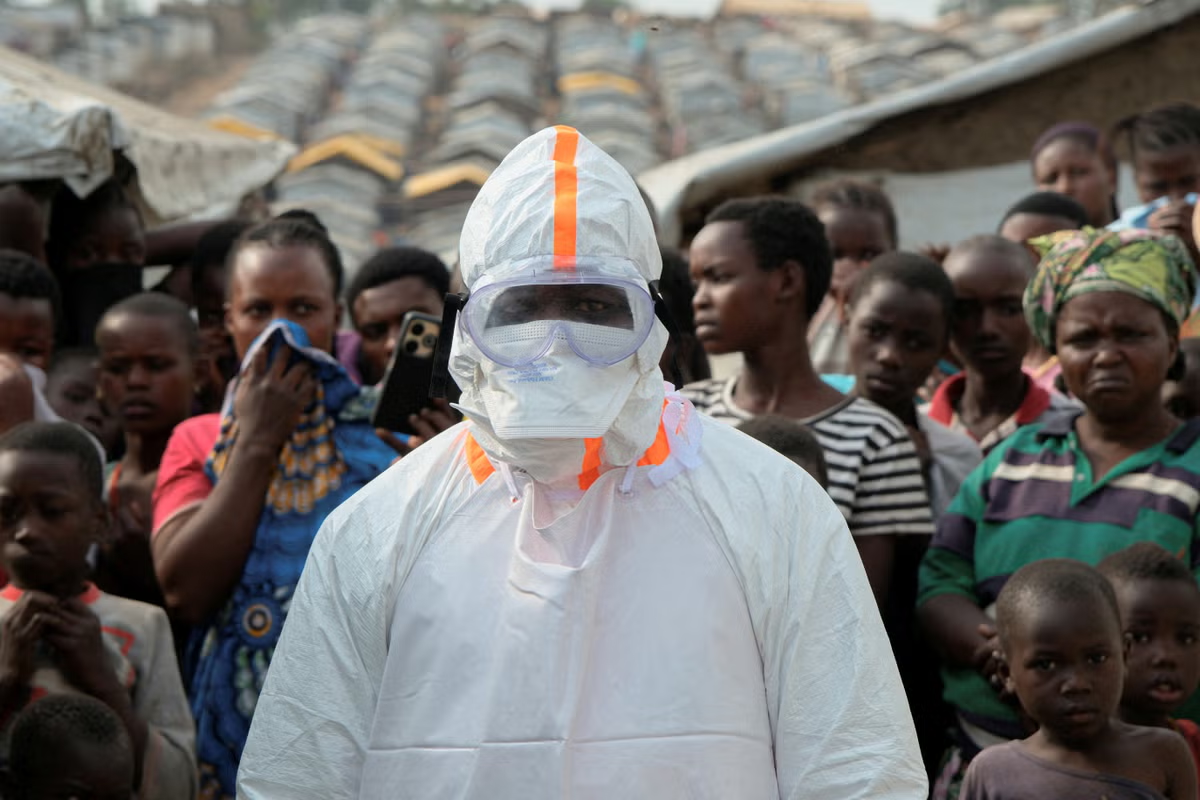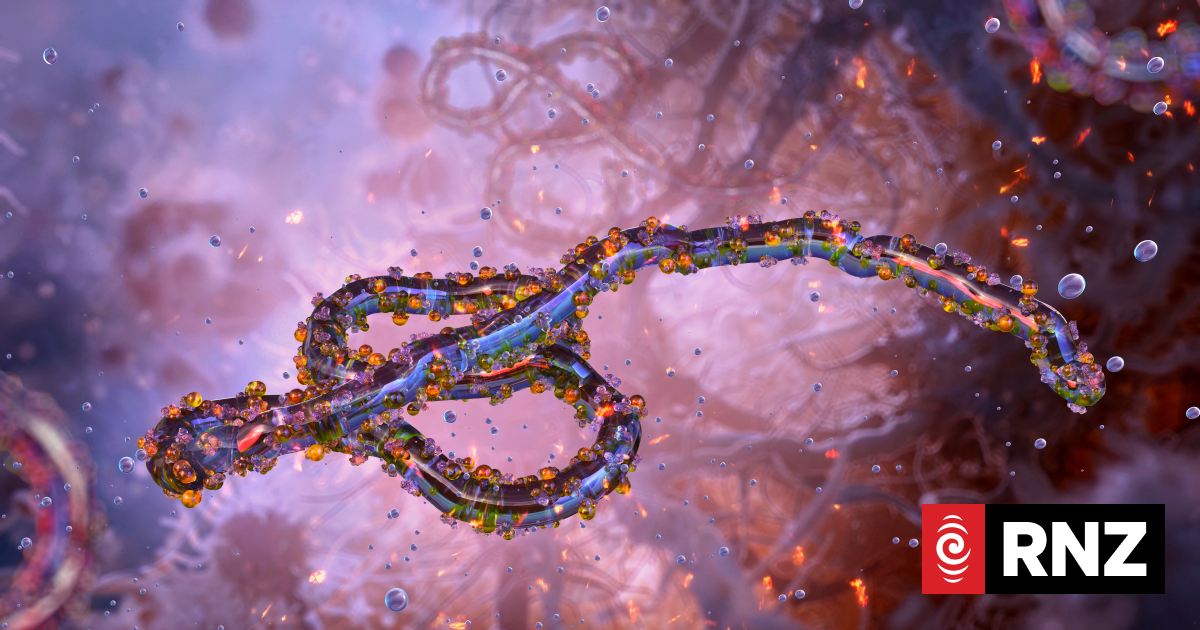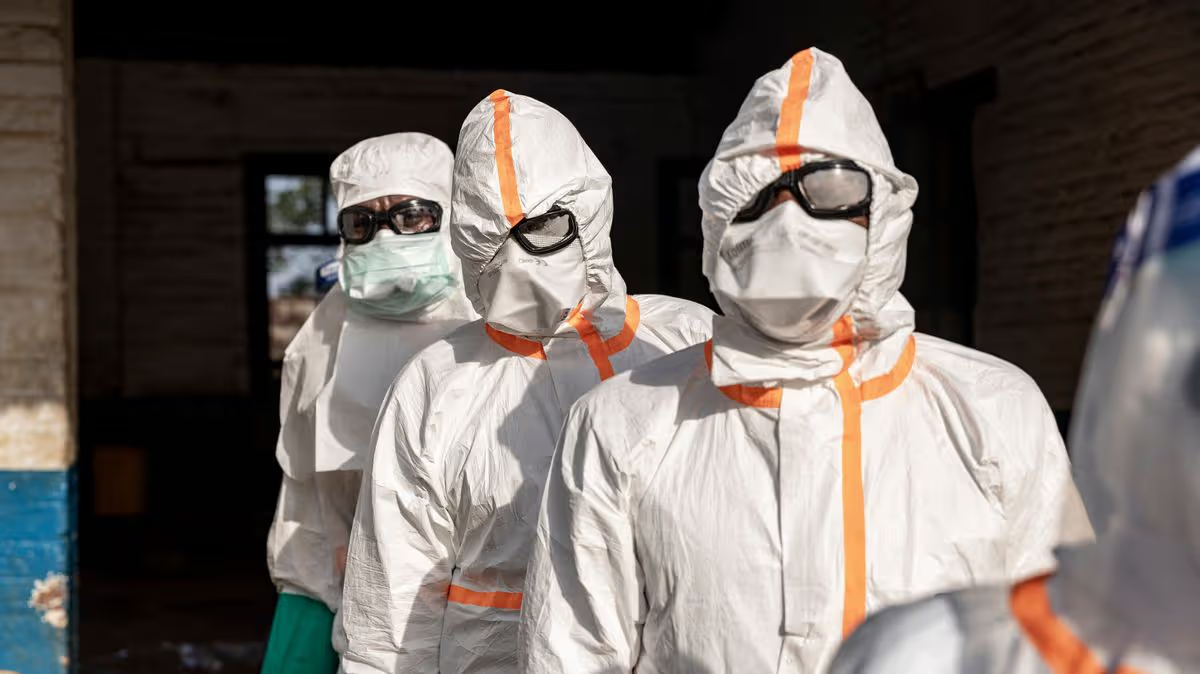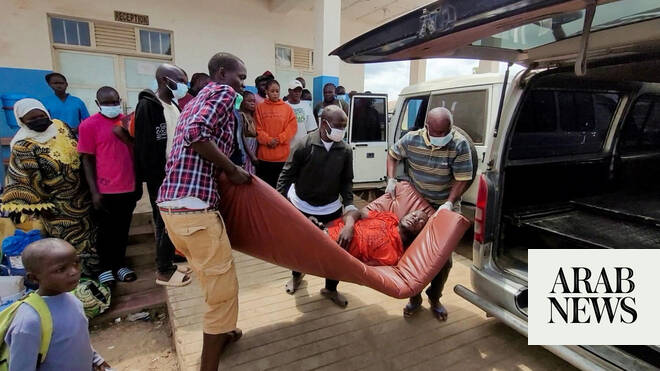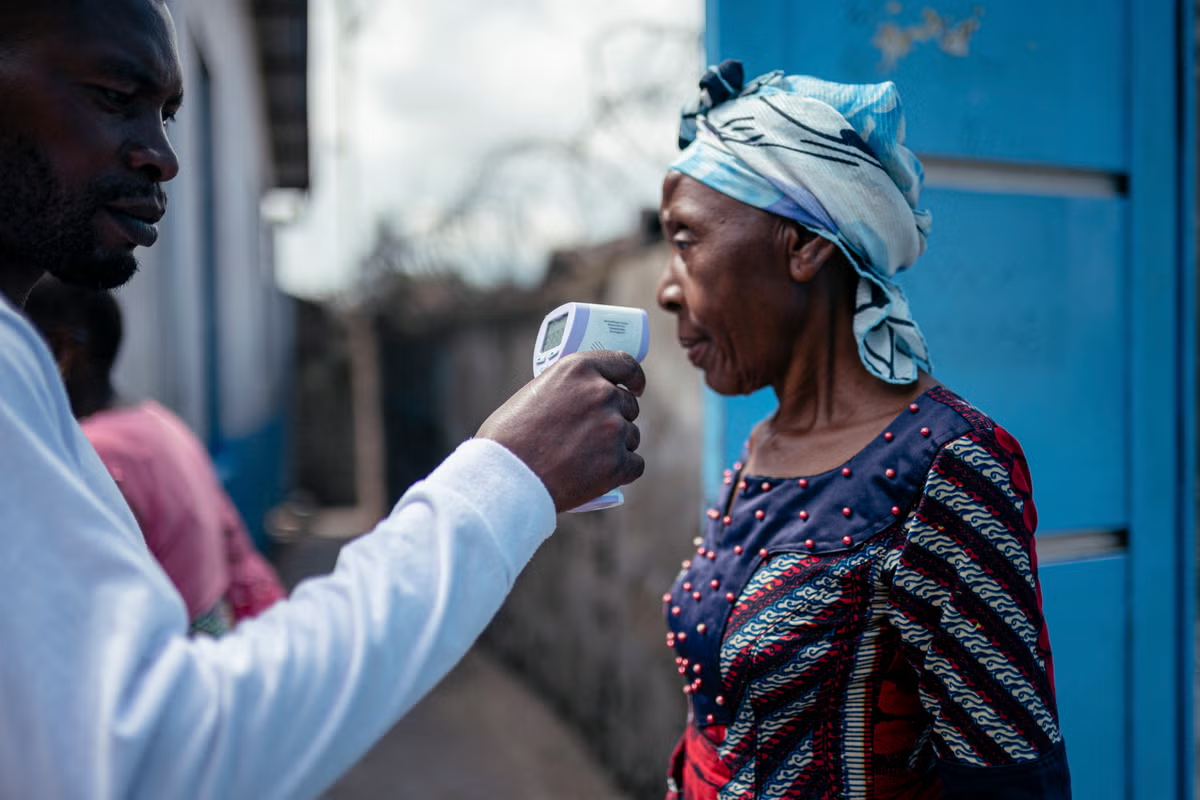
Stay up to date with notifications from The IndependentNotifications can be managed in browser preferences.Jump to contentThank you for registeringPlease refresh the page or navigate to another page on the site to be automatically logged inPlease refresh your browser to be logged inAllNewsSportCultureLifestyleThe World Health Organization (WHO) has declared an Ebola outbreak in the Democratic Republic of Congo (DRC) and Uganda a public health emergency of international concern, with 336 people infected and 88 deaths reported so far. The outbreak is caused by the rare Bundibugyo strain of Ebola, for which there is currently no vaccine, making it particularly dangerous despite a lower mortality rate of around 40 per cent compared to other strains. First detected in the DRC on 5 May, the virus has spread to Uganda, including two cases in Kampala, and poses a risk to densely populated areas like Kinshasa, with the WHO warning the true scale is likely underestimated. The virus spreads through direct contact with bodily fluids of an infected person, with healthcare workers and caregivers facing the highest risk, and symptoms include fever, fatigue, vomiting, diarrhoea, and organ failure. Public health responses involve community communication, rapid diagnosis, isolation, contact tracing, and safe burials, though local conflict, poverty, and difficult terrain in the epicentre, Ituri province, complicate field management efforts. In fullI’m a microbiologist. Here’s what we know about the Ebola outbreak in West AfricaThank you for registeringPlease refresh the page or navigate to another page on the site to be automatically logged inPlease refresh your browser to be logged in
WHO warns the true scale of Ebola outbreak is likely underestimated
Stay up to date with notifications from The IndependentNotifications can be managed in browser preferences.Jump to contentThank you for registeringPlease refresh the page or navigate to another page on the site to be automatically logged inPlease refresh your browser to be logged inAllNewsSportCultureLifestyleThe World Health Organization (WHO) has declared an Ebola outbreak in the Democratic Republic of Congo (DRC) and Uganda a public health emergency of international concern, with 336 people infected and 88 deaths reported so far. The outbreak is caused by the rare Bundibugyo strain of Ebola, for which there is currently no vaccine, making it particularly dangerous despite a lower mortality rate of around 40 per cent compared to other strains. First detected in the DRC on 5 May, the virus has spread to Uganda, including two cases in Kampala, and poses a risk to densely populated areas like Kinshasa, with the WHO warning the true scale is likely underestimated. The virus spreads through direct contact with bodily fluids of an infected person, with healthcare workers and caregivers facing the highest risk, and symptoms include fever, fatigue, vomiting, diarrhoea, and organ failure. Public health responses involve community communication, rapid diagnosis, isolation, contact tracing, and safe burials, though local conflict, poverty, and difficult terrain in the epicentre, Ituri province, complicate field management efforts. In fullI’m a microbiologist. Here’s what we know about the Ebola outbreak in West AfricaThank you for registeringPlease refresh the page or navigate to another page on the site to be automatically logged inPlease refresh your browser to be logged in