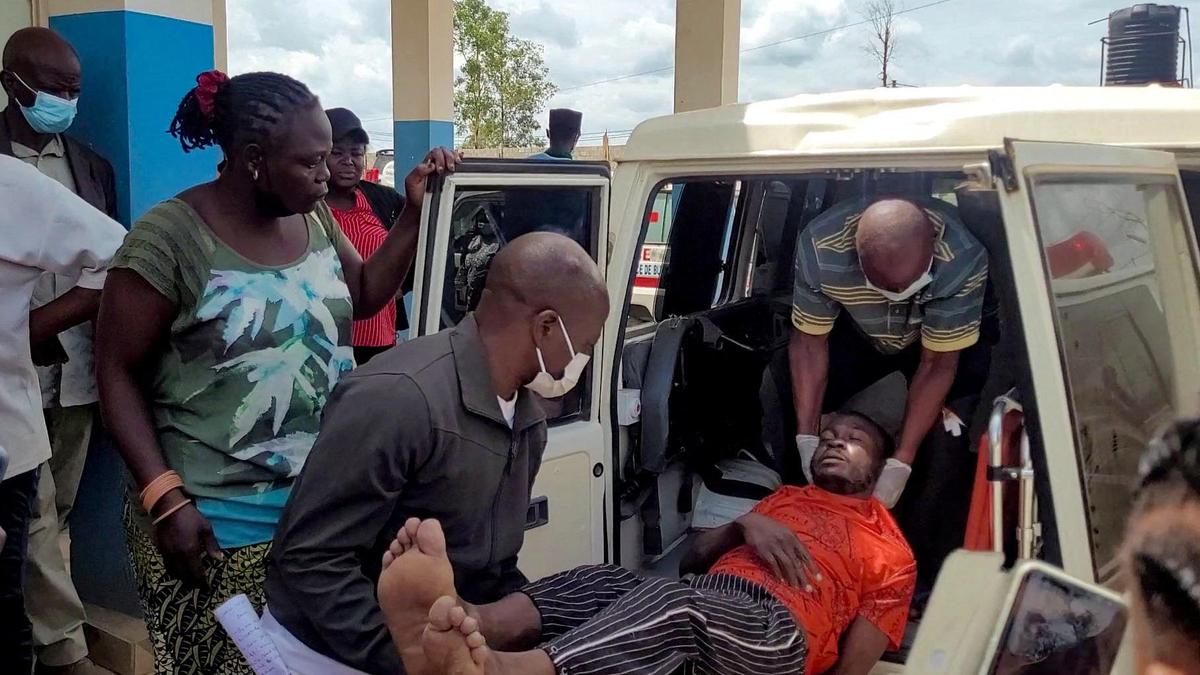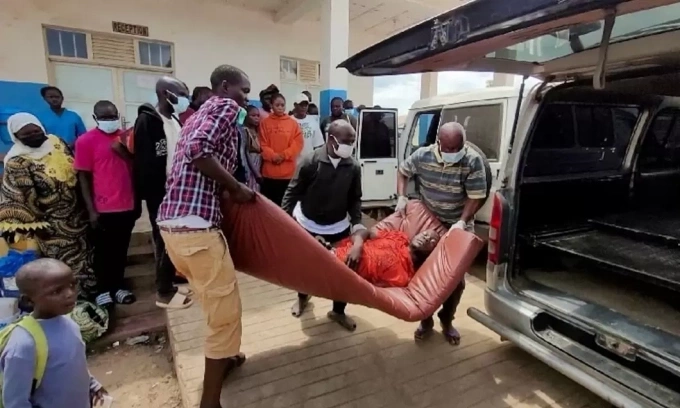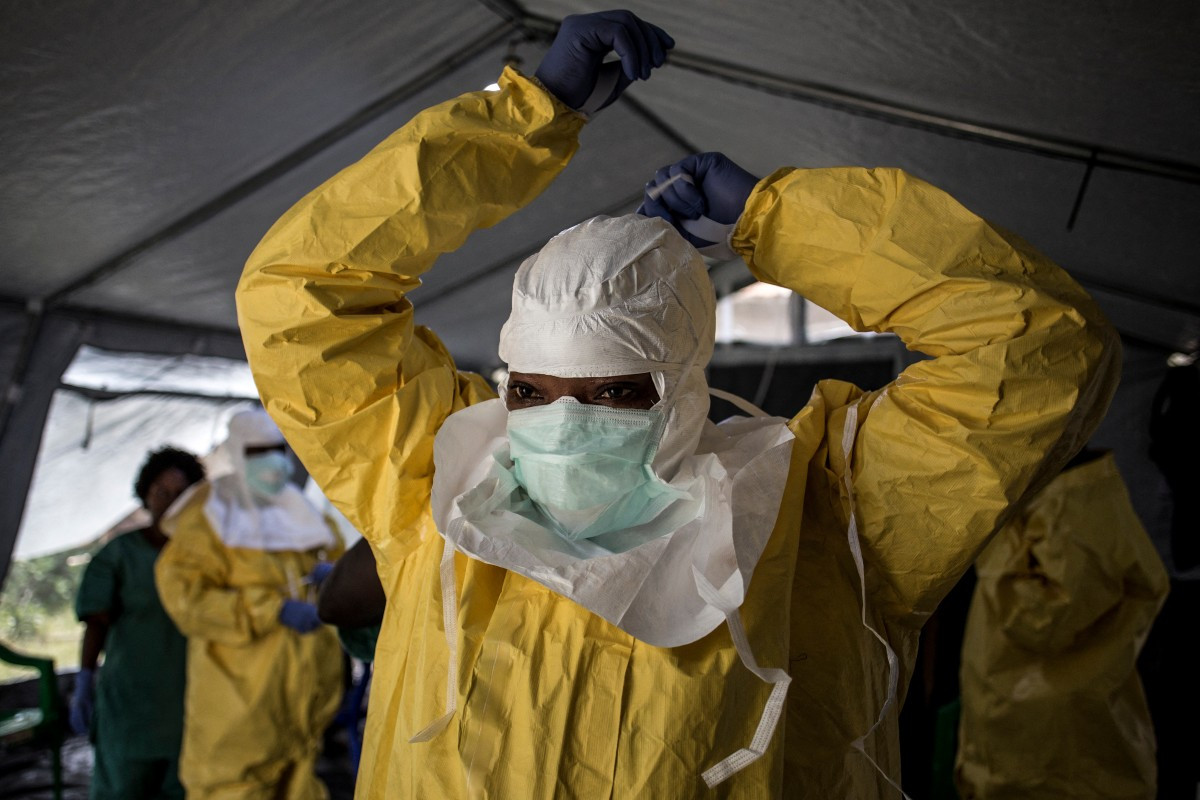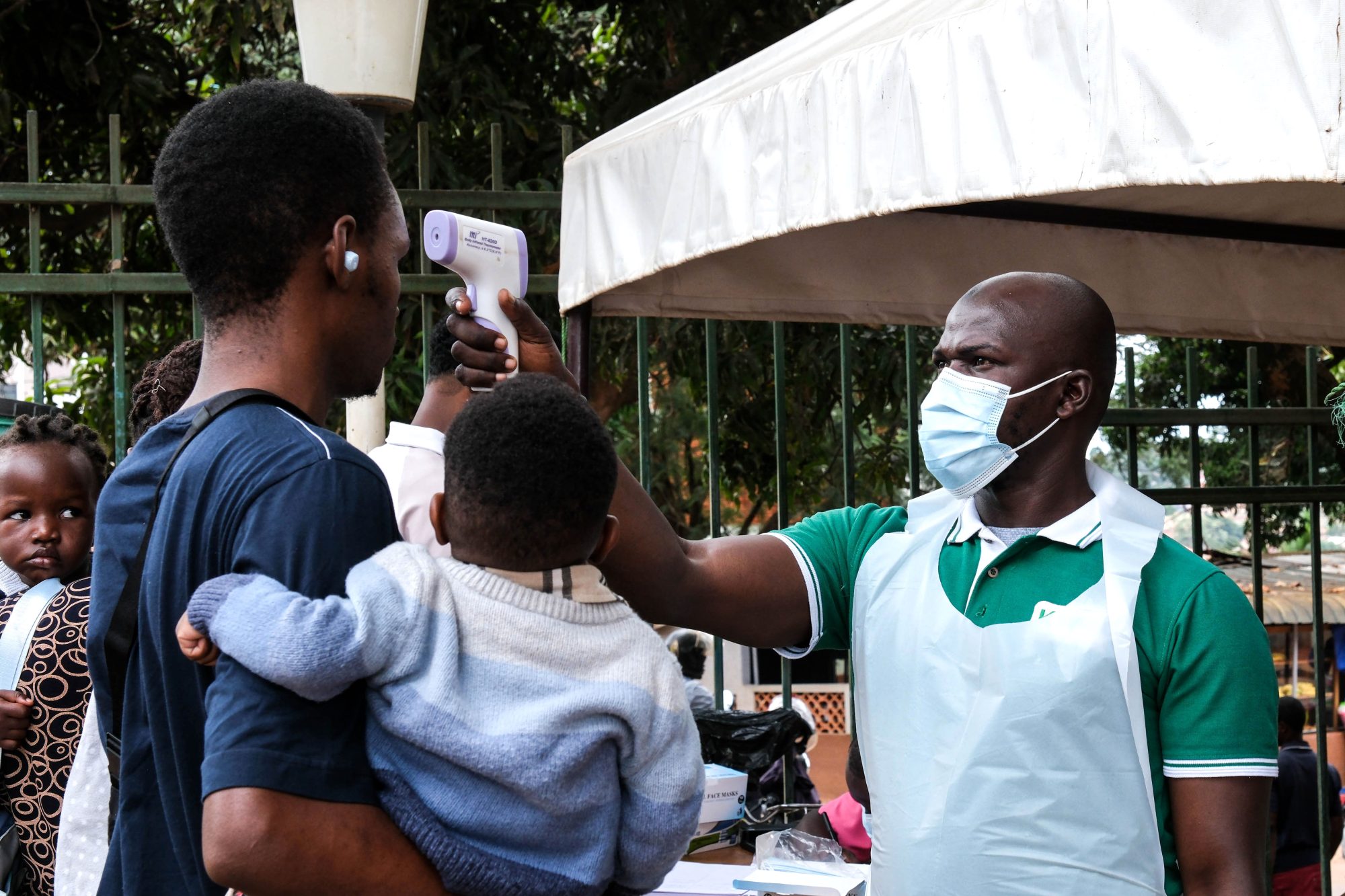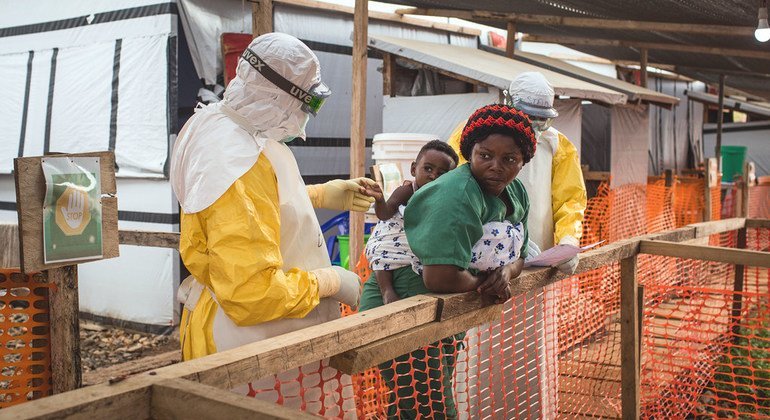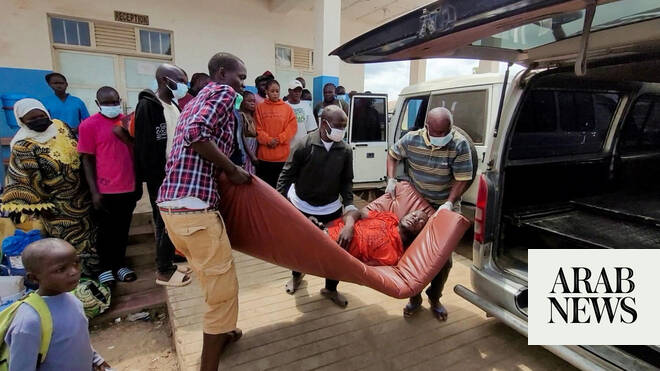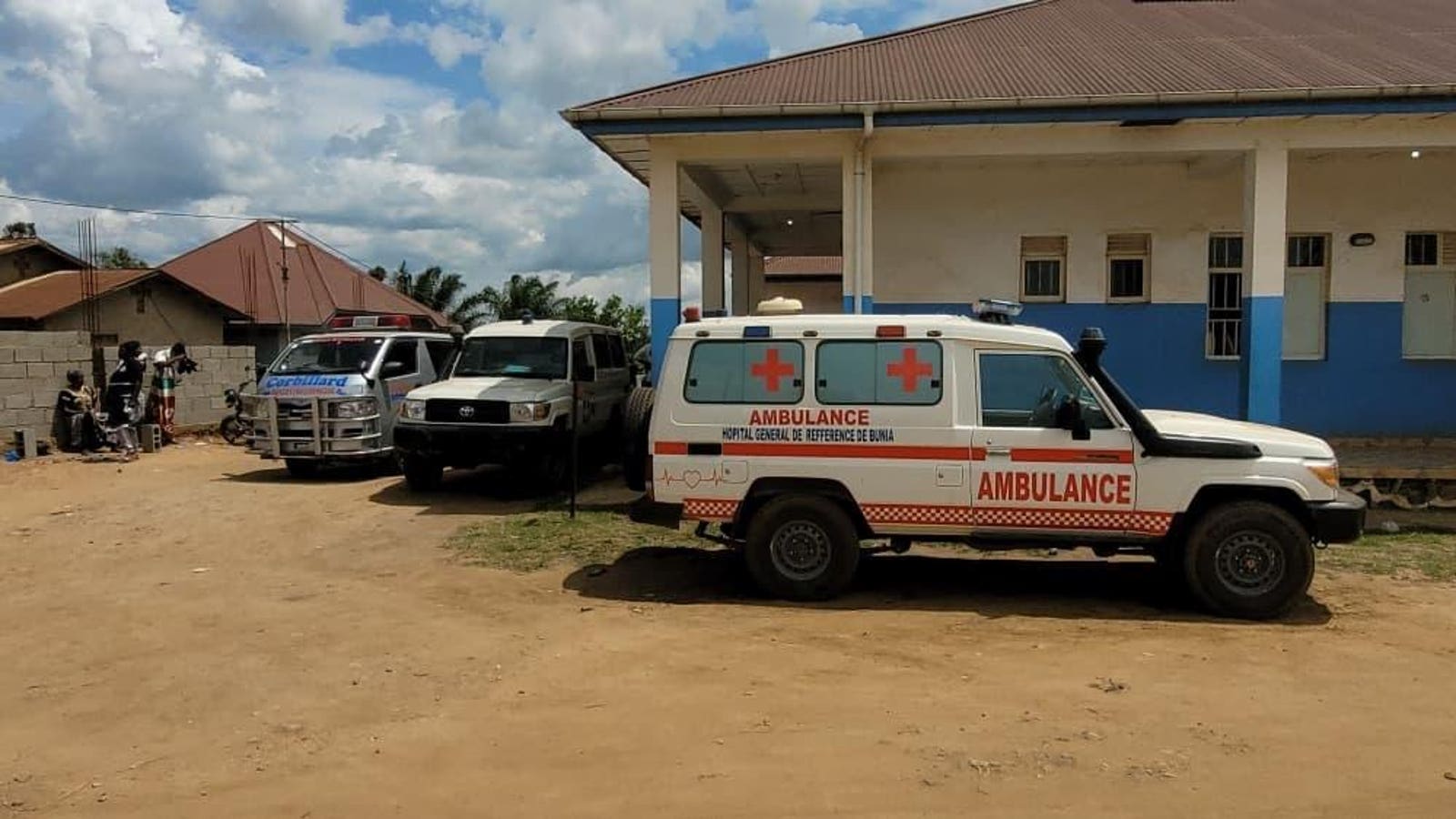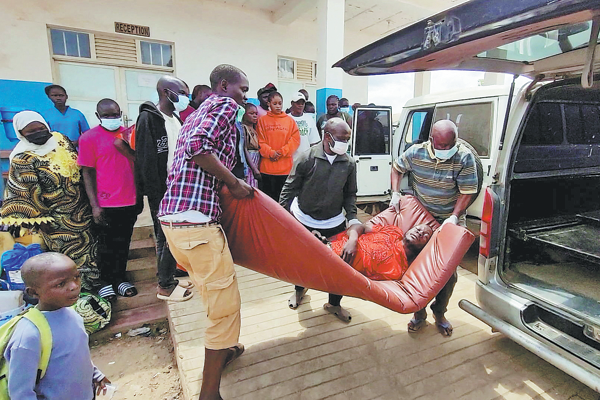
A man is carried from an ambulance into a hospital after the confirmation of an Ebola outbreak in Bunia, Democratic Republic of Congo, on Saturday. VICTOIRE MUKENGE/REUTERS
The World Health Organization has declared the Ebola outbreak linked to the Bundibugyo virus strain in the Democratic Republic of Congo and Uganda a public health emergency of international concern, warning of rising cross-border transmission risks and major gaps in containment.
The Bundibugyo strain of Ebola was first identified in Uganda in 2007 and is one of several Ebola virus species known to cause severe hemorrhagic fever in humans. Unlike the Zaire ebolavirus species, for which vaccines and treatments are available, there are currently no licensed vaccines or targeted therapeutics for the Bundibugyo virus, according to the WHO.
In a statement issued on Sunday, WHO Director-General Tedros Adhanom Ghebreyesus described the outbreak as "an extraordinary event" requiring urgent international coordination because of its rapid spread, insecurity in affected regions and the absence of approved medical countermeasures specifically targeting the strain.
"The high positivity rate of the initial samples collected, the confirmation of cases in both Kampala and Kinshasa, the increasing trends in syndromic reporting of suspected cases and clusters of deaths across the province of Ituri all point toward a potentially much larger outbreak than what is currently being detected and reported," the WHO said.