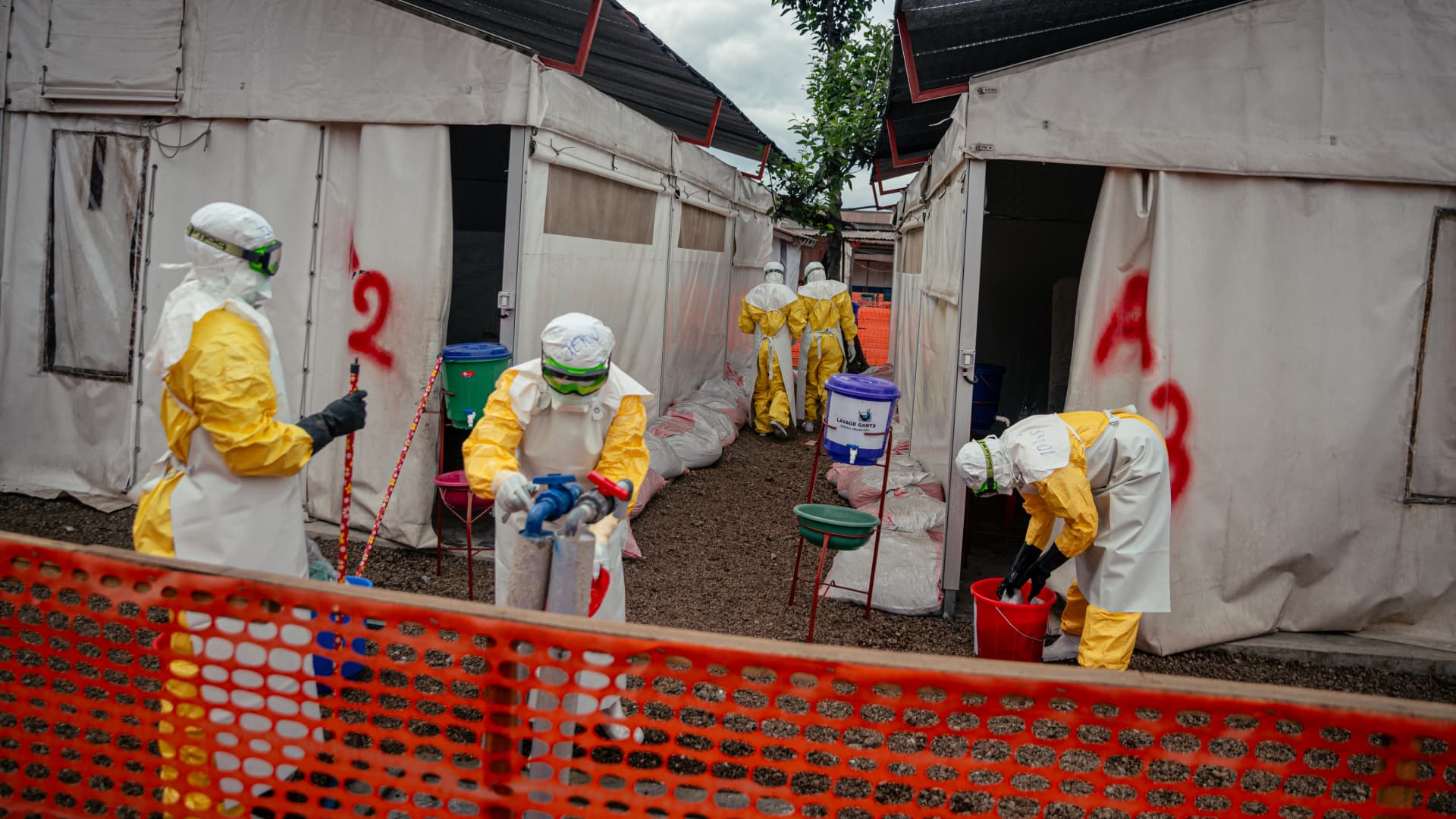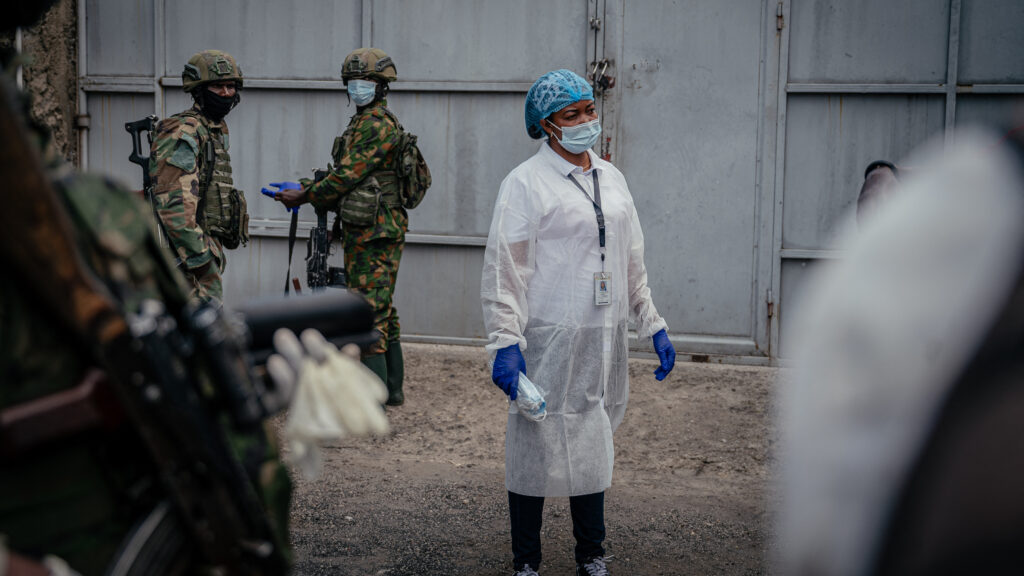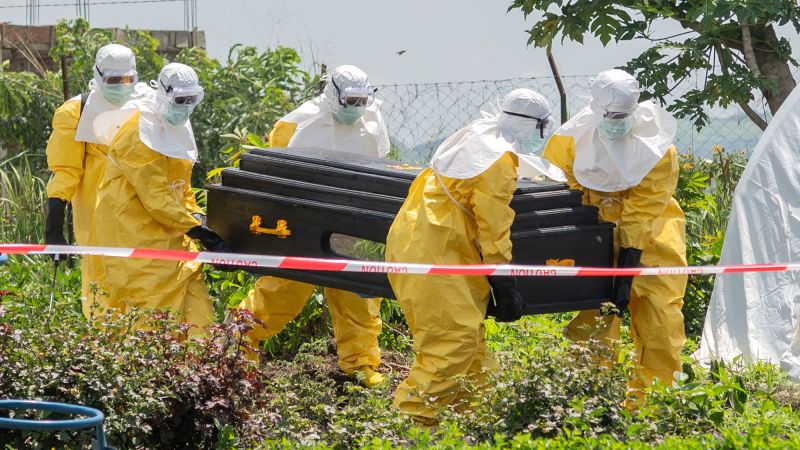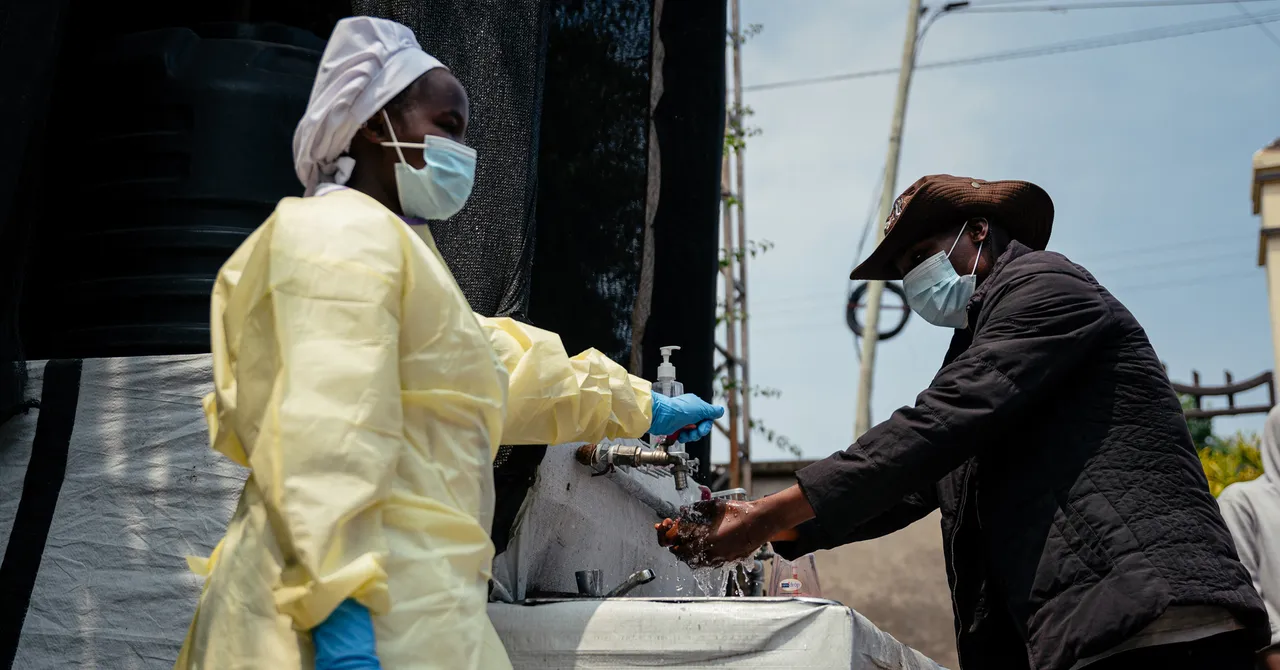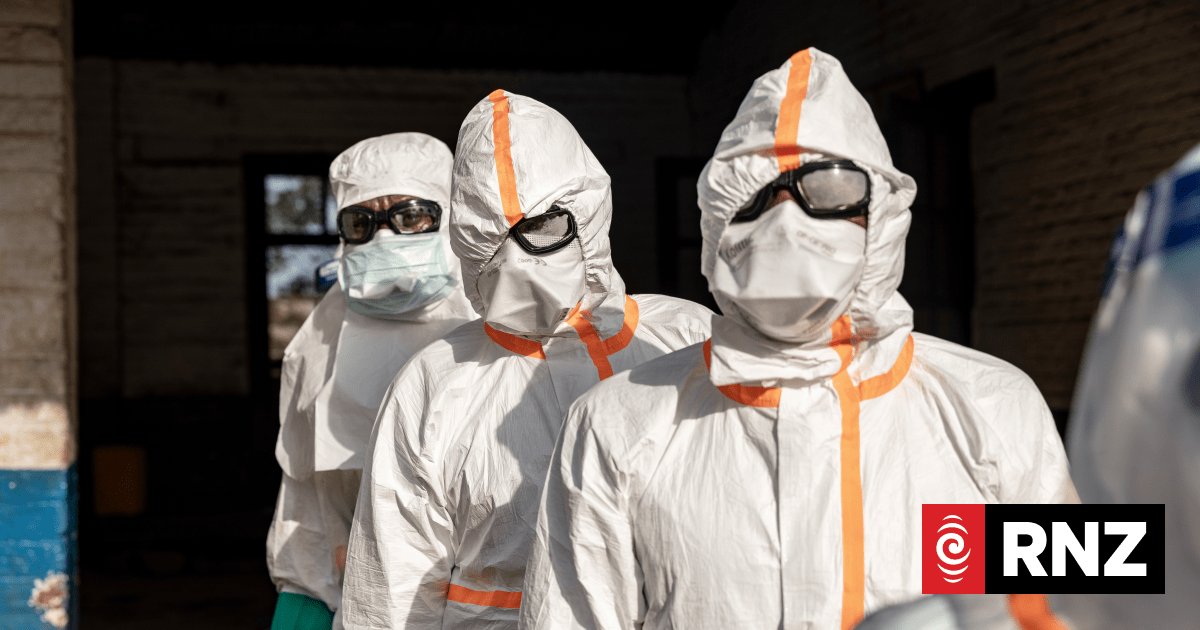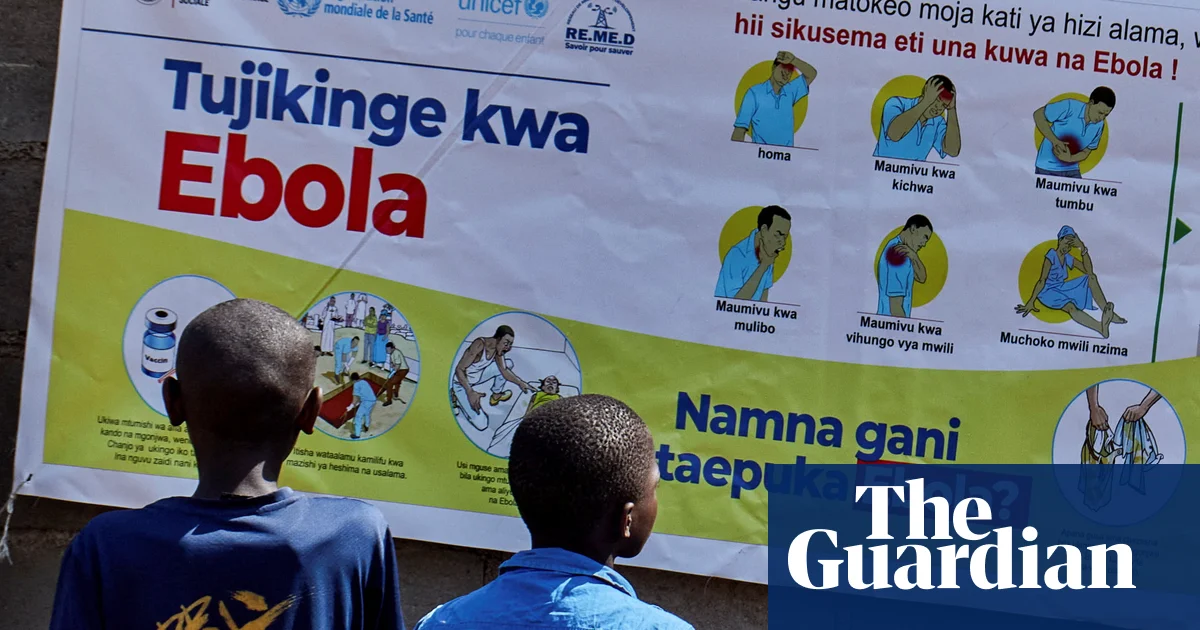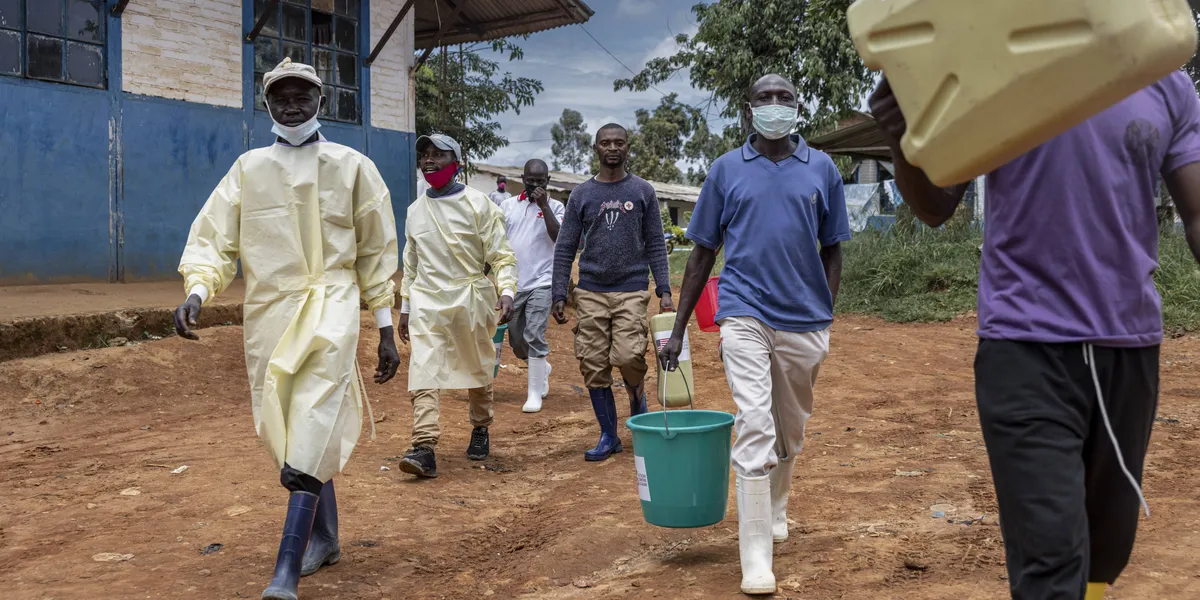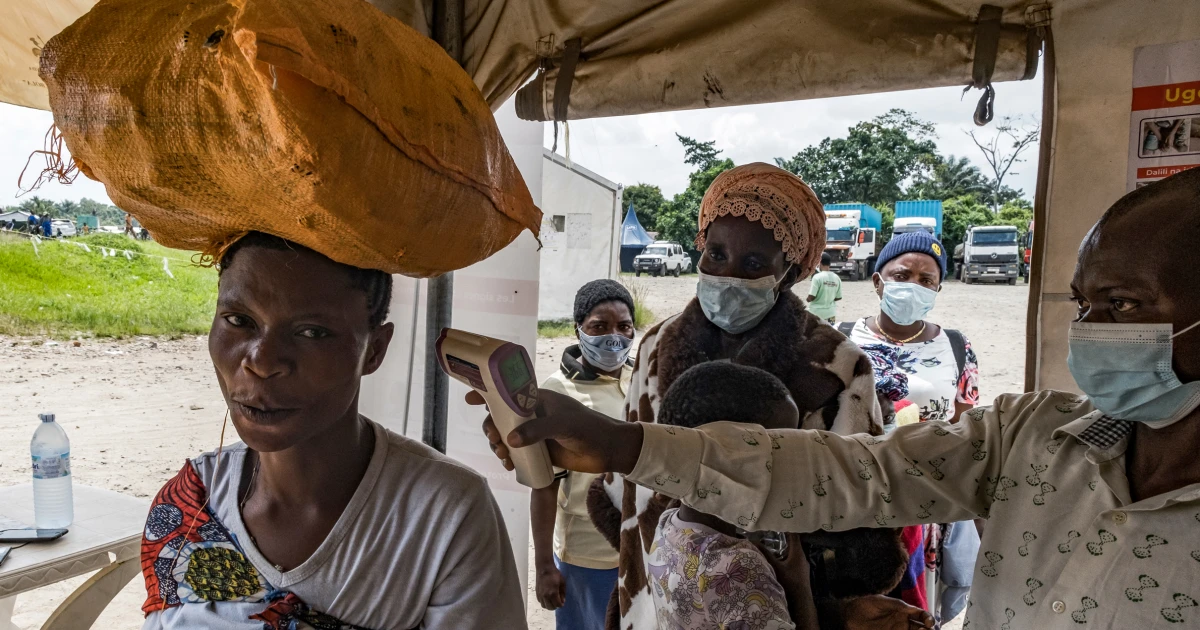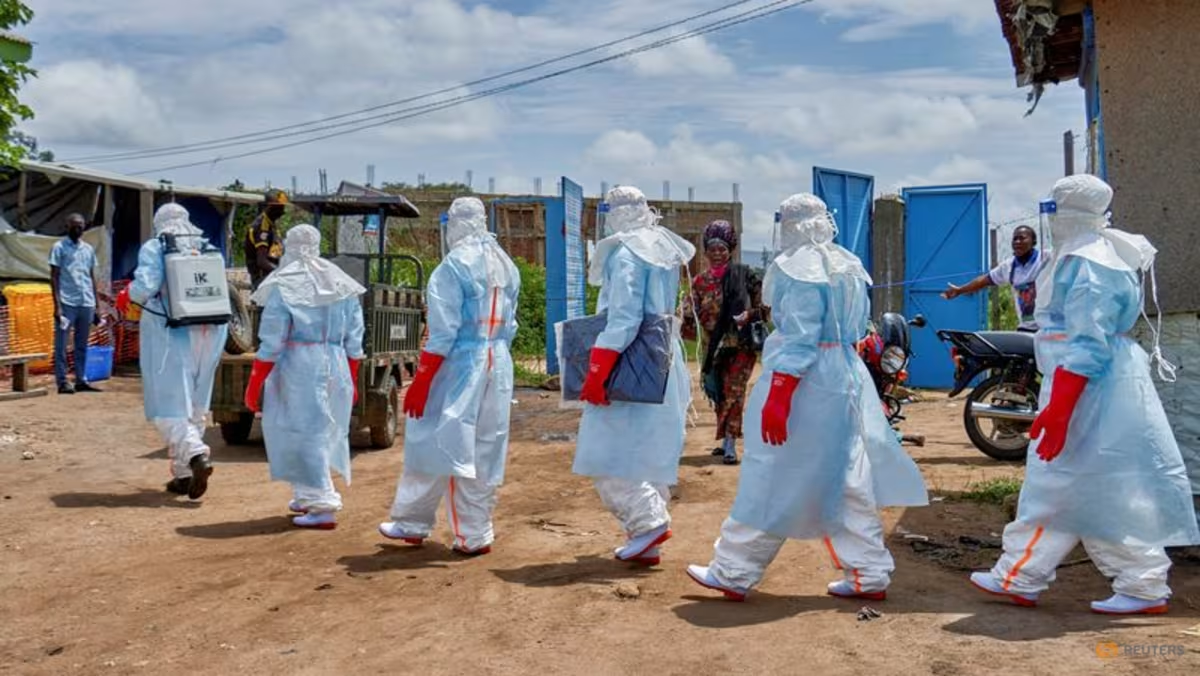
The Trump administration's cuts to international public health programs have blunted the response to the latest Ebola outbreak in Central Africa, and the cumulative impact could lead to failure in future public health emergencies, according to public health experts.
In a briefing sponsored by the Infectious Diseases Society of America (IDSA), three experts discussed international public health funding cuts and reduced international cooperation, the nation's capacity for managing potential Ebola cases, and the effectiveness of new restrictions on air travel to the U.S.
"Preparedness is a team sport -- it requires multinational collaboration and coordination to respond quickly and efficiently," said Jay Butler, MD, of the University of Alaska Anchorage, and a former deputy director of the CDC. "This is particularly important in responding to outbreaks in resource-limited or conflict-torn areas where preparedness infrastructure may be limited."
With the dismantling of resources such as the U.S. Agency for International Development and disengagement with institutions such as the WHO, "what we're seeing now may be only the beginning of what may portend down the road if funding cuts continue the impact that they're having now," Butler warned.