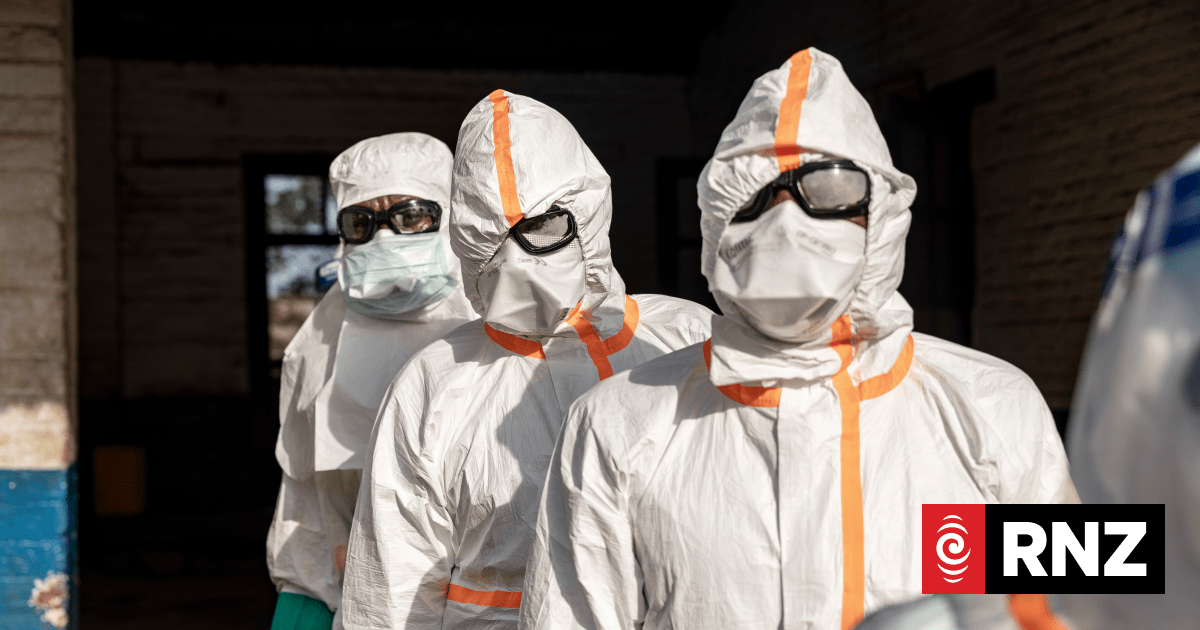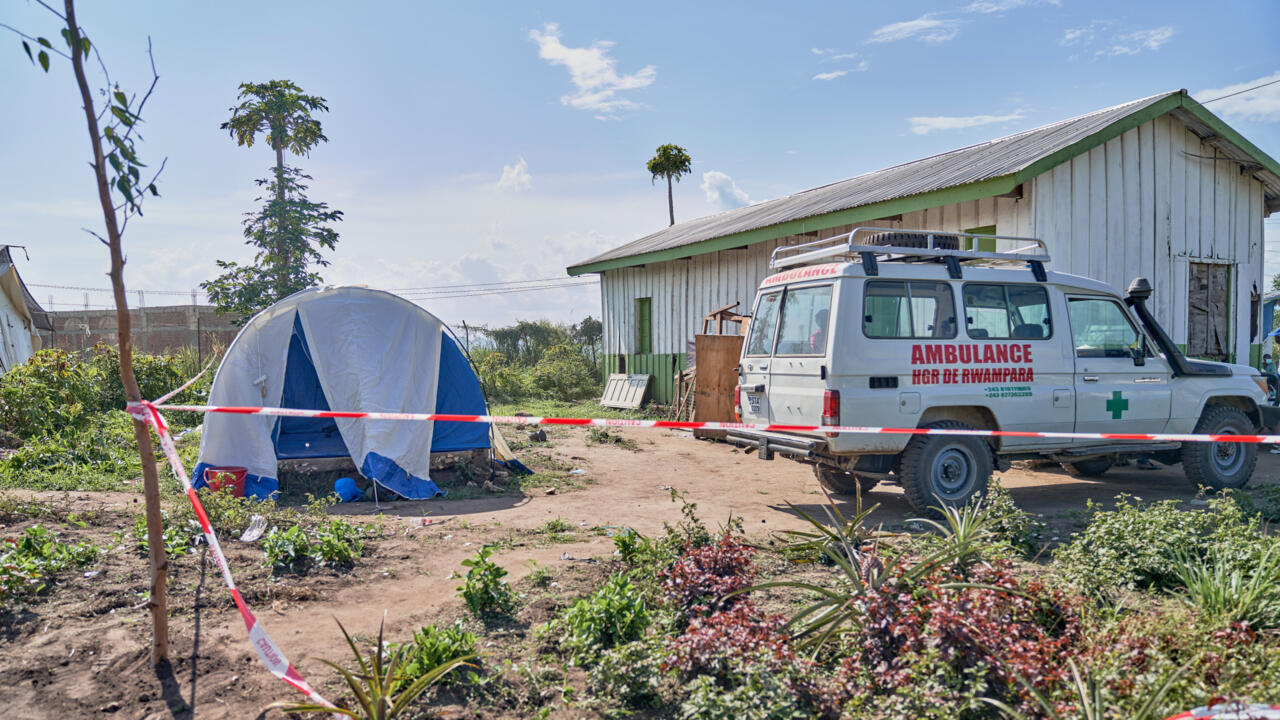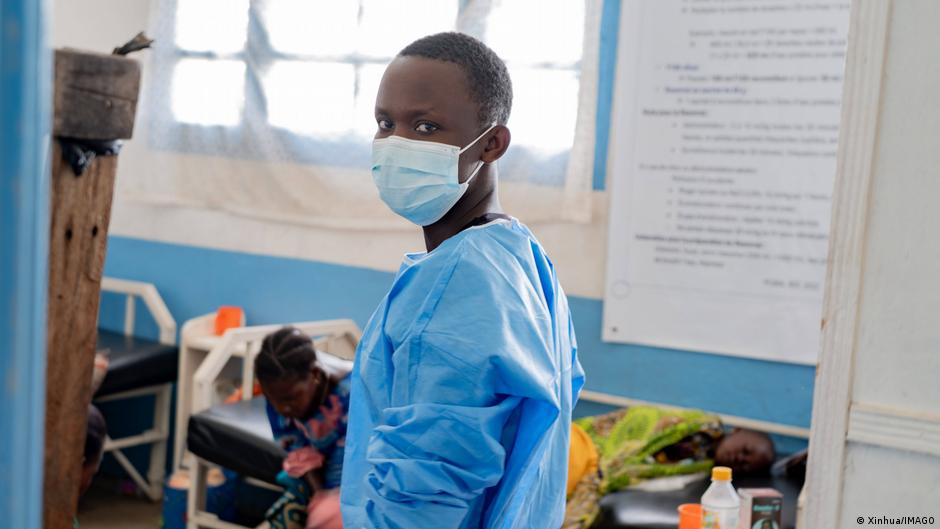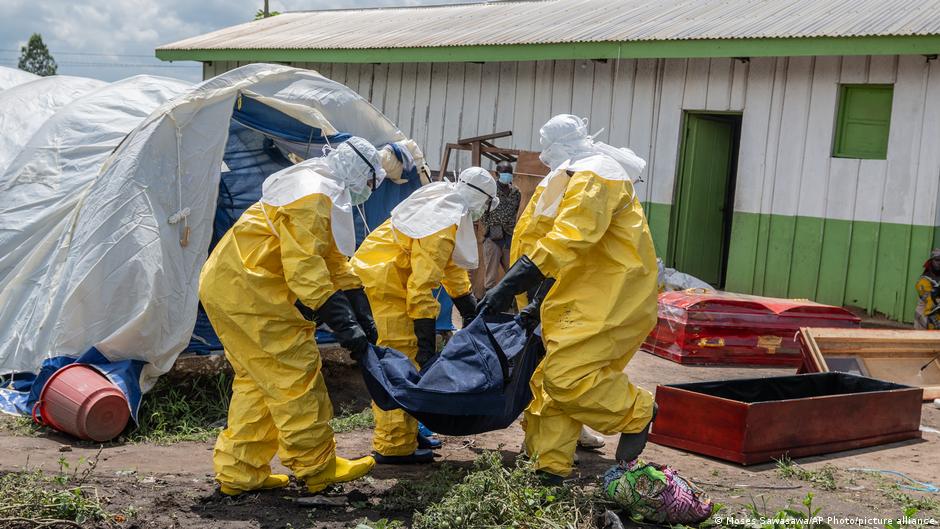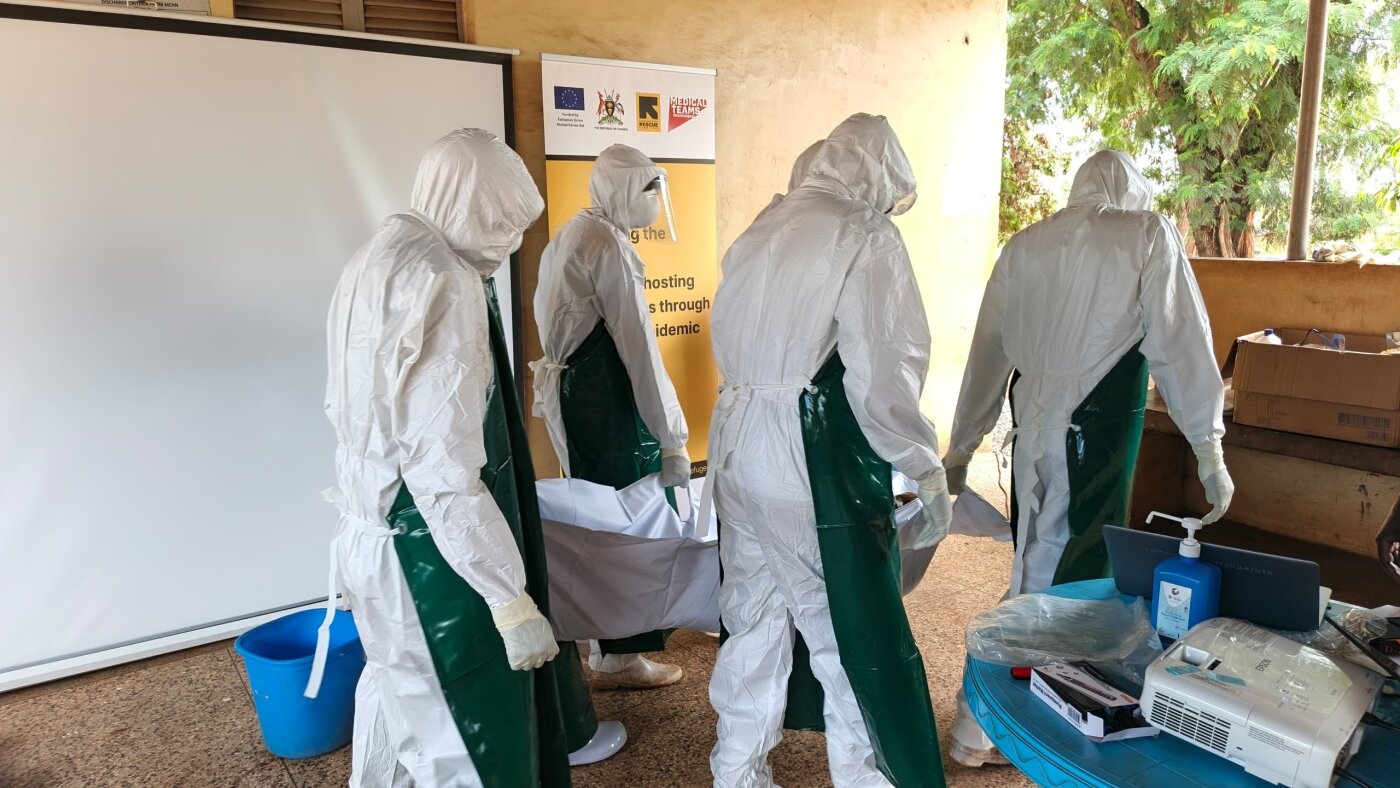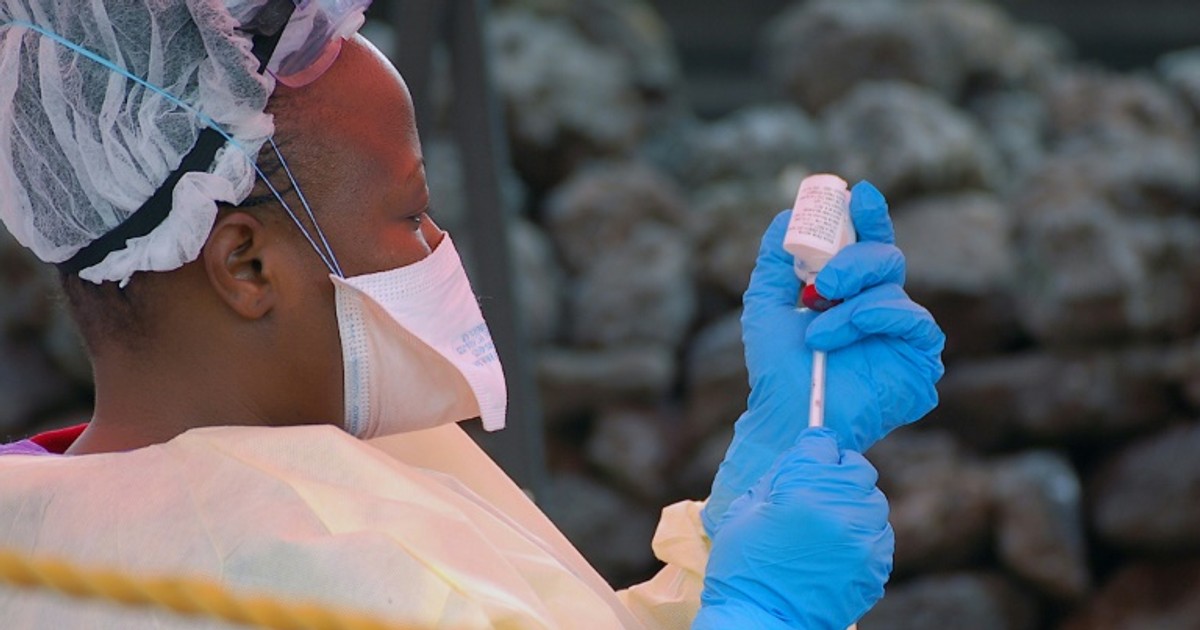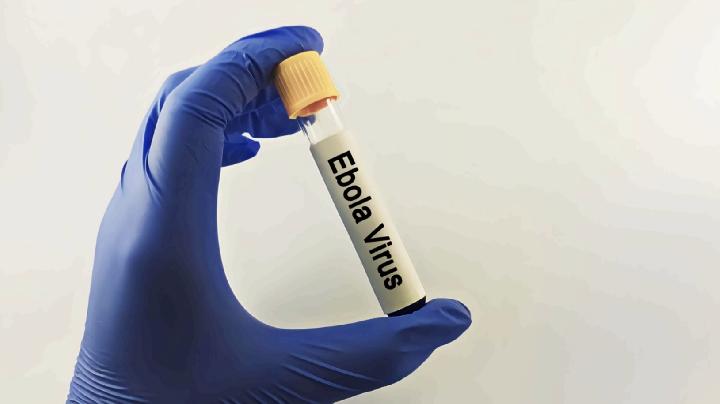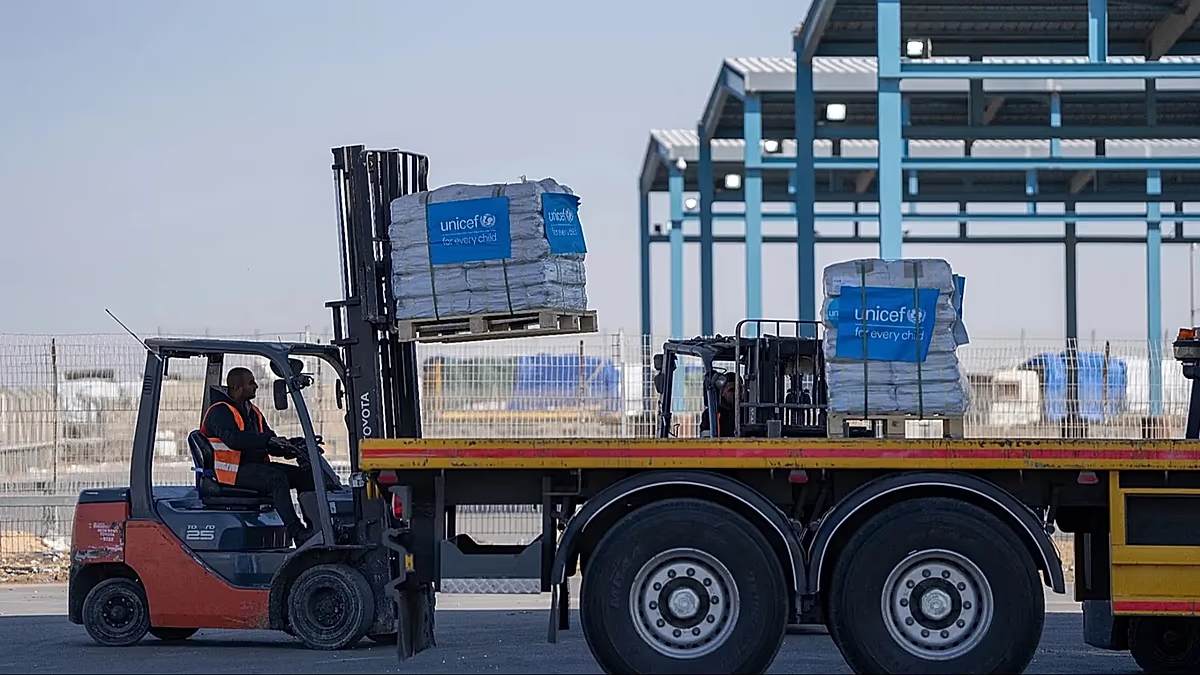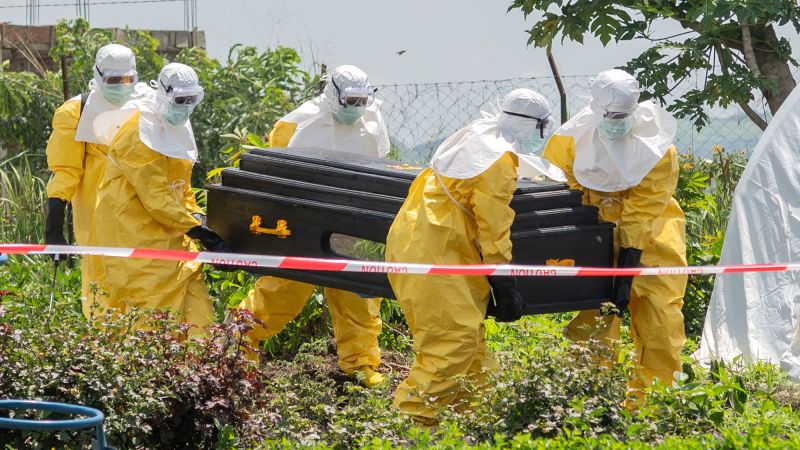
As a deadly Ebola outbreak tears through northeast Democratic Republic of the Congo, many first responders are turning a critical eye on events that preceded the crisis: layoffs of health workers funded by the United States, shortages of critical medical supplies and a steep reduction in American support for global aid programs.
The World Health Organization says more than a hundred deaths are thought to be linked to this outbreak, with nearly 600 suspected cases so far and it’s warning that “we know the scale of the epidemic in DRC is much larger.” It also said this strain of the virus – for which there is no specific vaccine or treatment – could have been circulating for months before it was detected.
There are several reasons for this delay, WHO says: the unusual strain of the virus, weak health infrastructure in the rural area where it originated and ethnic conflict in the region that hampered testing. But the tardy response has also shed an uncomfortable light on the real-world costs of the Trump administration’s cuts to foreign aid and its withdrawal from WHO, the global health body tasked with managing outbreaks of this kind.
While the Trump administration is keen to point blame elsewhere, aid workers and experts said US funding cutbacks and layoffs in multiple areas have hampered the world’s ability to respond to Ebola.