WASHINGTON — For years, the United States has poured hundreds of millions of dollars into programs to prevent and control infectious diseases in the Democratic Republic of the Congo.
But in the months leading up to a fast-moving Ebola outbreak, the Trump administration slashed aid to the country, leading to a cascade of consequences that probably hampered the detection of the outbreak and the response to it, six people involved in or familiar with the efforts in the region said.
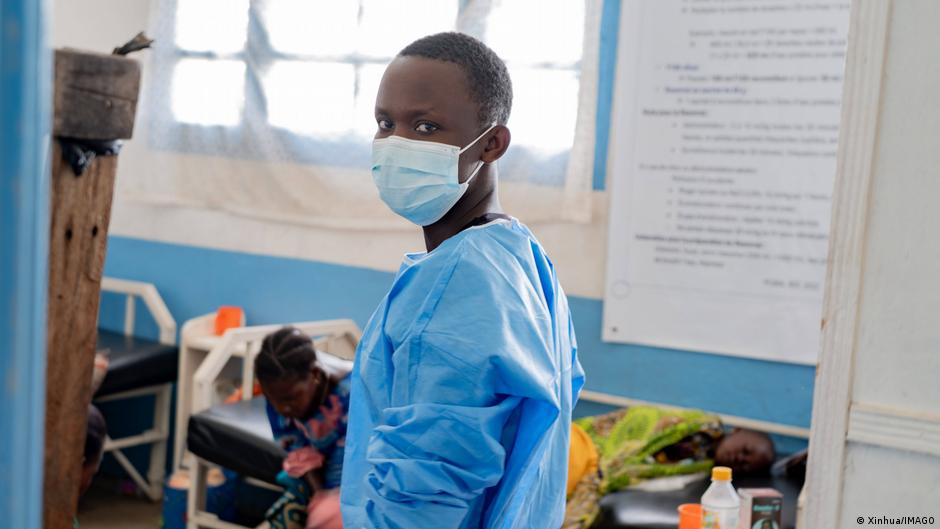
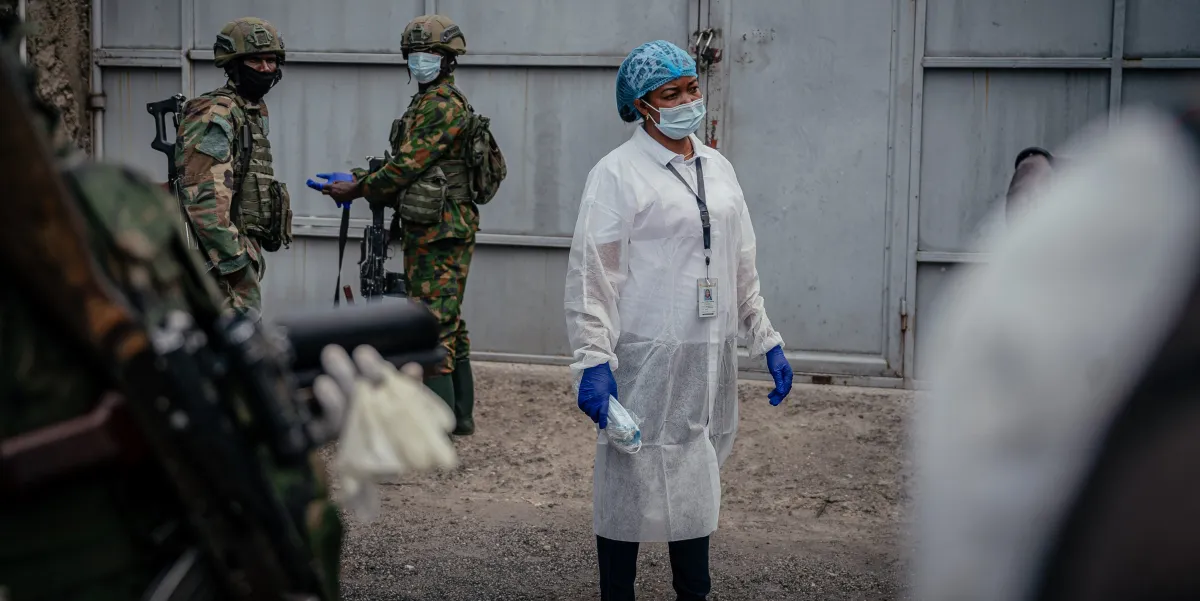
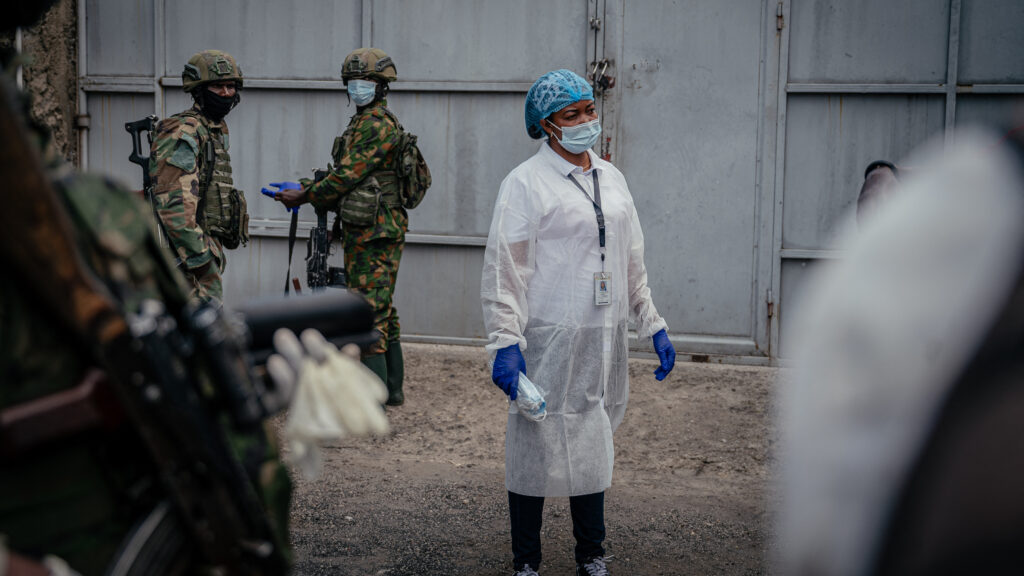
Now, the DRC is experiencing the third-largest Ebola outbreak on record. Experts estimate 130 people have died and at least 600 are sick, including an American. The U.S. government has closed its border to people who are from or who have traveled recently in the area, fearing the spread of the disease. (U.S. passport holders are exempt.)
This account of the impact of U.S. funding cuts is drawn from disclosures the Trump administration submitted to Congress last year, a review of government funding databases, and interviews with six people who currently or previously did public health work in the region. Some of the people spoke on condition of anonymity, fearful of retaliation from the Trump administration.
Some of the aid that the Trump administration cut off had been explicitly intended to safeguard against epidemics, build up health systems, create supply chains for infectious disease control supplies, and improve sanitation.