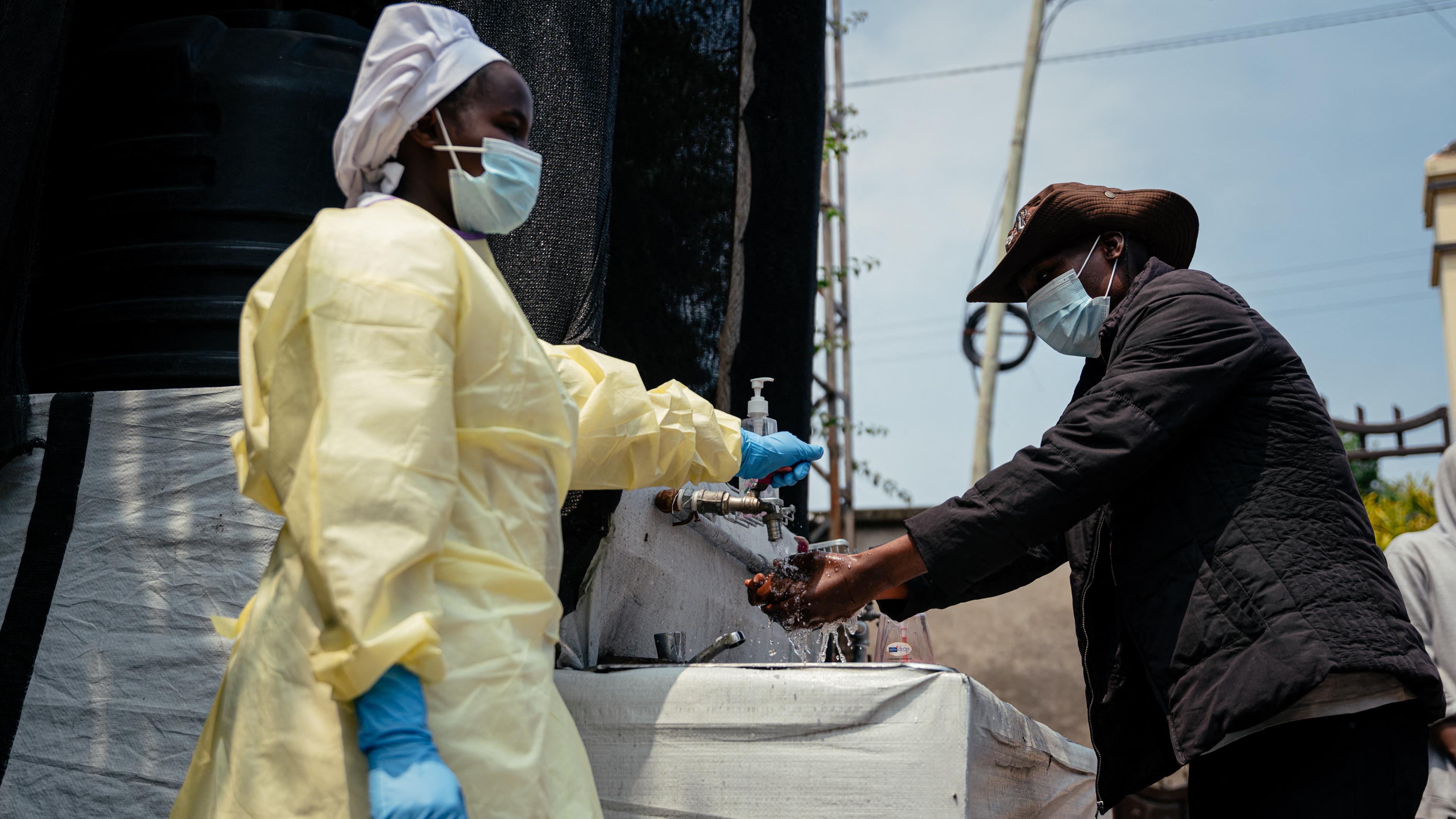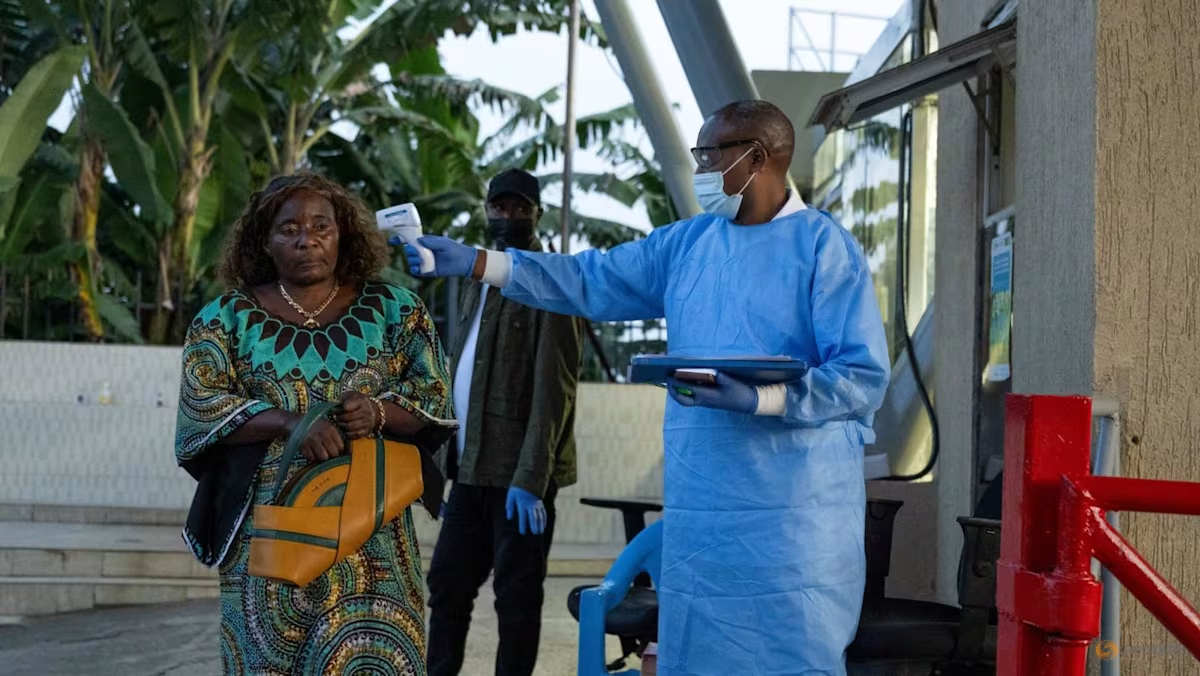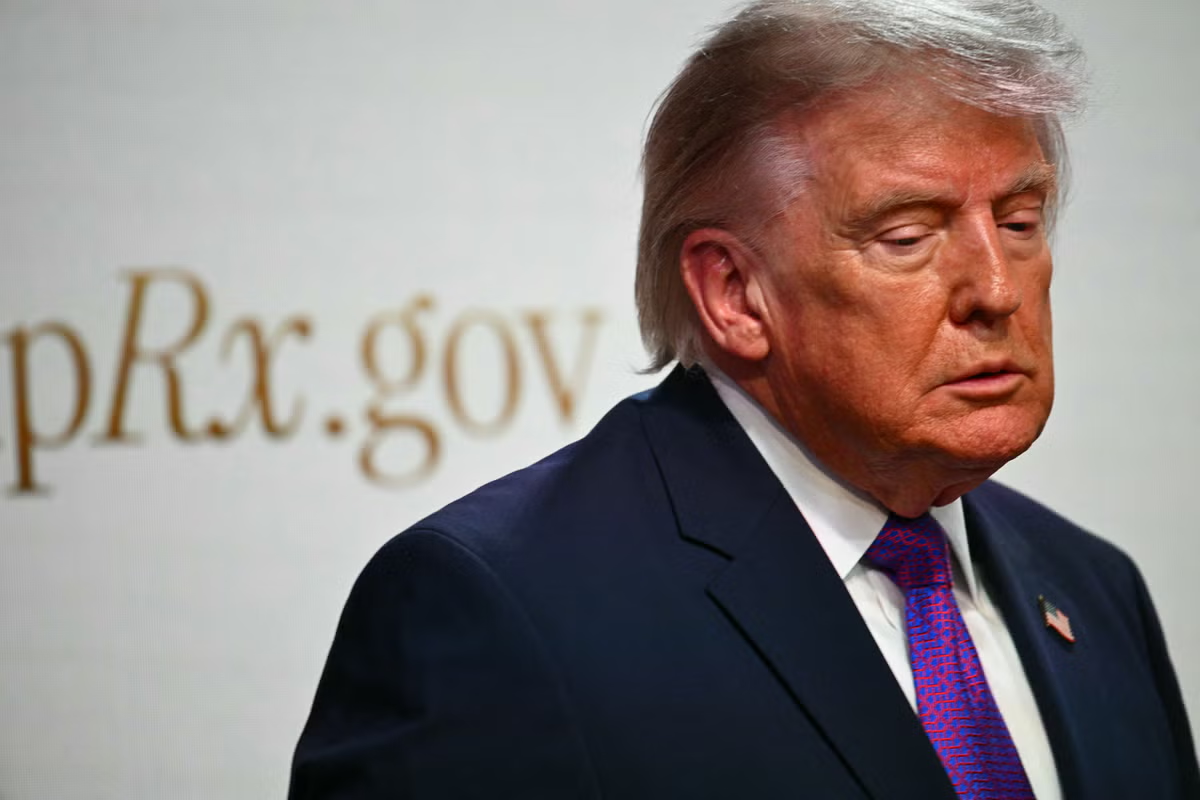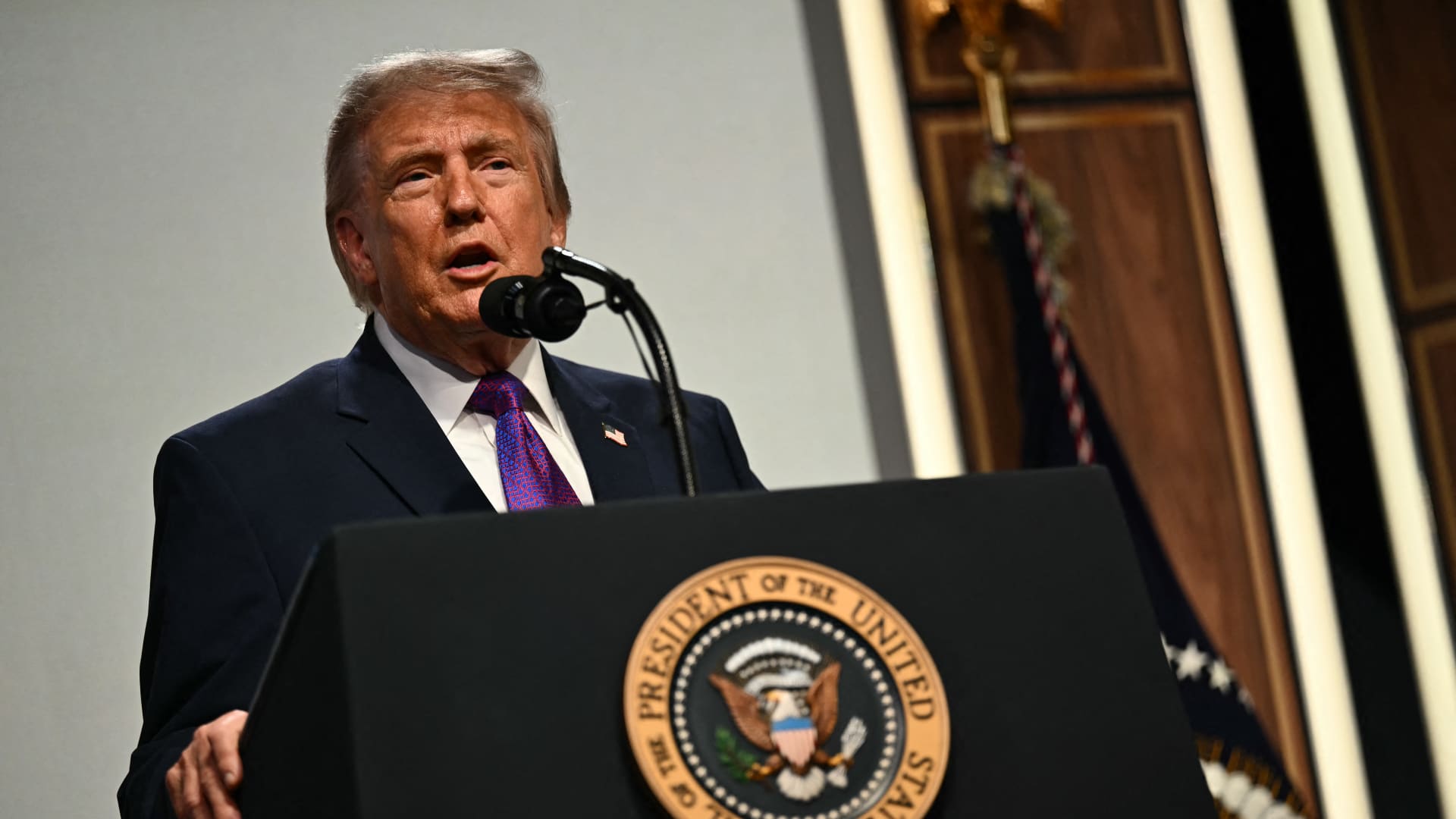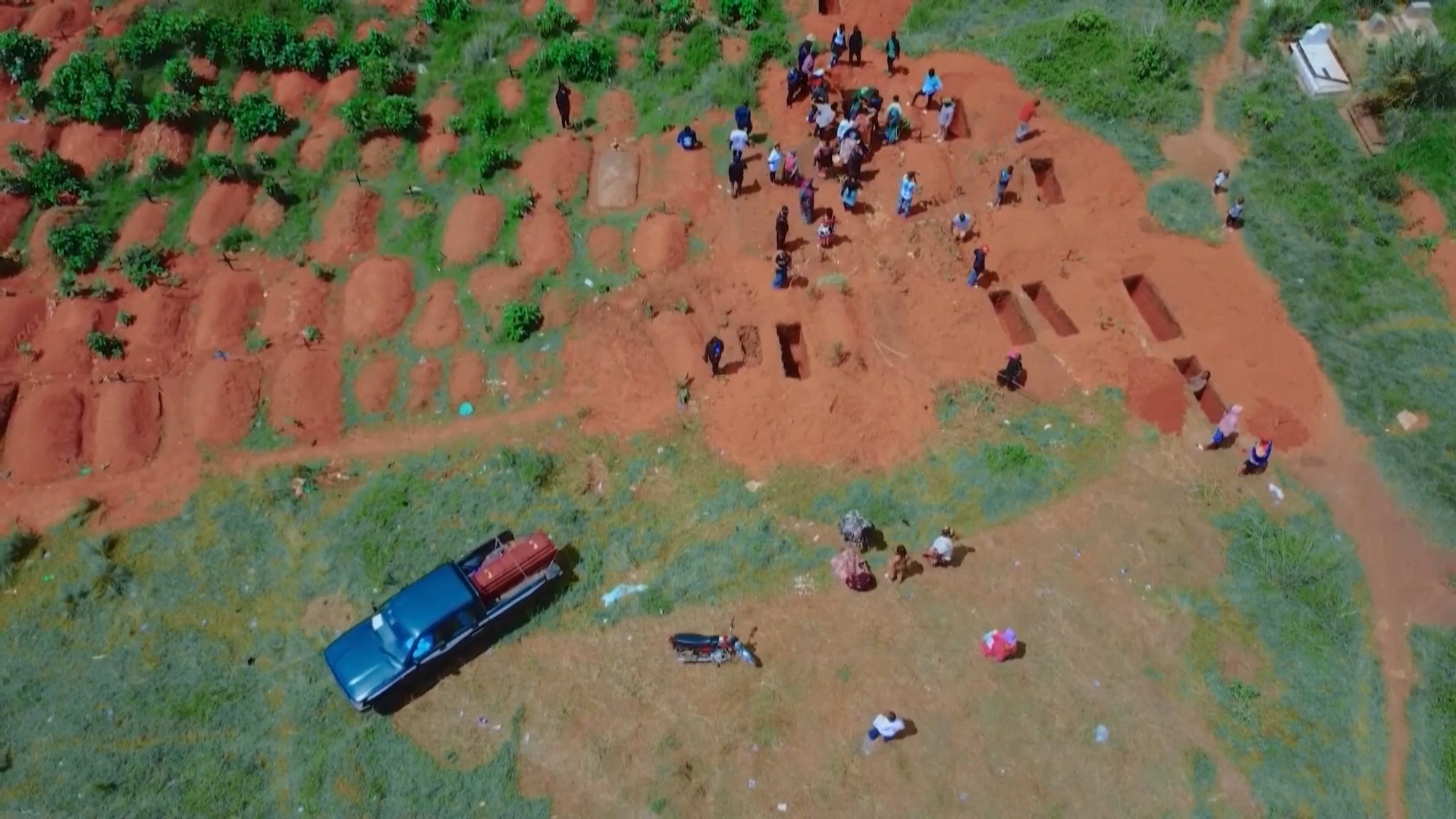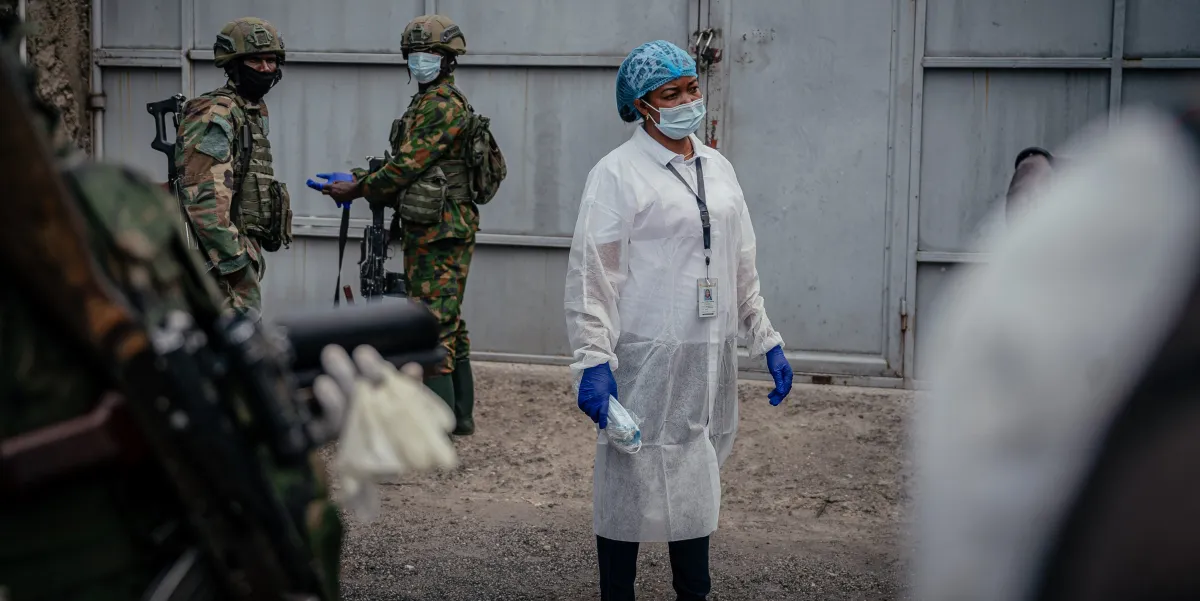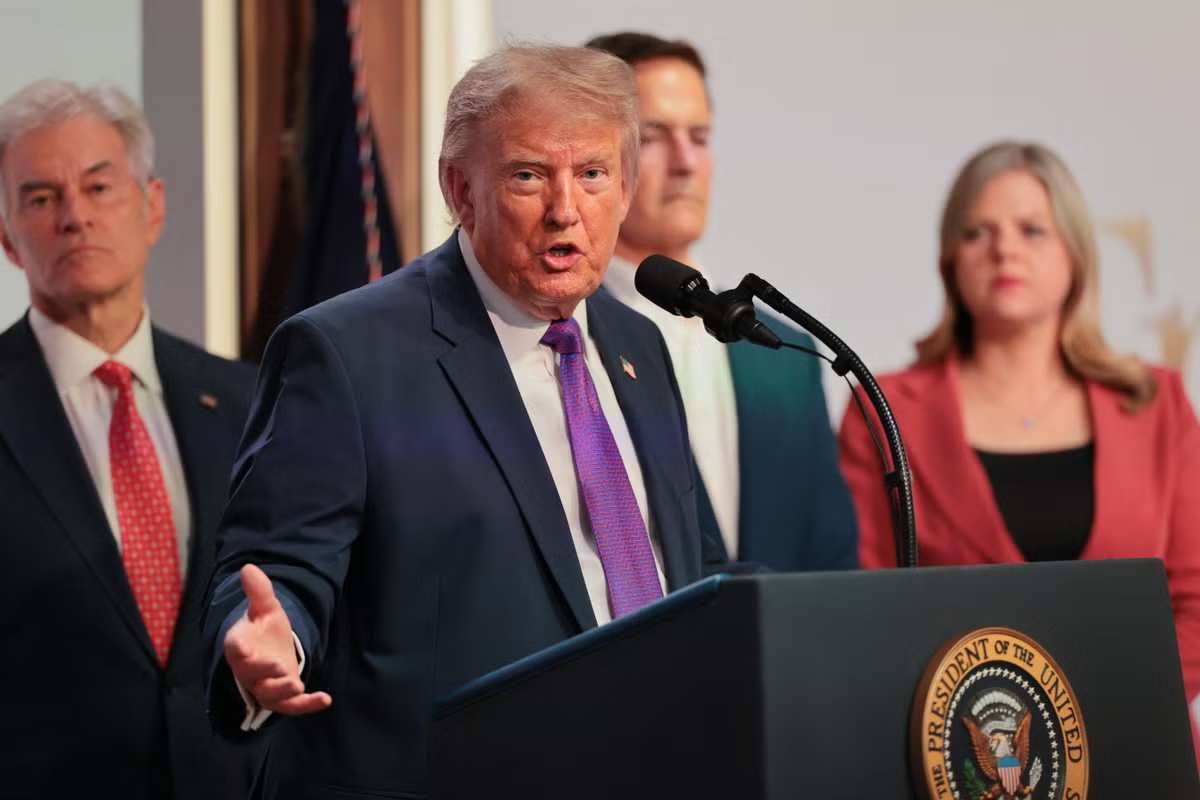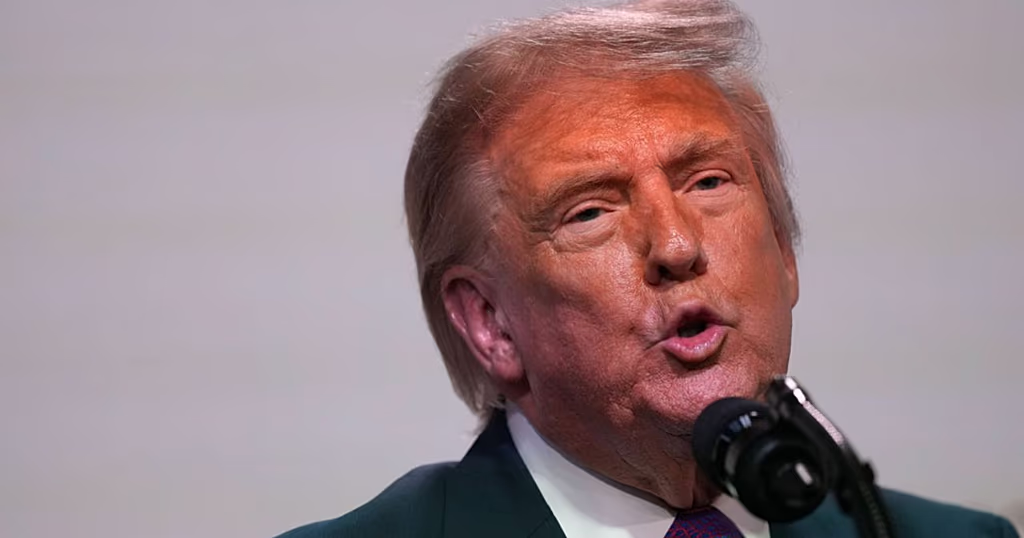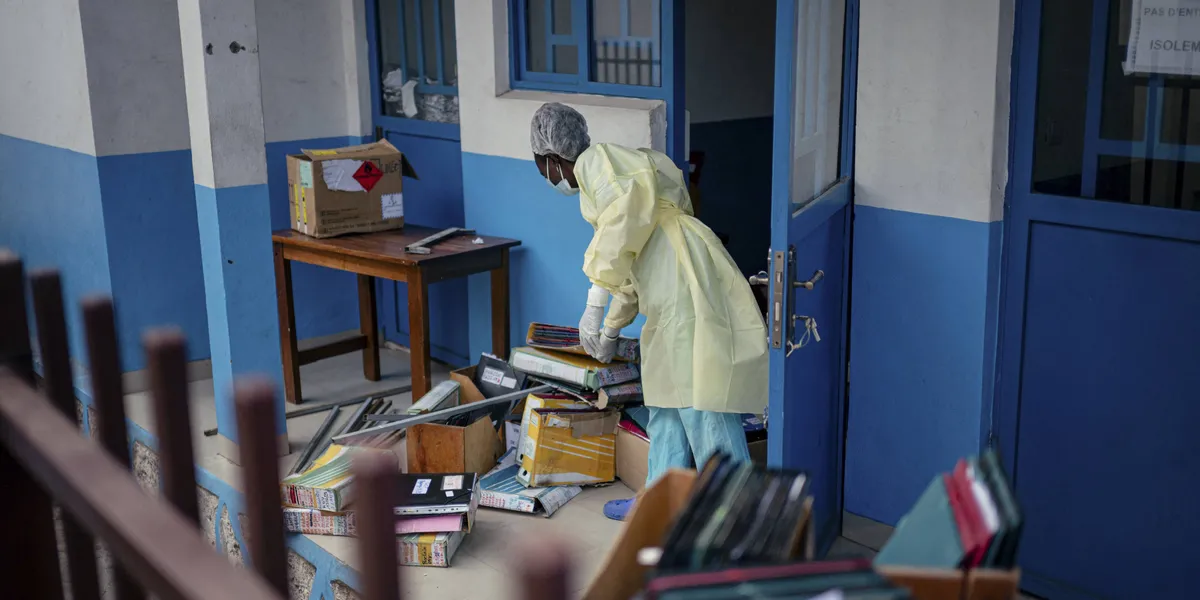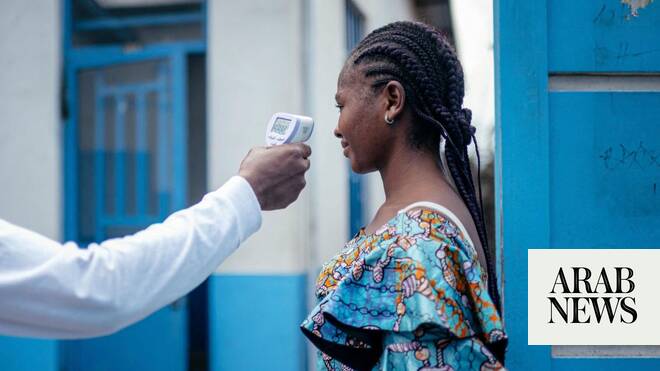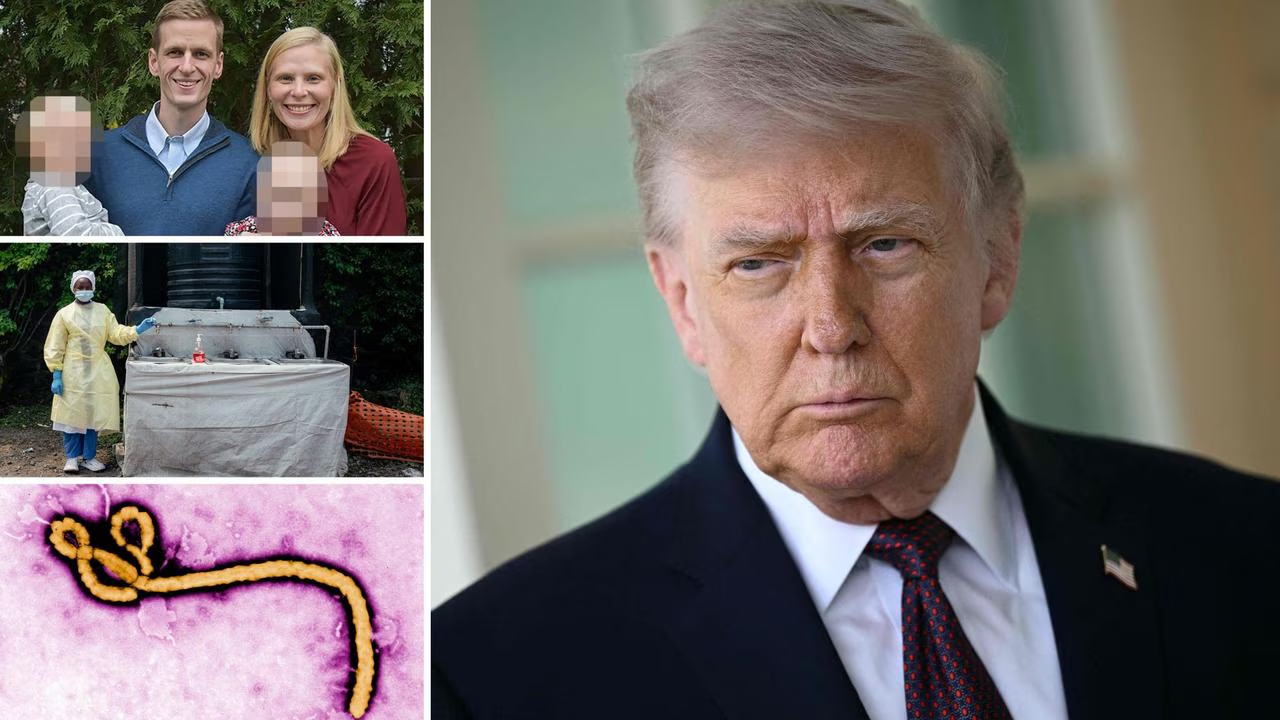
President Donald Trump says he is “concerned” about the deadly Ebola outbreak sweeping Central Africa but believes it has been “confined right now to Africa”, as the United States scrambles to bolster its response after an American worker in the Democratic Republic of Congo tested positive for the virus.Mr Trump’s comments came as the World Health Organisation declared the outbreak a “public health emergency of international concern” — its highest alert level — with at least 100 deaths and hundreds more suspected cases reported so far. Most of those infected are aged between 20 and 39, and more than 60 per cent are women.In Australia, cabinet minister Murray Watt confirmed on Monday that health officials were working with international counterparts on the crisis, though he acknowledged he had not yet received a full briefing.“I think we’ve seen previously around the world outbreaks of ebola have been of great concern to the world,” Senator Watt told ABC Radio National. “I’m sure that some of our officials in the Health Department would be working with their international counterparts about this as well.”Ebola has never been reported in Australia, and health authorities do not believe there is currently any direct risk to the Australian public. But the WHO’s emergency declaration has prompted heightened vigilance globally, including new border and travel measures from the United States.While Ebola outbreaks are not uncommon, this is only the third time the Bundibugyo variant has been recorded anywhere in the world. There are no approved vaccines or therapeutic treatments for this particular strain. Symptoms begin as flu-like before rapidly progressing to severe vomiting, diarrhoea, stomach pain, rashes, and in some cases, internal and external bleeding.The US Centres for Disease Control and Prevention confirmed on Monday that one American working in the DRC had contracted the virus following exposure linked to their work there. Dr Peter Stafford, an American medical missionary with the international Christian missions organisation Serge, developed symptoms over the weekend and tested positive late Sunday.“The person developed symptoms over the weekend and tested positive late Sunday,” Satish Pillai, the CDC’s ebola response incident manager, said, adding that efforts were underway to transport Dr Stafford to Germany for treatment.Peter’s wife, Dr Rebekah Stafford, and another physician, who were treating patients when the outbreak began, are being monitored for signs of the virus but are currently asymptomatic, Serge said in a press release.The couple’s four children are also being monitored.Six more people are also being evacuated for health monitoring. Around 25 personnel are currently working in the US field office in the DRC, and the CDC said it was sending an additional senior technical coordinator to the region.“At this time, CDC assesses the immediate risk to the general US public as low, but we will continue to evaluate the evolving situation and may adjust public health measures as additional information becomes available,” the agency said.The US has now launched a raft of new measures, including screening of air travellers arriving from outbreak-affected regions and entry restrictions on non-US passport holders who have travelled to Uganda, the DRC, or South Sudan within the past 21 days. The US Embassy in Kampala, Uganda, also temporarily suspended all visa services, with affected applicants notified directly.The WHO reported the outbreak has now alarmingly spread to Uganda’s capital, with more than 336 suspected cases and the death toll continuing to rise. Congolese Health Minister Samuel-Roger Kamba confirmed the deaths are suspected to be linked to the current surge.The CDC said its public health response would include the continued deployment of personnel to support containment efforts in affected regions, as well as assistance with contact tracing and laboratory testing. The US State Department separately announced it had mobilised US$13 million in aid for immediate response.Mr Trump, who earlier this year formally withdrew the United States from the WHO, said he was monitoring the situation closely.“I think that it’s been confined right now to Africa,” he said, though public health experts have warned that the spread to Uganda’s capital city represents a significant escalation.The Bundibugyo strain, first identified in Uganda in 2007, is considered highly contagious. The current outbreak has alarmed global health authorities not only because of the death toll but because of the speed with which cases have spread across borders.For Australians, health authorities stress there is currently no risk of local transmission, and the country has solid biosecurity and quarantine measures in place. Senator Watt said the government would continue to monitor the situation as it developed.The WHO’s emergency declaration obligates member nations to step up surveillance, reporting, and preparedness measures. Australia, as a WHO member, is expected to review and strengthen its existing protocols where it can in response to the declaration, though no specific new measures have been announced.Previous Ebola outbreaks, including a devastating 2014–16 epidemic in West Africa that killed more than 11,000 people, were ultimately brought under control through international efforts and strict containment protocols.Read related topics:Donald Trump
Trump responds as deadly ebola strain spreads beyond the Democratic Republic of Congo
President Donald Trump says he is “concerned” about the deadly Ebola outbreak sweeping Central Africa but believes it has been “confined right now to Africa”, as the United States scrambles to bolster its response after an American worker in the Democratic Republic of Congo tested positive for the virus.
820 words~4 min read