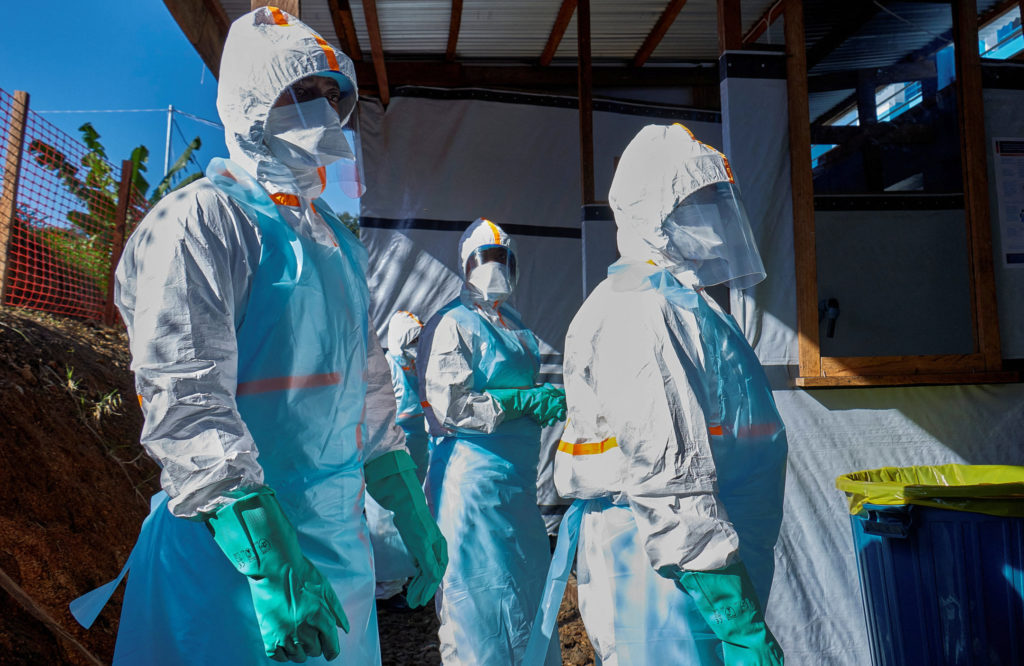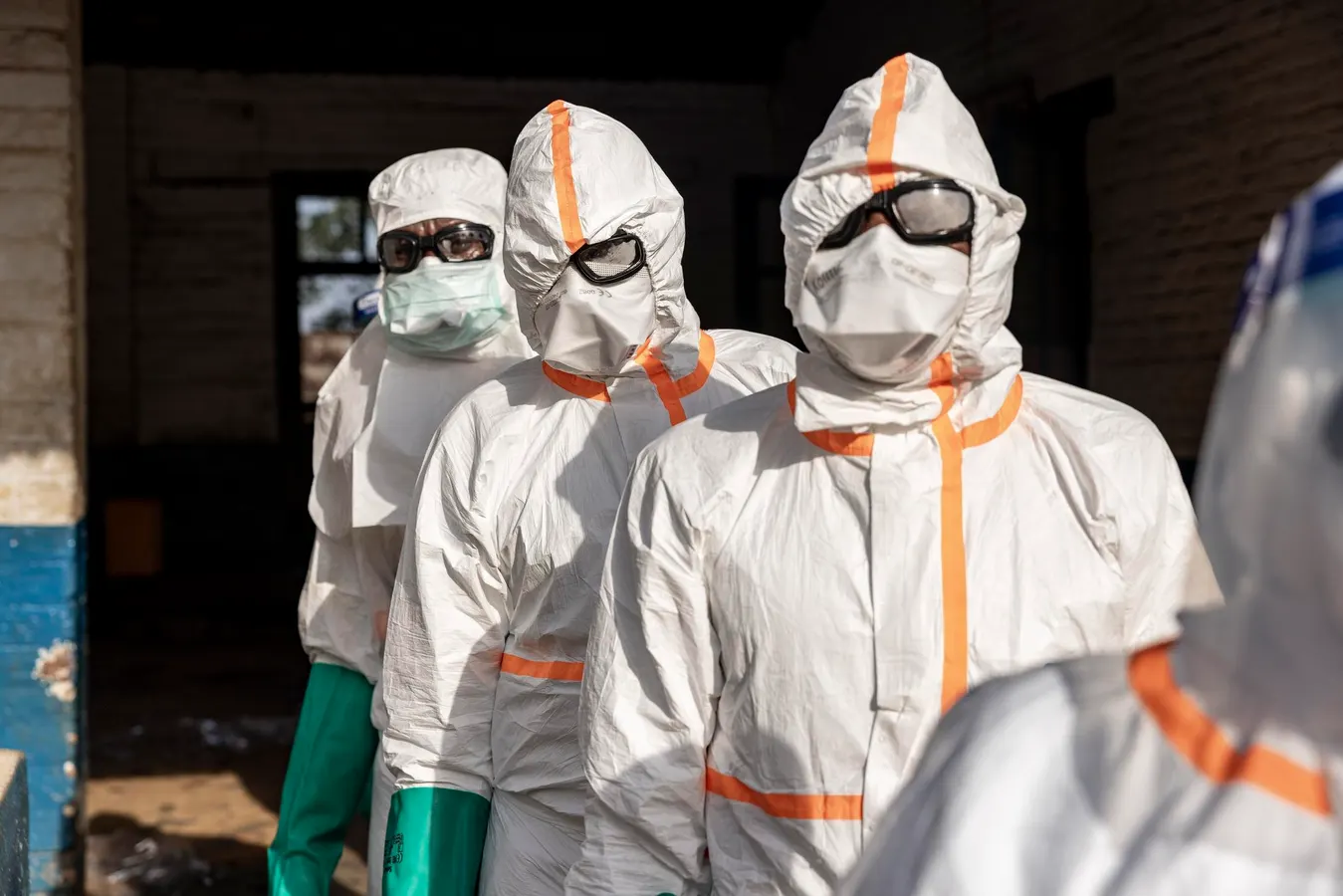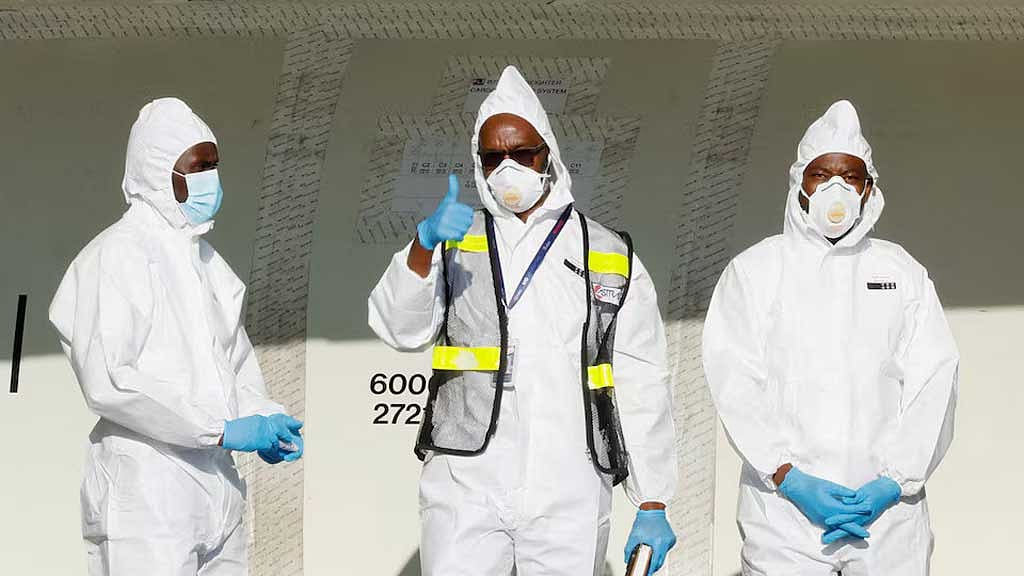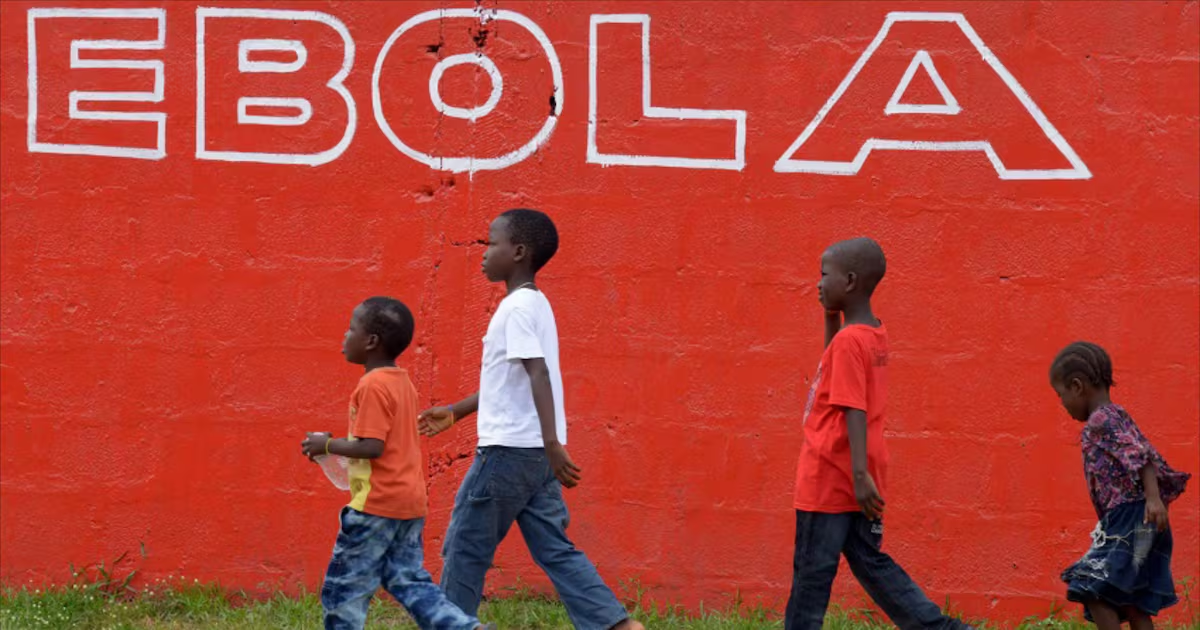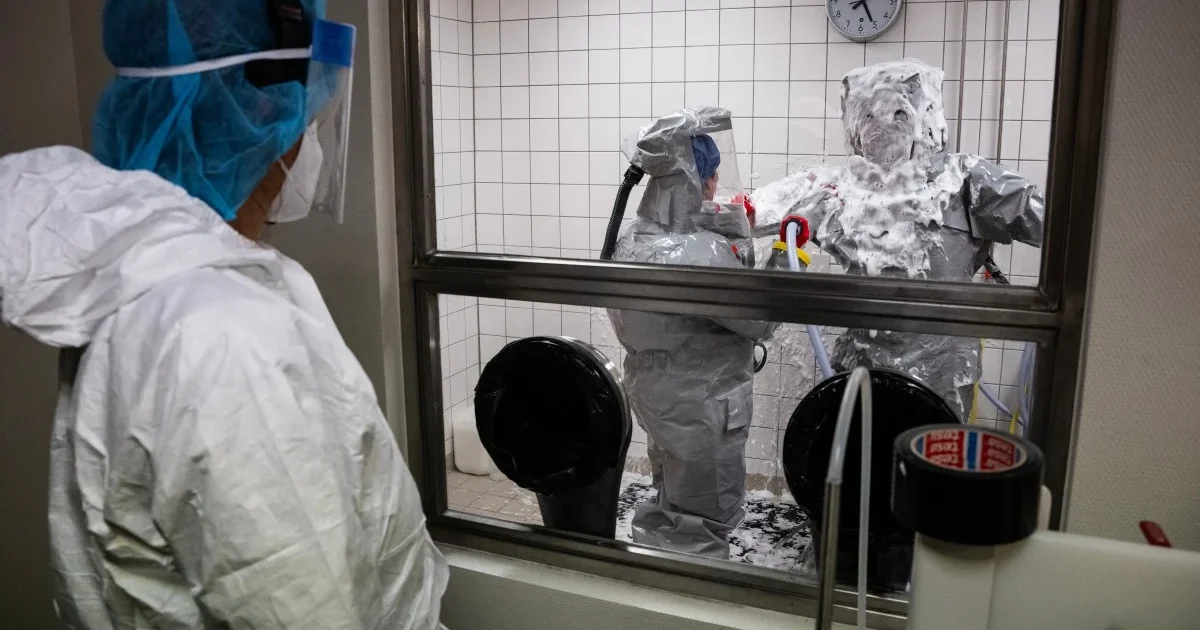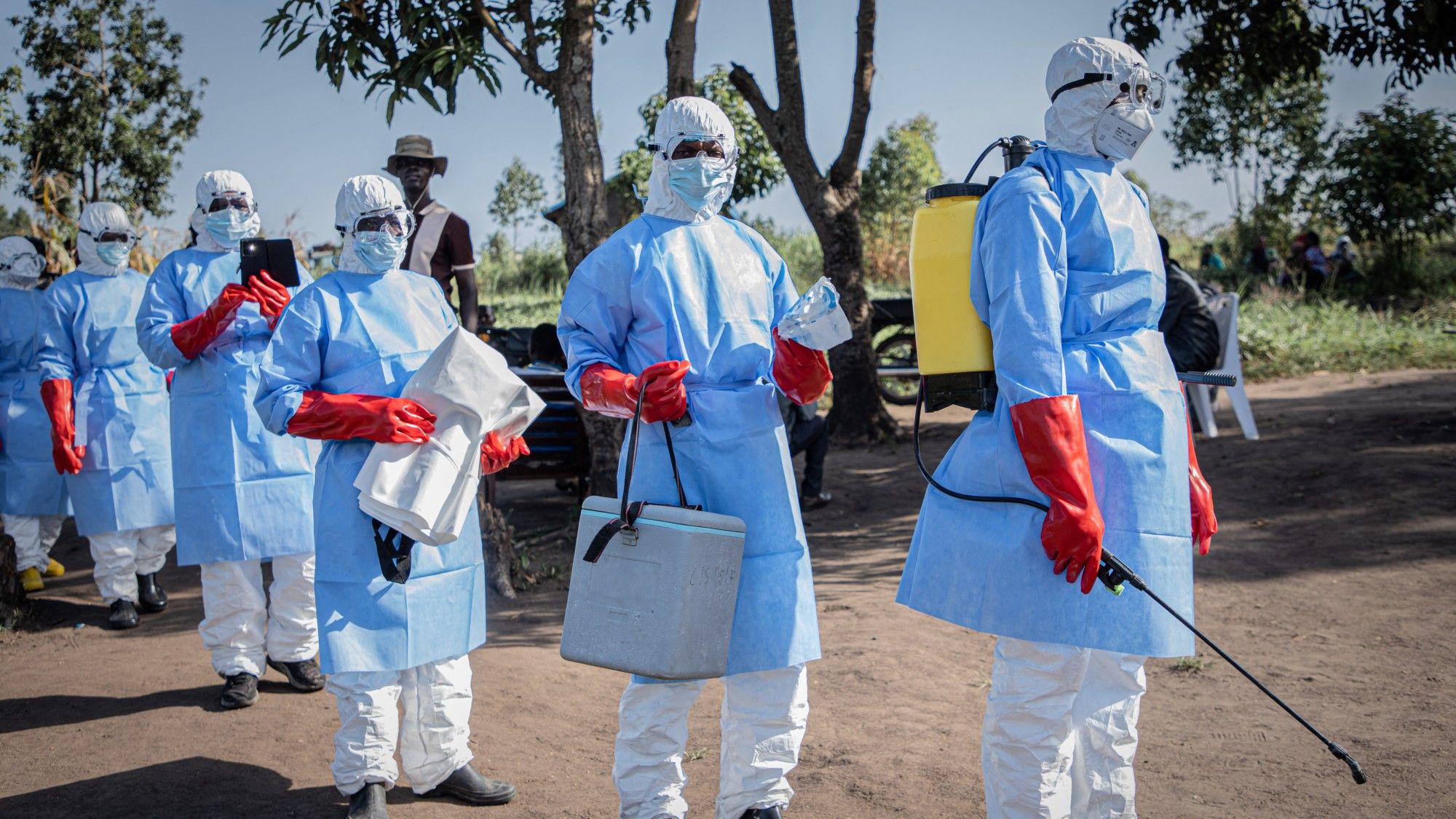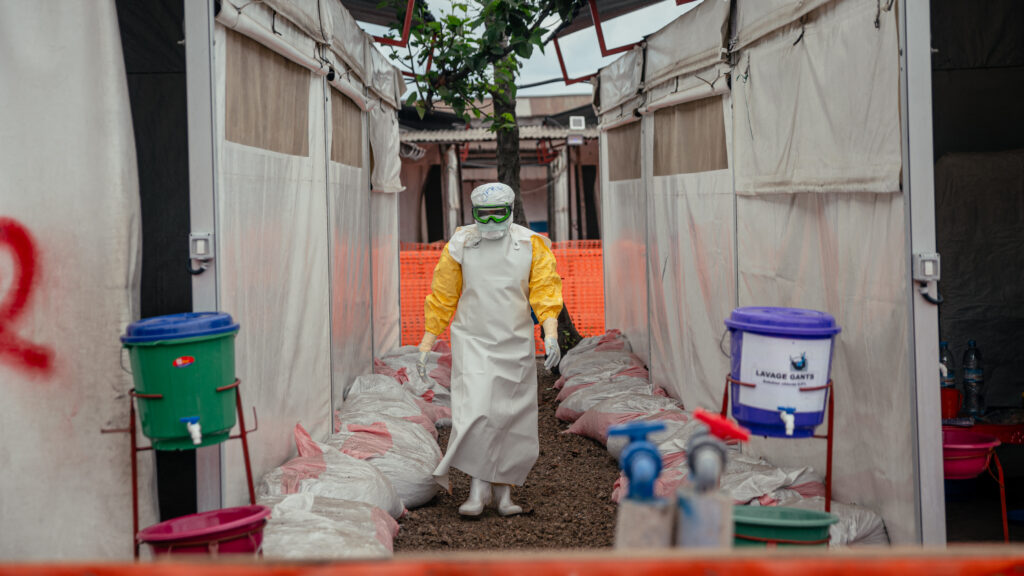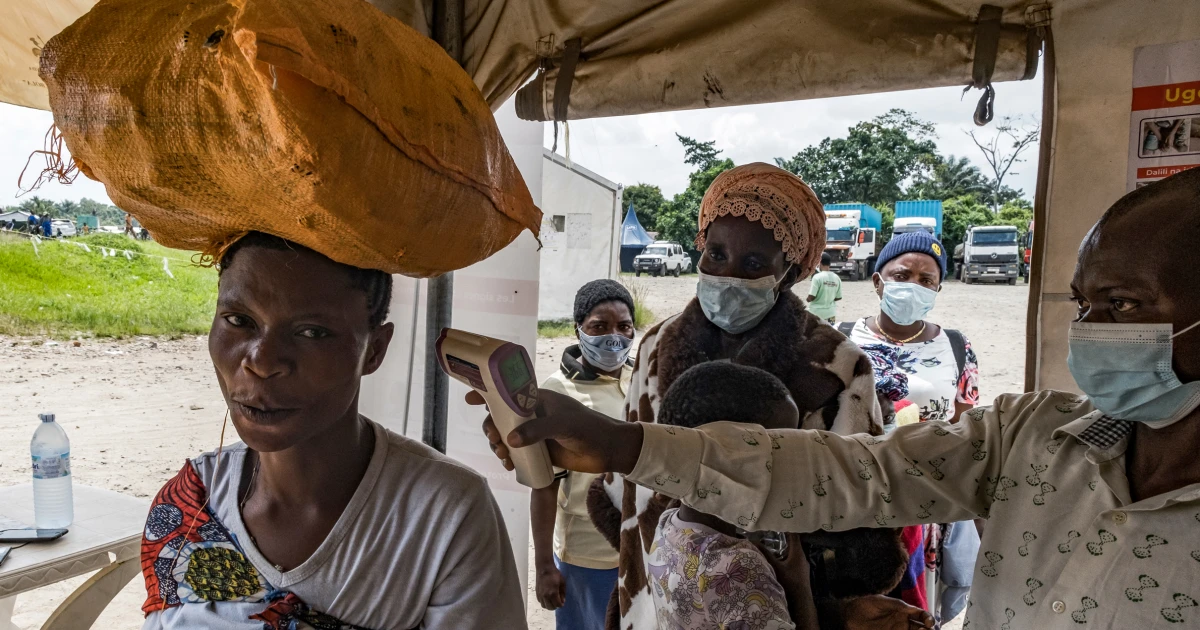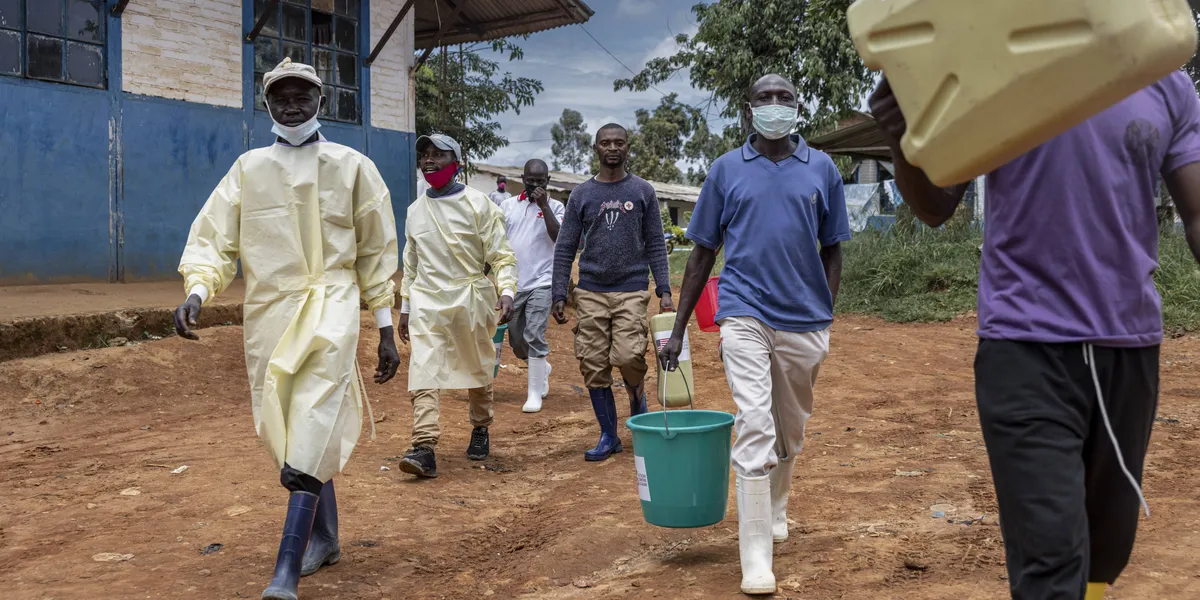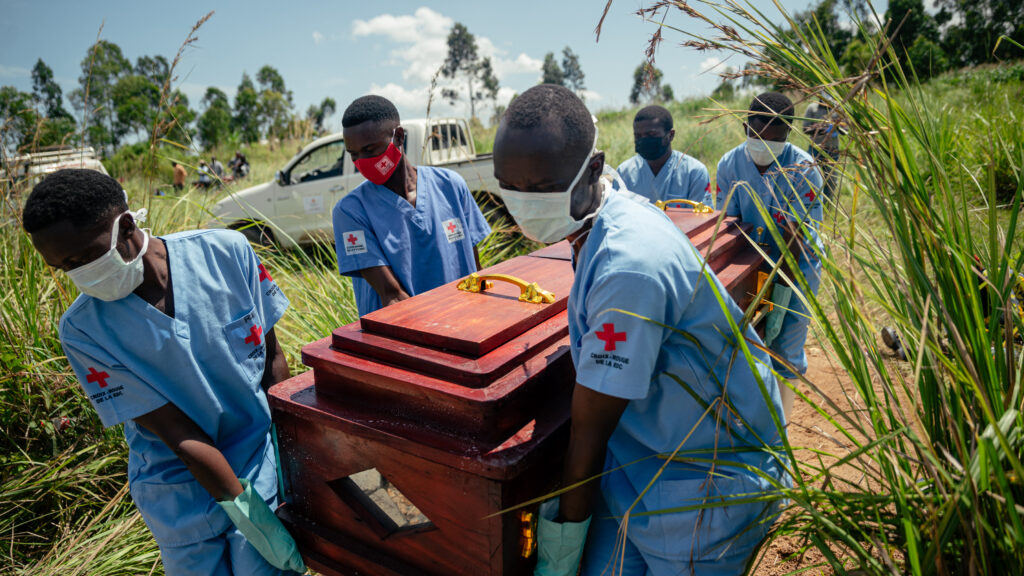
In October 2014, when the Centers for Disease Control and Prevention warned that the Ebola outbreak in West Africa risked infecting 1.4 million Africans by 2015, Susan Reichle was the counselor to USAID in Washington, D.C. At the time, the CDC mounted the largest response in history, and for the first time in an Ebola outbreak. USAID was involved in the response, too.
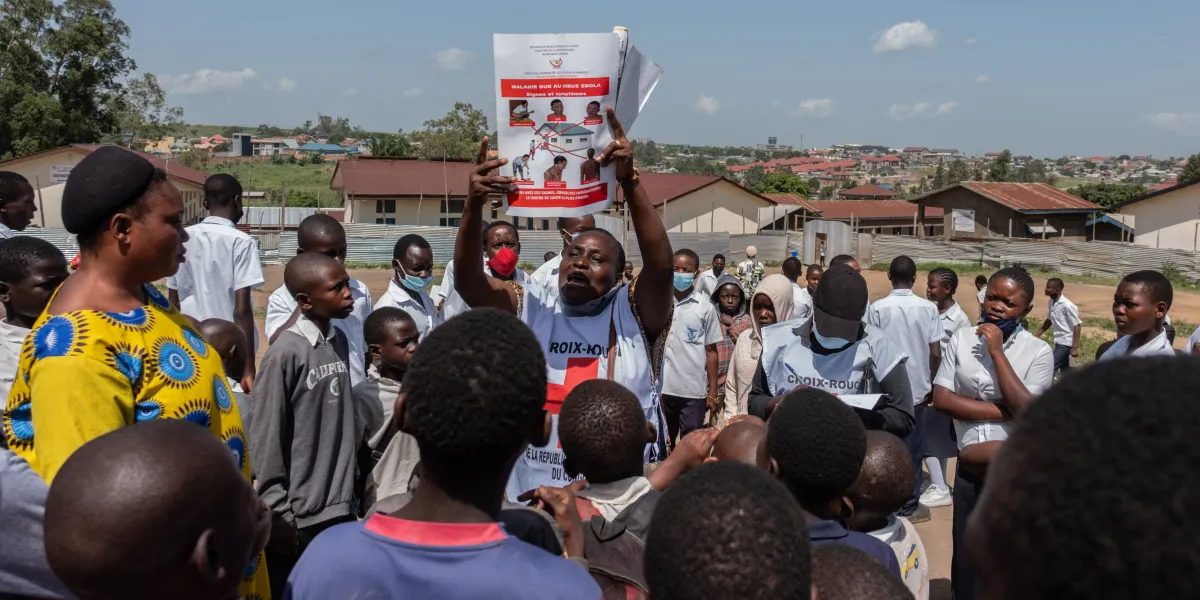
It was a very different situation compared to the current outbreak in the Democratic Republic of the Congo and Uganda. In 2014, the world learned about the outbreak when there were 49 confirmed cases, and it took two-and-a-half months to get to 300 cases. This time, there were already hundreds of suspected cases by the time the CDC began its response, and 300 confirmed cases were reached within two weeks.
The countries affected in 2014 — Guinea and, later, Liberia and Sierra Leone — were safer for international health workers to operate in than the outbreak zone in the DRC, where over 120 armed militias operate in the Ituri province alone. And, of course, USAID existed at the time, and the U.S. was still part of the World Health Organization.
As the U.S. (and the world) deals with an outbreak with strong momentum, projected to reach up to 20,000 cases unless rapidly contained, Reichle, who retired from foreign service in 2019 and in 2025 co-founded Aid Transition Alliance to support former USAID professionals, spoke with STAT about how the Trump administration’s decision to dismantle USAID and the WHO is impacting the country’s ability to intervene, and what can and should be done now. The interview was edited for clarity.