By the time the world began responding to the West Africa epidemic in 2014, which killed more than 11,000 people before it ended in 2016, there were 40 to 50 suspected cases.
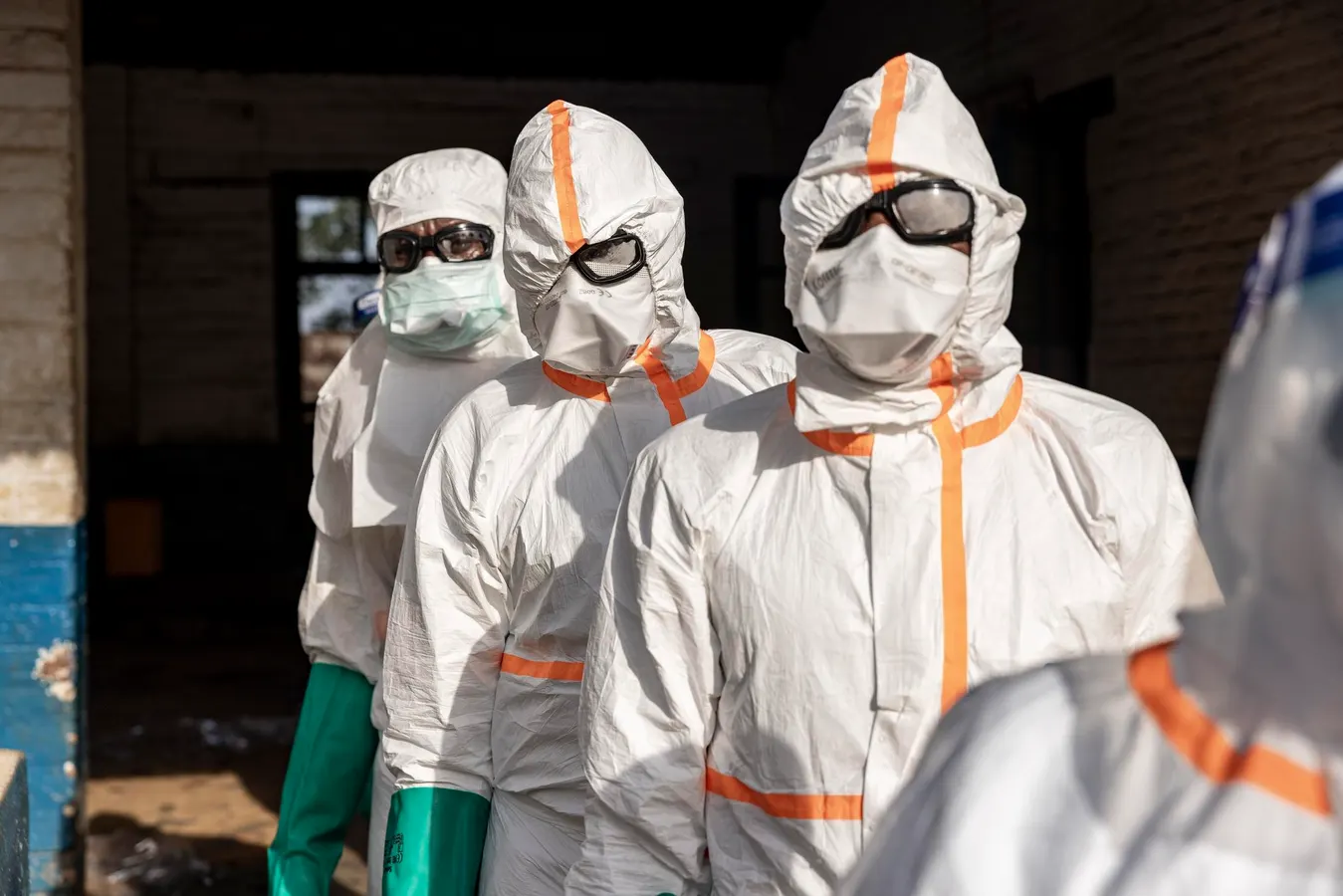
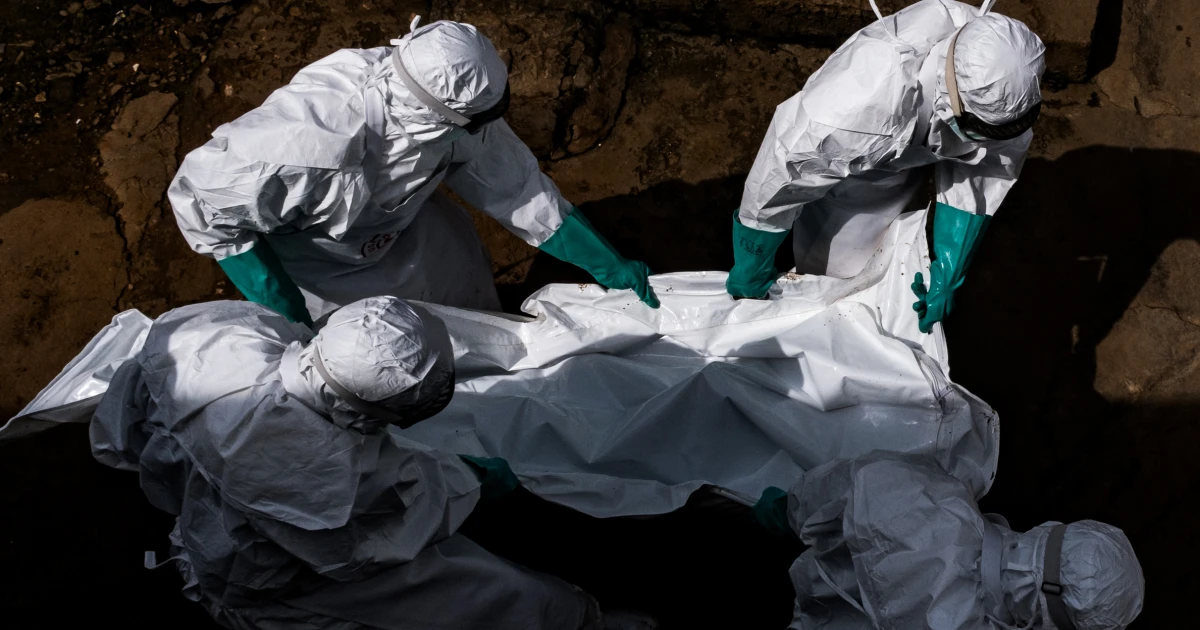
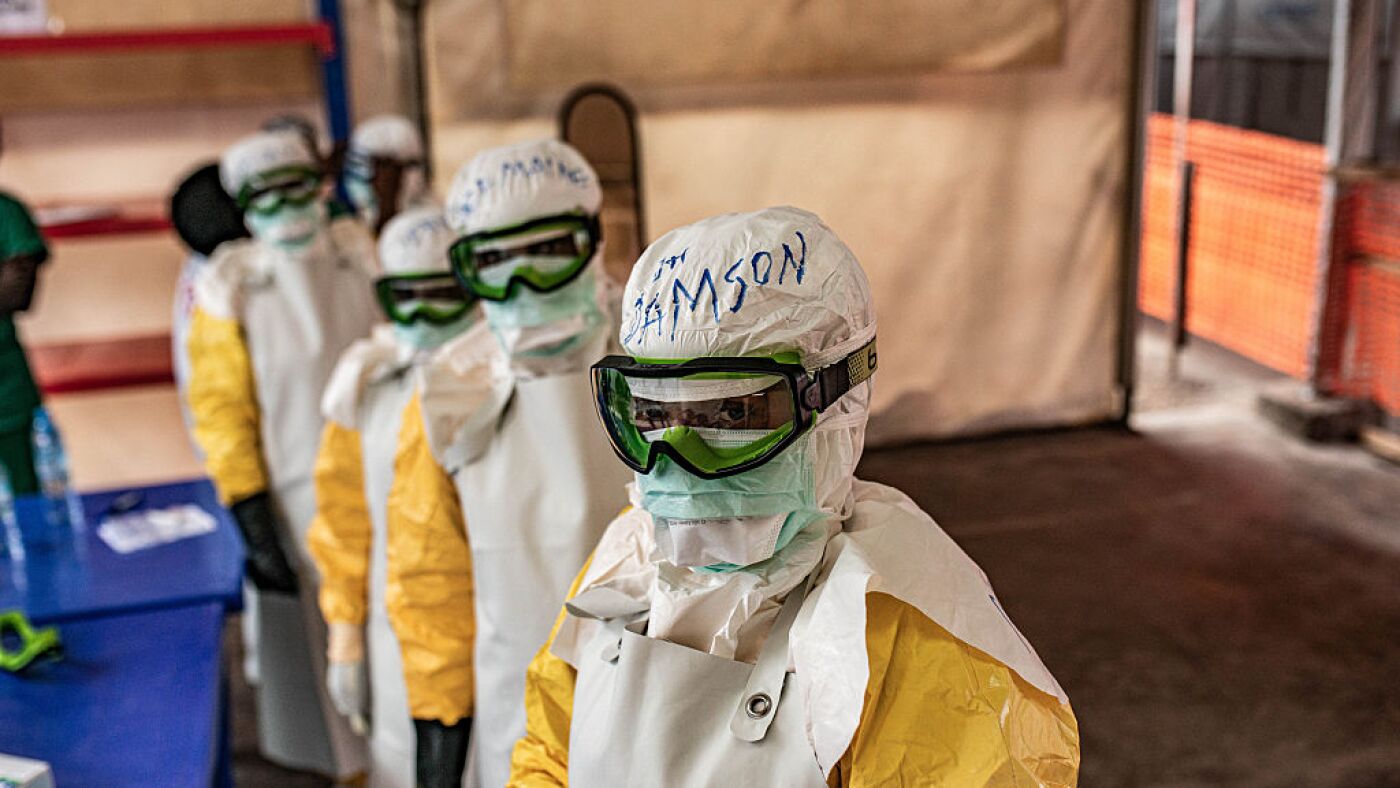
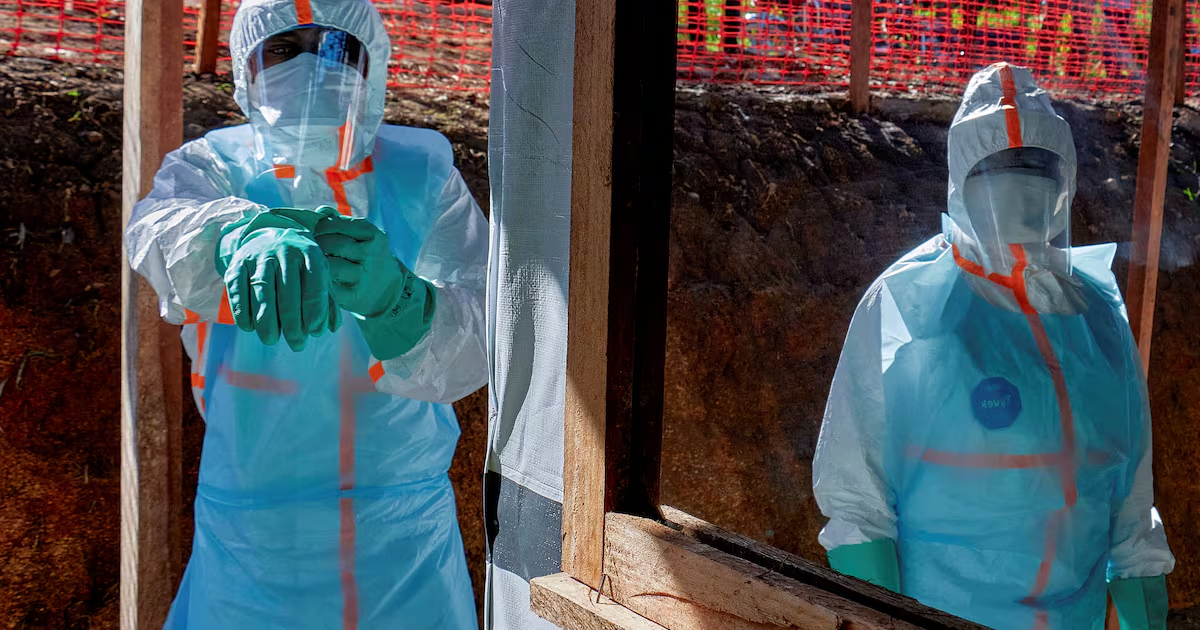
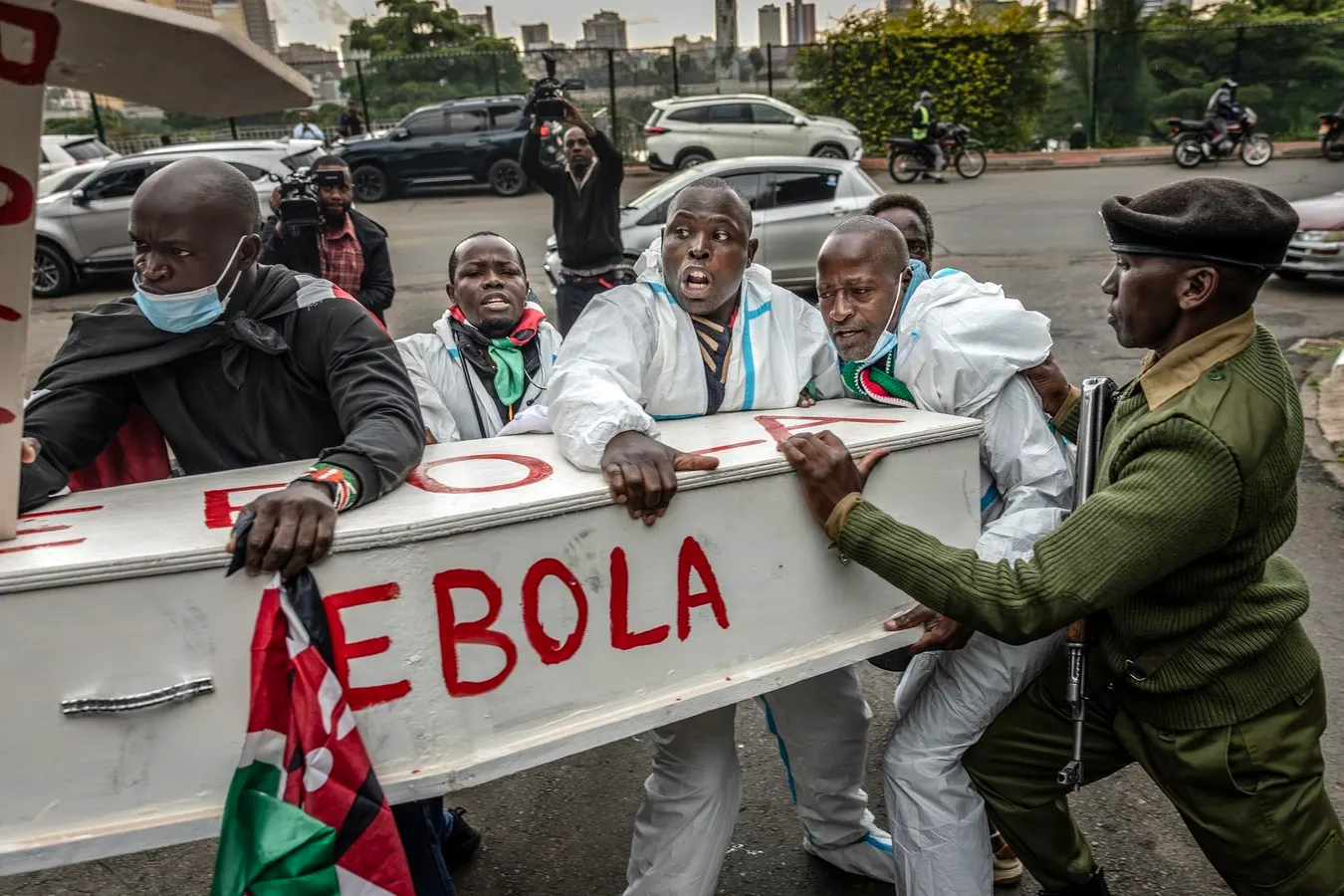
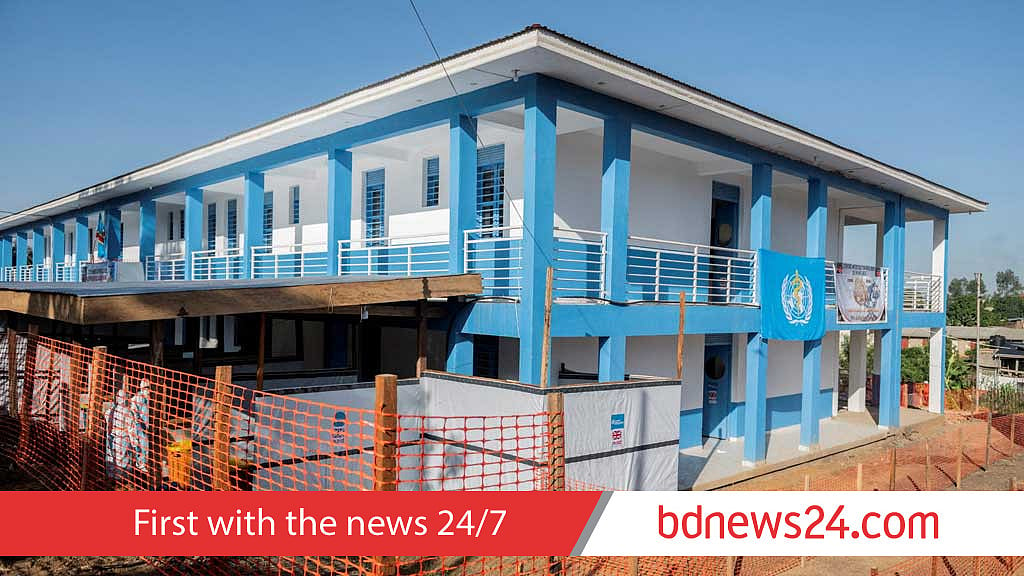
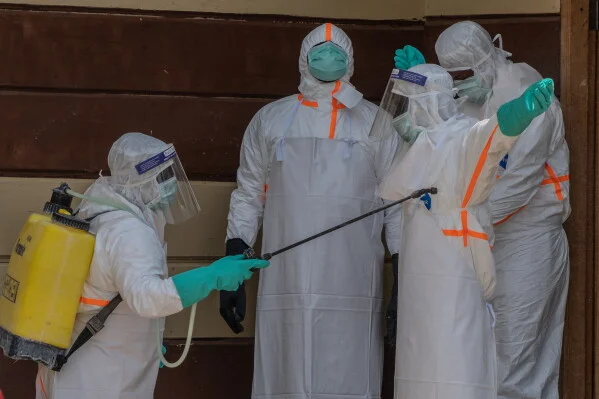
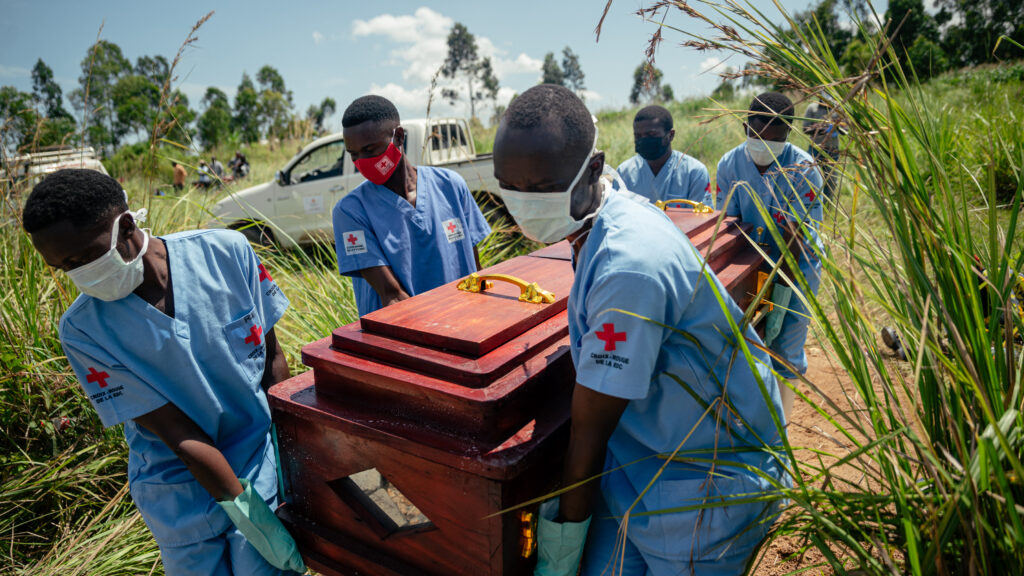
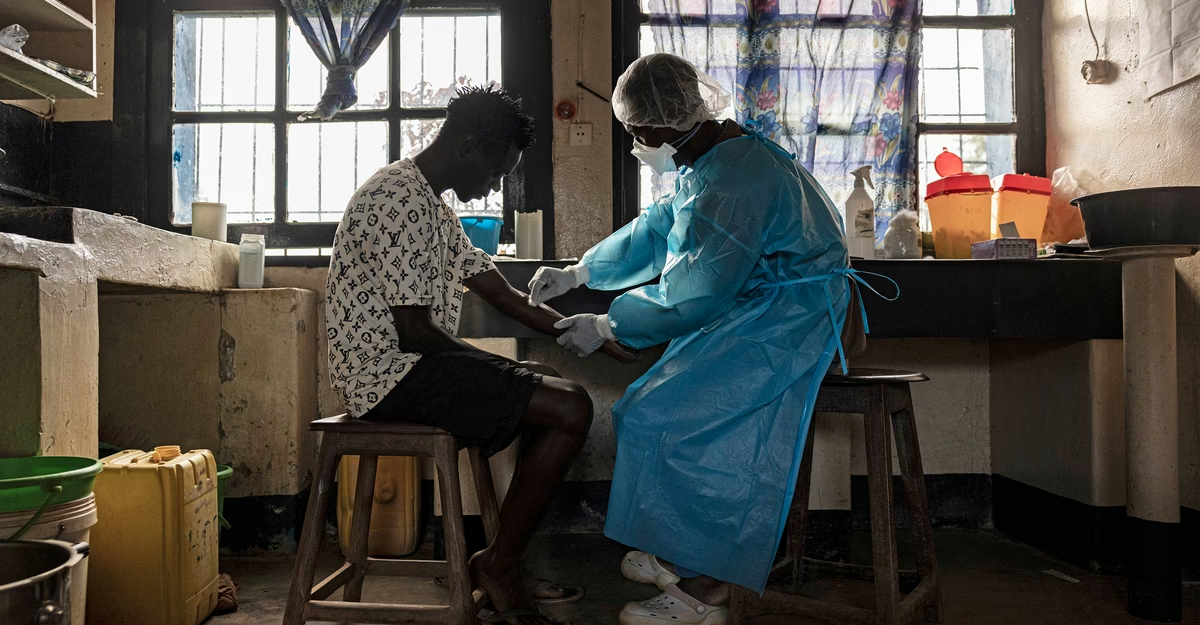
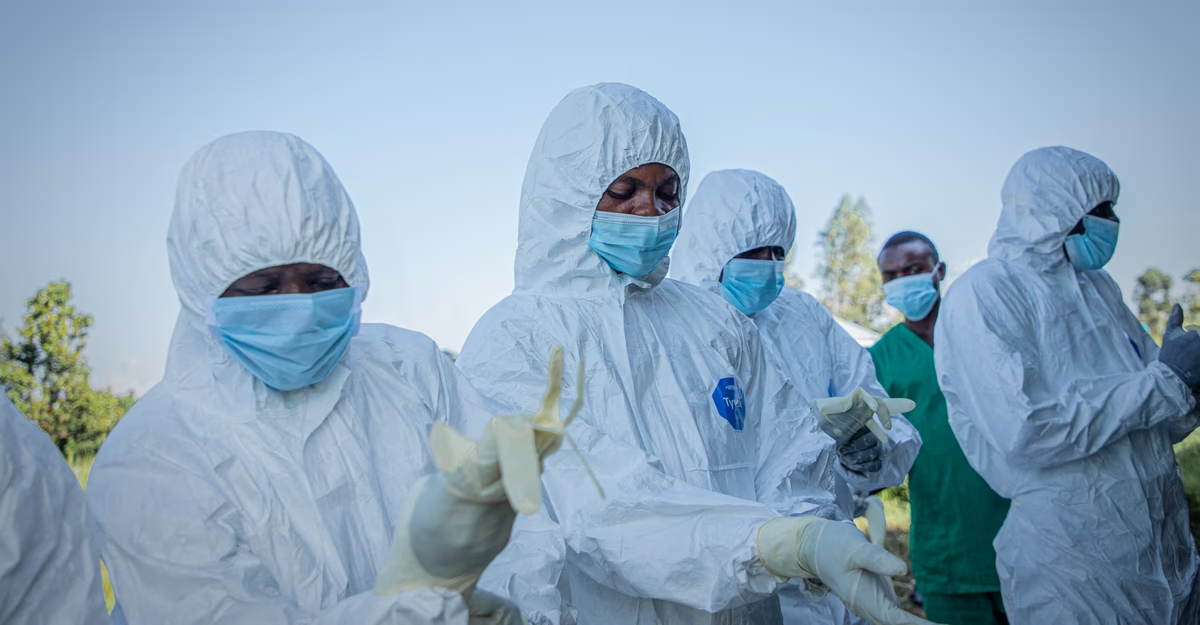
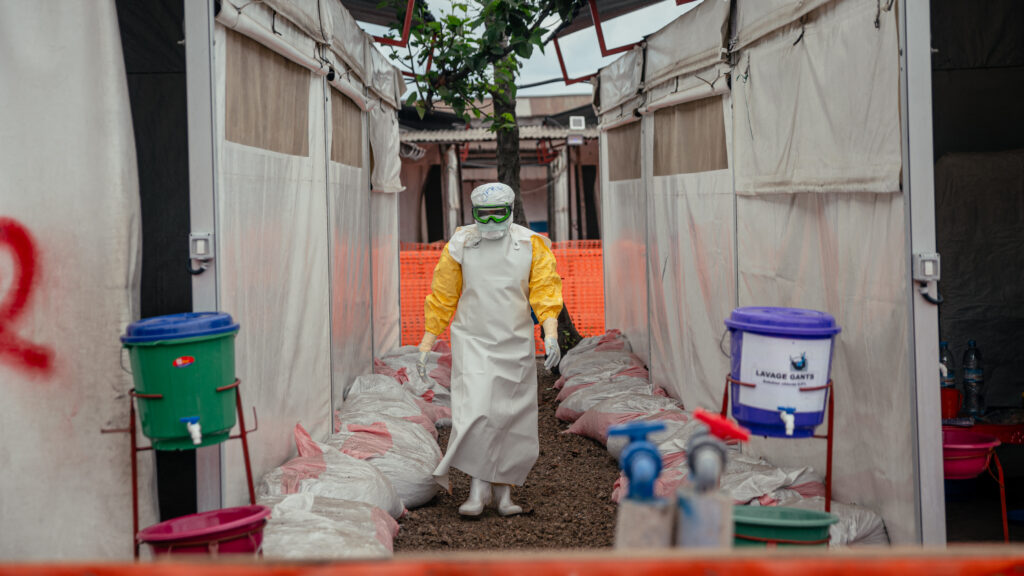
The current outbreak in the Democratic Republic of the Congo had approximately 10 times that number by the time the response started. Three weeks in, it has spread from three health zones to 25, with new areas added almost daily. National, provincial, and local health staff are responding intensively, but fewer than half of known contacts are being traced nationwide, laboratories are backlogged, no Ebola treatment center is ready, few health workers have been trained, there’s insufficient protective equipment for health workers and few medications for patients, and burial teams have come under attack.
The virus has a running head start, and every minute counts. With Ebola, time is lives. Get to an outbreak in days and you can stop it in weeks. Get there in weeks and it goes on for months. Get there in months and it can go on for years.
I led the CDC response to the 2014–2016 West Africa epidemic. I told the U.S., on camera, that any American hospital could safely care for an Ebola patient. Then a Dallas hospital sent a man home who had just arrived from Liberia with a fever. When he returned two days later, gravely ill, two nurses were infected. Three cases nearly overwhelmed us, while 3,000 raged in Liberia. That mistake nearly cost me my job — and, more importantly, could have cost lives.