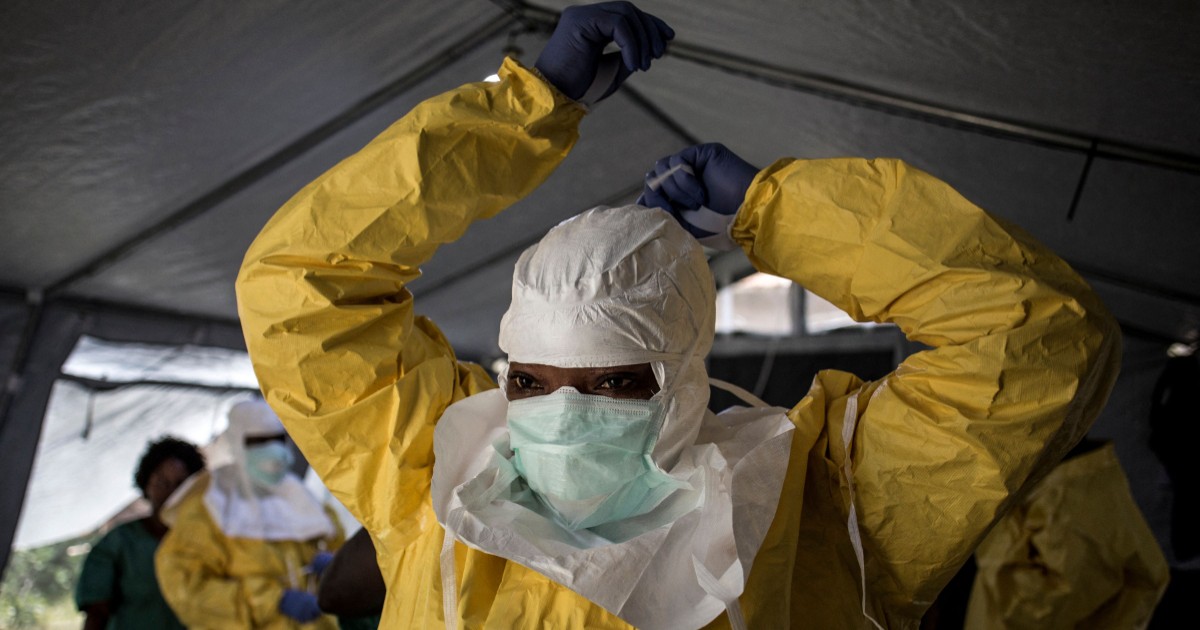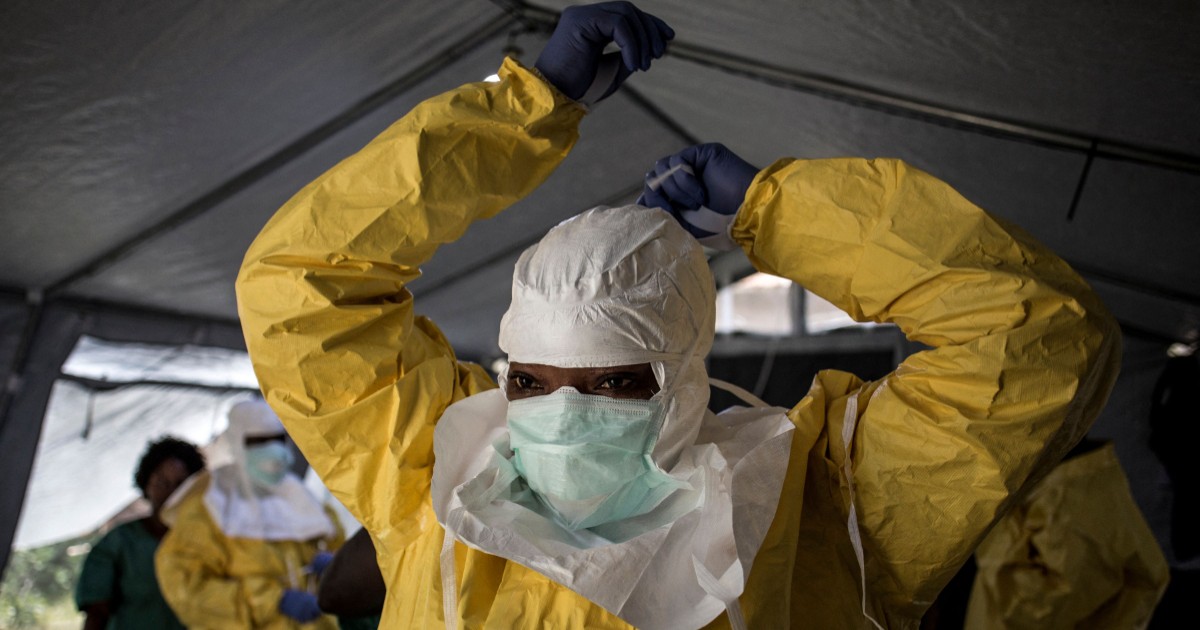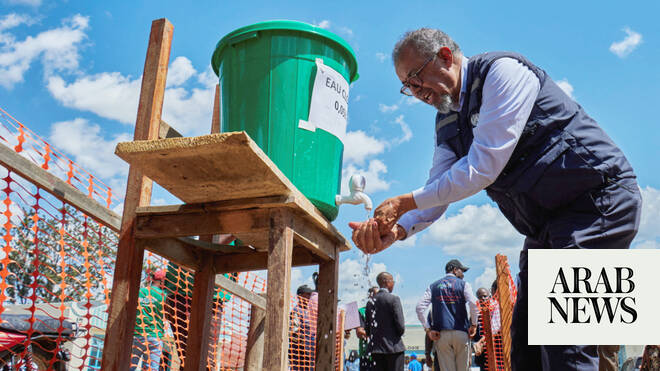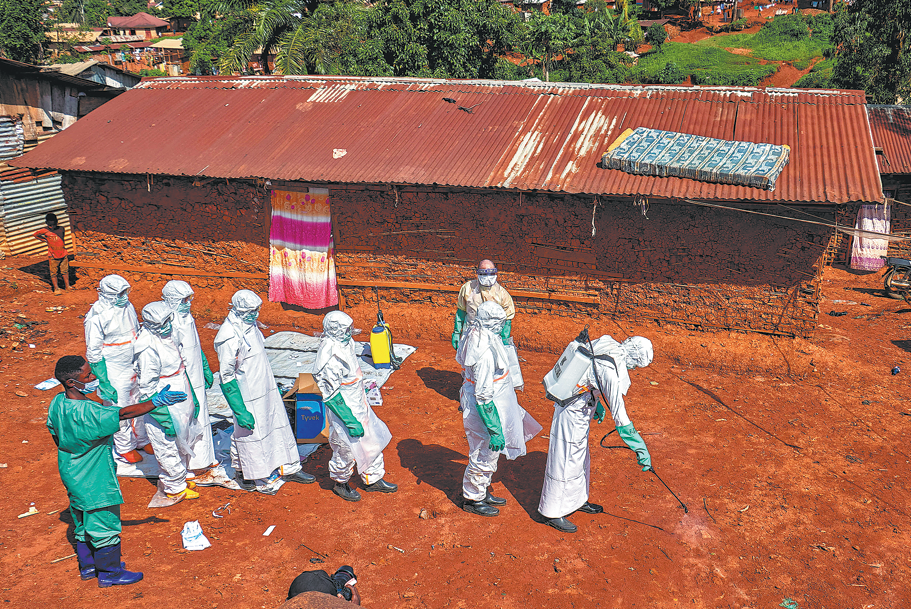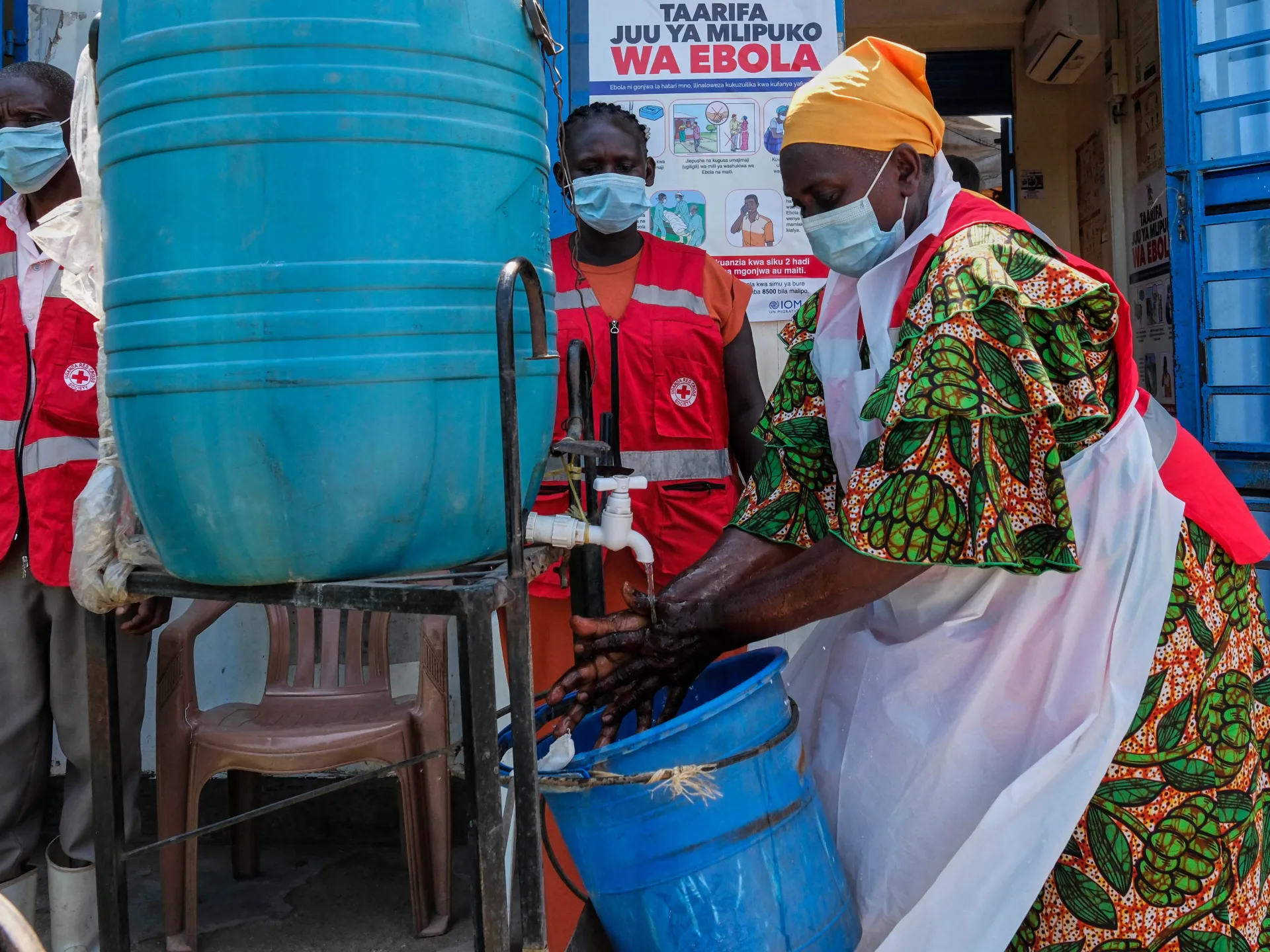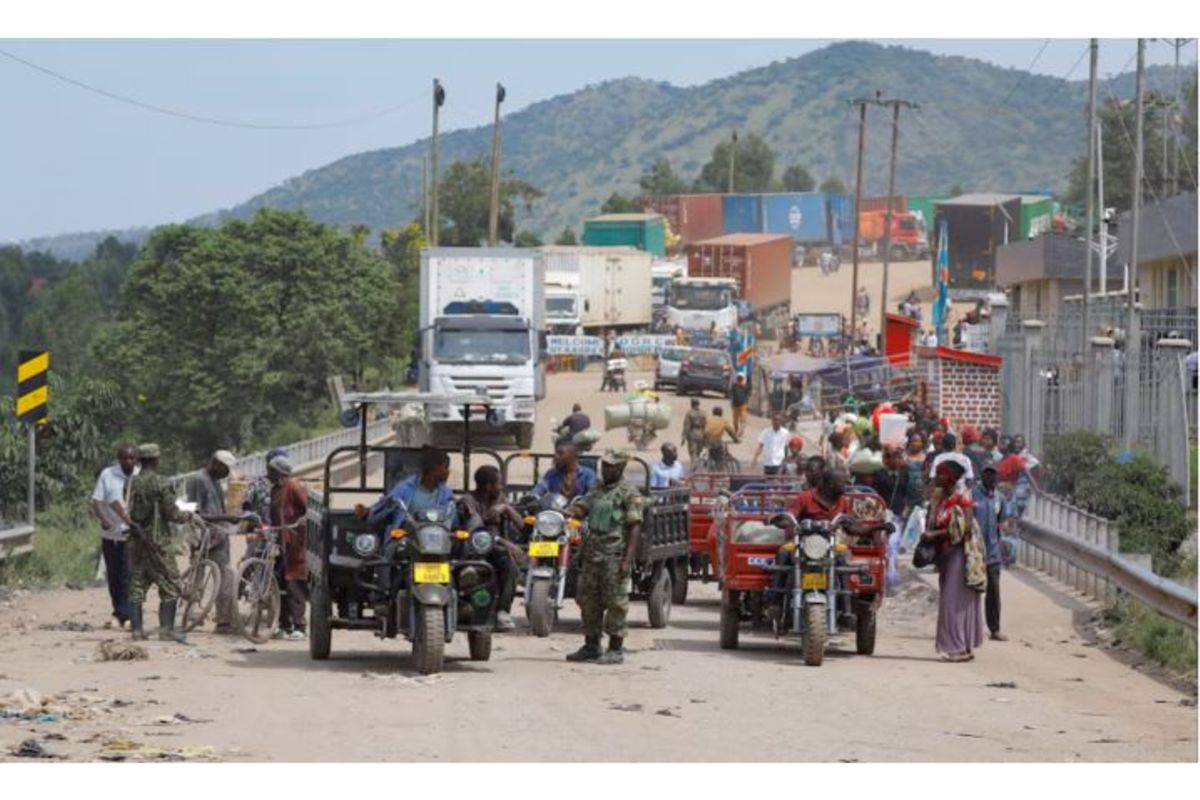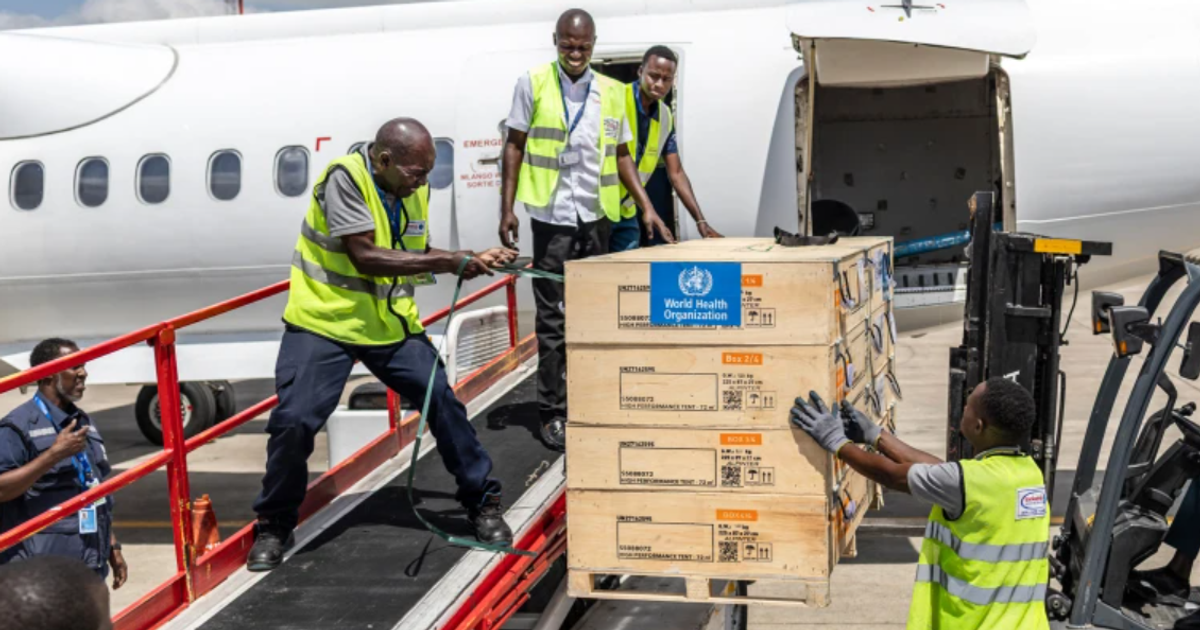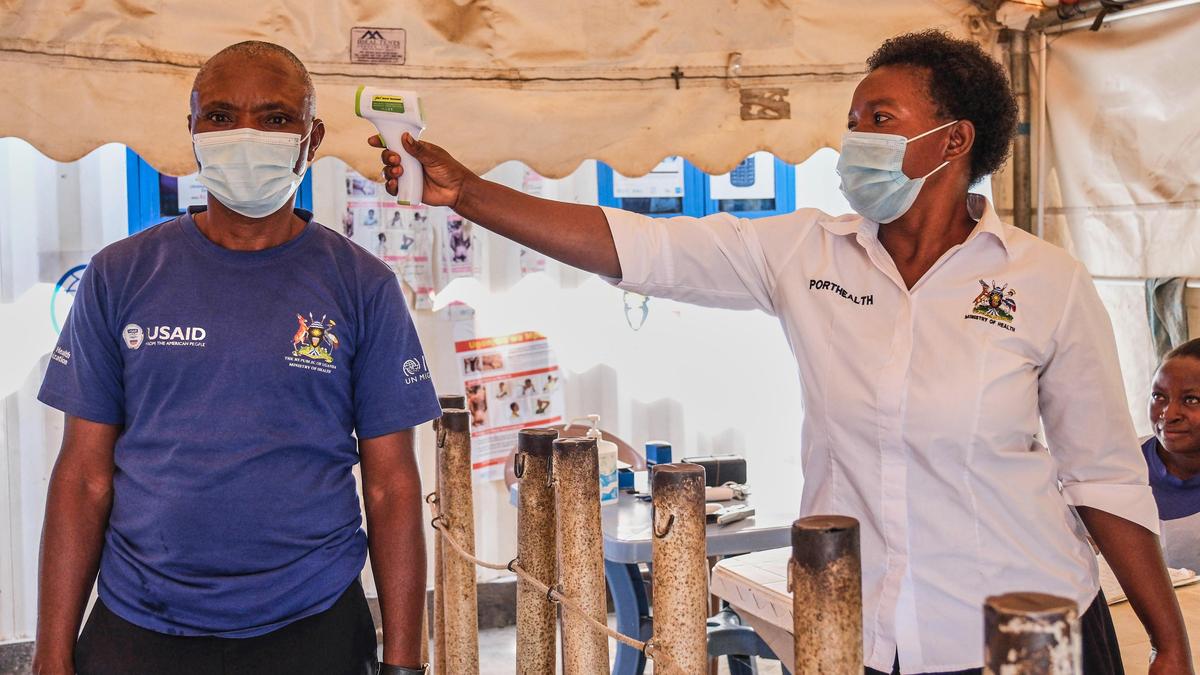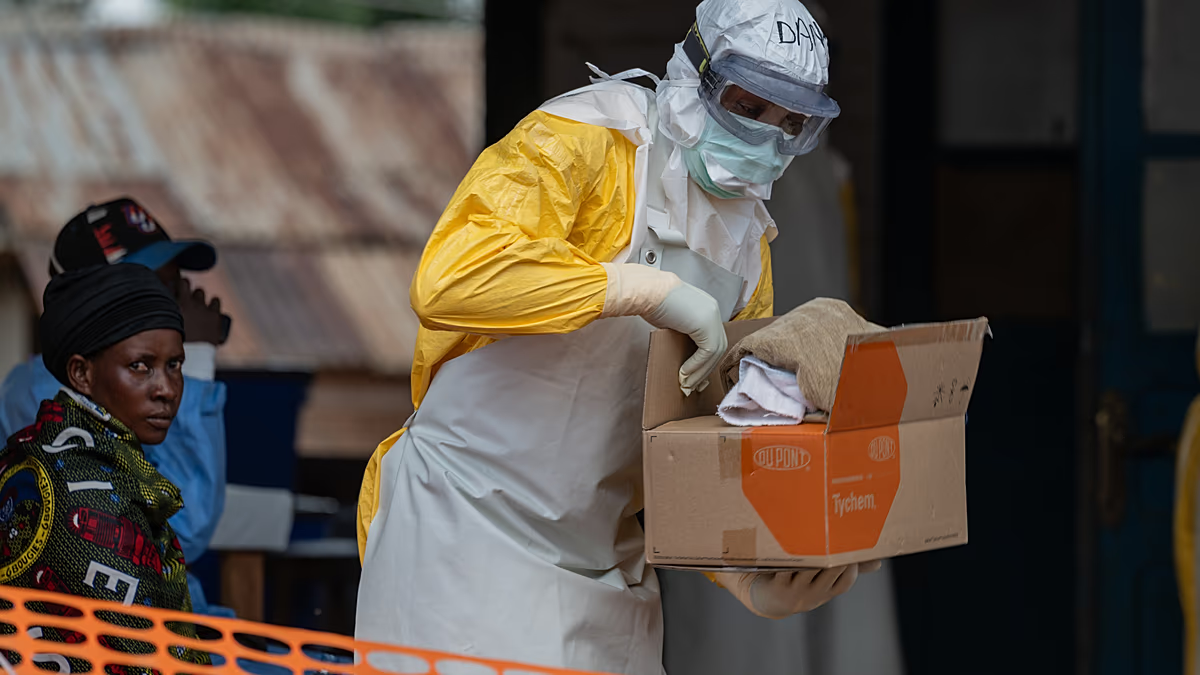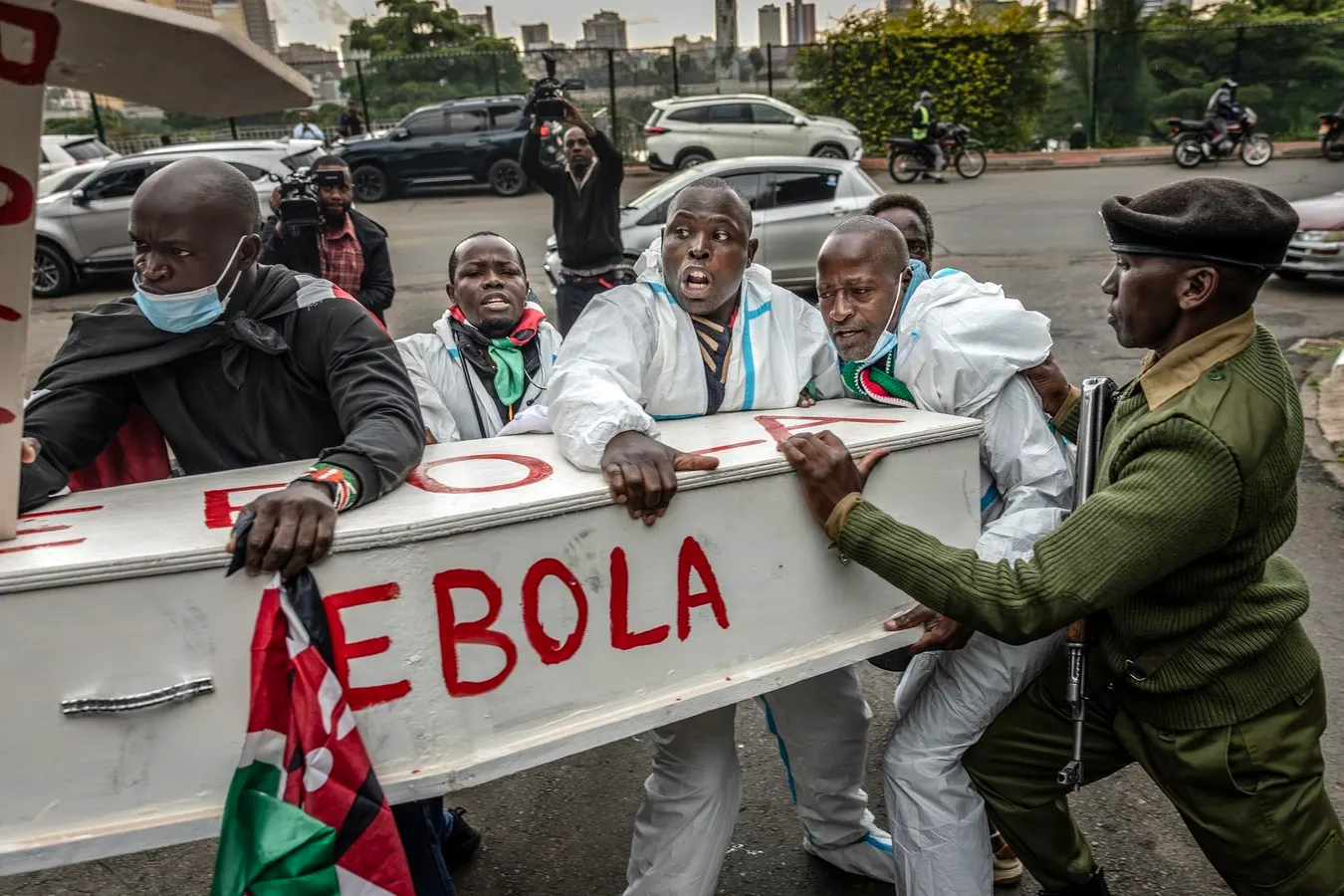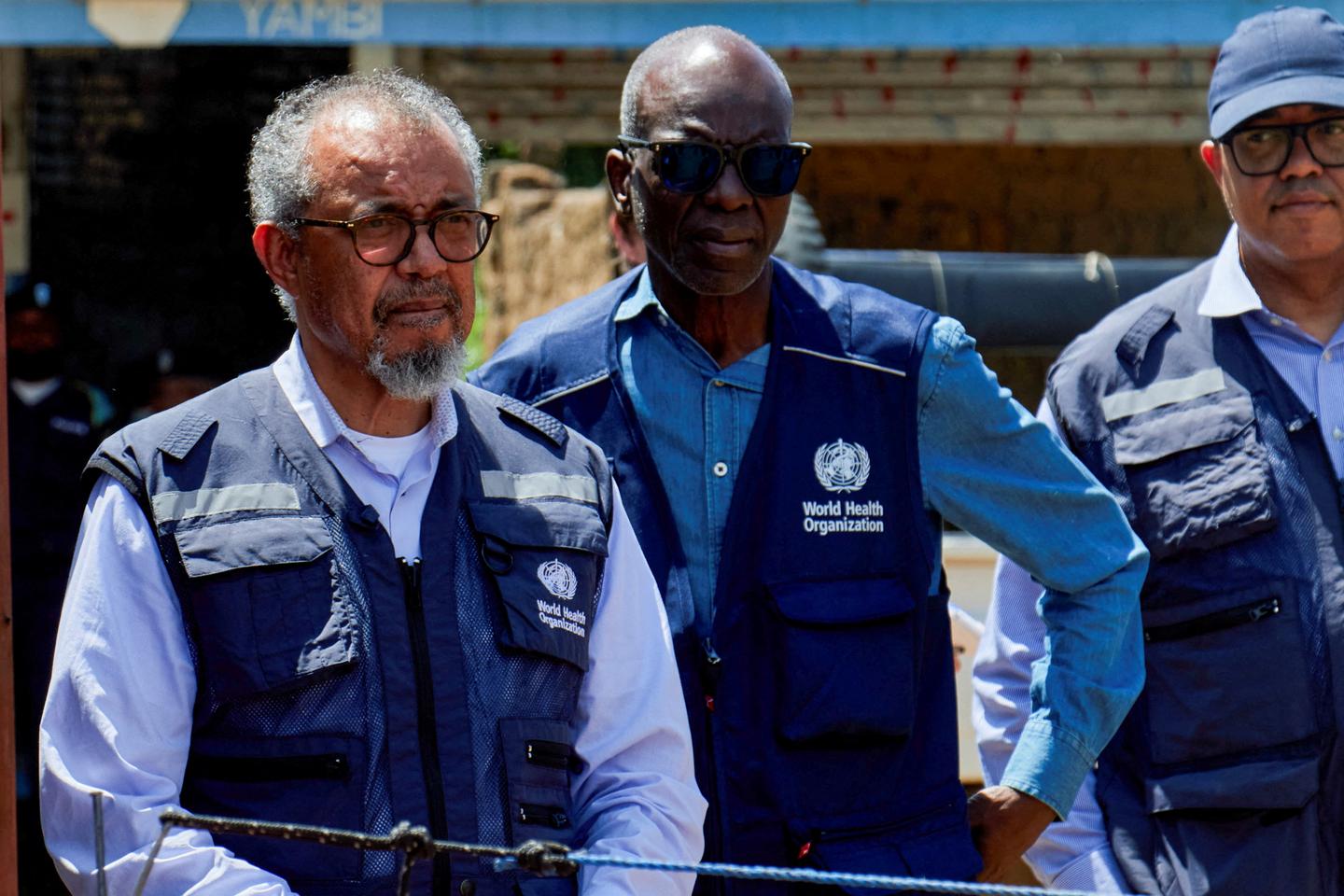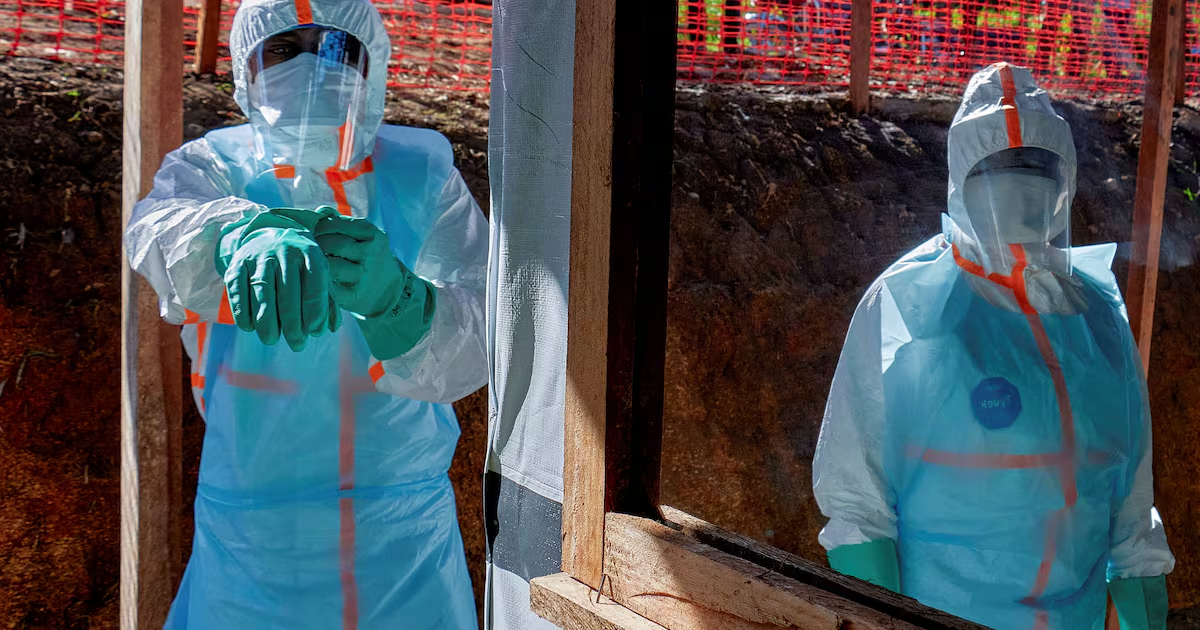
The rapidly spreading Ebola outbreak in West Africa already looks like one of the biggest on record. Bringing it under control looks set to be particularly challenging.Since June 2, a total of 330 confirmed cases and 49 deaths have been recorded by the World Health Organisation (WHO). Most cases are in the Democratic Republic of Congo (DRC), with a handful in Uganda. But another 10 African countries are at risk, according to the Africa Centres for Disease Control and Prevention (Africa CDC).The haemorrhagic fever is likely to have been spreading for weeks, perhaps as early as March, before the outbreak was announced by the Africa CDC on May 15. Two days later it was declared a public health emergency of international concern by the WHO.This is the DRC’s 17th outbreak of Ebola disease. Despite the country’s experience, several problems make containing this outbreak especially difficult. First, it is caused by the Bundibugyo virus, for which there are no approved vaccines or treatments. This week the Coalition for Epidemic Preparedness Innovations announced it would provide $62m to support efforts to develop and manufacture Bundibugyo vaccines, but it will be many months before a candidate shot is ready for testing in humans.Second, the outbreak is taking place in a conflict zone with weak infrastructure, few healthcare resources and a highly mobile population. Most cases are in the DRC’s northeastern province of Ituri, which has no experience of the Ebola disease. Communities there are unfamiliar with the measures required to prevent transmission of the virus, which is spread through direct contact with bodily fluids. Driven by suspicion and misinformation, locals have resisted healthcare workers’ efforts to contain the outbreak. Treatment facilities have been attacked by people seeking to retrieve bodies for traditional burial rites, triggering the flight of panicked patients back into the community.Third, the outbreak comes at a time of unprecedented upheaval in global health. The US, Australia and many European nations have scaled back on international aid. US President Donald Trump’s administration has dismantled the US Agency for International Development (USAID), pulled the US out of the WHO and the vaccine sharing mechanism Gavi and gutted scientific organisations that previously led the way in combating infectious diseases. The destruction of USAID and the sharp drop in financial support for the WHO and Gavi have weakened disease surveillance and outbreak response capability in the DRC and neighbouring states. And while the Trump administration has recently pledged new funding to the DRC and Uganda in the form of five-year bilateral health agreements, it falls far short of historic commitments, according to analysis by the Kaiser Family Foundation. And lastly, despite all the rhetoric, African nations have yet to truly demonstrate their commitment to public health. The Covid-19 pandemic illustrated the risks of overreliance on external financial support and importing medical supplies. African nations paid a terrible price for this vulnerability, as their citizens were forced to wait last in line for life-saving vaccines when global supplies were limited and rich nations hoarded jabs for their own populations.Last week the AU backed a plan that requires upwards of $319m in the next six months to strengthen outbreak control in affected countries and bolster preparedness in high-risk member countries. President Cyril Ramaphosa said African nations had already pledged 10% of what was needed. It’s a good start, but much more is required. Delaying investments will only cost more lives.
EDITORIAL | African nations must lead Ebola response
The AU has backed a plan that needs upwards of $319m to strengthen outbreak control in affected countries
564 words~3 min read