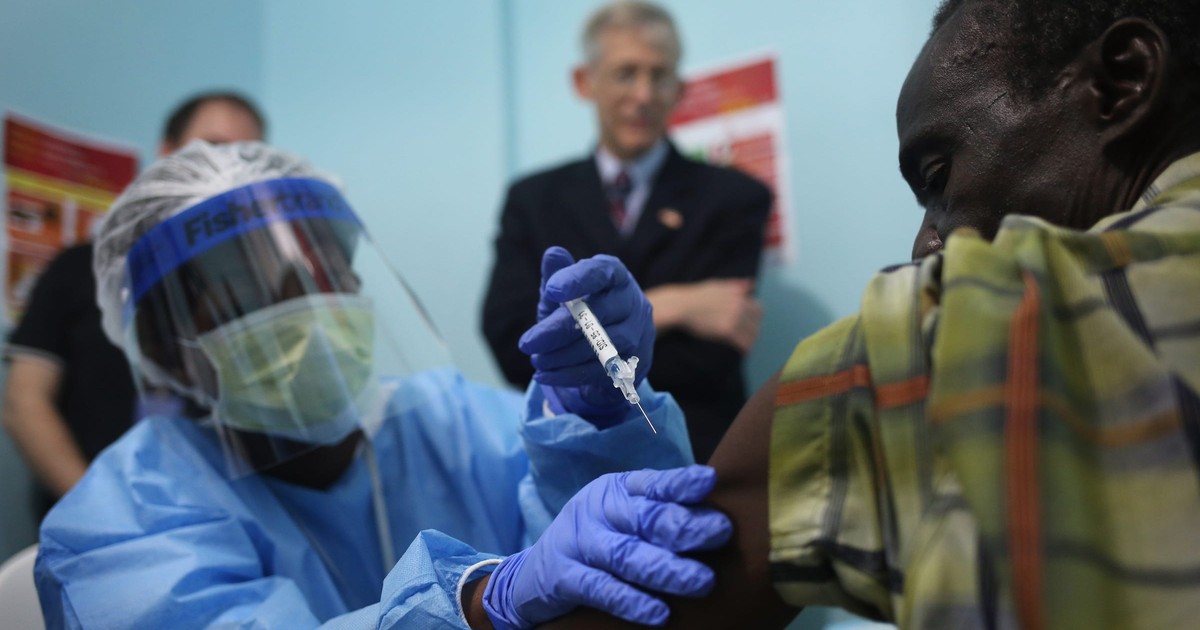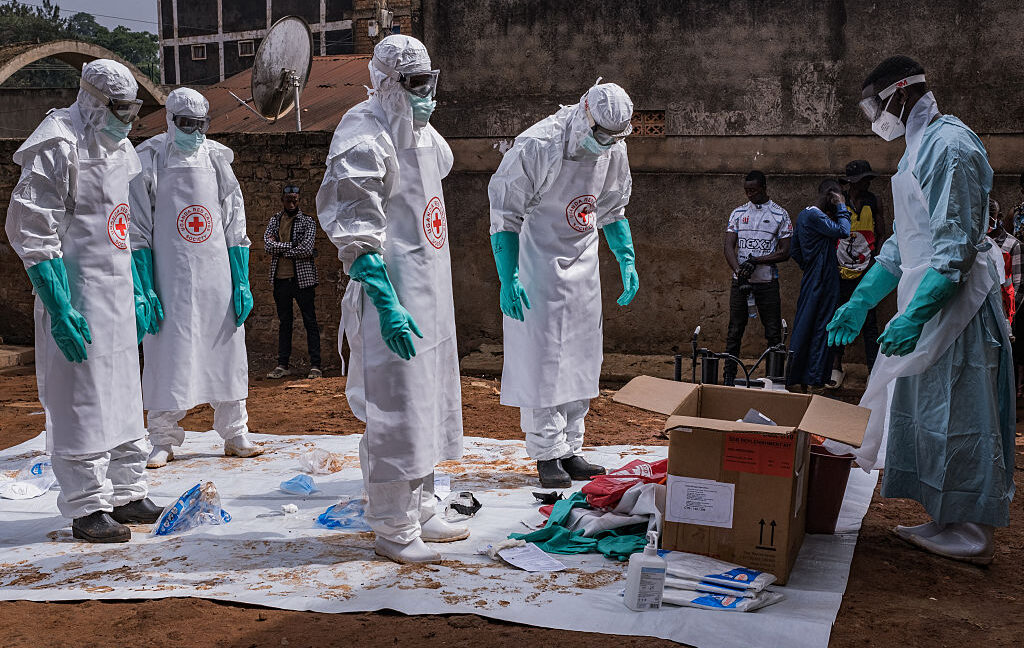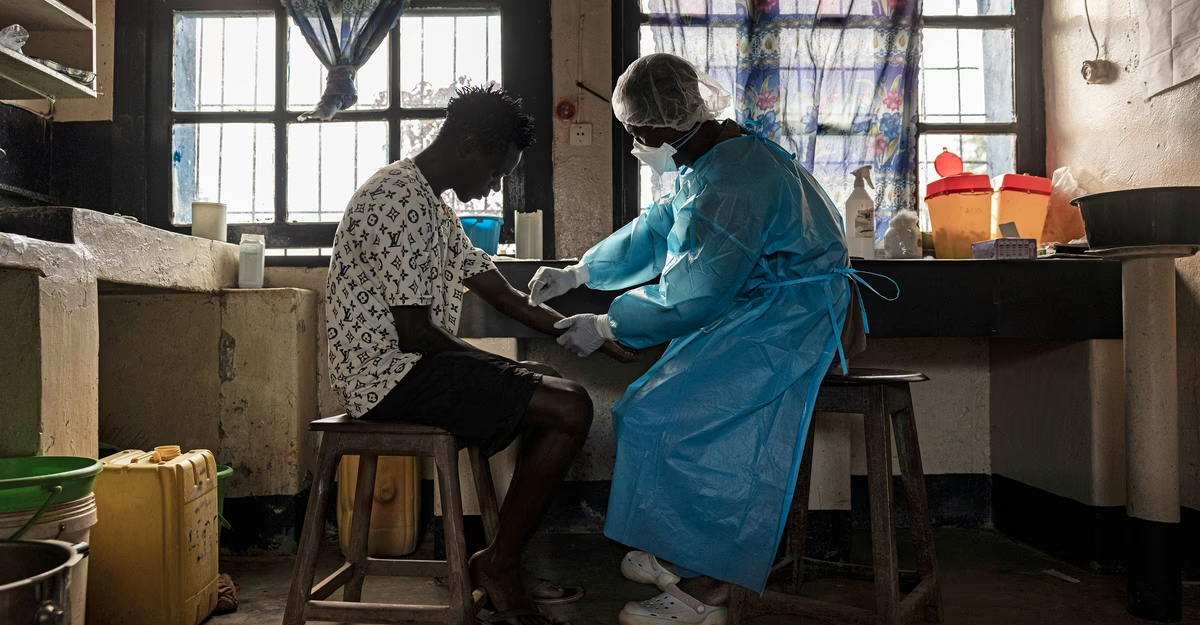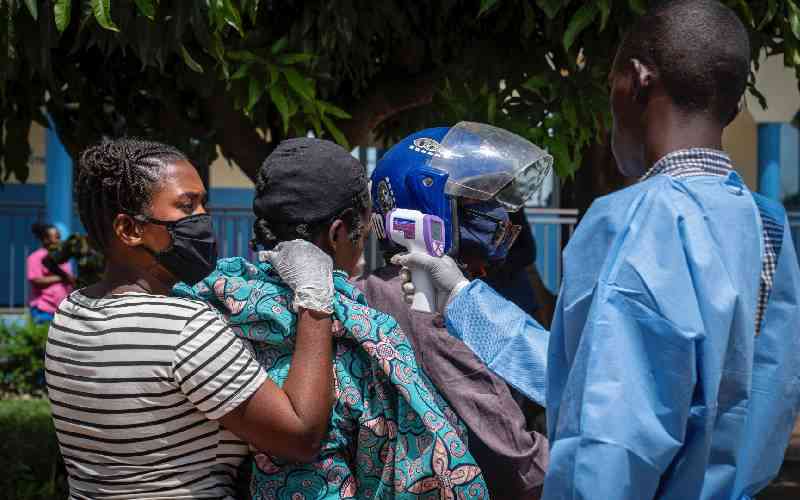
Helen Branswell covers issues broadly related to infectious diseases, including outbreaks, preparedness, research, and vaccine development. Follow her on Mastodon and Bluesky. You can reach Helen on Signal at hbranswell.01.When Craig Spencer contracted Ebola while working in Guinea during the West African outbreak in 2014, he was already back in the United States when he first developed symptoms. He credits the treatment he got at New York’s Bellevue Hospital for his survival.
If Spencer, an emergency medicine physician and an associate professor in Brown University’s School of Public Health, were to contract Ebola in the current outbreak in the Democratic Republic of Congo and Uganda — if he’d even had high-risk exposures to Ebola patients — he wouldn’t be allowed back into the U.S. for care or quarantine.
Administration officials confirmed Thursday that any Americans who contract Ebola will not be brought to the United States for treatment. Instead, they will be evacuated to as-yet-undetermined locations in Europe. An official, speaking on condition of anonymity, told reporters that the Centers for Disease Control and Prevention and the State Department are working to identify tertiary care facilities that could take Americans needing care. One such case has already occurred.