US military strikes against targets in southern Iran have rattled global markets, sending oil prices sharply higher and pushing benchmark Treasury yields up as investors recalibrate their inflation expectations. The result is a familiar chain reaction: expensive oil feeds into inflation fears, inflation fears feed into higher yields, and higher yields make life harder for every risk asset on the board, crypto included.
Brent crude surged more than 3% following the strikes, which targeted missile launch sites and mine-laying vessels in southern Iran between May 26 and 28. Earlier in the conflict, Brent had peaked above $119 per barrel.
What happened and why it matters
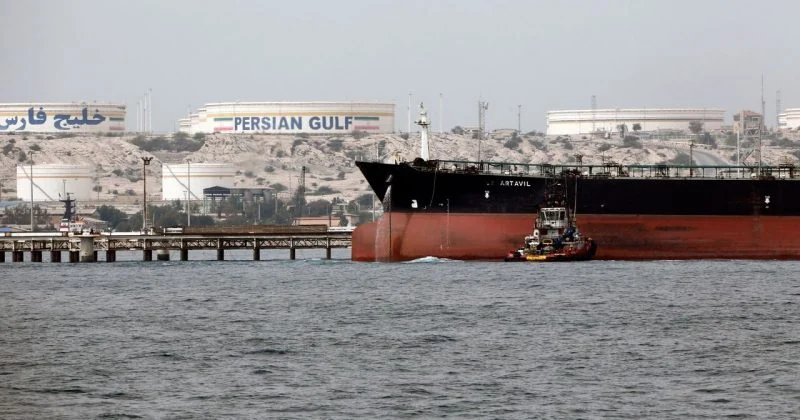
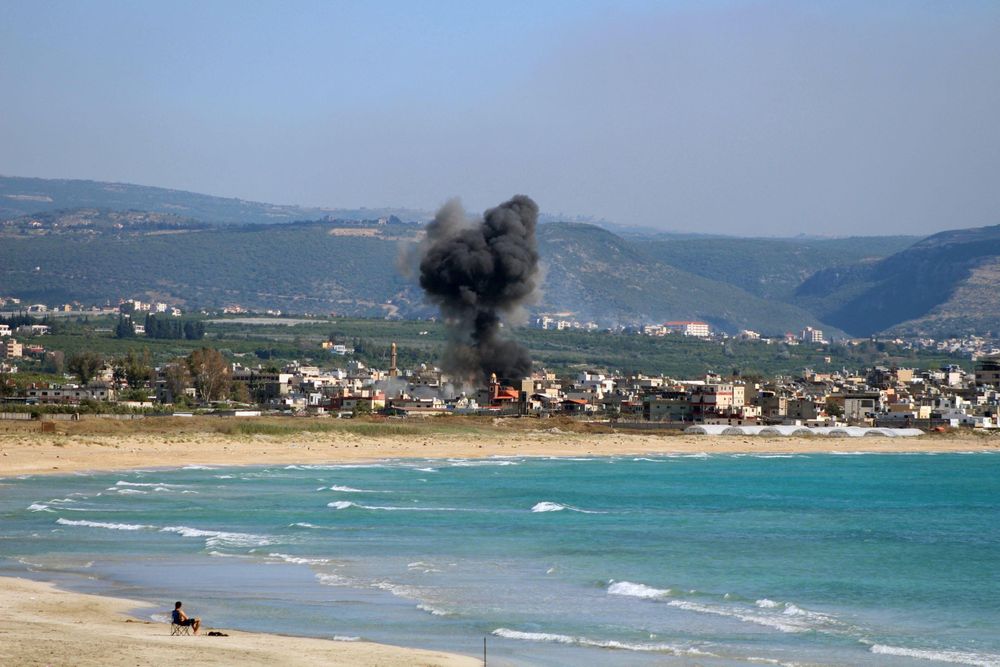
US Central Command conducted the strikes against military infrastructure in southern Iran, hitting both missile launch locations and vessels involved in laying mines. The target area sits uncomfortably close to the Strait of Hormuz, the narrow waterway that functions as the world’s most important oil chokepoint.
At peak blockade levels during the recent conflict, roughly 20% of global oil trade has been affected. The immediate market response was predictable but still painful. Treasury prices fell, which means yields rose, as traders priced in the likelihood that elevated energy costs would keep inflation stickier than previously expected. The 10-year US Treasury yield had already climbed to around 4.7% in mid-May, driven by accumulating inflation concerns. It has since eased to approximately 4.47% to 4.5%, but the strikes threaten to reverse that modest relief.