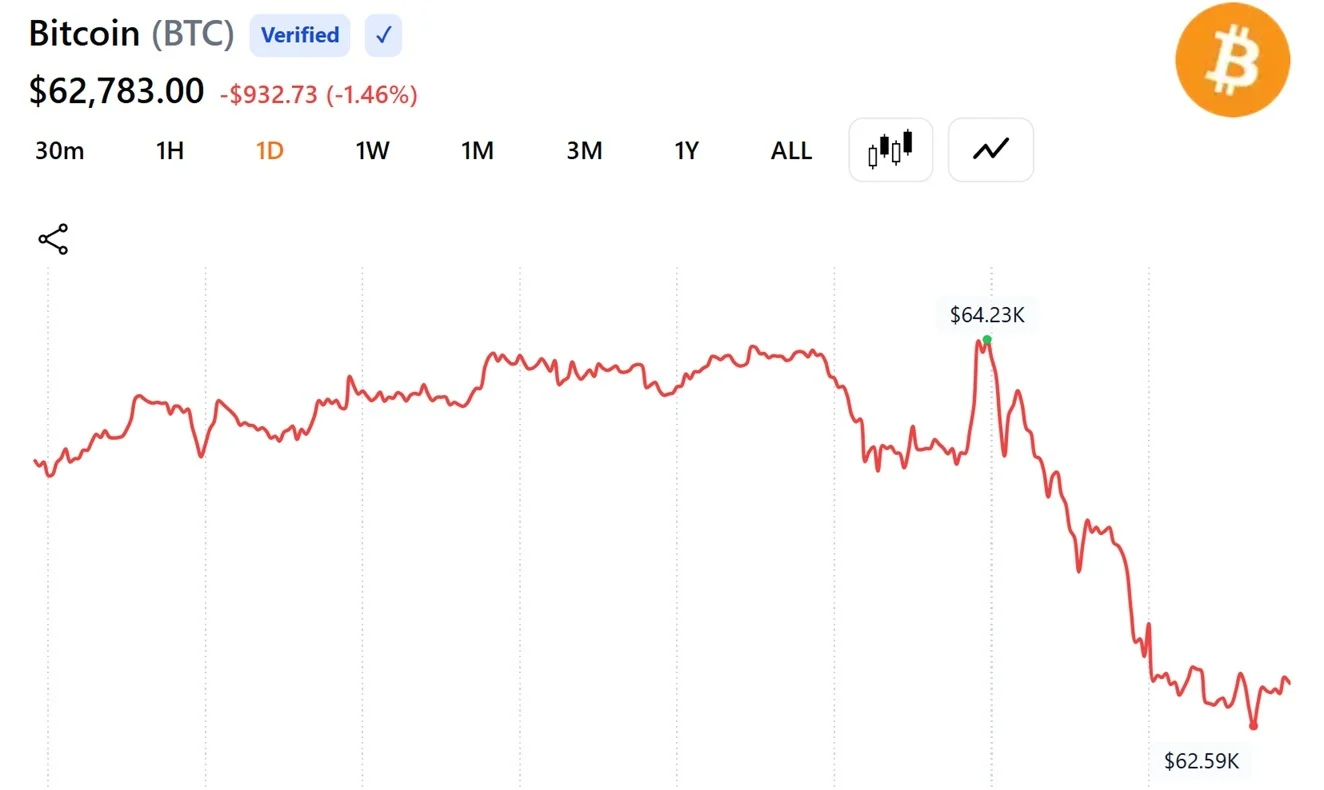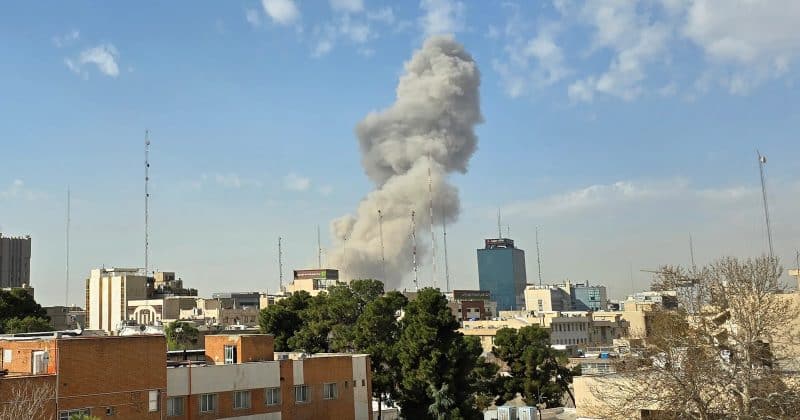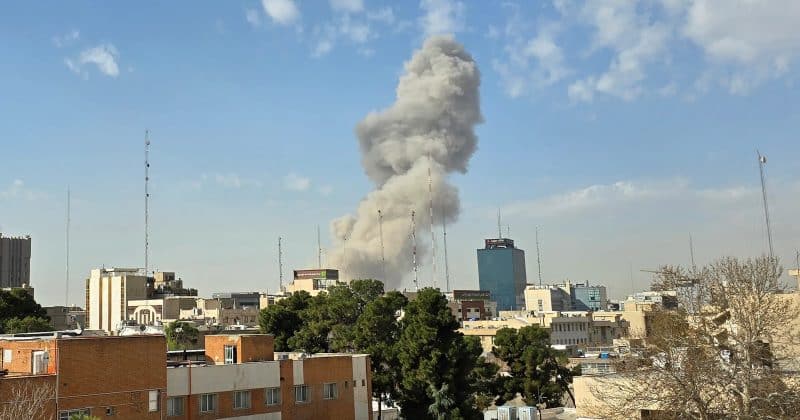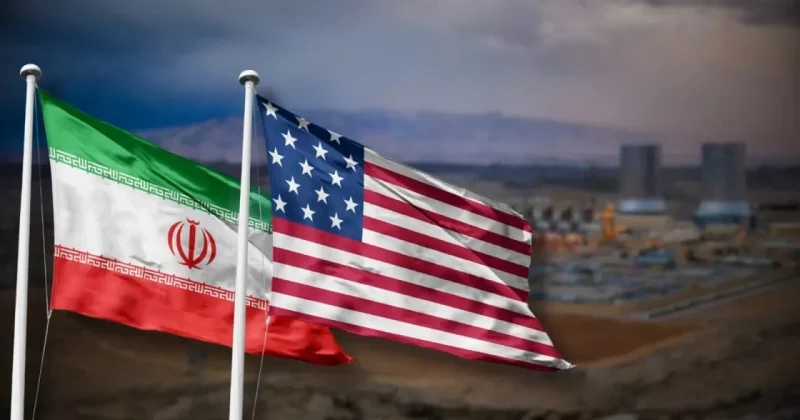
US military strikes against more than 80 Iranian targets sent shockwaves through global markets on July 7, pushing oil prices sharply higher while dragging gold and crypto lower. The operation, carried out by US Central Command in retaliation for Iranian attacks on commercial vessels in the Strait of Hormuz, has investors recalculating their exposure to just about everything.
Gold declined approximately 1-2% as traders priced in the likelihood that surging energy costs would force the Federal Reserve to keep rates elevated, or even hike further. Higher oil means higher inflation, which means tighter money, which makes non-yielding assets like gold less attractive.
Energy markets take center stage
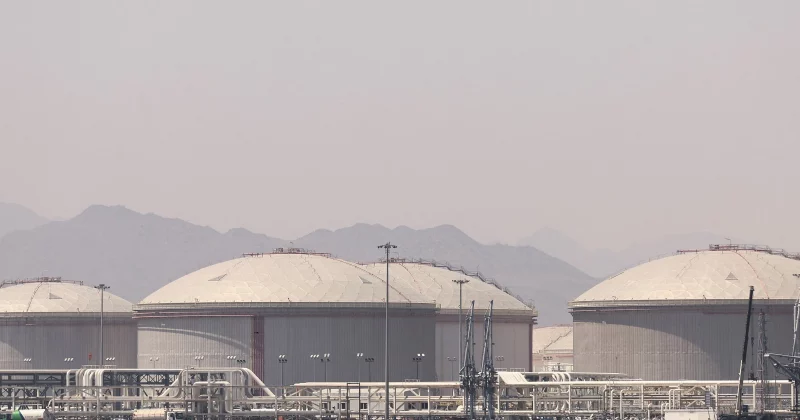
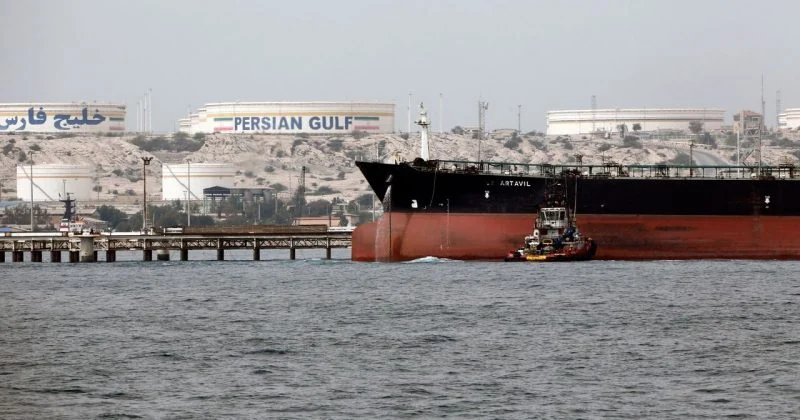
Brent crude climbed more than 2%, approaching $76 per barrel in the aftermath of the strikes. The Strait of Hormuz, where Iran has been targeting commercial shipping, handles roughly 20% of the world’s oil supply. Any disruption there doesn’t just affect oil traders. It touches everything from gas prices to manufacturing costs to grocery bills.
The US also slapped fresh sanctions on Iranian energy exports. The combination of military action and economic pressure creates a feedback loop: sanctions restrict supply, reduced supply pushes prices higher, and higher energy prices feed directly into inflation expectations.