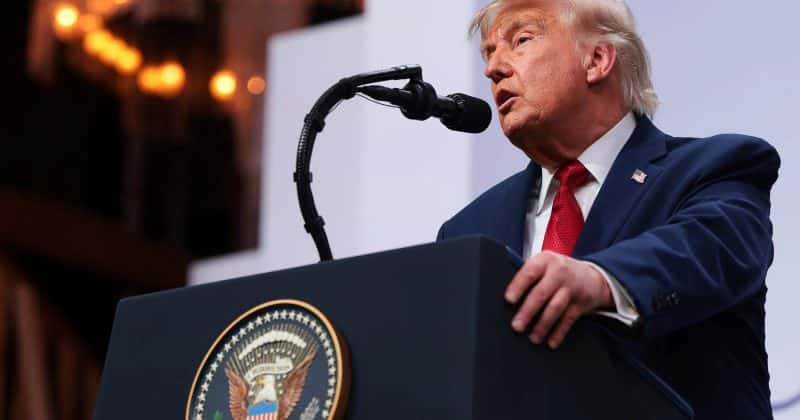
US Treasuries sold off and oil prices jumped after President Trump threatened military action against Iran, reigniting inflation concerns that had just started to fade from investor consciousness.
Trump’s threats have targeted Iranian energy infrastructure specifically, with multiple public statements, including posts on Truth Social, signaling readiness for strikes against oil facilities. The strategic calculus centers on pressuring Iran over the Strait of Hormuz, through which roughly a fifth of the world’s oil supply passes on any given day.
During the April to June 2026 period, Treasury yields fell as oil prices spiked in response to the ongoing threats. The volatility has not been one-directional, though. Oil prices eased and Treasuries found some footing whenever ceasefire signals emerged, illustrating how tightly these markets are now tethered to diplomatic developments rather than purely economic fundamentals.
Active US-Iran hostilities began on February 28, 2026, under what the administration dubbed Operation Epic Fury. A temporary memorandum of understanding was signed around June 15-18 to halt hostilities and reopen the Strait of Hormuz, providing fleeting relief for risk assets. But the underlying tensions haven’t dissipated, and Trump has indicated willingness to renew aggression if negotiations stall.