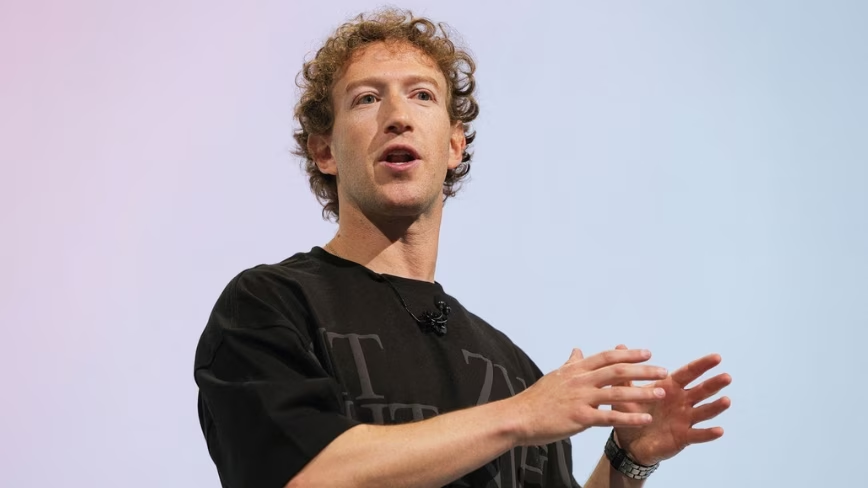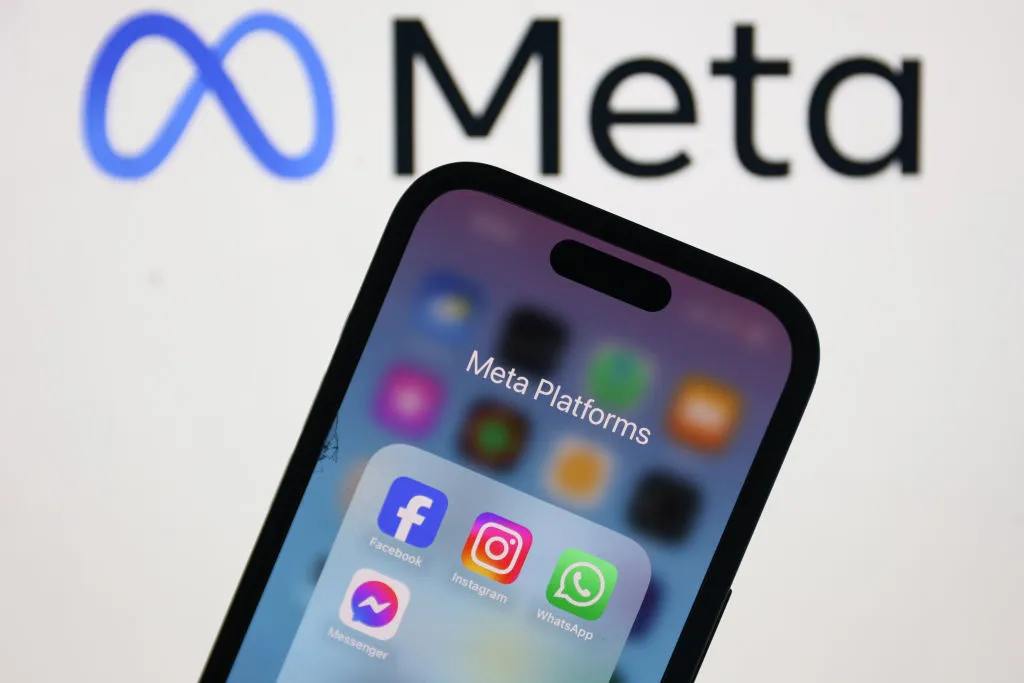
San Francisco – Meta Platforms is introducing subscription plans for its AI chatbot and its social media apps, a move that would help offset hundreds of billions of dollars in artificial intelligence investments.On May 27, the tech giant announced it would begin testing a paid Meta AI subscription service in June. This will roll out in Singapore, Guatemala and Bolivia to start, with plans for more countries later. The new Meta AI subscriptions come in two tiers. A basic tier, priced at US$7.99 per month (S$10.21) and called Meta One Plus, is for people who frequently use Meta AI to generate images and videos or rely on it for extended reasoning, according to a company spokesperson.A more advanced tier, called Meta One Premium, will cost US$19.99 per month and include the same set of features as Meta One Plus but in greater quantities, the spokesperson added.Meta will also introduce a US$3-US$4 monthly subscription across its three flagship social media platforms, providing select personalised features.According to reports, Instagram Plus and Facebook Plus will be priced at US$3.99 per month, while WhatsApp Plus will cost US$2.99 per month.Instagram Plus and Facebook Plus will unlock extra features including better analytics, story rewatch statistics, wider audience reach and profile customization options.WhatsApp Plus focuses on personalisation, including premium stickers, custom ringtones and app themes.Meta head of product Naomi Gleit announced the move in a video posted to Instagram, saying she was rolling out Facebook Plus, Instagram Plus and WhatsApp Plus globally.Meta in 2023 launched ad-free, paid versions of Facebook and Instagram in Europe to comply with European Union data privacy legislation, giving users a choice between a free, ad-supported experience and a paid, ad-free one.As for the Meta AI chatbot, people can continue to use it for free for image and video generation, but will eventually run into a limit with repeated use. Meta declined to share usage limits for each level, but said the Premium plan provides meaningfully more usage than the lower tier.Meta chief executive officer Mark Zuckerberg has been under pressure from investors to demonstrate that his expensive bet on AI will ultimately deliver meaningful revenue. Mr Zuckerberg has pledged to spend at least US$600 billion on AI infrastructure over the next few years, and the company is currently building a data centre in Louisiana that will cost at least US$200 billion. During Meta’s earnings call in April, investors balked at the company’s announcement that its capital expenditures this year would be more than initially estimated. Meta has long argued that its AI investments are already paying off in the form of highly targeted and efficient advertising, which is improved thanks to AI models. But the company is also looking for other ways to recoup its AI spending, and consumer chatbot subscriptions have become popular with several other AI competitors, including Alphabet’s Google and OpenAI. Both rivals offer similarly priced subscription tiers.Subscriptions for Meta’s products, which have been collectively rebranded under a programme known as Meta One, are a growing focus at the social media giant as the company looks to diversify its business, which is almost exclusively driven by advertising.Meta is also rolling out updated subscription products for businesses and creators. Those include two new tiers: Meta One Essential at US$14.99 per month, and Meta One Advanced at US$49.99 per month. The more expensive tier includes access to human support for a user’s Instagram and Facebook pages, which has historically been a pain point for small businesses using Meta’s products. Meta hopes to sell access to AI agents alongside these offerings in the future, said Helen Ma, Meta’s head of subscriptions. Subscriptions are currently a very small portion of Meta’s total business. The company reported US$1.29 billion in “non-advertising revenue” in the first quarter, a bucket that includes subscription fees but also hardware sales like Meta AI glasses and virtual reality headsets. Its advertising business, by contrast, reported over US$55 billion in sales for the same period. BLOOMBERG, AFP
Meta to sell subscriptions to its AI chatbot and social media apps Instagram, Facebook
Meta AI subscription will roll out in Singapore, Guatemala and Bolivia to start. Read more at straitstimes.com. Read more at straitstimes.com.
658 words~3 min read