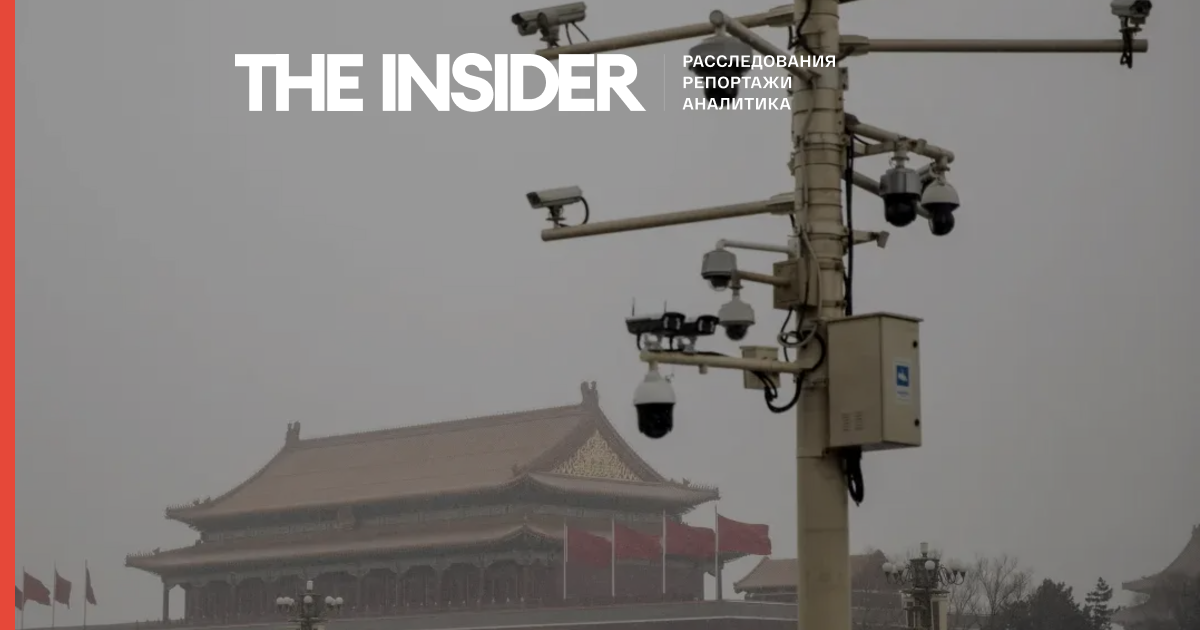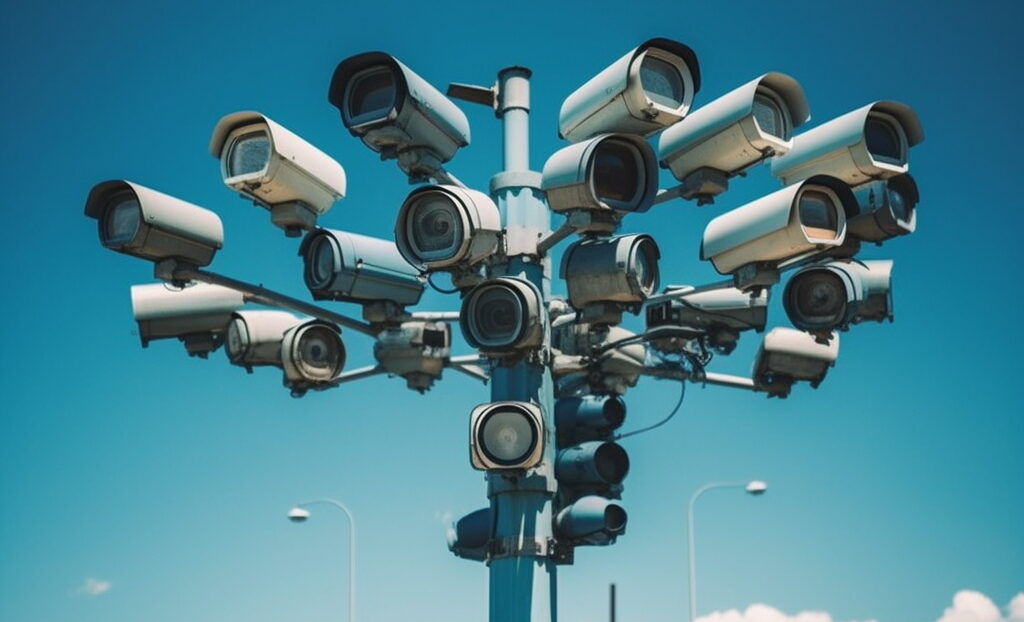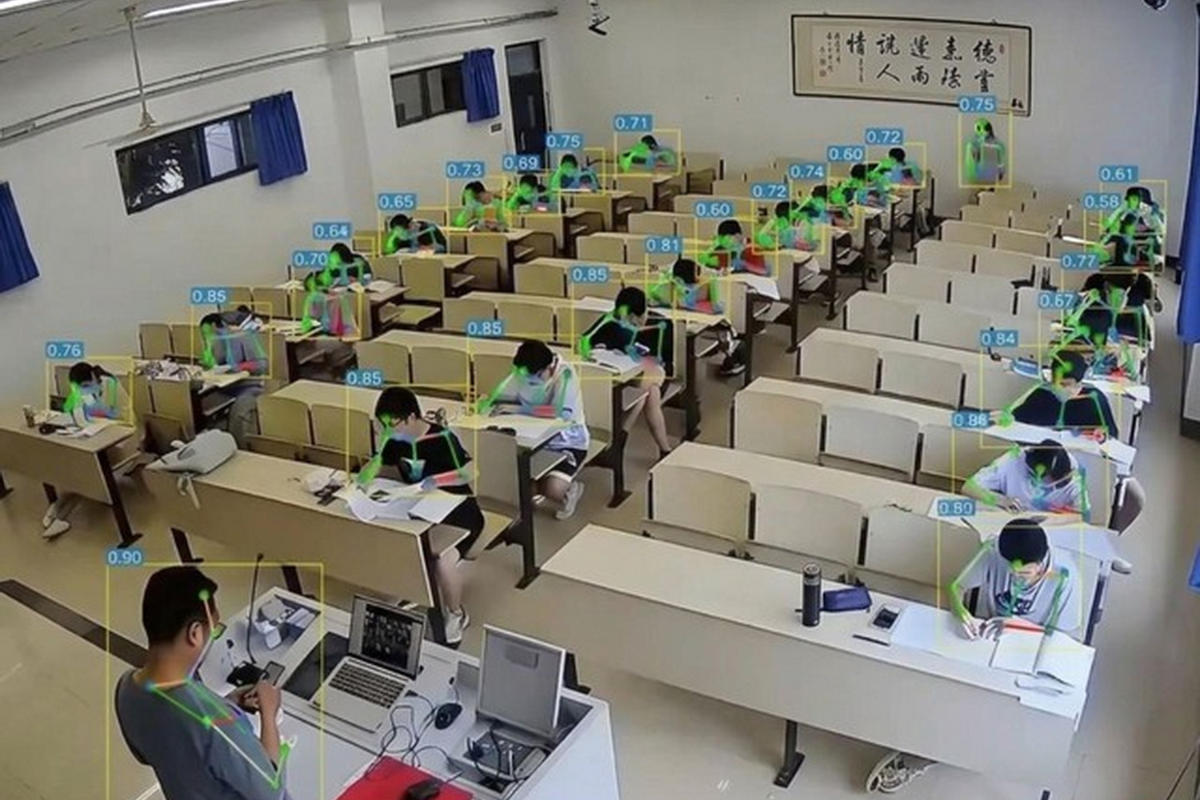
Local authorities in China are equipping millions of old cameras with computer vision and language models.
China is modernizing its nationwide surveillance system with AI, giving police far greater powers for automated behavior analysis and predicting potential unrest. That's according to the Financial Times, which reviewed more than a dozen procurement documents and spoke with industry insiders.
Facial recognition, license plate scanning, and standard computer vision have been deployed across China since the mid-2010s. But the old network was built to identify specific individuals, ran on outdated hardware, and sent footage to central data centers for processing. Minxin Pei of Claremont McKenna College told the FT that China's legacy surveillance system is reactive and not good at guessing the intentions of people who aren't already on a watch list.
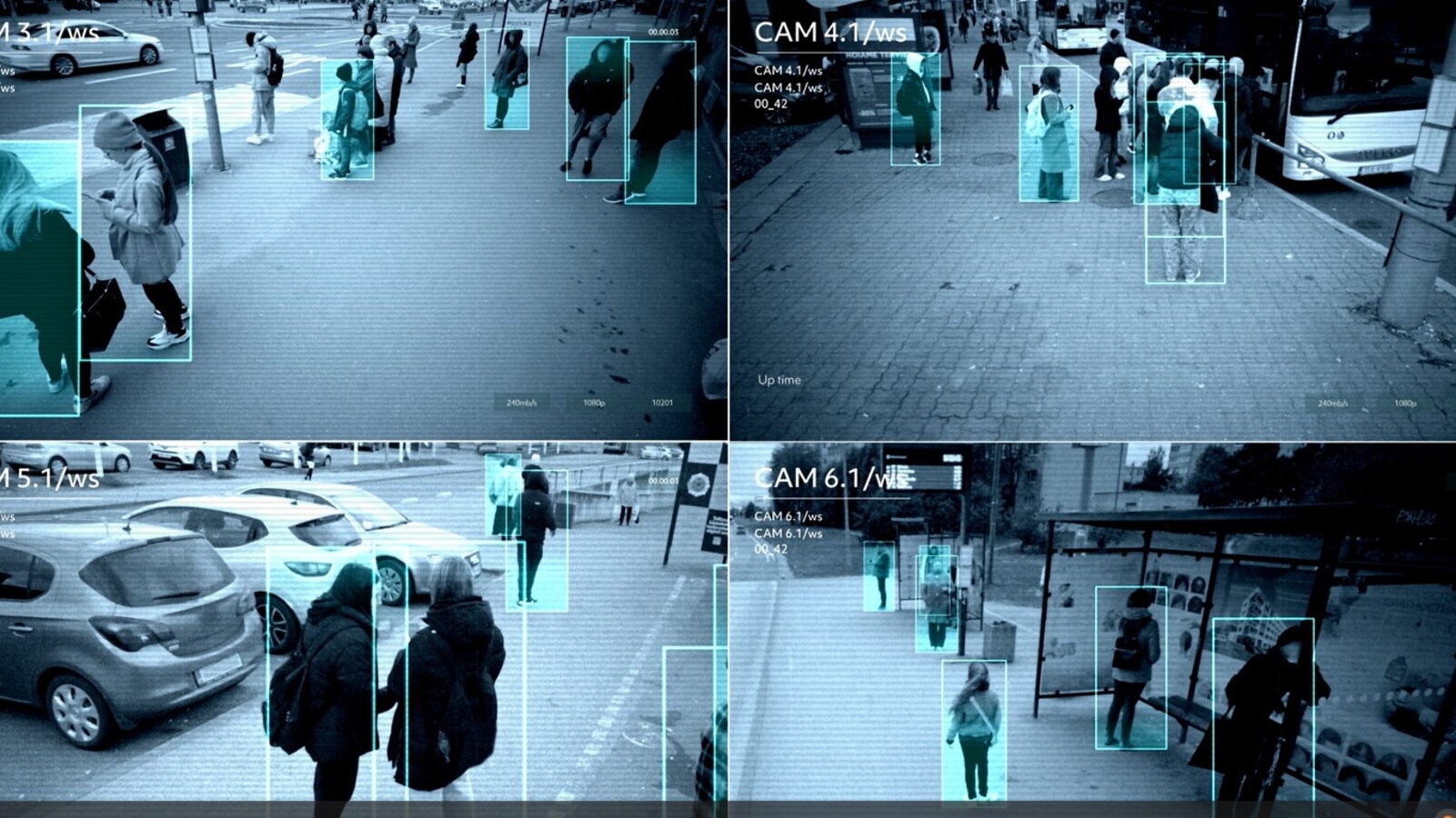
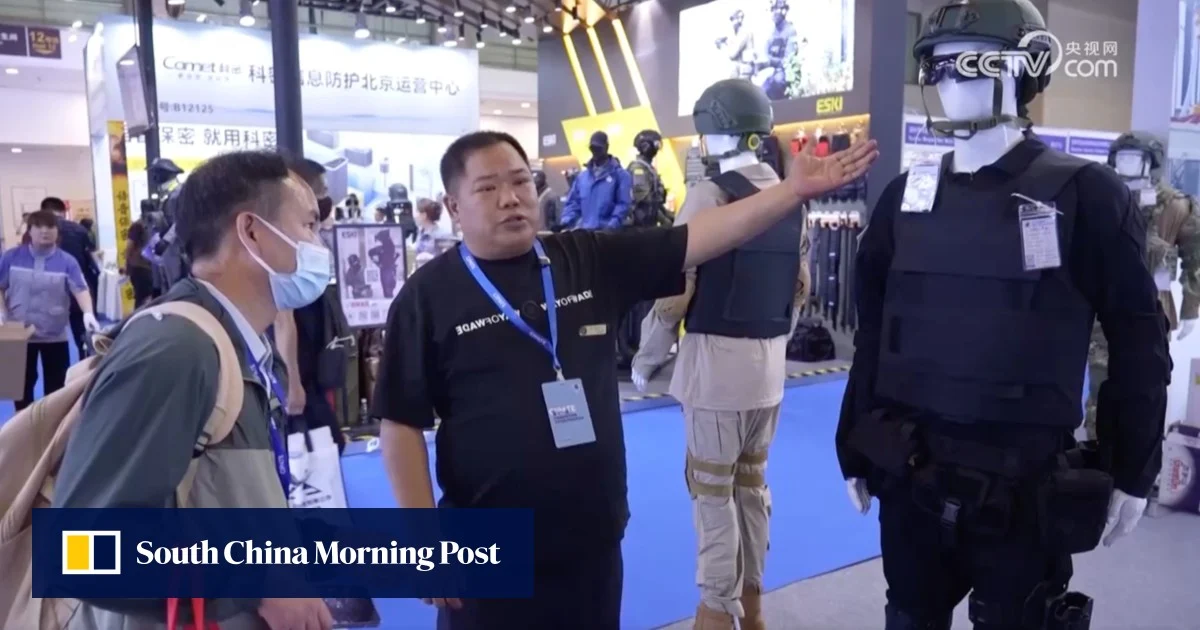
Manufacturers like Hikvision and Huawei now ship cameras with built-in computer vision and language models, the report says. These systems are designed to detect erratic driving, crowds forming, unauthorized access, or suicidal behavior on bridges and trigger alerts automatically. The latest Hikvision generation lets officers search footage by typing text queries, like looking for a woman wearing a red hat.