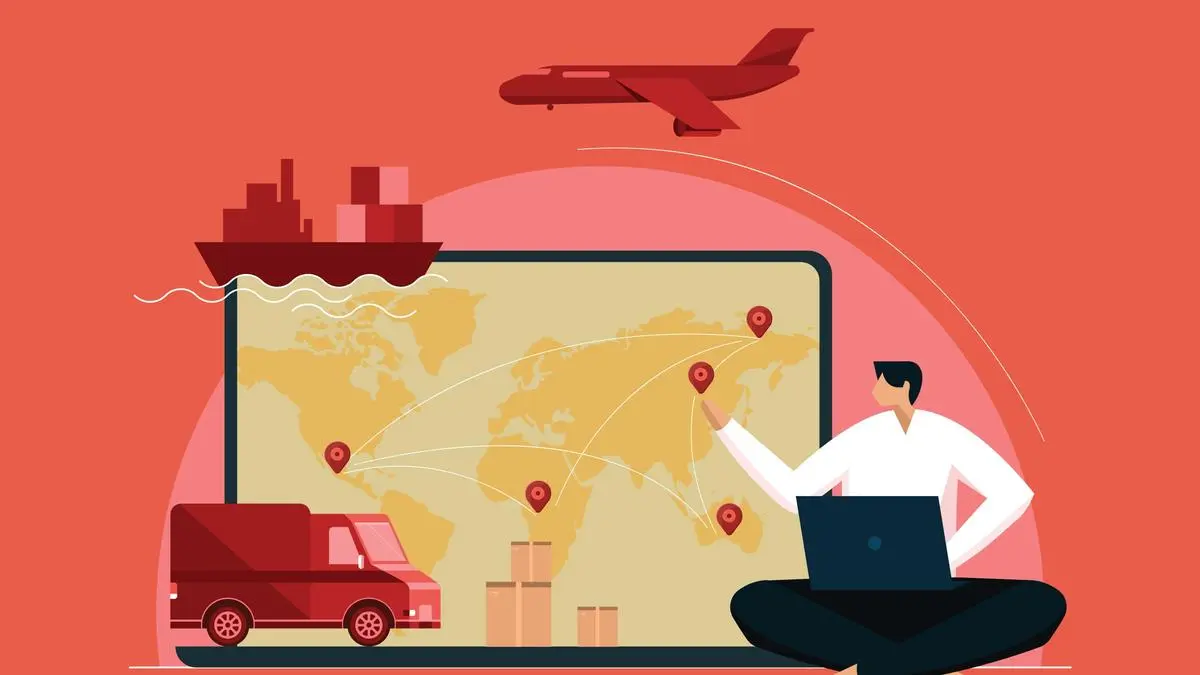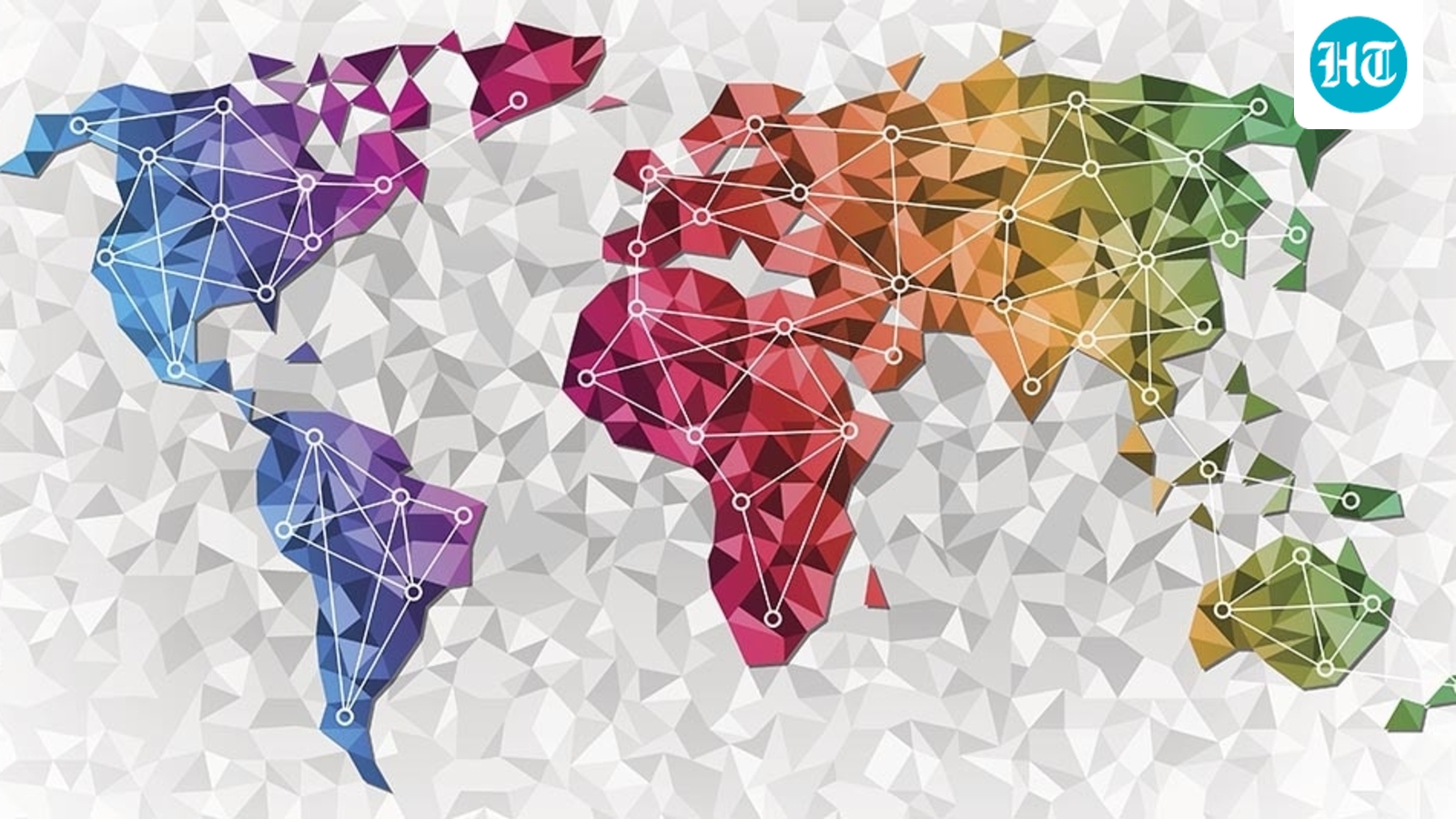
For three decades, global supply chains rested on a simple bargain: Efficiency in exchange for predictability. Firms sourced from low-cost locations, manufactured at scale, moved goods through established corridors, and kept inventories lean. The system was never frictionless, but its logic was clear. Trade would remain broadly open, routes would remain usable, and policy would rarely overturn the movement of goods.Global supply chainsThat bargain is weakening.Supply chains are now shaped not only by cost, demand, technology, and logistics, but by geopolitical strategy. Tariffs, sanctions, export controls, industrial policy, shipping-route insecurity, and election-driven trade promises have moved from the background of business planning to its centre. They influence where firms source, how much inventory they hold, which suppliers they trust, which routes they use, and where they invest.The result is a new architecture of volatility.Firms respond by front-loading imports, building precautionary inventories, renegotiating contracts, changing suppliers, or delaying investment. Competitors imitate. Suppliers mistake temporary surges for durable demand. Logistics providers reroute capacity. Customers face delays, shortages, price swings, or gluts. What begins as geopolitical strategy becomes supply-chain turbulence.This is not a routine return to protectionism. It is more structural. We are witnessing a geopolitical supply-chain cycle in which policy signals and corporate expectations reinforce one another. UNCTAD’s January 2026 Global Trade Update notes that nearly two thirds of global trade takes place within value chains being reshaped by geopolitical tensions, industrial policy, and new technologies. The WTO’s March 2026 Global Trade Outlook also identifies tariff uncertainty and rising input costs as pressures on investment. Supply chains are built not only on movement, but on confidence about movement.The most useful way to understand this volatility is through the bull-whip effect. In classical supply-chain theory, a small shift in consumer demand can produce larger fluctuations upstream as retailers, distributors, manufacturers, and suppliers respond to distorted signals.Geopolitics is now creating a similar amplification mechanism. When firms anticipate tariffs, sanctions, border restrictions, or export controls, they rarely wait for formal implementation. They act on probabilities. They import early, over-order, hold extra inventory, shift suppliers, and secure alternative contracts. Individually, these choices may be prudent. Collectively, they magnify instability. A tariff threat becomes a shipping surge. A sanctions warning becomes an inventory scramble. An election promise becomes a procurement shock. This is the geopolitical bull-whip effect.There is also a reverse bull-whip effect. In many current cases, the shock begins upstream rather than with consumer demand. Export controls on advanced technologies, sanctions on energy flows, restrictions on critical minerals, or disruptions around maritime chokepoints can restrict access to essential inputs. That instability then moves downstream into production delays, delivery failures, price spikes, and demand uncertainty.The distinction matters. If an upstream input constraint is misread as a temporary demand fluctuation, firms may adjust prices or sales forecasts when the true problem is production feasibility. If a tariff-driven import surge is mistaken for genuine demand growth, firms may expand capacity into a temporary policy-induced bubble. The challenge is not merely to become resilient. It is to understand the direction in which geopolitical shocks travel, where they multiply, and when they reverse.Recent events make this logic difficult to ignore. In the United States, trade policy has become both a political and legal battleground. For firms, uncertainty over tariff authority and future trade measures affects ordering, pricing, supplier negotiations, and working-capital decisions immediately.Shipping corridors tell the same story. The Red Sea, the Suez route, and the Strait of Hormuz are no longer merely transport geography. They are strategic pressure points. Rerouting around Africa, energy-flow concerns, tanker attacks, insurance costs, and port congestion all affect lead times and inventory decisions. A disruption in one corridor can alter production schedules and pricing across distant industries.Elections add another layer. Campaign promises on tariffs, domestic manufacturing, China policy, sanctions, industrial subsidies, border enforcement, and energy security can influence firms before any law is passed. A credible promise of future tariffs can trigger import front-loading. A possible change in sanctions policy can alter supplier risk assessments. In the old model, firms responded to policy. In the new model, firms respond to the probability of policy.Three lessons follow. First, geopolitical risk cannot be treated merely as compliance. A supplier may be legal today but vulnerable tomorrow. A route may be efficient in normal times but fragile under conflict. Second, not every geopolitical shock is simply a cost shock. Tariffs alter timing. Sanctions reshape bargaining power. Export controls encourage stockpiling and substitution. Shipping disruptions reduce reliability. Third, diversification is not the same as resilience. Multiple suppliers help only if they are not exposed to the same upstream bottleneck.Policymakers also need to think differently. Tariffs, sanctions, export controls, and industrial policies may serve legitimate goals, such as protecting sensitive technologies, reducing coercive dependence, or rebuilding domestic capacity. But these tools do not stop at the border. They reshape expectations across production networks.Before imposing a tariff, policymakers should ask whether it will trigger front-loading, panic ordering, retaliation, or supplier switching. Before announcing export controls, they should examine downstream production dependencies. Before tightening restrictions around strategic corridors, they should assess rerouting capacity, insurance effects, and port congestion.Firms need a similar discipline. Geopolitical stress testing should become as routine as financial stress testing. Companies should map dependencies beyond tier one, distinguish policy volatility from demand volatility, identify where bull-whip and reverse bull-whip effects are likely, and design contracts that encourage information sharing rather than panic ordering.Tariffs are no longer just tariffs. They are signals. Sanctions are no longer just restrictions. They are network shocks. Elections are no longer only political events. They are supply-chain events.The age of smooth globalisation has given way to strategic turbulence. The firms that adapt best will not simply hold more inventory or chase the next low-cost location. They will understand how political signals move through supply chains, when they are amplified, and when they reverse direction.(The views expressed are personal)This article is authored by Soumyatanu Mukherjee, associate professor, Economics, XLRI Delhi-NCR.
Geopolitical strategy is rewiring supply chains
This article is authored by Soumyatanu Mukherjee, associate professor, Economics, XLRI Delhi-NCR.
984 words~4 min read