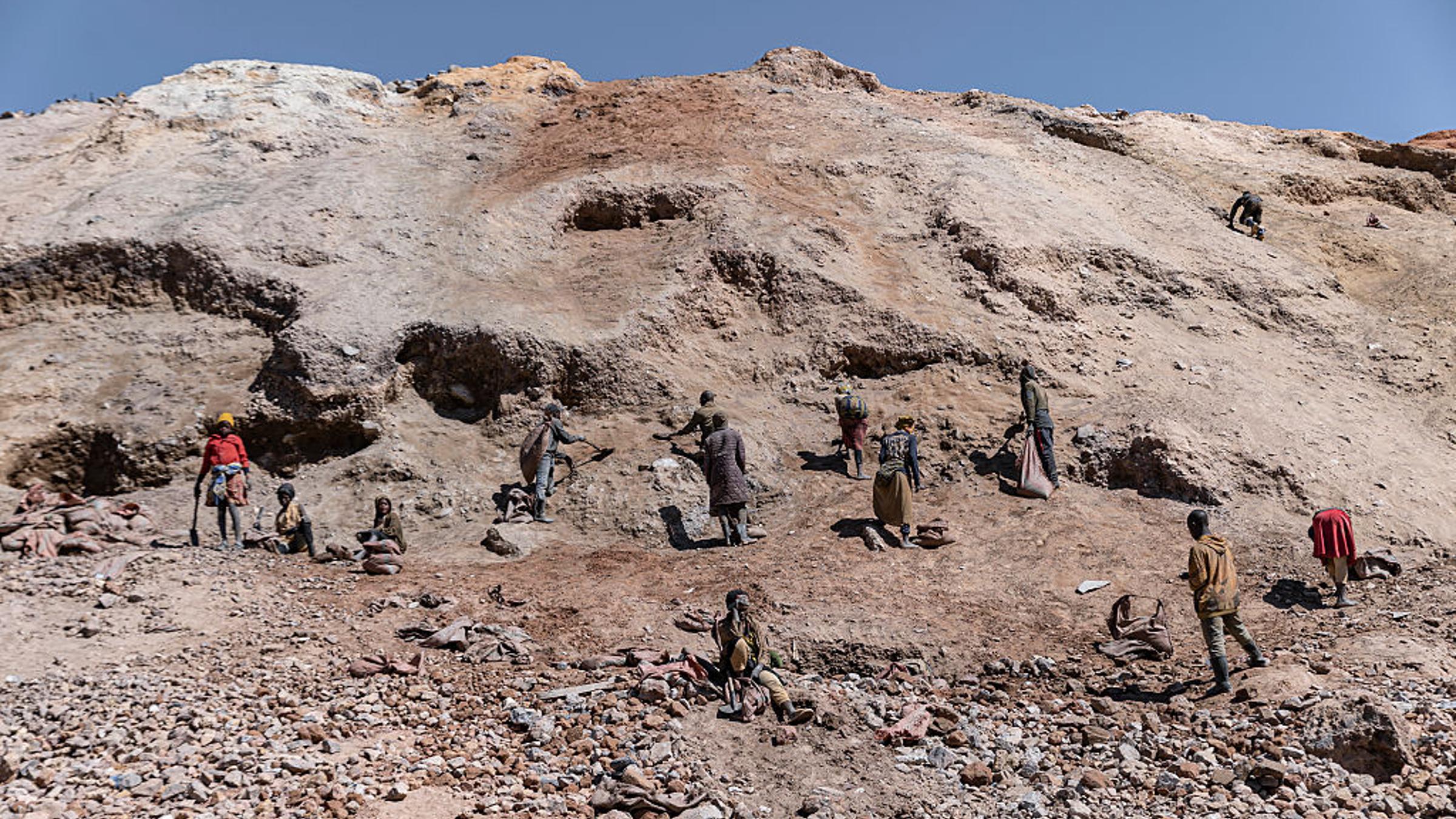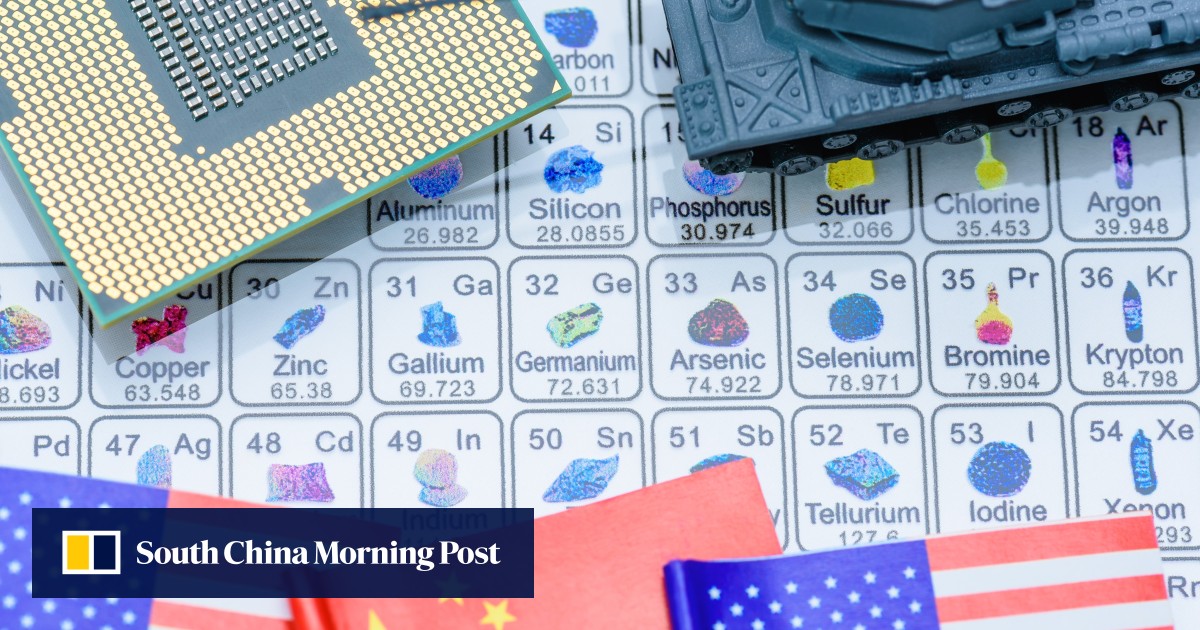
Recent years have exposed how vulnerable modern industrial economies remain to concentrated supply chains. The scramble over semiconductors, the weaponization of energy exports following Russia’s invasion of Ukraine, and growing concern over China’s dominance in refining capacity have all pushed critical minerals higher up the strategic agenda. But for all the talk of diversifying critical mineral supply chains, the map still looks oddly familiar. Policymakers in London, Brussels and Washington speak the language of resilience, yet the underlying geography remains stubbornly concentrated: China for processing, Africa and Latin America for extraction. The result is less diversification than a reshuffling of risk.What is often overlooked is the emergence of entirely new regions. Central Asia sits squarely in that blind spot. Long treated as a corridor for energy transit or a relic of post-Soviet industrial geography, it is now reemerging with a more strategic role in the energy transition. If supply chains are to become genuinely plural, this “missing geography” will have to be taken more seriously.That shift is already beginning. European governments are actively seeking alternative sources of supply, while companies exposed to geopolitical risk are reassessing procurement strategies built on single-country dependencies. In that context, Central Asia’s combination of mineral reserves, proximity to both European and Asian markets, and growing infrastructure connectivity is attracting attention the region has not seen in decades.Kyrgyzstan: The Next FrontierWithin that broader shift, Kyrgyzstan is not the largest player, nor the most obvious. Yet, it is becoming increasingly difficult to ignore. The country sits on a substantial mineral base, with more than 15,000 identified deposits spanning gold, rare earth elements and other strategic materials essential to modern technologies. For a developing economy, the mining sector already carries weight, accounting for roughly 10%–12% of GDP and a far larger share of industrial output.More importantly, the composition of those resources is shifting in relevance. Rare earth elements such as neodymium and yttrium, once niche inputs, are now foundational to wind turbines, electric vehicles (EVs) and advanced electronics. As demand for low-carbon technologies accelerates, these minerals are becoming the physical backbone of the energy transition. EVs, grid infrastructure, battery storage and wind generation all require significant volumes of critical minerals, often in quantities far exceeding those used in traditional energy systems. For governments pursuing industrial decarbonization while seeking to avoid new strategic dependencies, the issue is not just access to resources but to reliable, politically stable supply chains.Infrastructure Meets GeopoliticsResource endowment alone rarely translates into global significance. It needs to be complemented by commercial viability, infrastructure and governance. Still, the direction is clear. Exploration is expanding, international investors are reengaging and the narrative is moving from extraction for export toward integration into global value chains.This shift in Kyrgyzstan’s position within a changing geopolitical landscape, marked by agreements like cooperation with the UK on critical minerals and infrastructure projects such as the China–Kyrgyzstan–Uzbekistan railway, can inspire confidence in its emerging role for policymakers and industry leaders.This dual orientation, toward Western partners seeking diversification and regional networks driven by Eurasian integration, places Kyrgyzstan in a more nuanced position than traditional resource exporters. It is evolving from a peripheral supplier into a participant in a broader reconfiguration of trade routes, logistics and political alignment.The Environmental Cost of MineralsBeneath this geopolitical repositioning lies an uncomfortable truth at the center of the energy transition: Critical minerals are indispensable to decarbonization, yet their extraction remains inherently disruptive. The cleaner the end use (EVs, renewable power, digital infrastructure), the more it depends on materials often produced under environmentally challenging conditions. Investors, manufacturers and governments are increasingly sensitive to those conditions. Battery producers and automotive companies now face mounting pressure to demonstrate traceability, meet environmental standards and uphold responsible sourcing practices throughout their supply chains. In practice, that means emerging producers are no longer competing on resource availability alone. Governance, transparency and environmental credibility are becoming commercial advantages in their own right.Kyrgyzstan's ability to access Western supply chains hinges on meeting environmental and governance standards, aligning resource development with market expectations and influencing investor confidence.This is where Kyrgyzstan’s trajectory becomes more interesting and more uncertain. The country is ambitiously positioning itself as part of a broader low-carbon transition rather than simply a source of raw materials. Hydropower already dominates the energy mix, with vast untapped potential estimated at over 140 billion kilowatt hours annually.Building Resilient Supply ChainsLarge-scale projects such as Kambarata HPP-1 are framed in terms of energy security while contributing to regional clean energy systems. This creates a potentially important distinction for Kyrgyzstan. As scrutiny intensifies over the carbon intensity of mineral extraction and processing, access to comparatively low-carbon electricity could become a competitive advantage. Countries capable of pairing critical mineral production with cleaner energy systems may find themselves better positioned in future supply chains shaped by carbon accounting and sustainability regulation.In parallel, there has been a more deliberate effort to address environmental legacies. Rehabilitation of uranium tailings sites, supported by international partners, is under way, alongside reforms in waste management, environmental regulation and digital transparency of licensing systems. These are not headline-grabbing initiatives, but they matter. They signal a shift from reactive risk management toward more systemic oversight.None of this guarantees success. Implementation gaps remain, and institutional capacity will be tested as projects scale. Still, the trajectory suggests an awareness that the old extractive model — resources first, consequences later — is no longer viable.Kyrgyzstan is unlikely to displace established producers or transform global supply chains on its own. That misses the point. Diversification is incremental by nature. It depends on a widening pool of contributors rather than a single alternative.In that sense, Kyrgyzstan serves as an indicator of a broader shift. It reflects a changing approach to resourcing the energy transition: more geographically dispersed, more politically complex and increasingly shaped by sustainability expectations.If the next phase of the transition is to be more resilient, it will depend on emerging producers like Kyrgyzstan developing credibly, even if imperfectly, to align resource development with environmental responsibility and geopolitical balance.Cyril Widdershoven is a senior advisor at Blue Water Strategy and a longtime Middle East energy, defense and investment analyst. The views expressed in this article are those of the author.
Diversifying the Critical Minerals Map
The quiet reshaping of critical mineral supply chains means looking beyond familiar geographies, argues Cyril Widdershoven in this opinion piece.
1,024 words~5 min read