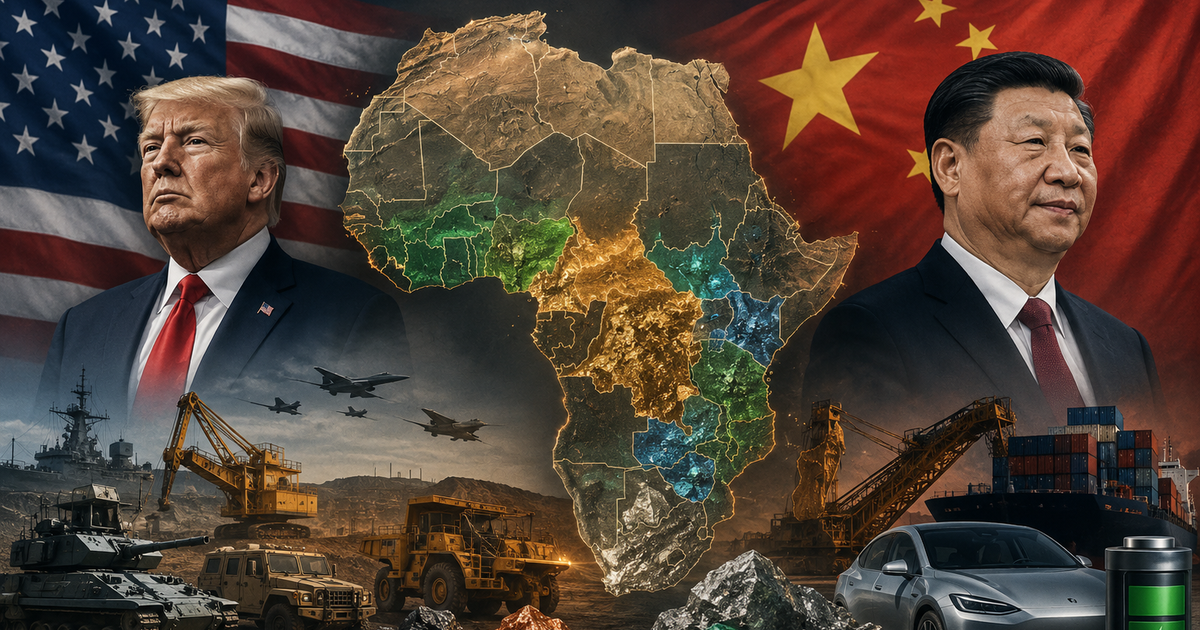
The United States declared several national emergencies targeting its critical mineral supply chain vulnerabilities. Through executive order 14156 and related directives, the Trump administration has framed overreliance on Chinese-dominated supply chains as a direct risk to national security and economic growth.Beijing’s control over both production and processing of key materials critical to defense, coupled with export restrictions and leverage plays, demands urgent diversification and resurgence of domestic (or at least allied-domiciled) output.Yet the gap between this stated policy and on-the-ground practice is surprisingly stark, especially for an administration determined to strengthen American sovereignty. Many of the leading global commodities traders that the U.S. has chosen to work with to strengthen supply chains are deeply embedded in China. This entanglement exemplifies how global trading realities undermine the West’s decoupling ambitions.
The policy-reality disconnect
U.S. policy is unambiguous. The executive order declaring an energy emergency in the U.S., as named above, and follow-on actions identify insufficient domestic and diversified critical minerals capacity as an emergency threatening national prosperity and security. Initiatives emphasize boosting U.S. production and processing, and alliances with trusted partners to reduce exposure to China. Washington’s tariffs, negotiations, financing via DFC and EXIM, and strategic reserves represent various tactics designed to achieve these ambitious goals.