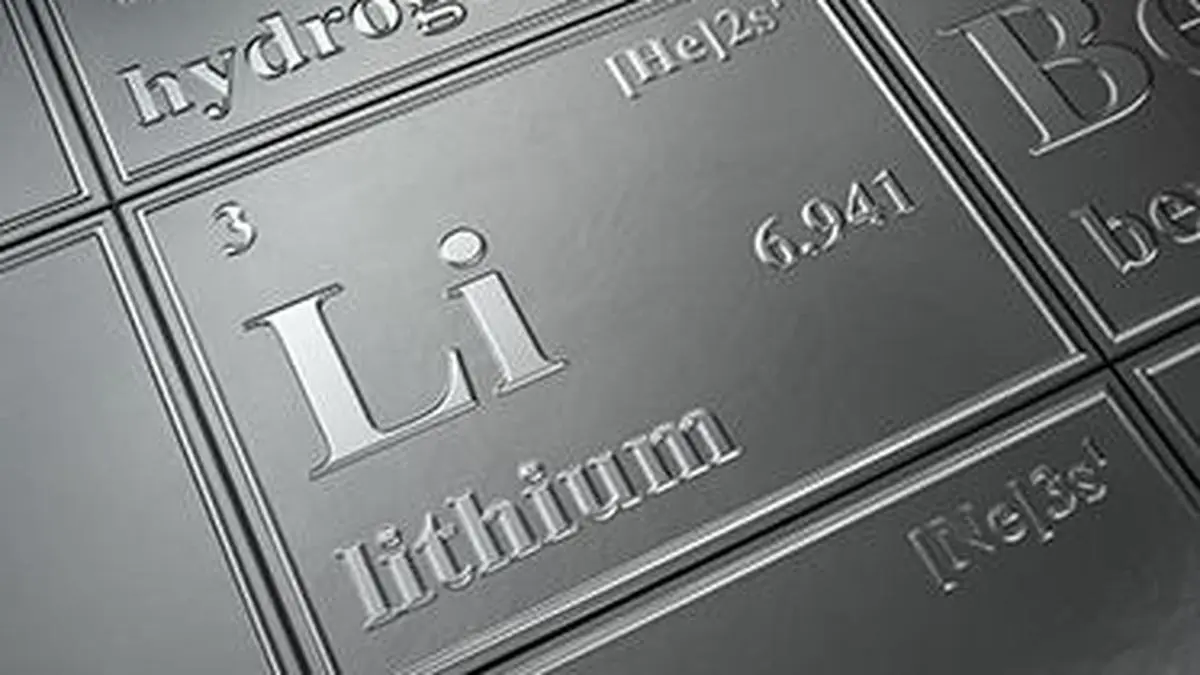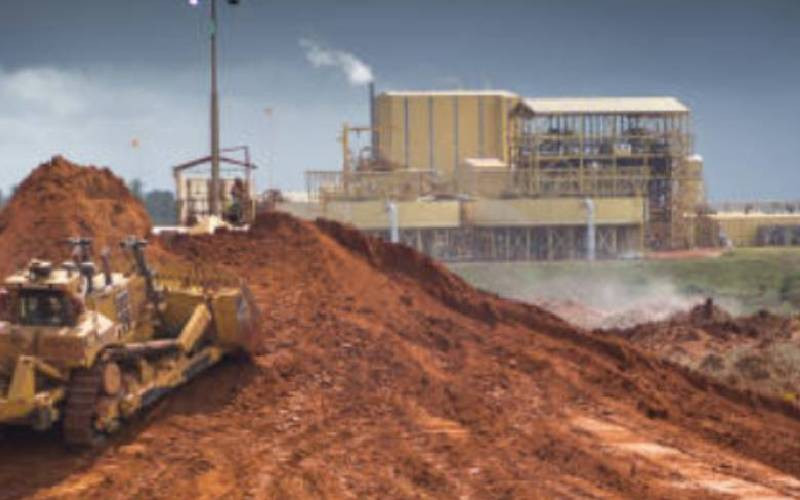
New Delhi: The next global power shift will increasingly be driven by energy security, critical minerals and resource control, as geopolitical tensions reshape industrial supply chains and economic priorities worldwide, former Vedanta Group and Hindustan Zinc CEO Sunil Duggal on Wednesday said.Duggal said geopolitical conflicts over the past few years have exposed the vulnerabilities of economies heavily dependent on external energy supplies and strategic trade corridors.Also read: Defence Ministry issues AMCA fighter jet tenders to Tata, L&T-BEL, Bharat Forge-BEML"The geopolitical centre of gravity is gradually shifting from financial dominance towards resource and industrial control," Duggal said.According to him, the Russia-Ukraine conflict fundamentally altered global energy equations, while continuing tensions involving the US, Iran, and Israel have highlighted the strategic importance of oil routes such as the Strait of Hormuz."Every geopolitical disruption eventually reaches the factory floor through higher fuel prices, logistics disruptions and commodity inflation," he said during an interaction with PTI.Duggal is currently the CEO of Bhumi Ventures, an emerging metal and mining company operating across the UAE (Dubai, Fujairah) & Democratic Republic of Congo. It is a diversified company across the natural resources spectrum, with interests in copper, cobalt, nickel, gold, silver, and platinum group metals.Duggal said India -- currently the world's third-largest crude oil consumer -- imports nearly 88-89 per cent of its crude oil requirements and about half of its natural gas demand, making energy security central to long-term economic stability.Also read: CIL arm BCCL begins commercial operation at coal washery in West Bengal"Nearly 45 per cent of India's crude imports transit through the Strait of Hormuz, making geopolitical stability in West Asia strategically critical for India's economic continuity," he said.He added that every major rise in crude oil prices historically widens India's trade deficit, increases inflationary pressures and impacts manufacturing competitiveness."No major economy can build long-term economic sovereignty on fragile energy dependence," Duggal said.The former mining and metals industry veteran further said the next phase of global strategic competition will revolve around critical minerals and processing capabilities required for electric mobility, renewable energy, semiconductors, artificial intelligence infrastructure and defence technologies."Critical minerals are rapidly becoming as strategically important as oil was in the last century," he said.Duggal said countries controlling extraction, refining and supply chains for lithium, copper, cobalt, nickel, graphite and rare earth elements would enjoy significant geopolitical and economic leverage in the coming decades."The energy transition is not merely an environmental transition. It is also a strategic industrial transition," he said.Referring to India's long-term growth ambitions, Duggal said sectors such as renewable energy, electric mobility, defence manufacturing, semiconductors and advanced engineering would require sustained access to energy and critical minerals."A country of 1.4 billion people cannot remain excessively dependent on external supply chains for critical resources, technology materials and strategic industrial inputs," he said.Duggal stressed that mining, metals, logistics, infrastructure and manufacturing should now be viewed as strategic economic pillars rather than isolated industrial sectors."Every additional tonne produced domestically, every efficiency improvement in logistics, every investment in beneficiation, refining, recycling and resource recovery directly strengthens India's economic resilience," he said.Calling for strategic urgency, Duggal said India must accelerate domestic exploration, strengthen mining reforms, build refining and processing ecosystems, invest in strategic mineral partnerships globally and improve logistics competitiveness."Economic strength in the future will not be determined only by access to financial capital or dollar reserves, but by the ability to secure energy, critical minerals and industrial continuity," he said."The present geopolitical transition should therefore not create fear. It should create urgency, preparedness and strategic determination," Duggal added.
Global power equations to shift further towards energy, critical minerals: Former Vedanta Group CEO
Global power is shifting towards energy security and resource control. Geopolitical tensions are reshaping industrial supply chains. Critical minerals are becoming as vital as oil was. Countries controlling these resources will gain leverage. India must accelerate domestic exploration and build processing ecosystems. Future economic strength depends on securing energy and critical minerals.
583 words~3 min read