Audio By Vocalize
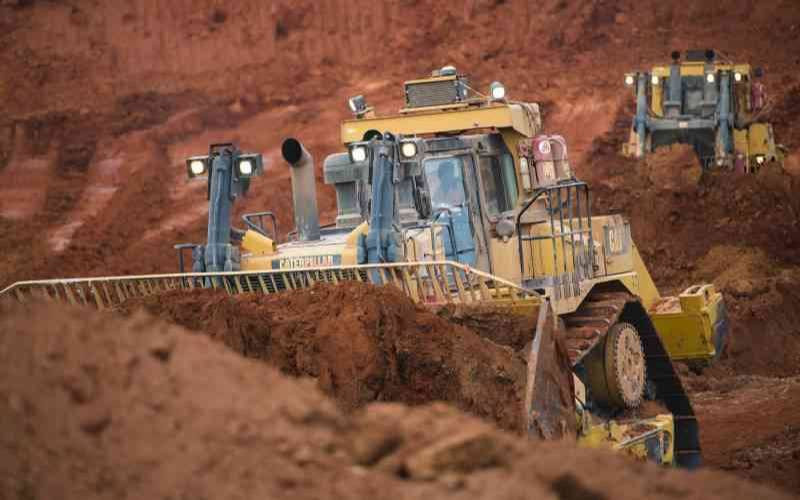
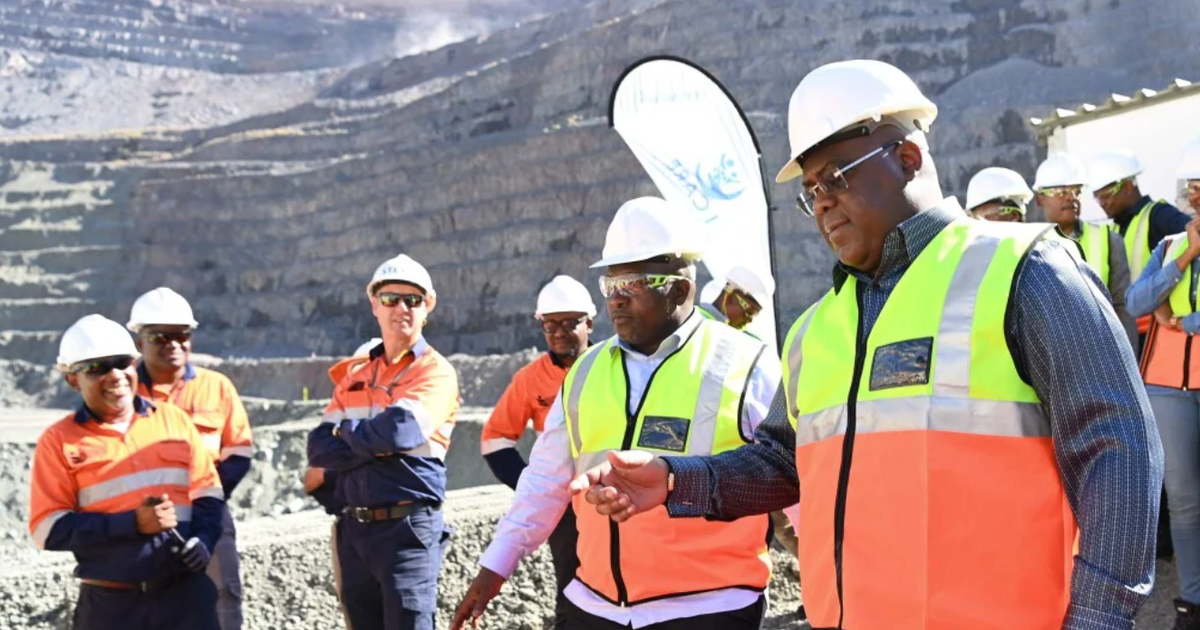
Base Titanium mining site in Kwale County. [File, Standard]
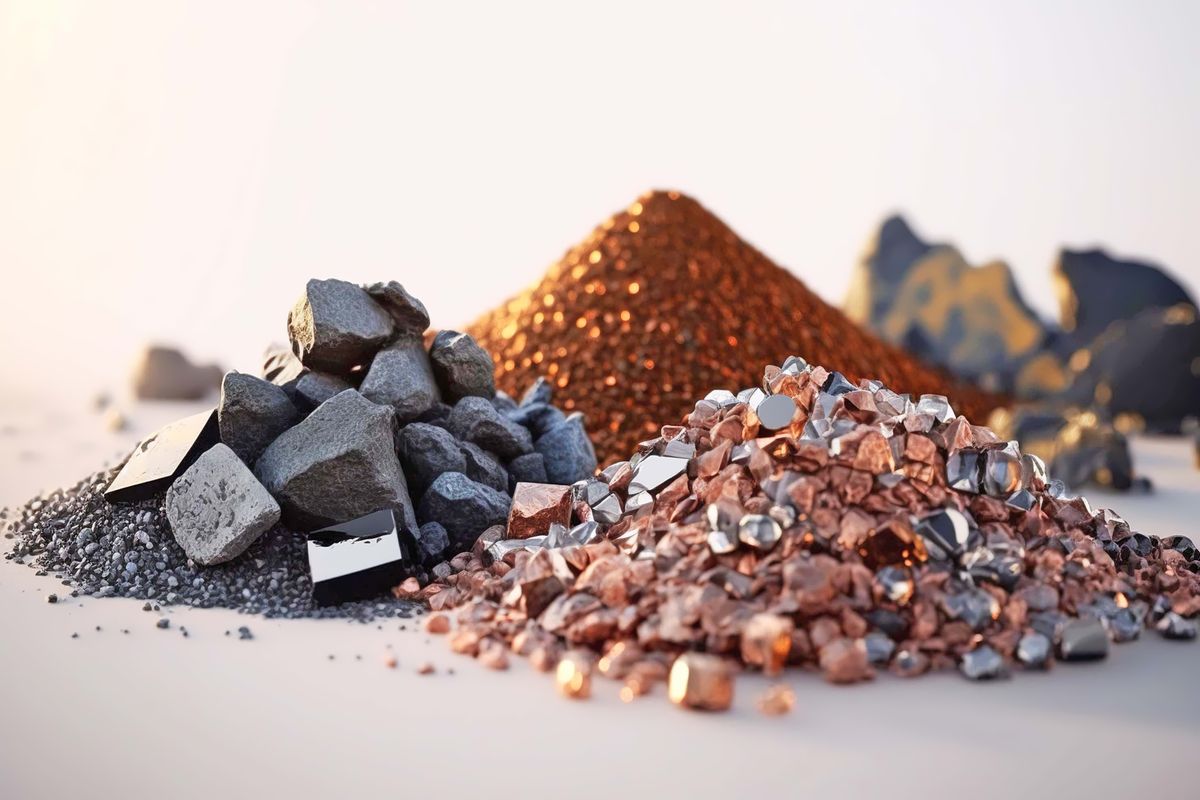
Every age has its strategic resource. Coal powered the Industrial Revolution. Oil shaped the politics of the 20th Century. Today, the world is turning to critical minerals: lithium, cobalt, nickel, graphite, copper, manganese, titanium, niobium and rare earth elements. These minerals are used in batteries, electric vehicles, solar panels, wind turbines, electricity grids, smartphones, data centres, satellites, aircraft and defence systems. They are no longer just mining commodities. They are instruments of power.
Globally, demand for critical minerals is rising because countries are trying to solve three problems at once: energy insecurity, climate change and technological competition. The current energy crisis is not only about the price of fuel. It is also about how states can secure reliable electricity, reduce dependence on imported fossil fuels, build renewable energy systems and protect strategic supply chains. Solar panels, wind farms, battery storage and electric mobility all depend on minerals. A country that cannot access or process them may struggle to compete in the new energy economy.
This explains why critical minerals have become part of multipolar rivalry. The United States, China, the European Union, India, Japan, Gulf states and others are all looking for secure supplies, trusted partners and processing capacity. The real power is not only in the country where the minerals are mined. It is also in the country that refines, processes, finances, transports and manufactures the final products. If Africa only exports raw minerals while others process them, the continent will repeat the old pattern of resource extraction without transformation.