Mineral security is not just about access to resources but about control over value chains. India’s response must be strategic, not reactive.
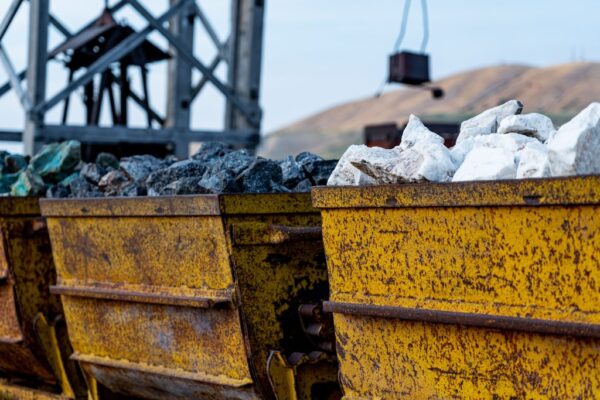
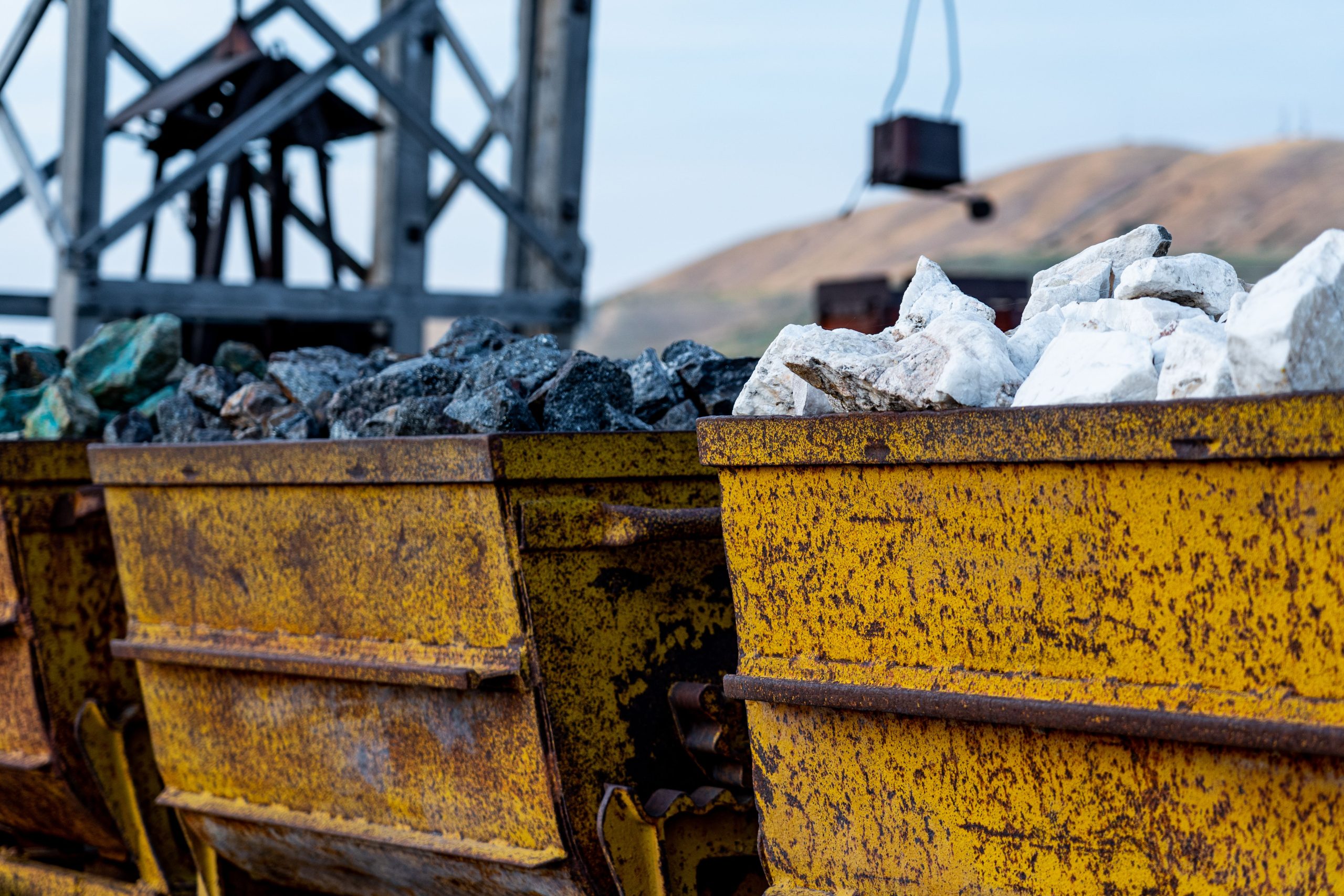
The world is witnessing the rise of controlled critical mineral supply chains, strategic alliances, industrial policy, and economic nationalism, marking the new age of critical mineral mercantilism. Castorly Stock, Pexels
Mineral security is not just about access to resources but about control over value chains. India’s response must be strategic, not reactive.
Coal fuelled the first Industrial Revolution, and oil defined the industrial and geopolitical order of the twentieth century. Wars were fought over it, alliances were built around it, and economies rose and fell with its price. Critical minerals are now rewriting that playbook, owing to two major forces.
First, climate change has made the continued dependence on fossil fuels untenable. Second, geopolitics has exposed oil itself as a strategic vulnerability, weaponised in conflicts, disrupted by wars, and concentrated in unstable regions. Together, these forces are accelerating a historic shift from hydrocarbons to critical minerals.