A growing number of scholars have prescribed a dual-track approach to managing Western dependence on Chinese critical minerals, differentiating demand by end use. The proposal separates the security track — which has stockpiles, chain-of-custody rules and a ‘security tax’ paid by allied governments to insulate defence-grade flows — from the green track, which is left open to Chinese processing and capital because no other supplier can meet the energy transition’s scale at affordable prices in appropriate timeframes.
The key argument is that Chinese minerals policy is primarily inward-oriented, rather than hostile, and that de-risking by reducing dependence on China is in itself a risk. But the dual-track approach still leaves Western countries reliant on China as the dominant processor of most major critical minerals. Allied governments do not have the capacity to meet defence demand at scale, forcing them to continue processing their non-Chinese critical minerals in China. The answer to reducing dependence is managed decoupling and a deliberate shift away from the Chinese midstream, so that green-track demand builds allied — rather than Chinese — processing capabilities.
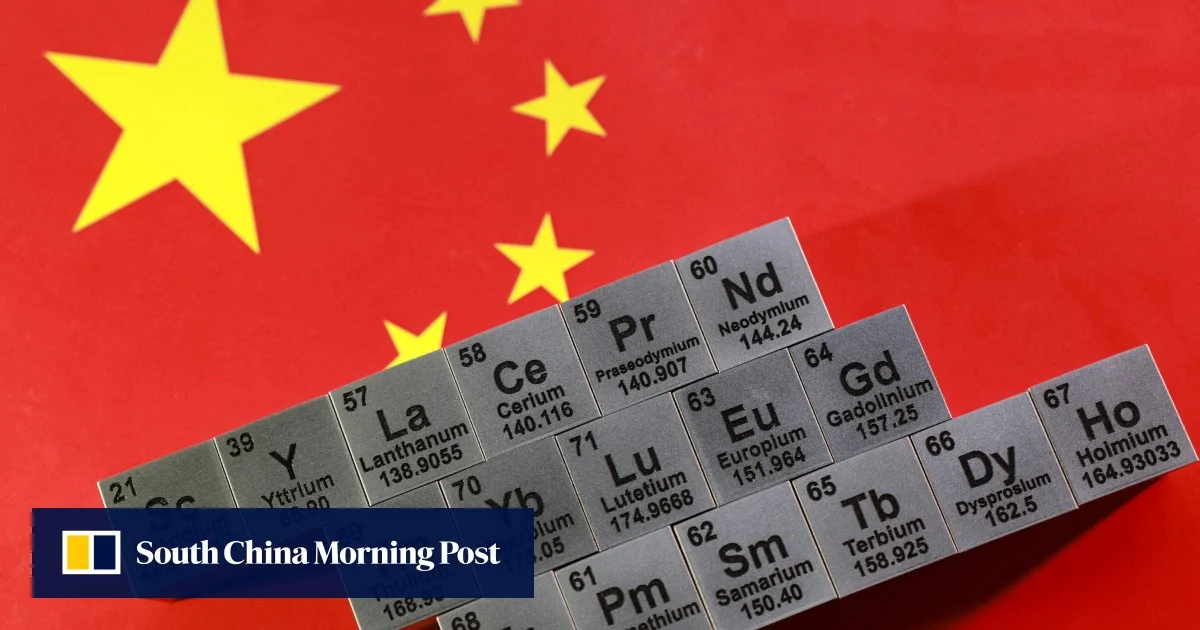
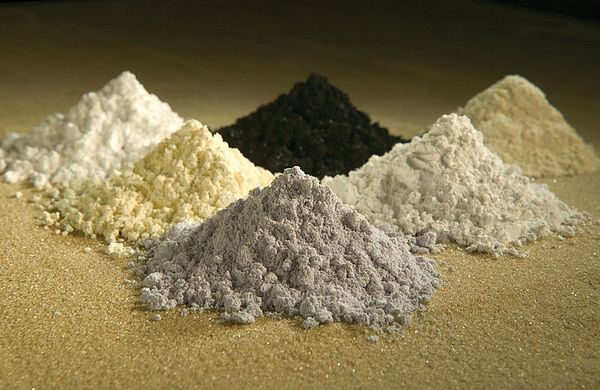
Using cheap Chinese inputs for the green track undermines the ability of non-Chinese manufacturers to supply the security track. Chinese processing is fully scaled and cheap, having amortised midstream capital expenditure over decades of state-supported build-out. China processes roughly 90 per cent of the world’s graphite and refines roughly 85 per cent of global rare earth elements and nearly all germanium, gallium and tungsten. Non-Chinese alternatives face capacity constraints and a structural cost disadvantage that compounds with each purchase of Chinese-refined material, since it denies allied processors the volumes needed to close the gap. The West must accept higher near-term costs because the dual-track’s promise of cheap Chinese inputs for green demand prevents other suppliers from achieving scale.