Reading Time: 6 minutesThe concept of North American security has undergone a quiet but profound transformation over the past decade. What was primarily understood, particularly after 9/11, in military and counter-terrorism terms—the protection of borders, interception of threats, coordination of intelligence—has expanded into an integrated geoeconomic framework in which trade policy, energy infrastructure, supply-chain architecture, and mineral endowments are now explicitly recognized as elements of national and regional security for all three countries.
This transformation is not merely rhetorical. It reflects a tectonic structural shift in how governments across North America now need to calculate risk, project power, and design policy. Common prosperity and common security are becoming more intertwined than ever before.
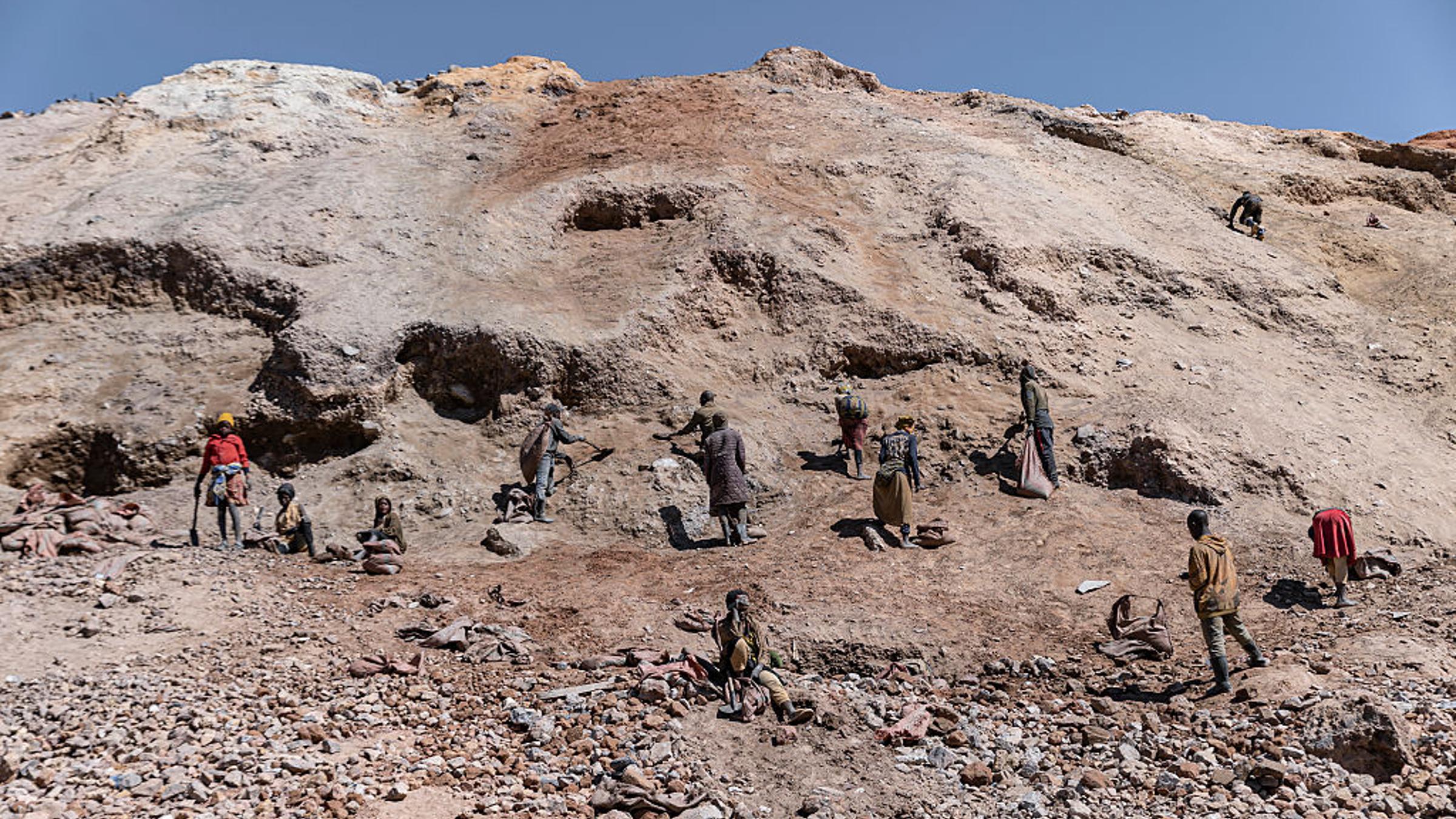
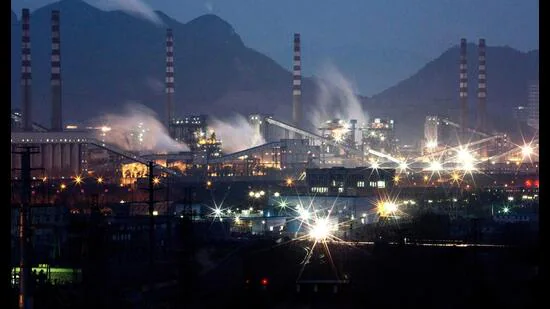
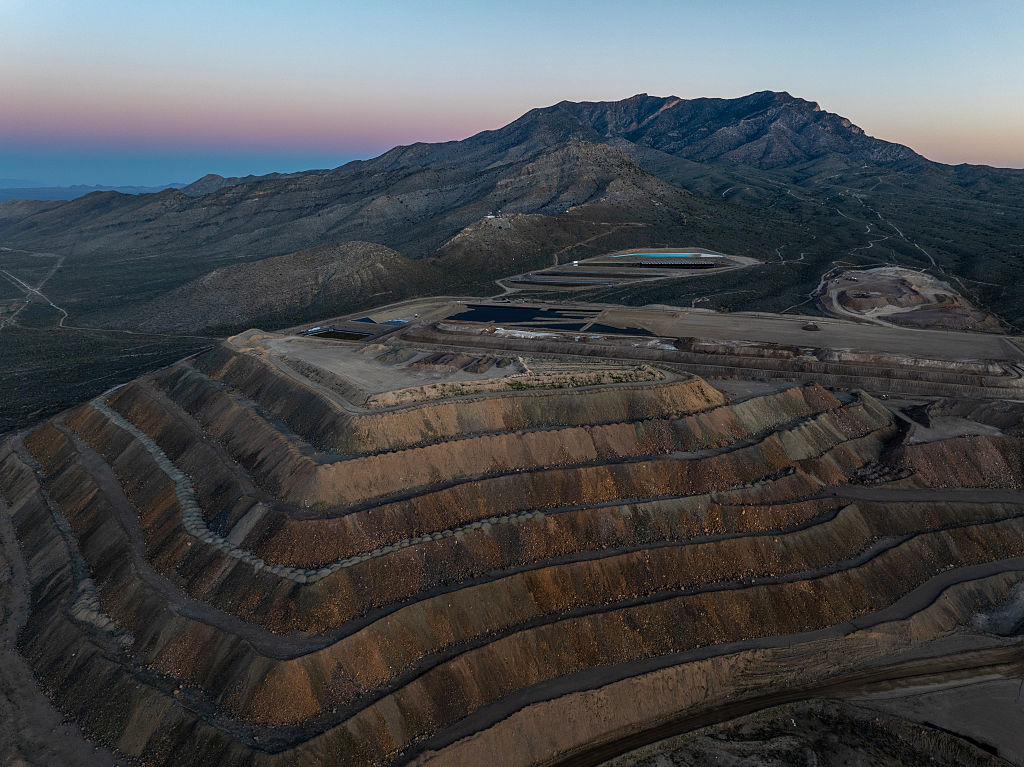
The building blocks of this shift are visible on multiple fronts. The concept of North American “common domain awareness”—the shared surveillance and intelligence picture across air, land, maritime, and now cyber and space domains—is no longer an aspiration but an operational imperative. Recent events have accelerated the shift: The COVID-19 pandemic exposed the fragility of globally distributed supply chains for goods once considered purely commercial, such as semiconductors, personal protective equipment, pharmaceuticals, and industrial inputs. The war in Ukraine demonstrated that energy dependence could be weaponized with devastating effect. Beijing’s dominance in the processing of rare earth elements and critical minerals—commanding over 60% of global lithium refining, roughly 85% of rare earth processing, and near-total control of certain battery supply chains—has concentrated a strategic chokehold in a single hand.