The introduction of an external advisory panel offers a beacon of hope in the fight against crime. However, says the writer, changes in policing structures demand immediate action — not just promises. ]
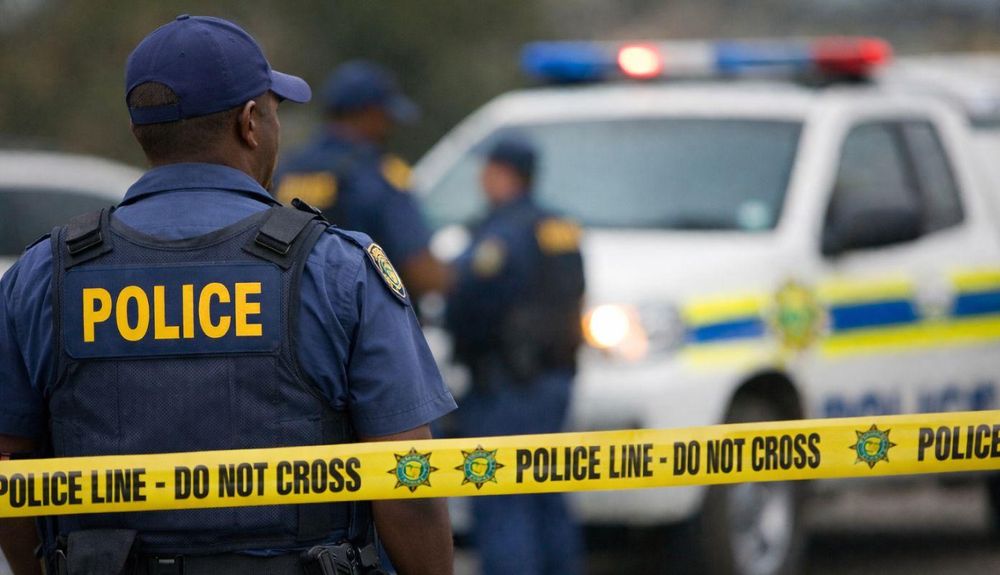
The quarterly drop in national murders is a testament to the tactical resilience of the SAPS, but it exposes a deeper, terrifying truth: we are celebrating a temporary sandbag barrier while the mountain of our socioeconomic crisis continues to fracture. As the latest crime statistics are revealed, the narrative is one of triumph. A 9.5% reduction in murders is, by any clinical metric, positive. It represents 546 fewer funerals, 546 families spared the trauma of sudden, violent loss. To dismiss this would be an insult to the boots on the ground: the police officers, community policing forums, and local security initiatives working under resource-starved conditions. They have fought aggressively to slow the bleeding.
However, crime in South Africa does not occur in a vacuum. It behaves like water flowing down a steep precipice, naturally and violently rushing toward the path of least resistance and highest pressure. What the security ministry presented a few days ago is not a structural cure; it is a tactical intervention. The SAPS has managed to place a structural barrier at the bottom of the hill, momentarily slowing the torrent of blood. But the institutional, economic, and social gradient of this country remains terrifyingly steep.