Story audio is generated using AI
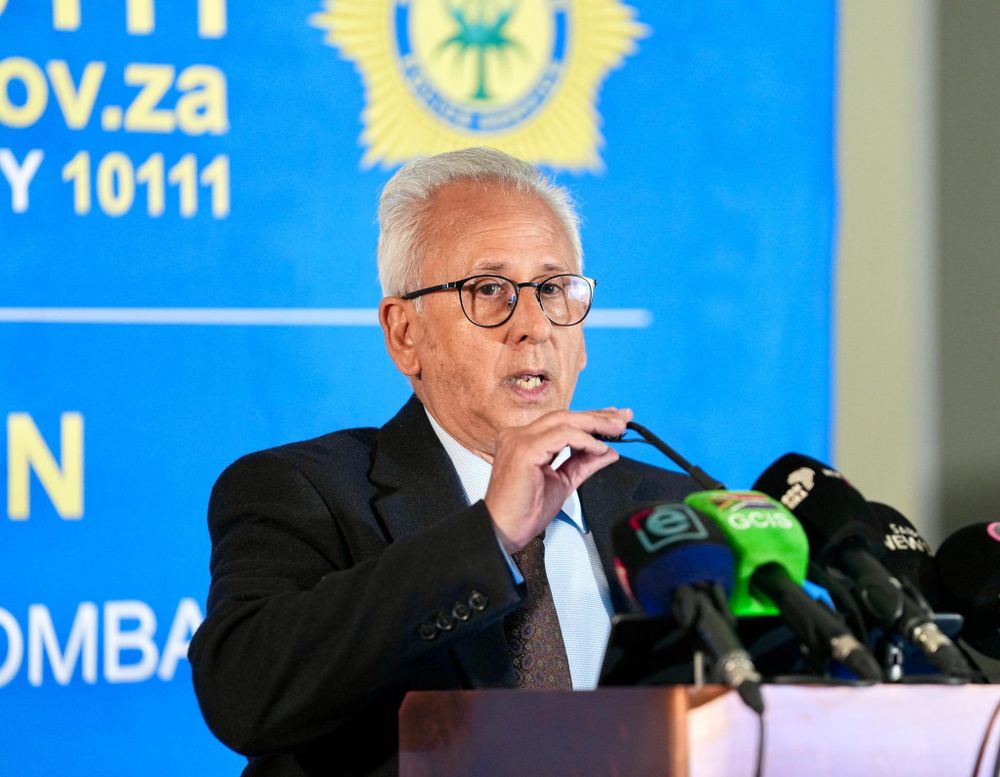
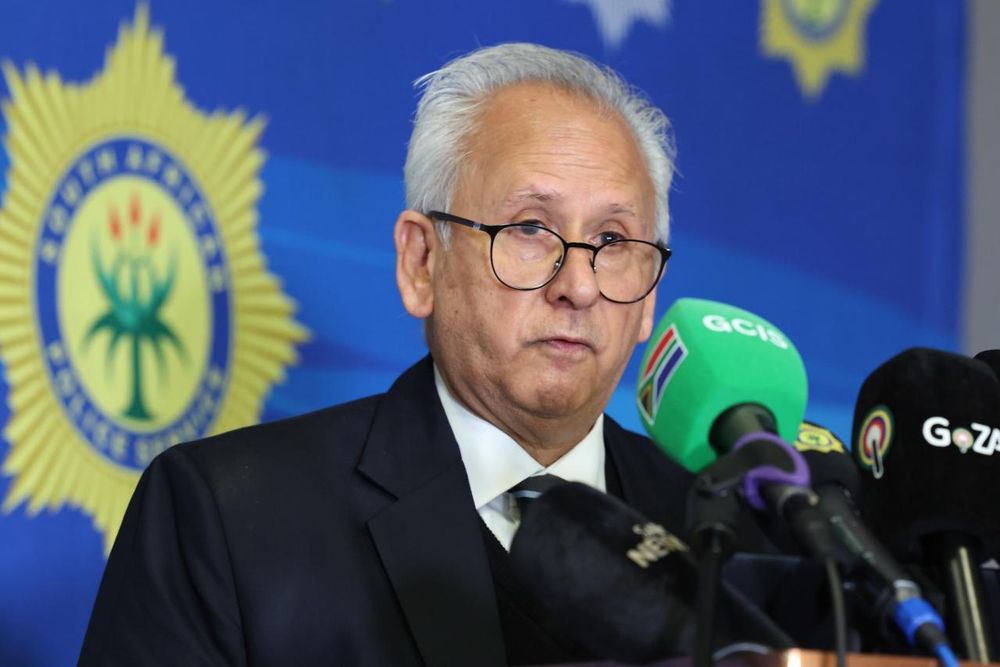
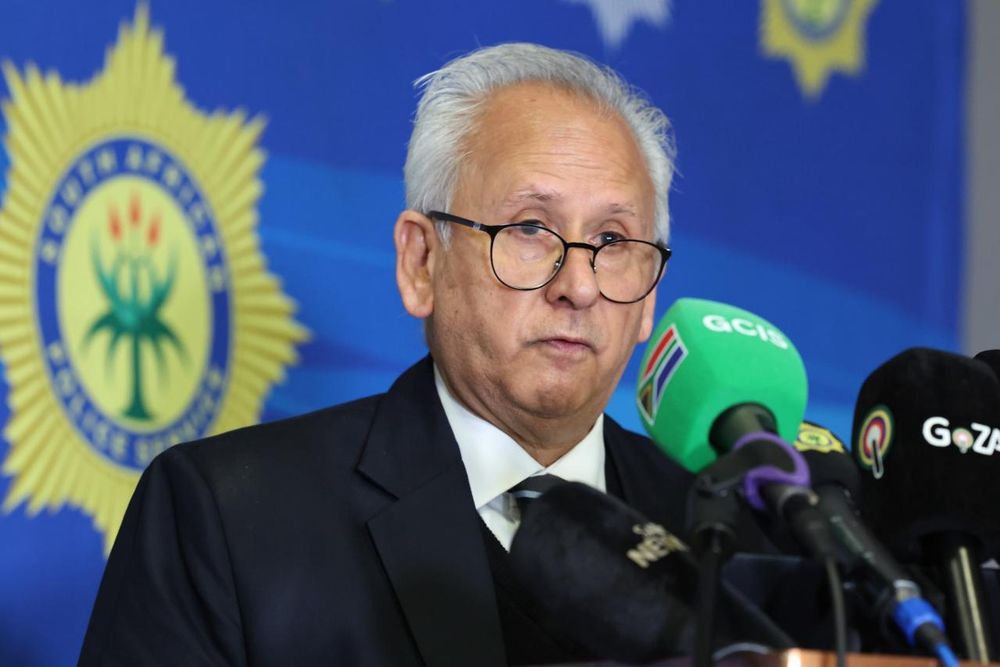
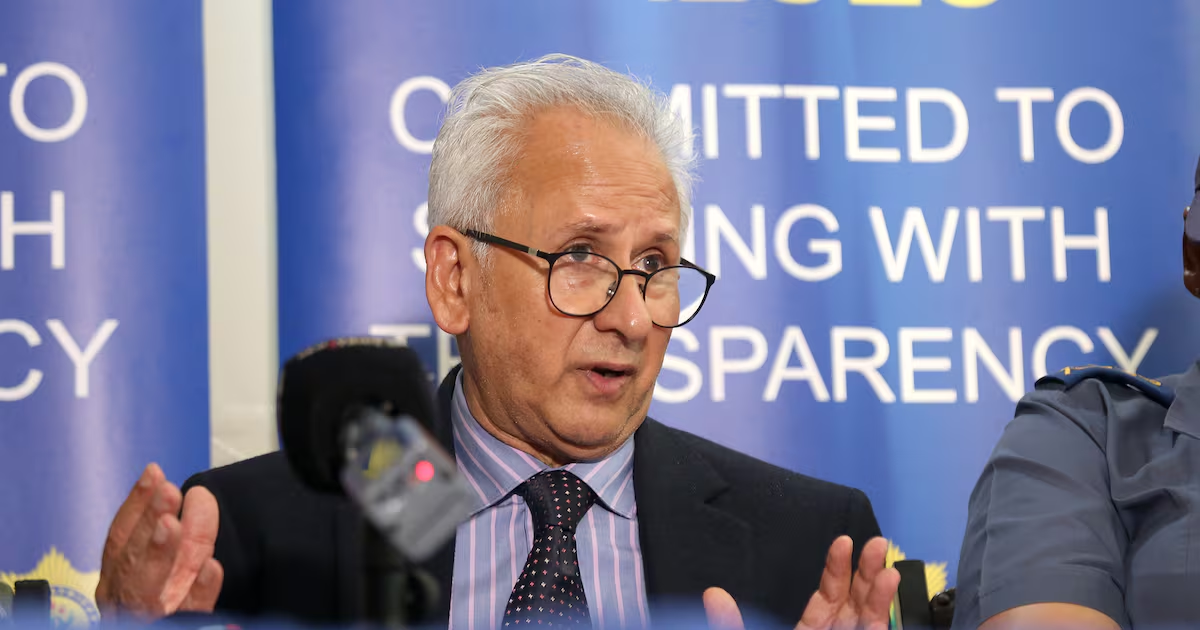
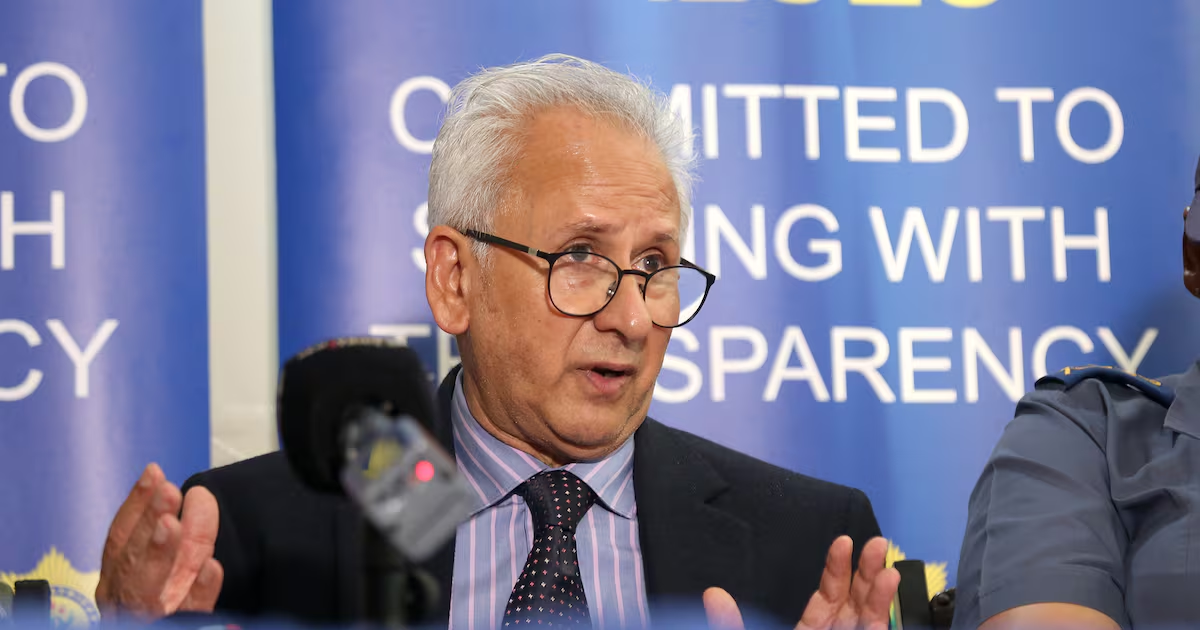
Police minister Firoz Cachalia said while serious crime was down nationally, it was still at an unacceptably high level as 5,727 people were murdered during the fourth quarter of 2025/26. While Gauteng, the Western Cape, the Eastern Cape and KwaZulu-Natal all recorded notable decreases in murders, these four provinces recorded more than 80% of all murders in South Africa. The minister noted that organised crime remained a key threat and was “heavily concentrated” in the country’s economic hubs, with Gauteng, the Western Cape, the Eastern Cape and KwaZulu‑Natal continuing to contribute the largest share of serious and organised crimes. Gauteng accounted for 57.1% of all carjackings in the country, 54.8% of all kidnappings, and 48.4% of all cash-in transit robberies. “Violent crimes, referred to by the police as ‘contact crimes’ as there is direct contact between the perpetrator and victim, have declined by 4.6%. That means 7,405 fewer cases of violent crimes were reported compared to the same quarter last year,” Cachalia said. This trend started in 2024, with violent crime having dropped by 10.2% since then, resulting in 17,440 fewer cases reported compared to this latest quarter. “Most strikingly, murder has decreased nationally by 9.5%. In the same quarter of last year, 5,727 people were murdered. That number has come down to 5,181. That means 546 fewer lives lost, and fewer grieving families and friends. “Compared to the same quarter in 2024, there were 1,355 fewer murders, or a 20.7% decrease. As this is our most reliable crime statistic, we pay particularly close attention to the data and information on murders.” Eastern Cape Highest riskDuring the period under review, there were 8.2 murders per 100,000 people nationally. The Eastern Cape presented the highest risk with 14.3 murders per 100,000 people, followed by the Western Cape with 12.8 murders per 100,000 people and then KZN at 8.8. “While Gauteng records the highest numbers of murders, the risk of being murdered in that province is half that of the Eastern Cape, with 7.1 murders per 100,000 people. The remaining five provinces all have lower murder rates than Gauteng, with Limpopo holding the lowest rate of 2.9,” said Cachalia. It was “heartening” to see double-digit decreases in the serious armed robberies that make up the trio crimes. “There has been a 20.4% reduction in house robberies, 18.3% in business robberies and a 22% reduction in the robberies of nonresidential premises compared to the same period last year,” the minister said. He also welcomed the “slight 2% decrease in kidnappings given the substantial increases in this crime category since 2021/22”. Property‑related crimes such as burglary, theft of, and from, motor vehicles and stock theft dropped 8.5%. Other serious crimes — including general theft and shoplifting — declined by 4.2%. ExtortionRegarding organised crime, Cachalia said these were not opportunistic crimes. “They are the work of organised criminal syndicates that are highly mobile, heavily armed and deeply embedded in our economic centres. They hijack vehicles, extort businesses and terrorise workers transporting the salaries and social grants that keep families alive,” he said. He singled out extortion, saying it was a particularly dangerous trend. “Our data sample of 469 extortion cases paints a worrying picture. Protection rackets — including the so‑called “construction mafia” – are spreading, especially in the Western Cape, which accounts for 57 out of 131 sampled protection racket cases,” the police minister said. “These networks do not only steal money. They sabotage service delivery, collapse small businesses, and rob our people of jobs and opportunities. They bleed the state and drive away investment.” Delivering the keynote address at the South Africa Infrastructure Investment Summit in Cape Town last Wednesday, President Cyril Ramaphosa moved to assure investors their investments are safe, as South Africa’s business operating environment is underpinned by the rule of law. “We are deploying multidisciplinary teams to dismantle organised crime networks and root out police who collude with criminals. At the same time, we continue to rebuild institutions weakened by state capture. Corruption-accused are being prosecuted, stolen assets are being recovered and the capacity for sophisticated investigations is being strengthened,” Ramaphosa told investors. The event was hosted by one of the world’s largest infrastructure platforms, BlackRock, which has made a $500m commitment towards the African Infrastructure Fund, with investments in energy systems, logistics corridors and transport infrastructure. Moving forward, Cachalia said the government would implement its “bold, police reset agenda”. “The national decreases in serious violent crimes such as murder, rape and aggravated robbery are not insignificant. But the levels are still too high and we need to redouble our efforts, particularly in those precincts that continue to show increases. In too many communities and homes across the country, violence remains stubbornly high,” he said. “We will also focus on reinvigorating community policing, as the police need to work with people at a local level to be effective. We will continue to strengthen our capability to tackle organised crime. That is why we are pursuing a new organised crime strategy that has been thoroughly researched and reviewed by representatives from the public, private and civil society sectors. We will double our efforts at promoting the implementation of the integrated crime and violence prevention strategy.”Business Day