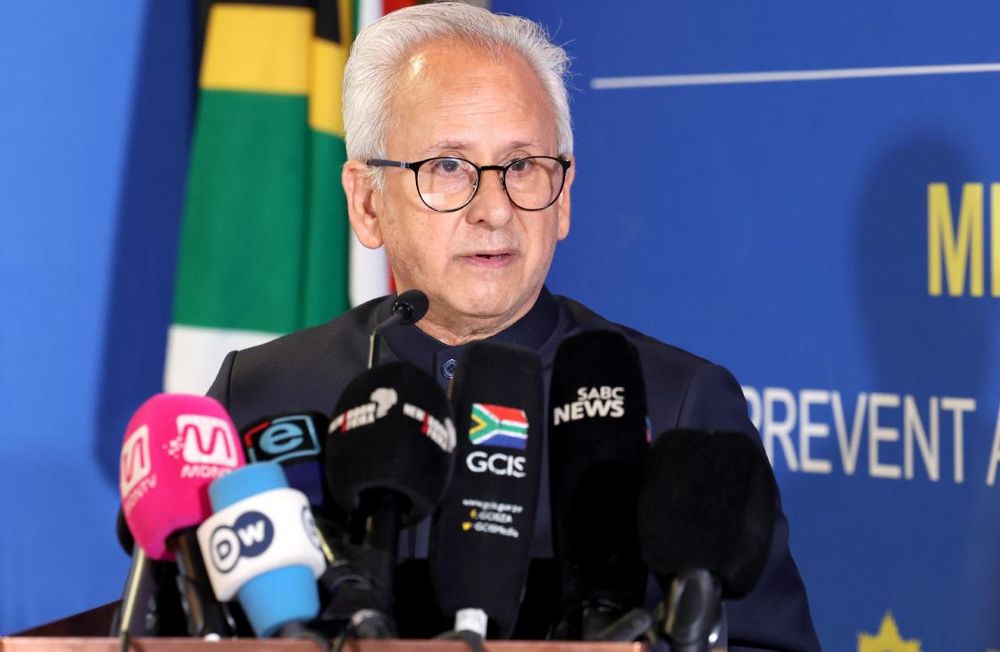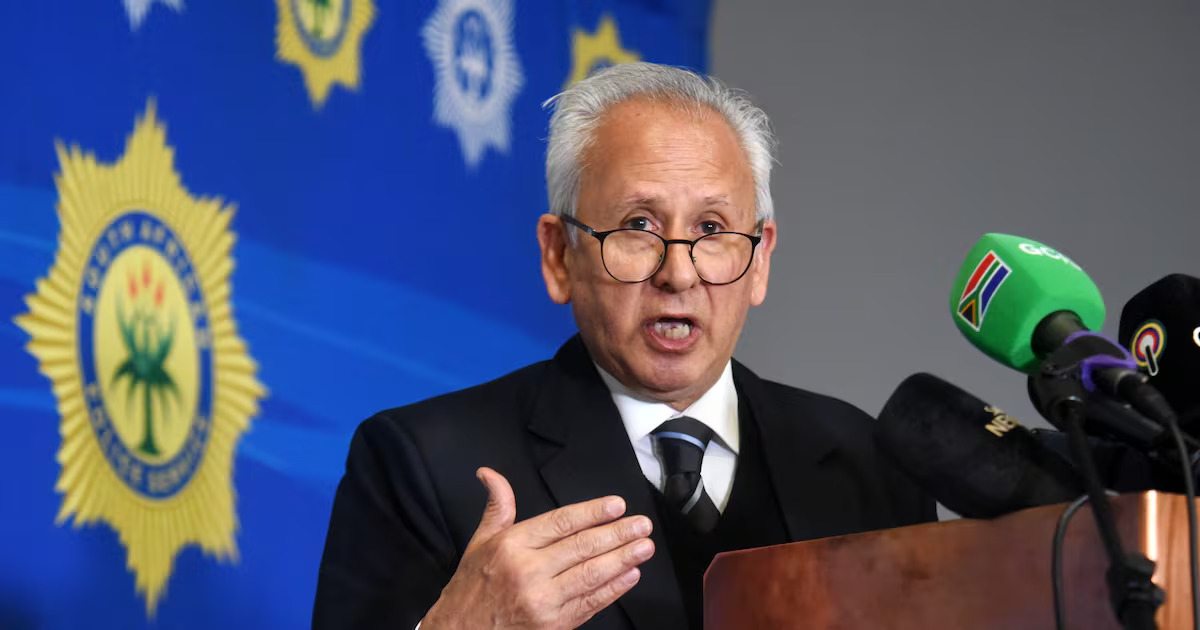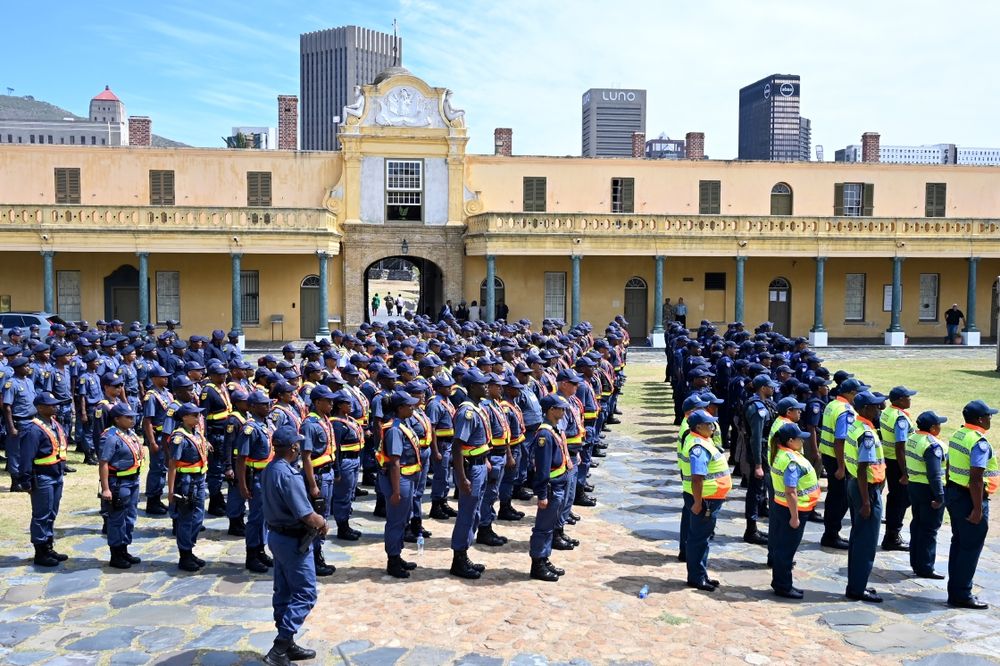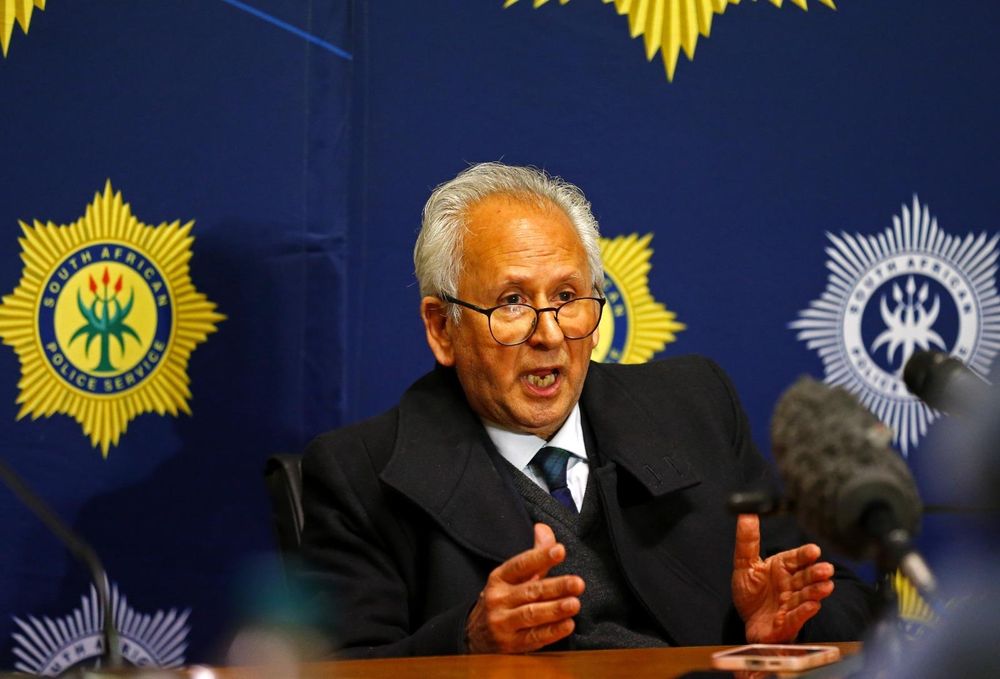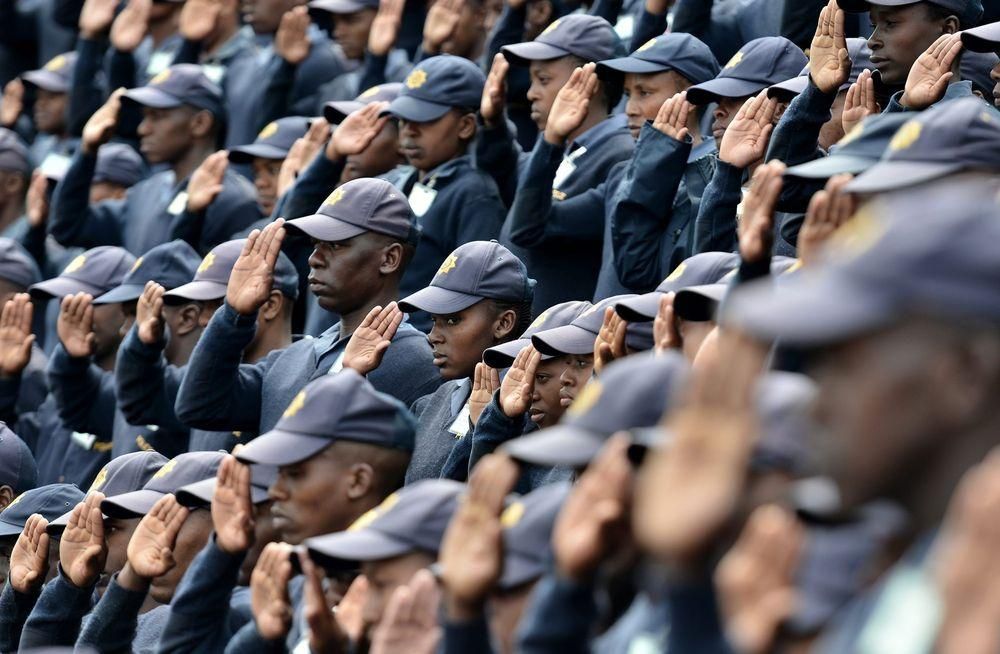
Acting Minister of Police Firoz Cachalia has outlined a R127 billion budget aimed at reforming the SA Police Service and combating corruption. The writer calls for bold steps towards innovative crime prevention solutions.
There is a well-worn definition of insanity that perfectly captures South Africa’s approach to public safety: doing the same thing over and over again and expecting a different result. When Acting Police Minister Firoz Cachalia tabled the R127 billion SAPS budget, the response was predictable. The ruling administration framed the sum as a foundational "reset" while opposition parties decried it as a "managed decline" that prioritises VIP protection over the safety of ordinary citizens.
Both sides miss the point. The structural crisis confronting policing is not a crisis of liquidity or headcount. It is a profound crisis of structural philosophy. We are pumping billions into a broken, 20th-century reactive machine and wondering why the bloodbath on our streets continues to escalate.
The Mathematical Trap of the Boots on the Ground Myth
The reflex to rising crime has been boots on the ground. However, the 2026 budget bares the trap of this strategy. Over 80% of the R127bn, R102bn, is swallowed by employee compensation, pensions, and cost-of-living adjustments. When four out of every five rands is spent keeping the lights on and paying salaries, the actual tools of modern policing contract. This is why SAPS currently operates with a crippling 42% staffing shortfall alongside an astonishing 7 500 police vehicles broken in state garages. Standard budget increases do not buy new forensic software, repair vehicles, or upgrade cyber-intelligence; they simply feed an unsustainable payroll. Flooding the streets with under-equipped, traumatised recruits is a cosmetic bandage on a systemic haemorrhage.