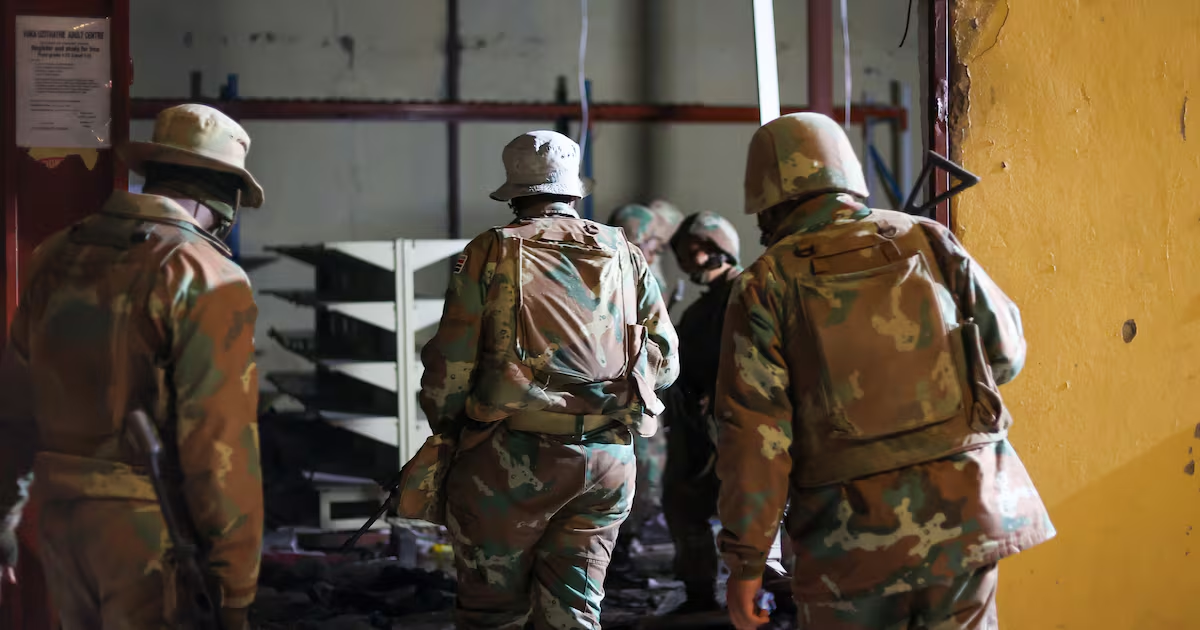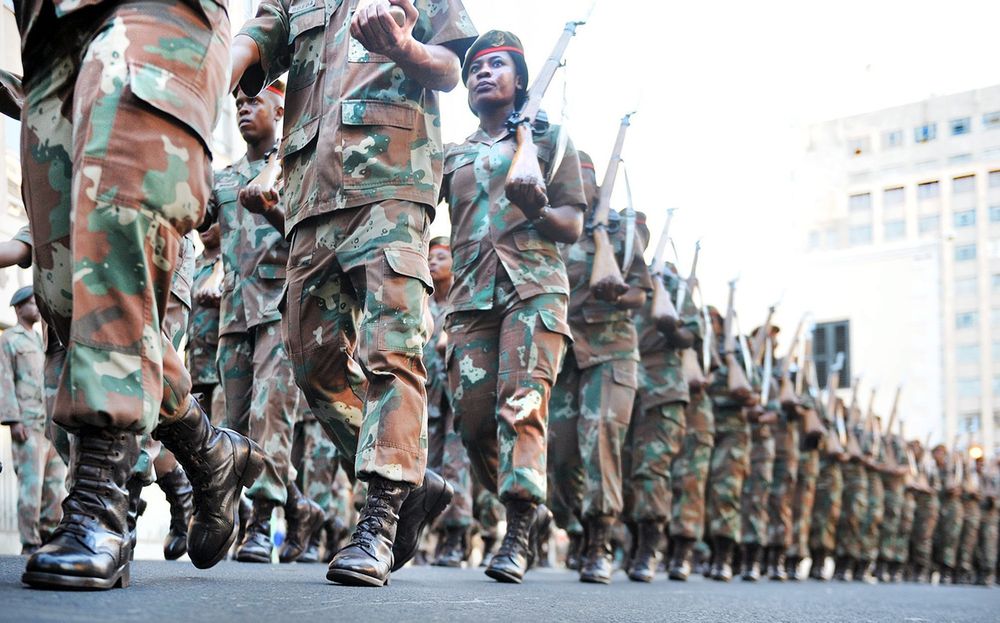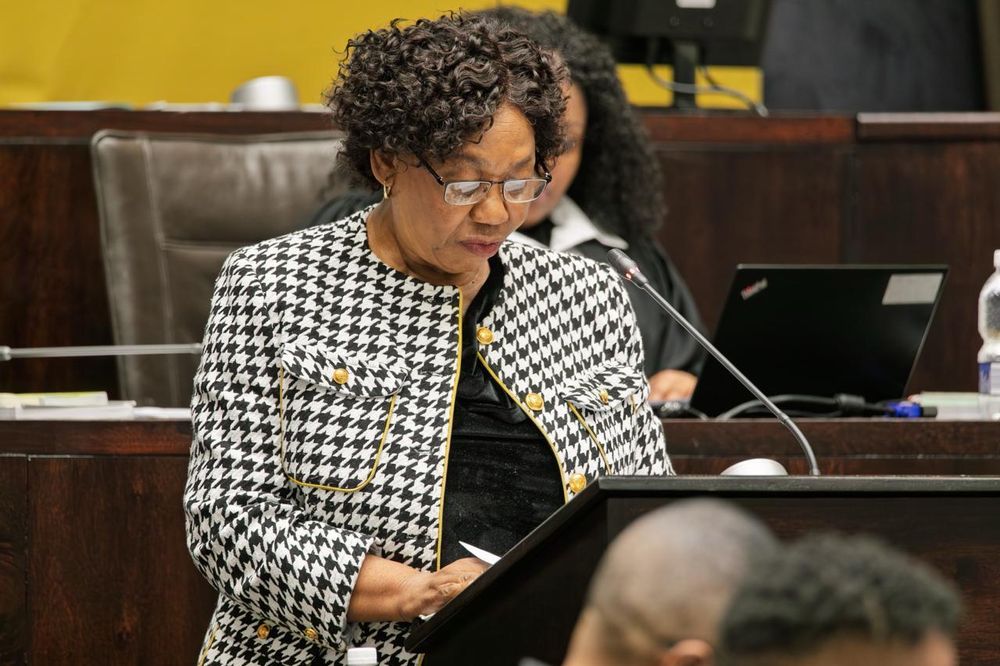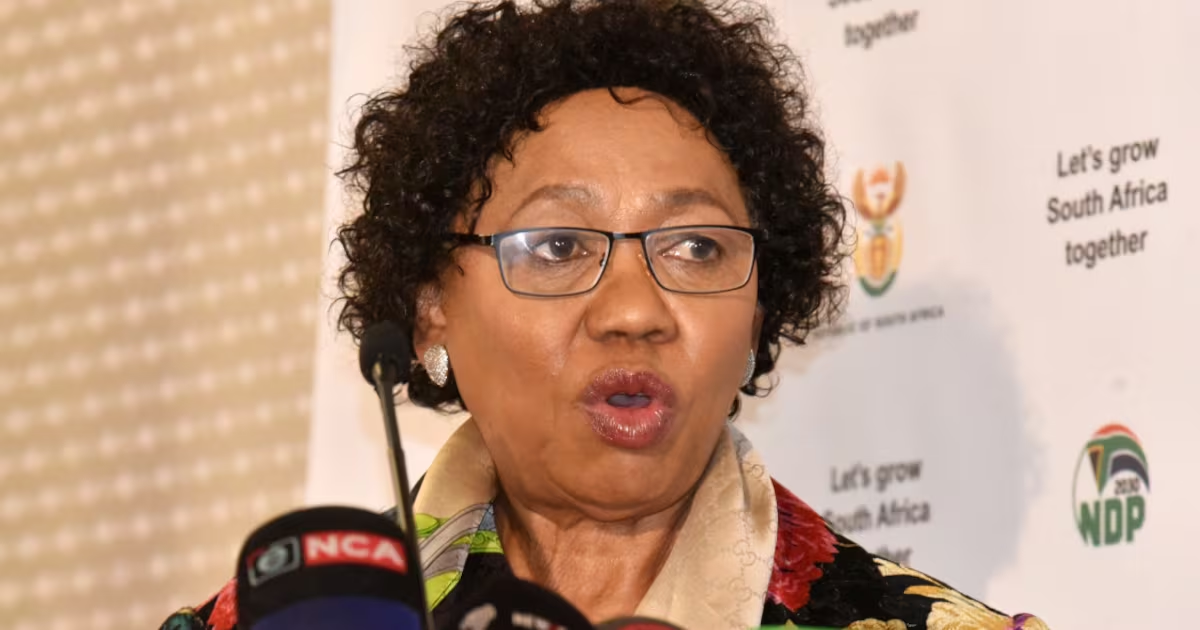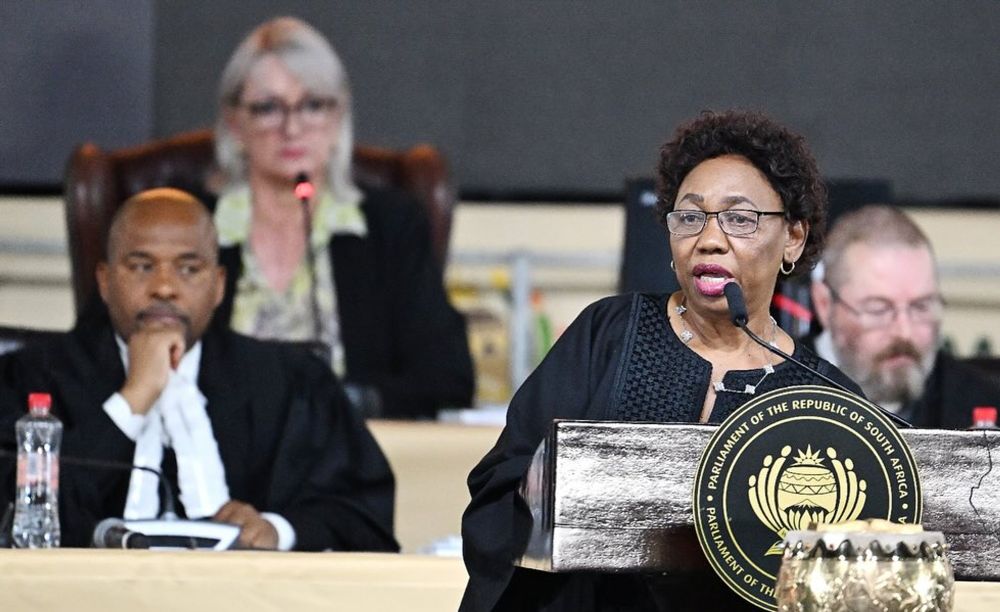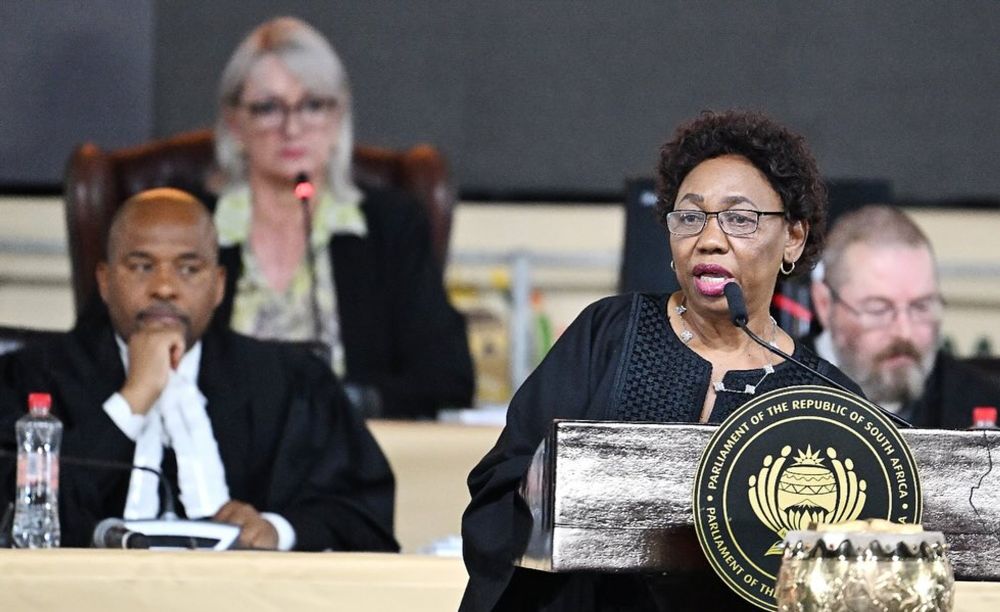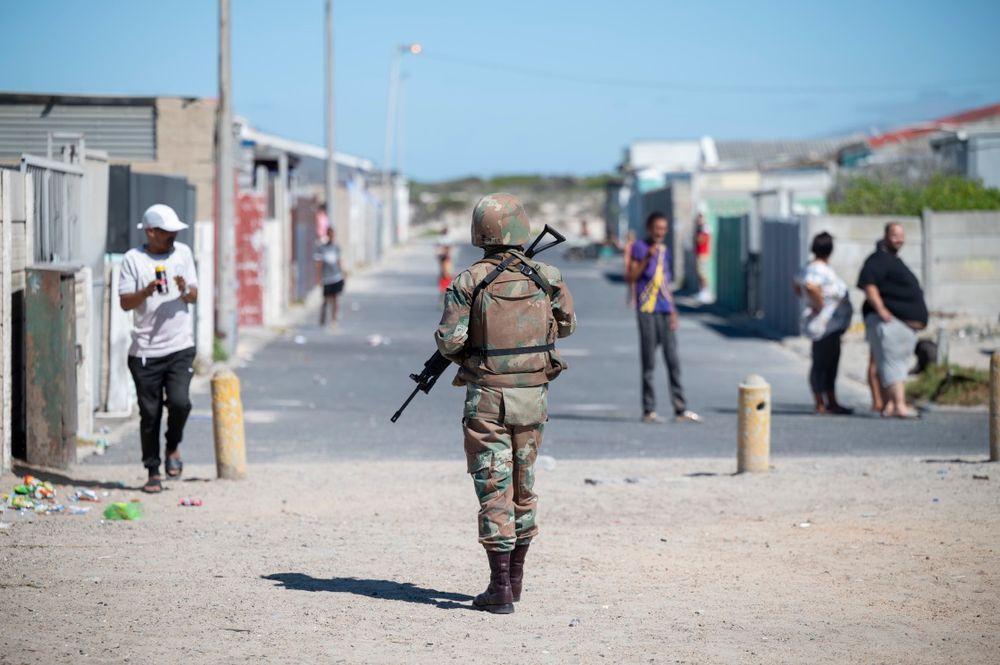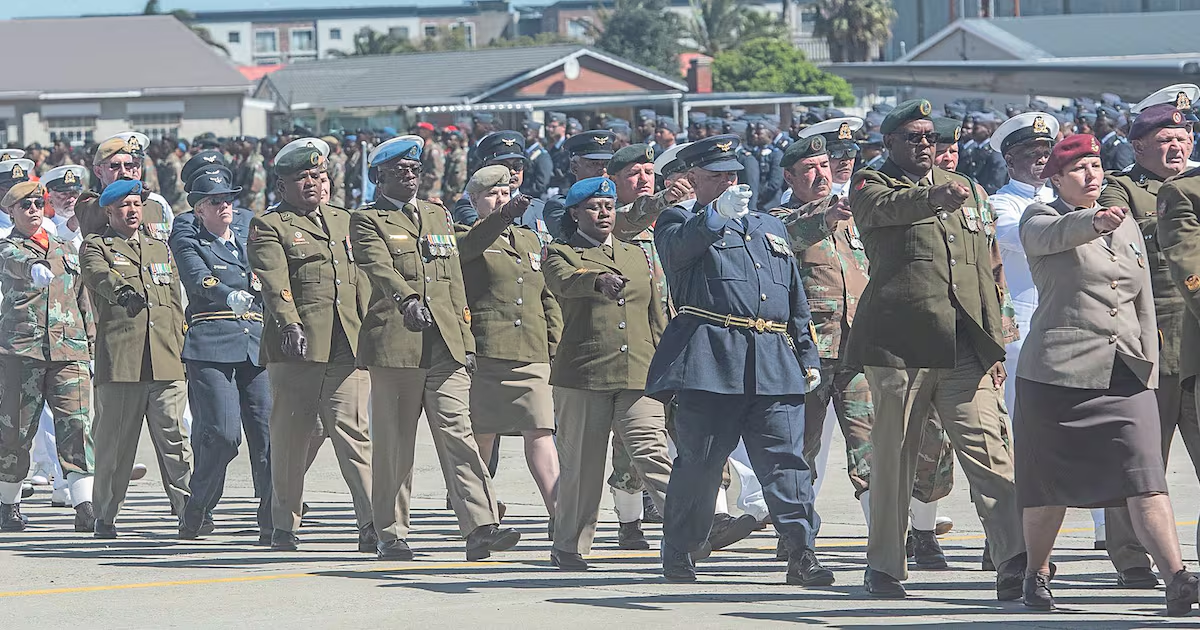
The department of defence’s 2026 annual performance plan is replete with warnings that the acute underfunding facing the South African National Defence Force (SANDF) risks undermining the country’s sovereign defence industry base — with many programmes underfunded by more than 40%.One such key capability facing steep underfunding is military intelligence — key in informing decision-making for national defence and strategic planning — which is having to contend with underfunding of about 48%.“The budget deviation of about R1.14bn (underfunded by about 48%) will adversely affect the ability of defence intelligence to staff skilled personnel and to obtain the capabilities required for intelligence and counterintelligence operations as well as the rendering of defence diplomacy administrative support to the department,” the annual plan reads.“Funding limitations continue to adversely affect the ability of the programme to establish a DOD [department of defence] cyber capability in support of national cyber initiatives.”The underfunding is not only isolated to defence intelligence but also extends to maritime defence at 52%, landward defence at 54%, military health support at 40% and air defence at 42%.The annual performance plan lays bare the impact of the budget underfunding on key programmes.The department, led by former basic education minister Angie Motshekga, said military health support has an estimated budget deviation of R4.2bn in the 2026/27 financial year, warning this will have an adverse impact on the ability to replace obsolete medical equipment and technology or upgrade deteriorating medical facilities. “This resulted in the SAMHS [South African Military Health Service] depending on the outsourcing of medical services, not only for the regular force and its dependants but also to provide services to the military veterans and their dependants at a high cost to address the increase in the requirements for medical support to the department,” the annual performance plan reads.“The current budget allocation adversely affects the SAMHS’ ability to meet the South African Qualifications Authority (SAQA) and the Council on Higher Education legal requirements to accredit both the School of Military Health Training and the Nursing College due to the delays in the renovation and modernisation of the SAMHS training formation.”Maritime defence has to contend with a budget deviation of R5.4bn, limiting its ability to provide combat-ready maritime defence capabilities and constraining the ability of the South African Navy to deploy naval capabilities to meet ordered government commitments. The cash crunch will also render the navy unable to upscale Naval Base Durban to a fully functioning operational naval base to support the SA Navy patrol squadron.South Africa spends about 0.7% of its GDP on defence, which amounts to about R57bn-R60bn annually — significantly short of the 1.5% GDP benchmark recommended by the 2015 Defence Review.Faced with runaway public debt, the National Treasury has over the past few years tightened the public purse and reined in public spending. To contain its own costs, the department said it is complying with the government’s early retirement and voluntary exit programmes (ERPs) targeting 30,000 government employees aged 55-59 to reduce the public wage bill.To this end, the department of defence said it will facilitate, pending funding consent from the National Treasury, targeting 2,200 eligible officials (Defence Act personnel and Public Service Act personnel) in the government-wide ERP retirement programme, allowing retirement without penalties on pension benefits. The defence force’s landward defence, the branch of a nation’s armed forces responsible for land-based military operations, primarily encompassing the army and its supporting elements, faces an R18bn underfunding. The air defence, with an estimated budget shortfall of R5.5bn, affects the defence force’s ability to maintain its air defence capabilities.Stark warningThe department left the starkest warning for the “insufficient” level of funding to the special defence account (SDA), meant to fund high-priority defence equipment, armaments and secret services.It said the lack of funding for the SDA has a detrimental effect on the SANDF’s ability to modernise and develop identified capabilities in support of internal and external operations, with projects being terminated or deferred.“The reduction of the SDA has the potential to adversely affect the South African defence industry. In a situation of war or external aggression, South Africa will not have an autonomous and independent defence industry for critical provisioning of military equipment, weapons and ammunition-manufacturing ability,” it said in the annual performance plan.“The national importance of maintaining a capable and available unique defence industry will only be realised once it is lost. Should this situation not be addressed and be allowed to continue unabated, South Africa will lose its sovereign defence industry base, with dire implications for the SANDF and the security of the RSA.”The department also flagged funding constraints that have adversely affected the maintenance of its facilities and infrastructure, giving rise to a big maintenance backlog that affects the SANDF’s operational readiness.“These contractual obligations are underfunded by about R500m every year over the 2026/27 medium-term expenditure framework.”Chris Hattingh, DA spokesperson on defence and military veterans, said one of the problems besetting the SANDF is that employees’ costs are overcrowding investments in combat-readiness capabilities.‘National security failure’“South Africa’s defence crisis is no longer just a warning. It is visible, operational and deeply embarrassing for a country that still claims to be a regional leader. For more than a decade, the SANDF has been underfunded while the government pretended that major defence commitments could be maintained without proper funding,” Hattingh said.“The 2015 Defence Review set out a clear roadmap and required defence spending to move toward 1.5%-1.8% of GDP. Today, defence sits at only about 0.7% of GDP. That gap is not administrative; it is a national security failure.“This is visible across all services: 40-year-old army equipment, grounded aircraft, declining maritime air surveillance, navy vessels stuck in refit, weak maritime defence, military health services under severe pressure, defence intelligence limits, theft inside bases, cable theft from within military facilities and collapsing infrastructure.”
SANDF funding crisis threatens SA’s defence industry
Critical programmes such as military intelligence underfunded by up to 54%
961 words~4 min read