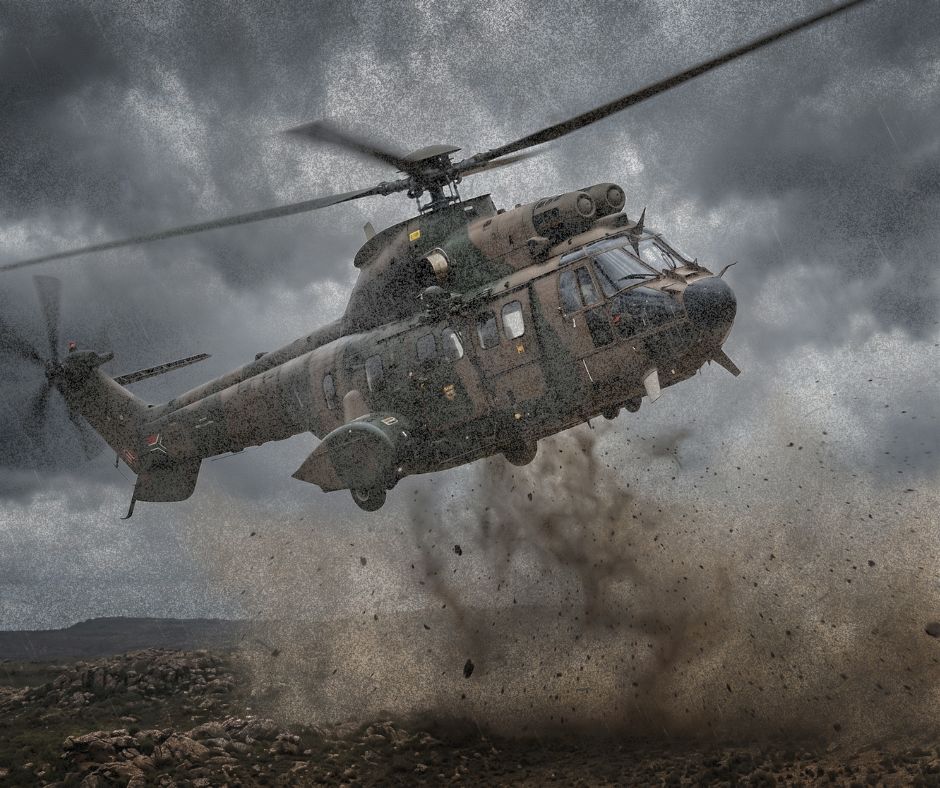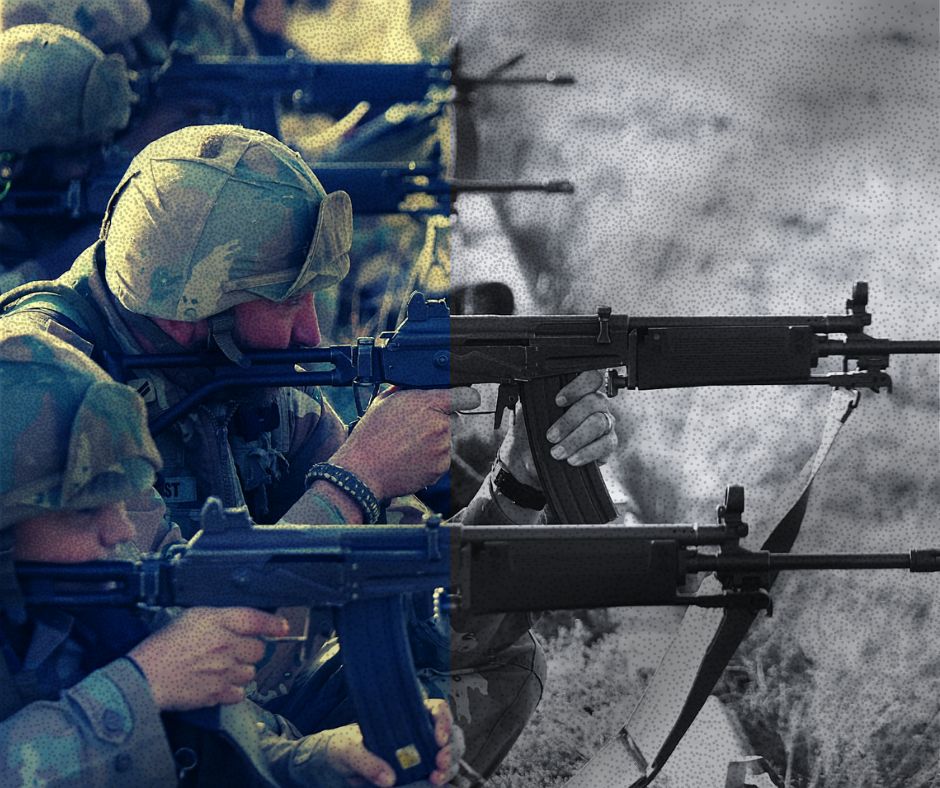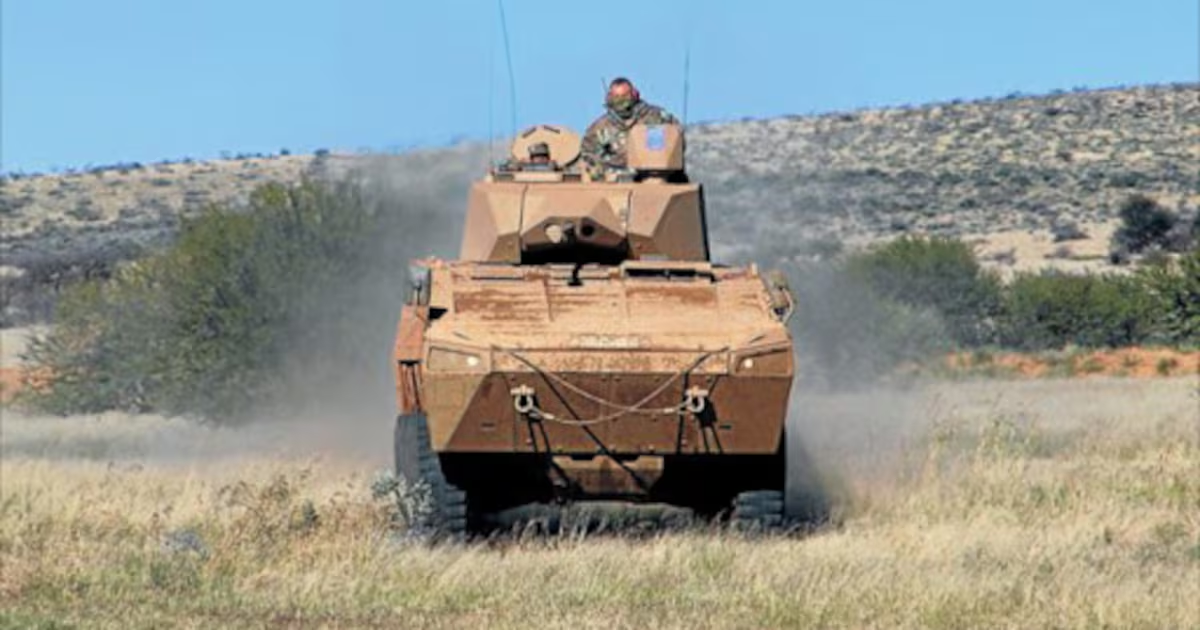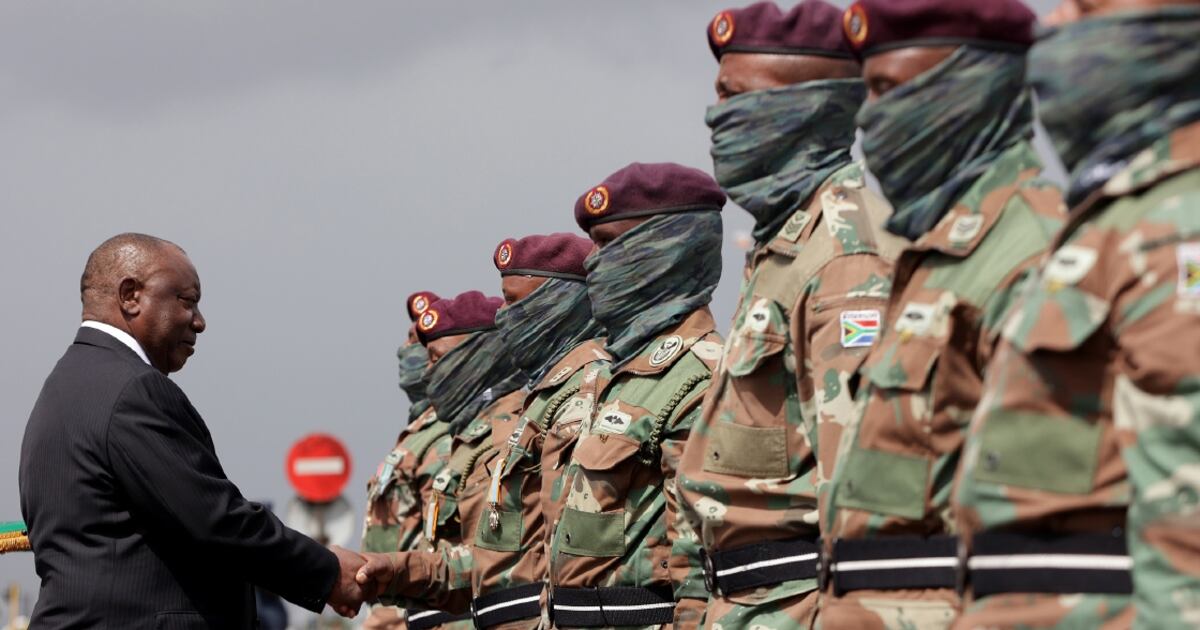
Social services in South Africa are in serious decline. They have been for many years. So is the economic infrastructure needed to propel the economy.This state of affairs and a barely growing economy, which cannot absorb the millions of young people in the workplace, have naturally seen defence spending take a back seat for the past decade.And in the hierarchy of budgeting requirements, it would seem a smart choice to cut back on military spending. There is, of course, a good argument to be made that spending in the defence sector yields far fewer benefits than spending in health and education, for example. For the young men and women we send in harm’s way, however, this can represent a deadly gamble.The defence force is a unique instrument and an important lever of power at the disposal of the state to pursue its national security and foreign policy imperatives. As a result, it is at the core of South Africa’s national security and identity. The defence force provides the means of last resort when other instruments of state are unable to protect or defend South Africa.Before ranking the importance of defence in the priority list, in a time of constrained fiscus and equally important competing interests, it is important to note the commitments made by the government to the military and, by extension, to South Africans.The 2025 Defence Review, the second of such policy reviews in democratic South Africa, mapped out the direction defence will be taking over the next 20 to 30 years, providing strategic guidelines for the development of South Africa’s army, air force, navy, military health service and special forces capabilities.The incoming South African ambassador to the US, Roelf Meyer, chaired the defence review committee.At the heart of the review was a commitment to spend about 1.5%-1.8% of GDP. At the time, South Africa was spending less than 1.2% of its GDP on defence, translating to less than 5c out of every rand of the total budget being expended on defence.Despite this commitment, defence spending has fallen by every metric, as a percentage of the budget and as a percentage of the overall economy. In real terms, the department of defence has been cutting back on programmes that are critical to recapitalising the legacy fleets of all the military services.Today, the spending on defence amounts to just 0.5% of GDP. In a fast-evolving world, marred with geopolitical power struggles and warmongers, it is not prudent to not invest in the future combat readiness of the military.The political class must resist the temptation to adopt a posture of robbing the future to pay for the present.The military’s leadership must also pay close attention to their spending priorities at a time of severe budget cuts.It is folly to spend more than two-thirds of the defence budget on wages — leaving crumbs on the table for operations, ammunition and replacing old and inefficient equipment.At a time when no help is in sight from the constrained fiscus, the military leadership will do well to stretch the rand and direct the few resources they have to key areas rather than to compensation of employees.
EDITORIAL | Defence budget must square up imbalances
South Africa risks weakening military readiness through years of defence cuts
521 words~2 min read