Story audio is generated using AI
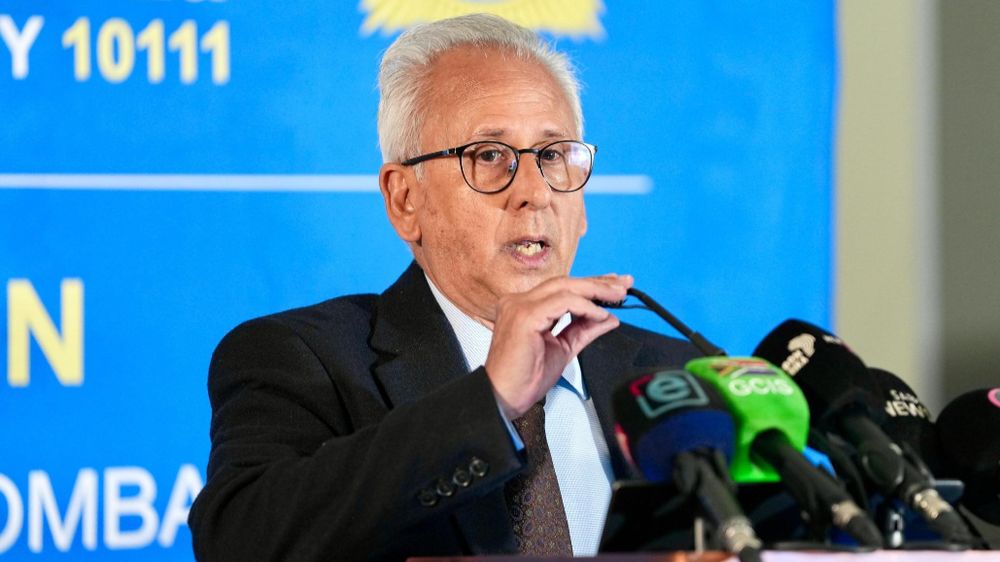
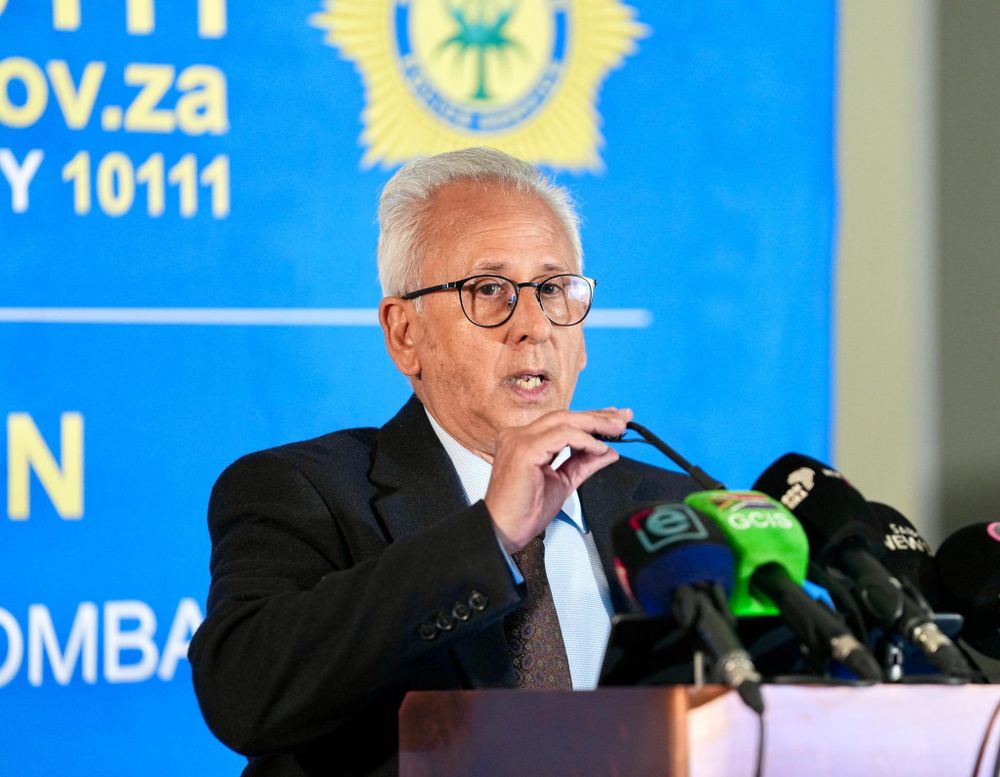
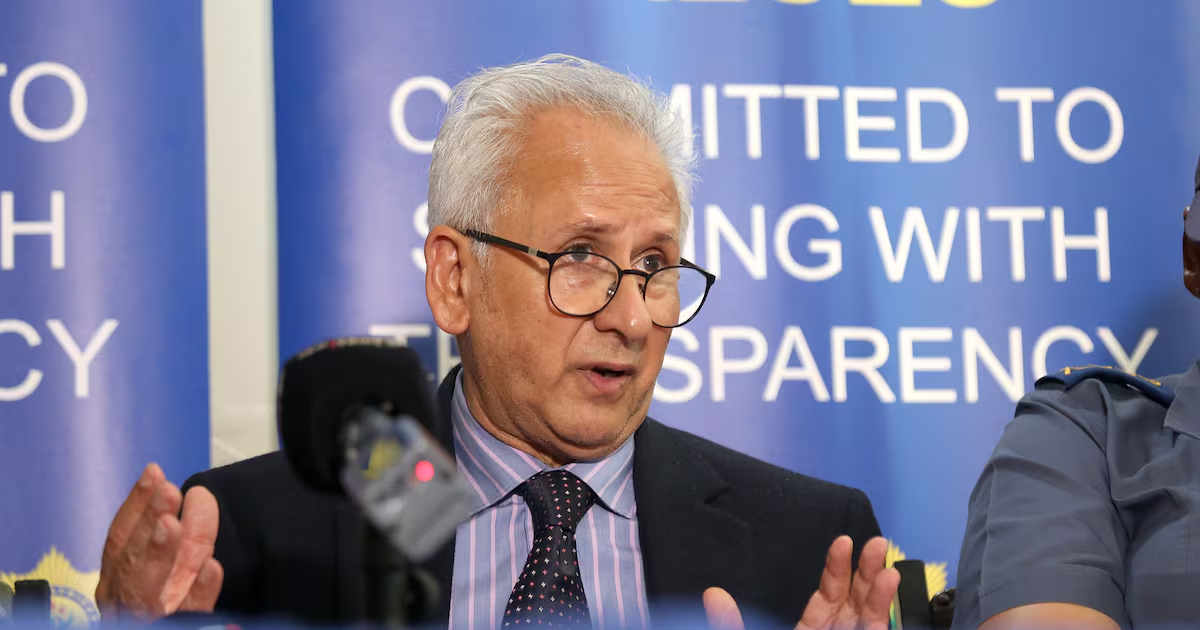
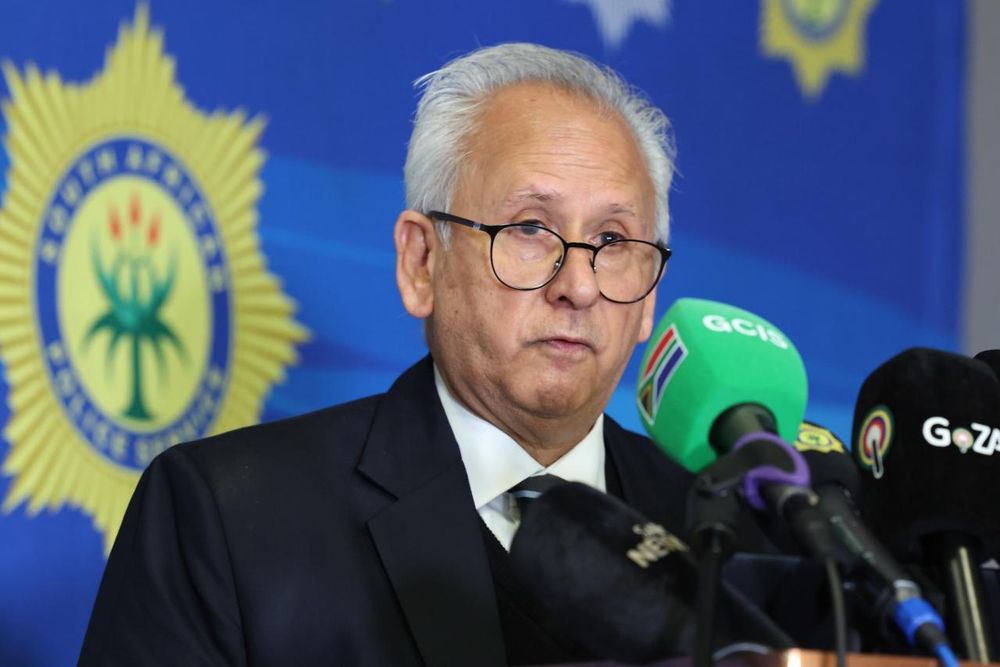
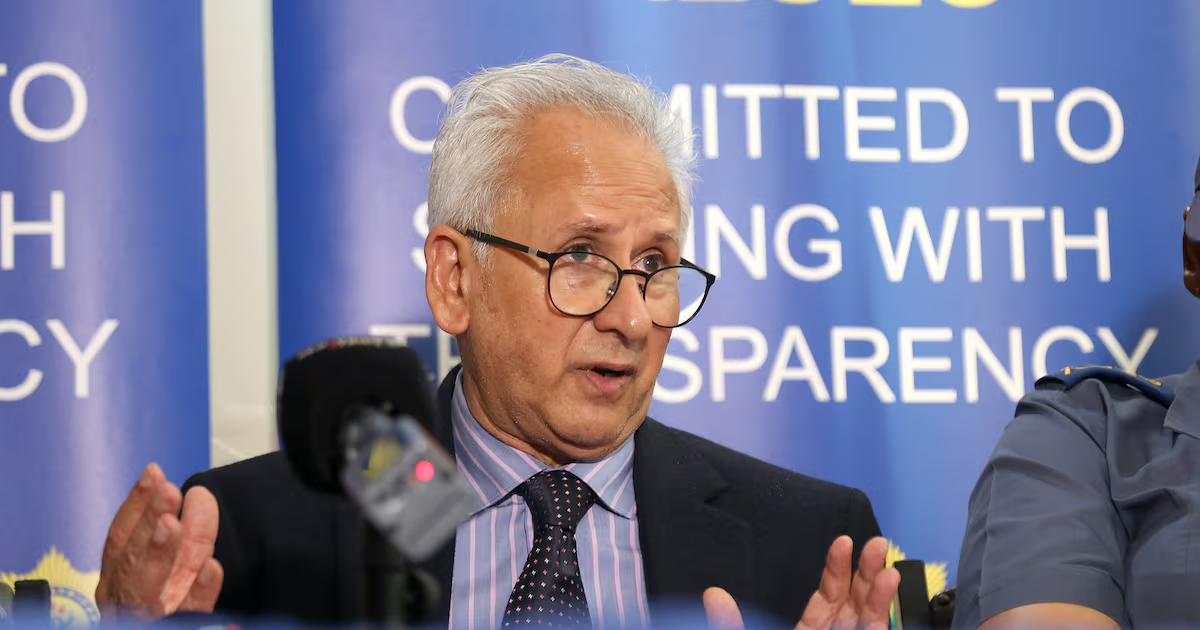
For 546 families across South Africa, this year brought a small mercy — a loved one who is still alive today. But while that is the number the country’s murder rate has dropped by, police minister Firoz Cachalia says too many South Africans still live in fear, with violence continuing to tear through homes, families and communities.Releasing the fourth-quarter crime statistics on Friday, Cachalia said the figures reflected both progress and the painful reality faced by many communities across the country.“The figures that will be presented today are not just numbers. They are a stark mirror held up to our society. Behind every statistic is a traumatised victim, a distraught family, a community living in fear,” he said.The statistics cover the period from January 1 to March 31 2026.Nationally, violent crimes known as contact crimes, dropped by 4.6%, with 7,405 fewer cases reported compared with the same quarter last year. Murder cases fell by 9.5%, from 5,727 to 5,181.“That means 546 fewer lives lost, and fewer grieving families and friends,” said Cachalia.He said murder figures had declined by 20.7% compared with the same quarter in 2024, adding that police paid close attention to murder statistics because they are considered the most reliable crime indicator.There were also sharp declines in armed robberies, with house robberies down by 20.4%, business robberies by 18.3% and robberies at non-residential premises by 22%.Property-related crimes, including burglary and theft from vehicles, also dropped by 8.5%.The levels of crime are still unacceptably high with 58 murders per day on average during this quarter— Firoz Cachalia, police minister Despite the improvements, Cachalia stressed that South Africans were still living with unacceptable levels of violence.“A decrease in crime is not the same as achieving safety,” he said.“The levels of crime are still unacceptably high with 58 murders per day on average during this quarter.”The minister said crime remained heavily concentrated in Gauteng, KwaZulu-Natal, the Eastern Cape and the Western Cape, which together accounted for more than 80% of murders recorded nationally. The Eastern Cape had the highest murder risk in the country, with 14.3 murders per 100,000 people, followed by the Western Cape at 12.8.Cachalia painted a troubling picture of violence inside homes and communities, saying many attacks were committed by people known to victims.Nearly half of all rapes recorded during the quarter happened at either the victim’s or perpetrator’s home.“That is 4,620 out of 9,782 rapes, committed not in dark alleys by strangers, but in homes, by people known to the victim,” he said.He added that arguments, revenge attacks, vigilantism and alcohol abuse continued to fuel violence.In the quarter under review, 7,267 cases of assault, rape, attempted murder and murder were linked to alcohol use.“The more alcohol we consume, the more violence we will suffer,” said Cachalia, adding that he had asked the Civilian Secretariat for Police to review liquor licence regulations and trading hours.The minister also raised concern over organised crime, particularly in Gauteng, which accounted for 57.1% of carjackings, 54.8% of kidnappings and nearly half of all cash-in-transit robberies.“These are not opportunistic crimes. They are the work of organised criminal syndicates that are highly mobile, heavily armed, and deeply embedded in our economic centres,” he said.Cachalia warned that extortion rackets, including the so-called “construction mafia”, were spreading and damaging businesses, communities and investment.South Africans want to be safe and feel safeThe crime statistics release comes just days after Cachalia tabled the police budget vote in parliament, where he outlined what he called a “bold police reset agenda”.The plan aims to rebuild trust in policing and strengthen the fight against organised and violent crime through better intelligence, stronger investigations and improved accountability inside the SAPS.“South Africans want to be safe and feel safe,” said Cachalia during his budget speech in Cape Town earlier this week.The SAPS has been allocated R127bn for the 2026/27 financial year, increasing to R135.8bn by 2028/29.Part of the plan includes overhauling crime intelligence, improving detective services, modernising police stations and tackling corruption inside the police service.Cachalia acknowledged that while many officers serve with “integrity, courage and professionalism”, corruption within SAPS remains a serious concern.“At the same time, we acknowledge that the SAPS like other public institutions, particularly in its procurement systems, is bedevilled by systemic corruption,” he said.He said government was also intensifying efforts against organised crime, illegal firearms and gender-based violence.An additional R18m has been allocated for firearm licensing and compliance, while more than R200m will go towards a new digital firearm management system.The government has also set aside R1.6bn for programmes linked to fighting gender-based violence and femicide.Cachalia said policing alone would not solve South Africa’s crime problem and called for stronger community involvement.“Community partnership remains one of the strongest foundations of effective policing,” he said.The government is planning a national community patroller programme that will place trained and vetted community members in crime hotspots to improve visibility and safety.He also announced the formation of a police advisory panel, chaired by former Sars commissioner Edward Kieswetter, to help oversee reforms and advise police leadership.“To the people of South Africa, I see the fear you live with. I see the courage you show in reporting crime, testifying in court, and standing up to gangs,” said Cachalia.“We will not rest until the right to safety, enshrined in our constitution, is a lived reality in every home, every street, every school, every taxi rank, and every village in this country.”TimesLIVE